What is an Export Processing Enterprise? A-Z of the Latest Regulations, Incentives & Procedures for 2026


As Vietnam becomes the world’s “factory,” the Export Processing Enterprise model plays a crucial role in the global supply chain. However, not all investors fully understand what an Export Processing Enterprise is, the tariff privileges, or the strict customs supervision conditions that come with it. This article from 1Office will provide a comprehensive overview of this unique type of enterprise.
Mục lục
- 1. What is an Export Processing Enterprise? Concept & Core Characteristics
- 2. Important Legal Regulations for Export Processing Enterprises
- 3. Attractive Incentives for Export Processing Enterprises
- 4. Conditions & Procedures for Establishing an Export Processing Enterprise
- 5. Optimizing EPE Operations with Technology
- 6. Conclusion
1. What is an Export Processing Enterprise? Concept & Core Characteristics
According to current legal documents, an Export Processing Enterprise (EPE) is understood as an enterprise specializing in producing goods for export or providing services for the production of export goods and export activities.
Geographically and legally, this type of entity is established and operates within an Export Processing Zone (EPZ), Industrial Park (IP), or Economic Zone (EZ) as stipulated by the Government. This concept is currently clearly defined in Decree 35/2022/ND-CP (replacing Decree 82/2018/ND-CP) and the 2020 Law on Investment.

Unlike regular domestic enterprises, EPEs have very distinct characteristics for state management purposes:
- Geographical location and separation: This is the most important factor. An EPE or a sub-zone for EPEs must be separated from the outside territory by a hard fence system, with separate gates and entrances. This area must ensure conditions for regular inspection, supervision, and control by customs authorities (including a 24/24 surveillance camera system with online data connection).
- Main purpose of operation: To focus maximum resources on specializing in the production of goods for export to foreign markets or providing services directly for this activity.
- Application of non-tariff zone policies: EPEs enjoy the status of a non-tariff zone. This means that the exchange of goods between EPEs and other areas within Vietnam’s territory is considered an import-export relationship.
- Subject to strict supervision: All goods entering and leaving an EPE are subject to customs inspection, and the enterprise must implement a reporting and finalization regime on the use of imported raw materials and supplies.
2. Important Legal Regulations for Export Processing Enterprises
To operate legally and avoid risks of tax arrears, enterprises need to have a firm grasp of the following foundational legal documents:
2.1. Main Legal Bases
- Decree 35/2022/ND-CP: This is the backbone document regulating the management of industrial parks and economic zones. In Articles 2 and 26, the decree explains terminology and provides specific regulations applicable to export processing zones and export processing enterprises.
- 2020 Law on Investment: Provides general regulations on procedures for approving investment policies and business activities (Article 26).
- 2016 Law on Export and Import Duties: Defines that goods exported from a non-tariff zone to foreign countries or imported from foreign countries into a non-tariff zone are not subject to tax.
- Circular 219/2013/TT-BTC: Provides detailed guidance on Value Added Tax (VAT), which stipulates a 0% tax rate for exported goods of EPEs.
- Decree 18/2021/ND-CP: Supplements detailed regulations on conditions for customs inspection and supervision for EPEs.

2.2. Latest Regulation Updates (2024-2025)
In the 2024-2025 period, the General Department of Customs has issued several official letters to resolve practical difficulties for EPEs:
- Regarding processing: Official Letter 2370/TCHQ-TXNK (2024) provides guidance on customs procedures and taxes for goods processed by EPEs.
- Regarding warehouse rental: Official Letter 958/TCHQ-GSQL (2024) permits and guides the rental of external warehouses by EPEs for storing goods, helping enterprises be more flexible in their supply chain.
- Regarding construction: Official Letter 788/TCHQ-GSQL (2024) provides guidance on procedures for bringing goods from the domestic market to construct facilities for EPEs.
3. Attractive Incentives for Export Processing Enterprises
The biggest advantage of establishing an EPE is the tariff incentives. From the moment the investment objective is recorded on the Certificate, the EPE is entitled to the following policies:
3.1. Incentives on Export and Import Duties
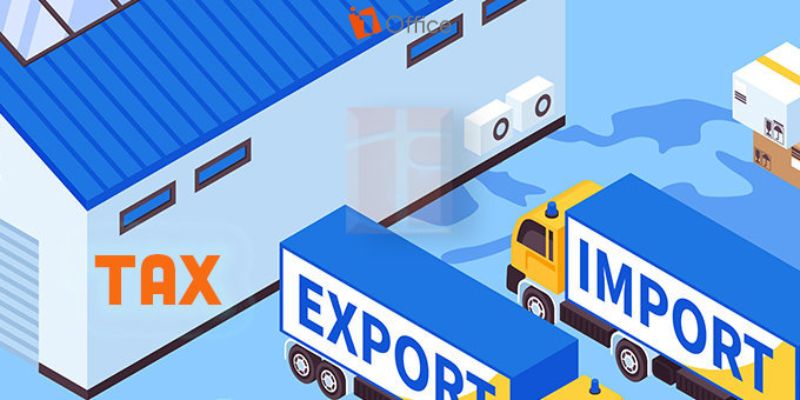
Being located in a non-tariff zone, EPEs enjoy powerful tax exemption “privileges”:
- Input tax exemption: Goods imported from abroad to create fixed assets, and imported raw materials, supplies, and components for production by the EPE are not subject to import duty.
- Output tax exemption: Goods produced by the EPE when exported abroad are not subject to export duty.
- Transfer tax exemption: Goods bought, sold, or transferred between EPEs or between EPEs and other non-tariff zones are also not subject to tax.
3.2. Incentives on Value Added Tax (VAT)
- 0% tax rate: Exported goods and services of an EPE are subject to a 0% VAT rate if they meet the conditions regarding contracts and bank payment documents as stipulated in Circular 219/2013/TT-BTC.
- Internal transactions within the non-tariff zone: The exchange of goods between EPEs is exempt from VAT.
3.3. Incentives on Corporate Income Tax (CIT)
The CIT policy for EPEs is very attractive for investment:
- General incentive level: EPEs are often exempt from CIT for the first 02 years and receive a 50% reduction in the payable tax amount for the next 04 years on income from new investment projects.
- Special incentives: If the investment project is located in a socio-economically disadvantaged area, the EPE may enjoy a preferential tax rate of 17% for a period of 10 years.
3.4. Other Incentives
- Customs procedures: EPEs are allowed to purchase construction materials, office supplies, and food from the domestic market for office and daily activities without having to carry out customs procedures.
- Land rent: Entitled to land use fee exemption and reduction policies according to the regulations of each locality and industrial park.
4. Conditions & Procedures for Establishing an Export Processing Enterprise
To transform an investment project into a legal EPE, investors need to follow this strict process:
4.1. General Conditions for Establishing an EPE
-
<li style="font-weight: 400;" aria-level

5. Optimizing EPE Operations with Technology
The specific nature of Export Processing Enterprises (EPEs) involves a large workforce (typically manufacturing plants), complex shift-based operations, and the pressure of strict data reporting to Customs authorities. Manual management using Excel or paper records is no longer suitable in the digital era of 2025.
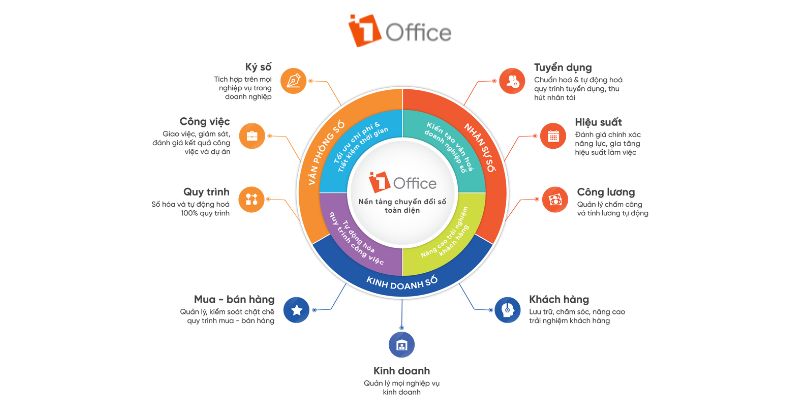
Applying comprehensive management solutions like 1Office is becoming an inevitable trend for EPEs to optimize their resources:
- Solving the challenge of managing thousands of employees: The 1HRM module of 1Office supports the management of various work shifts (split shifts, rotating shifts, night shifts) and allows for online shift scheduling. The system connects with all timekeeping devices (FaceID, fingerprint) and aggregates work data in real-time, completely resolving errors when calculating payroll for thousands of workers with complex salary formulas.
- Mass recruitment: The AI-integrated feature for automatic CV screening helps the HR department quickly process large volumes of candidate profiles, meeting the continuous demand for worker recruitment in export processing plants.
- Process compliance and record storage: All processes, from leave requests and material approvals to signing labor contracts, are digitized and e-signed online on 1Office. This not only helps the business operate paperlessly but also creates a transparent data system, making it easy to extract reports during inspections by customs or tax authorities.
6. Conclusion
Clearly understanding what an export processing enterprise is and the related legal regulations is the first step for investors to fully leverage the advantages in the Vietnamese market. Combined with a modern management technology platform, EPEs will have a solid launchpad to reach the global market.