


8 Easy-to-Apply and Highly Effective Customer Retention Techniques


Customer retention is not just a cost-saving method but also a key strategy for sustainable business growth in today’s competitive market. This article analyzes the importance of customer retention, effective measurement methods, and 8 specific, easy-to-apply strategies – from improving the customer experience to building a brand community.
Mục lục
- What is customer retention?
- Why is customer retention important?
- Metrics for Customer Retention and How to Measure Them Accurately
- 8 Highly Effective and Easy-to-Implement Customer Retention Strategies for SMEs
- Create an Excellent Customer Experience
- Build a Customer Loyalty Program
- Proactively Collect and Act on Customer Feedback
- Invest in high-quality customer service
- Establish an effective product/service onboarding process
- Build a community around your brand
- Develop an effective email marketing strategy
- Analyze data to predict and prevent churn
- Examples of customer retention strategies
- Conclusion
What is customer retention?
Customer Retention is the ability of a business to maintain a long-term relationship with its customers, encouraging them to continue purchasing and using the company’s products/services instead of switching to competitors. In other words, it is the art of turning one-time customers into loyal, repeat customers.
A customer retention strategy includes all the activities and programs a business implements to:
- Maintain customer satisfaction
- Increase Customer Lifetime Value (CLV)
- Reduce Churn Rate
- Build lasting relationships with existing customers
Unlike new customer acquisition strategies, customer retention focuses on developing and nurturing relationships with those who have purchased the business’s products/services at least once.
Why is customer retention important?
Much lower cost than acquiring new customers
According to research from Harvard Business Review, the cost of acquiring a new customer is 5 to 25 times higher than retaining an existing one. This means that investing in customer retention strategies brings significant economic benefits to a business.
Significant increase in profit
Research by Bain & Company shows that increasing customer retention rates by just 5% can increase a company’s profits by 25% to 95%. Loyal customers often:
- Spend more per purchase
- Shop more frequently
- Are less price-sensitive
- Refer the business to friends and family
Create a sustainable competitive advantage
In today’s fiercely competitive market, products and services are becoming increasingly similar. Customer experience and strong customer relationships have become the differentiating factors that create a sustainable competitive advantage for a business.
Build a solid foundation for growth
A loyal and stable customer base provides a solid foundation for long-term development plans. Businesses can more accurately forecast revenue, enabling them to make appropriate investment and expansion decisions.
Metrics for Customer Retention and How to Measure Them Accurately
To effectively manage customer retention, businesses need to track and measure several key metrics:
Customer Retention Rate (CRR)
This is the most basic metric, reflecting the percentage of customers who remain with a business over a specific period.
Formula:
CRR = ((Number of customers at end of period – Number of new customers during period) / Number of customers at start of period) × 100%
Example: At the beginning of the month, a business has 500 customers. During the month, 50 new customers are acquired, and at the end of the month, there are 480 customers. CRR = ((480 – 50) / 500) × 100% = 86%
Churn Rate
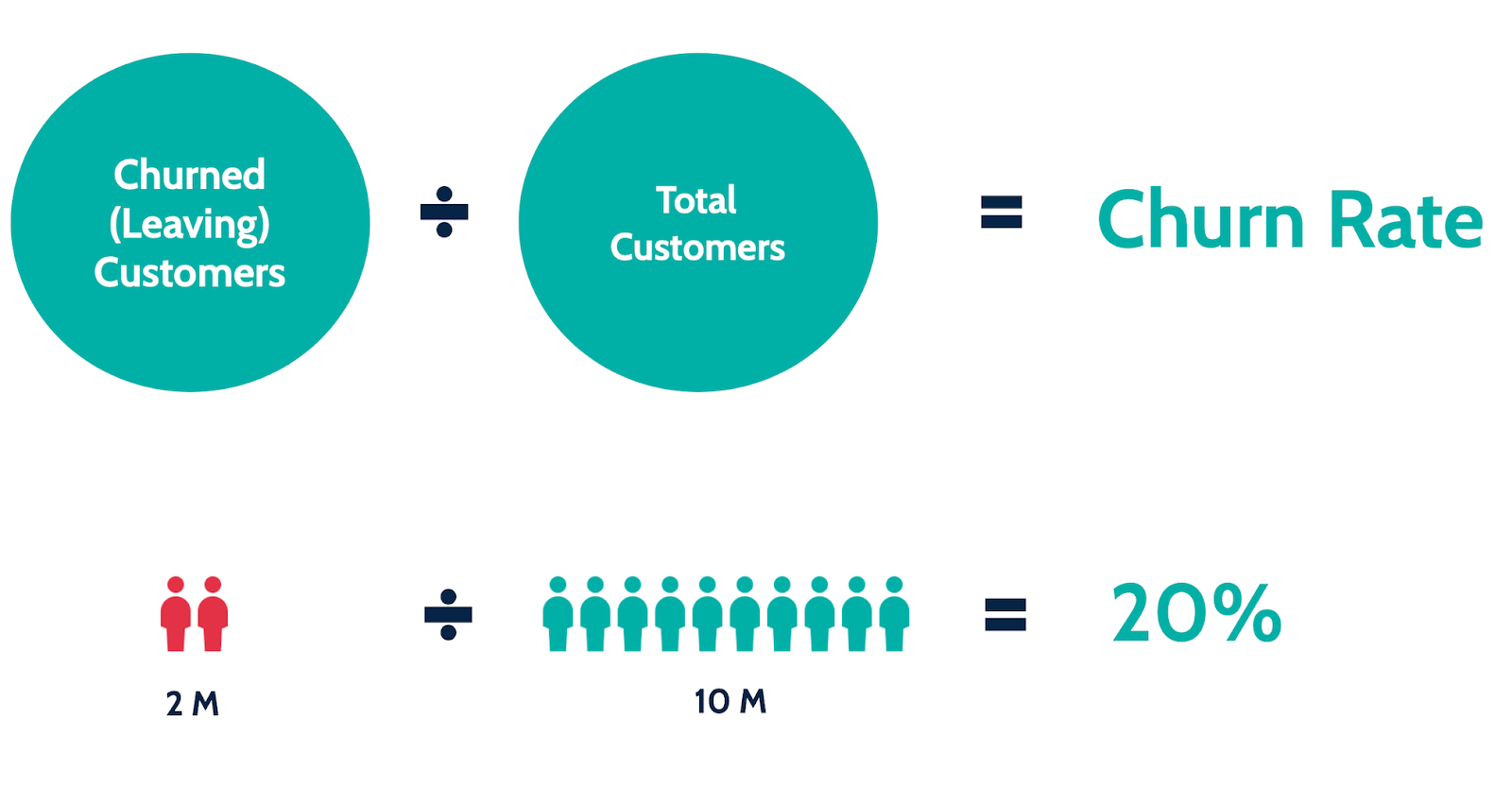
Churn rate is the percentage of customers who stop using a business’s products/services during a specific period. It is the inverse of the customer retention rate.
Formula:
Churn Rate = (Number of customers who churned during period / Number of customers at start of period) × 100%
or more simply:
Churn Rate = 100% – CRR
Customer Lifetime Value (CLV)
CLV estimates the total revenue or profit a business can expect from a customer throughout their relationship with the business.
Basic calculation formula:
CLV = Average Order Value × Average Number of Purchases Per Year × Average Customer Relationship Duration (years)
Net Promoter Score (NPS)
NPS measures a customer’s willingness to recommend a product/service to others, reflecting their satisfaction and loyalty.
How to calculate: Ask customers, “On a scale of 0-10, how likely are you to recommend our product/service to a friend/colleague?”
- 0-6: Detractors
- 7-8: Passives
- 9-10: Promoters
NPS = % Promoters – % Detractors
Repeat Purchase Rate

This metric measures the percentage of customers who return to make a purchase from the business after their first purchase.
Calculation formula:
Repeat Purchase Rate = (Number of customers who purchased more than once / Total number of customers) × 100%
How to Measure Accurately
To accurately measure the above metrics, businesses need to:
- Define a suitable measurement period: monthly, quarterly, or annually, depending on the industry’s characteristics and purchasing cycle.
- Segment customers to analyze each group separately (by age, geographical area, order value, etc.)
- Use customer analysis tools such as CRM, data analysis software, or customer management platforms.
- Establish a feedback collection process regularly through surveys and post-purchase reviews.
- Compare metrics over time to evaluate the effectiveness of customer retention strategies.
8 Highly Effective and Easy-to-Implement Customer Retention Strategies for SMEs
Create an Excellent Customer Experience
The customer experience is a key factor in determining whether they will continue to stay with the business. An excellent experience includes:
- Simplify the purchasing process: minimize steps, checkout time, and procedures.
- Ensure consistency across all channels: customers receive the same experience and information whether they interact with the business via the website, app, social media, or a physical store.
- Personalize interactions: use customer data to create experiences tailored to individual preferences and needs.
- Exceed customer expectations: regularly create positive surprises with small details like personal thank-you notes, unexpected gifts, or special services.
Build a Customer Loyalty Program

A customer loyalty program motivates customers to continue engaging with the business through rewards and privileges:
- Design a points-based reward system for each purchase or interaction.
- Offer multiple membership tiers with increasing privileges to give customers a goal to strive for.
- Diversify rewards: not just discounts, but also unique experiences, early access to new products, and VIP services.
- Create a sense of exclusivity and special treatment for members through distinct language, design, and experiences.
Proactively Collect and Act on Customer Feedback
Listening and acting on customer opinions helps businesses continuously improve and shows that they genuinely care:
- Deploy regular surveys after a purchase or interaction with customer service.
- Create multiple channels for customers to share their opinions: social media, email, text messages, phone calls.
- Systematically analyze feedback to identify trends and common issues.
- “Close the feedback loop” by informing customers about the changes made based on their suggestions.
Invest in high-quality customer service
Excellent customer service makes a big difference in customer retention:
- Comprehensive employee training on products, communication skills, and problem-solving.
- Minimize response times across all communication channels.
- Empower frontline employees so they can make decisions to resolve customer issues without waiting for approval.
- Build an effective complaint handling process with the goal of not only resolving issues but also turning dissatisfied customers into enthusiastic advocates.
Establish an effective product/service onboarding process
A customer’s first experience with a product/service has a major impact on their decision to continue using it:
- Create clear, intuitive user guides that cater to different learning styles (video, text, images).
- Break down the onboarding process into easy-to-follow steps.
- Automate a welcome email series that provides useful information over time.
- Provide personalized support during the initial product usage phase.
- Monitor usage levels and intervene when you detect that a customer is struggling.
Build a community around your brand

A strong community creates an emotional connection between customers and the brand:
- Create a forum or group for customers to connect and share experiences.
- Organize online and offline events to enhance interaction.
- Encourage user-generated content related to the product/service.
- Recognize and celebrate active members in the community.
- Provide regular value through useful content, usage tips, and new updates.
Develop an effective email marketing strategy
Email marketing remains a powerful tool for maintaining connections with customers:
- Segment your email list to send relevant content to each audience group.
- Personalize content based on customer behavior, purchase history, and preferences.
- Create a smart email schedule to avoid sending too many or too few emails.
- Design attractive, easy-to-read emails for both desktop and mobile devices.
- Diversify email content: not just product promotions, but also sharing useful information, interesting stories, and usage tips.
Analyze data to predict and prevent churn
Use data to proactively identify and retain at-risk customers:
- Build a churn prediction model based on metrics like purchase frequency, engagement level, and feedback.
- Identify churn “trigger points” in the customer journey.
- Design automated win-back campaigns when signs of potential churn are detected.
- Conduct exit interviews to understand the reasons for churn and make improvements.
- Continuously optimize your strategy based on analysis results.
Examples of customer retention strategies
Starbucks and the Starbucks Rewards program
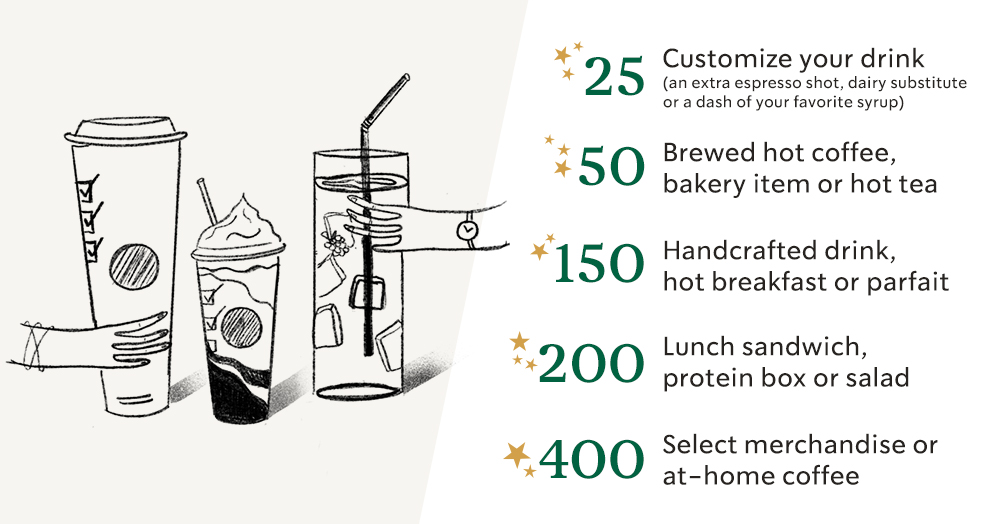
Starbucks has built one of the most successful loyalty programs in the world:
- A clear, easy-to-understand points system through the mobile app.
- Multiple membership tiers with attractive perks like free birthday drinks, free drink upgrades, and priority ordering.
- Personalized ordering experience based on purchase history.
- Exclusive notifications and offers for members.
Result: The Starbucks Rewards program contributes over 40% of the company’s revenue in the US, with more than 31 million active members.
Amazon and its Prime strategy
Amazon Prime is a prime example of creating superior value to retain customers:
- Subscription model creates long-term commitment.
- Continuously expanding benefits from initial fast shipping to streaming services, e-books, music, and photo storage.
- Creating an “ecosystem effect” makes it difficult for customers to leave because they have invested in multiple services.
- Exclusive events like Prime Day create additional value for members.
Result: The Prime subscription retention rate is approximately 93% after the first year and 98% after the second year.
Netflix and its recommendation algorithm
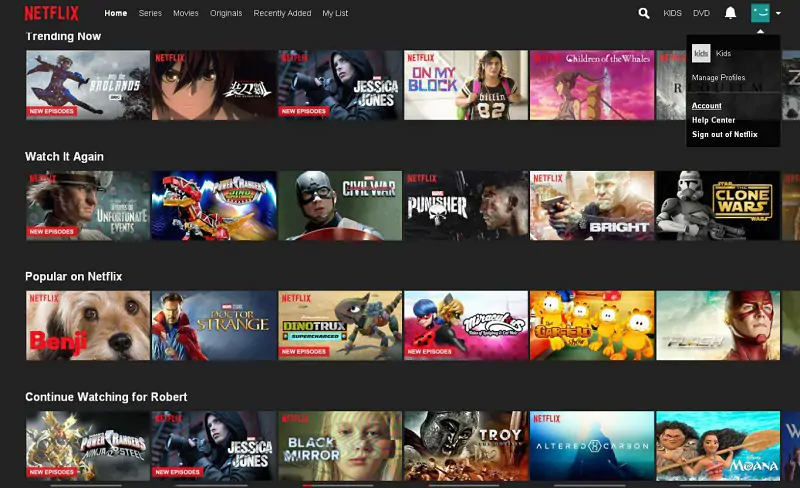
Netflix retains customers through a superior personalized experience:
- Intelligent recommendation system based on viewing behavior and ratings.
- Continuous improvement of the user interface to increase access to relevant content.
- Investment in exclusive high-quality content.
- Simplifying the registration, usage, and payment processes.
Result: Netflix maintains a customer retention rate of about 93% and saves approximately $1 billion annually thanks to its effective recommendation system.
Conclusion
Customer retention is no longer an option but a vital factor for businesses in today’s competitive environment. By implementing the 8 effective strategies mentioned, businesses can build lasting relationships with customers, increase revenue, and create a long-term competitive advantage.
Remember, customer retention is not the sole responsibility of the customer service department but requires the coordination of the entire company. Every decision, from product development and marketing to operations, should be aimed at creating an excellent experience and superior value for existing customers.




