


 12/05/2026
  420 views
In the modern economic context, the B2G model is becoming a new, high-potential business strategy, especially for connecting businesses with the government. The prominent feature of the B2G model is that businesses provide goods and services to government agencies, opening up new opportunities for development. Join 1Office to explore the concept of what B2G is, along with its benefits, challenges, and development trends in Vietnam.
Key points:
|
Mục lục
What is B2G? The Differences Between B2G, B2C, and B2B
The B2G Concept
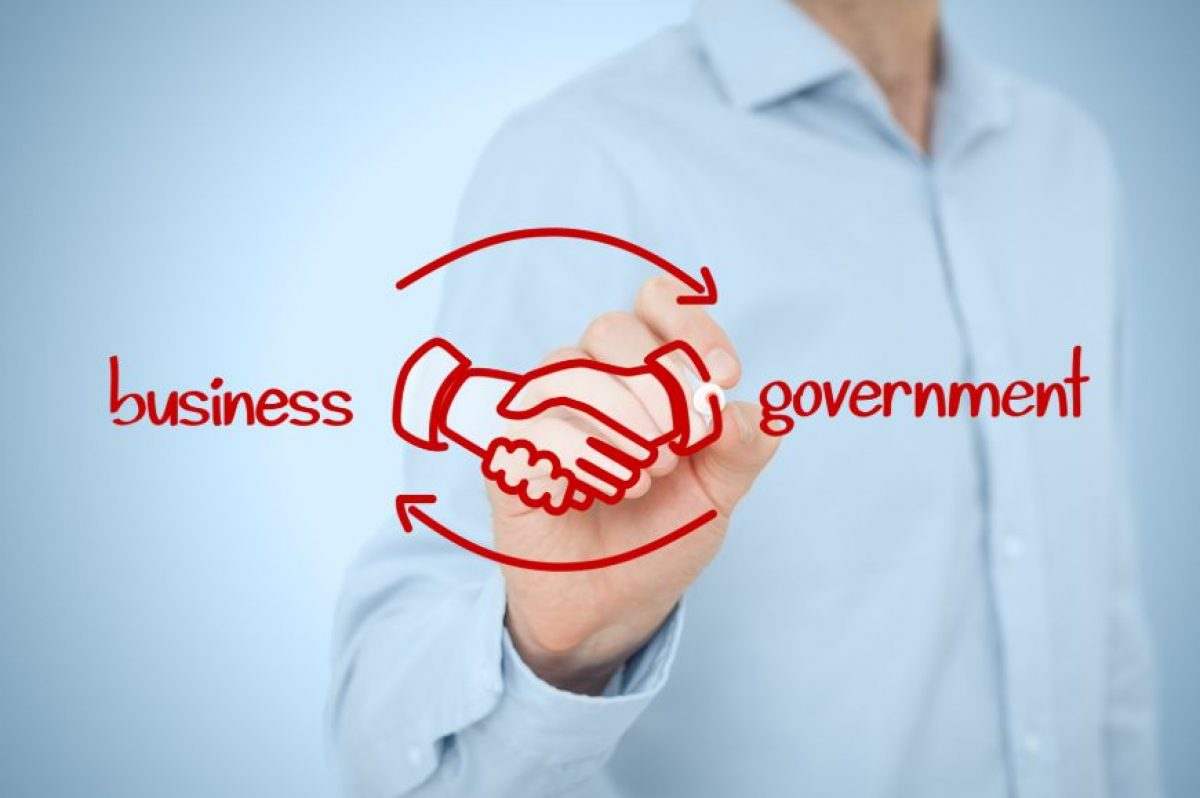
The B2G (Business to Government) model is a special business model where businesses provide products, services, or solutions to government agencies and organizations at various levels: national, local, or public organizations.
The business sectors are unlimited, covering everything from information technology and infrastructure construction to providing healthcare services, education, and any type of essential goods.
The Differences Between B2G, B2C, and B2B
B2G (Business to Government), B2C (Business to Consumer), and B2B (Business to Business) are three main business models that companies can adopt to reach and serve customers. Each model has its own unique characteristics, with clear differences in target customers, marketing strategies, and transaction processes. Below is a summary table of the differences between these three models:
| B2G (Business to Government) | B2C (Business to Consumer) | B2B (Business to Business) | |
| Target Audience | Government, state agencies, public organizations | Individual consumers | Various businesses, organizations |
| Objective | Provide products/services to state agencies, support public policy | Provide products/services to individuals, serve consumer needs | Provide products/services to businesses to support their business operations |
| Transaction Scale | Usually large, long-term contracts with strict requirements on standards and procedures | Small, simple, and easy-to-execute transactions | Large, sometimes complex transactions requiring negotiation and contracts |
| Purchasing Process | Strict, with many legal procedures and controls | Simple, can often be done online or in-store | Controlled through contracts, negotiations, and long-term partnerships |
| Marketing Strategy | Often based on trust and the ability to comply with legal regulations | Based on emotion, convenience, and consumer needs | Based on long-term relationships, mutual benefits, and business efficiency |
| Transaction Time | Long-term, can last for many years | Usually fast, one-time transactions or short cycles | Can last for many months or even years |
What benefits do businesses gain from the B2G model?
Adopting the B2G model brings many benefits to businesses. It not only helps increase revenue but also creates opportunities for sustainable development in the future.
Financial benefits
- Opportunities to secure large, stable, and long-term government contracts.
- Government contracts help ensure revenue and minimize business risks.
- The government provides timely and more reliable payments compared to private clients, improving cash flow.
- Businesses can tap into additional resources from government funds, supporting innovation and product development.
Benefits in reputation and competitiveness
- Collaborating with government agencies enhances a business’s reputation in the market.
- Creates opportunities to expand the market and solidify its position.
- A strong reputation helps attract private sector clients and increase revenue.
- Businesses can more easily access new partnership opportunities and large projects.
- Recognition from the government can help businesses build strategic partnerships.
- A strong reputation helps improve competitiveness against industry rivals.
- The B2G model contributes to the development of infrastructure, healthcare, education, and many other sectors.
- Creates jobs and improves the community’s quality of life.
- Businesses build a positive image, creating sustainable value for the future.
- Businesses contribute to promoting community projects, supporting socio-economic development.
- Collaborating with the government helps businesses demonstrate social responsibility and a commitment to sustainable development.
- Providing services to the government creates opportunities for businesses to participate in community development initiatives.
Challenges in implementing a B2G strategy
1. Complex legal processes and procedures
In the B2G model, government agencies require highly detailed and strict legal processes and procedures. B2G contracts must comply with numerous security conditions and legal regulations. Businesses need a strong legal team to handle these B2G procedures.
The B2G bidding process is also often lengthy and time-consuming, causing difficulties for businesses. However, once completed, a B2G contract can bring long-term and stable benefits.
2. Risks of transparency and unfair competition
Some businesses may encounter “interest group” situations during the B2G contract selection process. This reduces opportunities for capable businesses that lack influence.
Additionally, the quality and pricing requirements in B2G contracts are very strict, demanding that businesses have excellent products and services.
3. Sustainability in long-term partnerships
B2G relationships can be affected by changes in government policies and strategies. Long-term B2G contracts require businesses to maintain quality and adhere to standards throughout the partnership.
Changes in standards and requirements by government agencies can affect a business’s profitability. However, businesses need to be flexible and build strong B2G partnerships to adapt to these changes.
How the B2G model works
The B2G model typically operates in the following steps:
- Step 1: Bidding and contracting: The government announces procurement tenders for products or services, businesses participate in the bidding, and if successful, sign a supply contract.
- Step 2: Regulatory compliance: Businesses must adhere to the government’s strict standards and legal regulations throughout the contract execution process.
- Step 3: Payment and execution: The government typically pays after receiving the products or services. B2G contracts are often long-term and stable.
- Step 4: Quality and performance: The government requires high-quality products and services that comply with safety and performance standards, so businesses must commit to delivering products/services that meet these requirements.
At each step, the government and the business will take different actions. Specifically:
Step 1: Bidding
Government: The government will issue bidding packages or requests for product and service procurement through state agencies. These bidding packages are usually publicly announced so that businesses can participate in the bidding process.
The government evaluates proposals based on criteria such as price, quality, and implementation capability. The bidding process requires transparency and fairness to avoid corruption issues.
Business: Businesses participate in the bidding by submitting proposal documents, which detail their products/services, ability to meet requirements, and costs.
To win the bid, businesses need to prepare thoroughly and ensure that their products/services meet all of the government’s criteria. Businesses often have to compete with many rivals, so preparing a high-quality proposal is a decisive factor for success.
Step 2: Evaluation & Inspection
Government: The government establishes strict regulations and standards to protect the public interest. These requirements may include standards for product quality, delivery time, labor safety, and environmental protection.
The government also requires businesses to comply with legal regulations such as bidding laws, information security, and commitments related to anti-corruption.
Business: Businesses must clearly understand government regulations and prepare all legal procedures to comply. This includes providing periodic reports, conducting quality checks on products/services, and protecting the public interest.
To maintain a good relationship with the government, businesses need to ensure that their products and services always meet the standards required by the government.
Step 3: Payment and Implementation
Government: After receiving the product or service, the government will make payment according to the terms agreed upon in the contract. The government usually pays on time and has a product inspection process before payment to ensure quality. This process may be prolonged if additional checks are needed or if confirmations from relevant agencies are required.
Business: After completing the work and delivering the product/service, the business will await payment from the government. The business must ensure that the products and services are delivered on time and meet quality standards. Payment from the government is usually reliable and timely, helping businesses maintain a stable cash flow. However, executing a contract with the government may require businesses to prepare significant and flexible resources to meet the government’s requirements.
Step 4: Quality and Performance Assessment
Government: The government requires businesses to provide products/services that meet high-quality standards and optimal performance. B2G contracts often have strict quality requirements because the business’s products or services can affect the community, public infrastructure, or other important sectors. The government may conduct periodic inspections and assessments to ensure quality.
Business: To maintain the contract and continue cooperating with the government, businesses must commit to providing consistently high-quality products/services. Businesses need to build a strict quality management system and continuously improve their production and supply processes. Any quality defects can cause significant damage and affect the business’s reputation in future B2G contracts.
Successful Examples of the B2G Model
Many businesses around the world have achieved great success by applying the B2G model. These success stories not only inspire but also provide valuable lessons for other businesses.
Real-world B2G Examples Around the World
Lockheed Martin – A Leading Defense Contractor
Lockheed Martin, a giant in the defense industry, is a prime example of the B2G model. This company specializes in providing products and services to governments, especially the U.S. Department of Defense.

Lockheed Martin participates in B2G contracts primarily through programs that supply defense products, weapons systems, fighter jets, and security technologies. These contracts are often long-term and involve complex bidding processes. The U.S. government, as well as other nations, requires products from Lockheed Martin to meet stringent quality and performance standards.
B2G contracts have helped Lockheed Martin maintain stable revenue and grow strongly in the defense industry. One of its most prominent projects is the contract to supply the F-35 fighter jet, America’s largest and most expensive defense project. The U.S. government is Lockheed Martin’s primary customer, and from these contracts, the company has become one of the world’s largest defense contractors. The long-term partnership with the U.S. government has helped Lockheed Martin achieve tens of billions of dollars in annual revenue from B2G contracts, while also solidifying its leading position in the industry.
Siemens – A Global Infrastructure Technology Provider
Siemens, a leading German technology company, provides solutions in the industrial, energy, healthcare, and transportation sectors. Siemens is also a prime example of success in the B2G model.
Siemens collaborates with governments to provide high-tech solutions, from medical systems for public hospitals to renewable energy infrastructure projects. The company participates in government-organized tenders, where it offers products and services to support public projects.
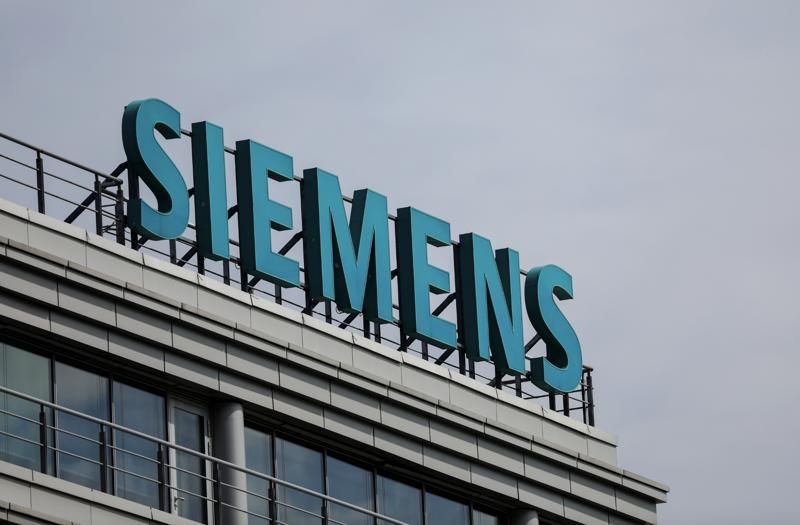
Siemens’ B2G contracts not only help the company maintain a stable revenue stream but also allow it to participate in projects of great importance to the community. For instance, Siemens has supplied subway systems for major cities and renewable energy solutions for countries, helping to minimize environmental impact. Collaborating with governments has significantly contributed to Siemens’ sustainable development while expanding its global operational scale. These large government contracts not only help Siemens solidify its market position but also enhance the company’s reputation in the technology and infrastructure sectors.
Examples of successful B2G models in Vietnam
Viettel and its technology projects
Viettel, one of the largest telecommunications and technology corporations in Vietnam, is a prime example of a successful B2G model. Viettel not only serves individual customers but also provides technology services and products to the government, making significant contributions to national infrastructure development projects.
Viettel has collaborated with Vietnamese government agencies on numerous major technology projects, from developing the national telecommunications network to providing information technology solutions for state agencies. A typical example is Viettel’s participation in Vietnam’s “E-Government” project, where the company supplies software solutions, network systems, and support services for state administrative bodies. Viettel also participates in telecommunications infrastructure development projects and provides internet services to rural and remote areas to promote balanced development across the country.
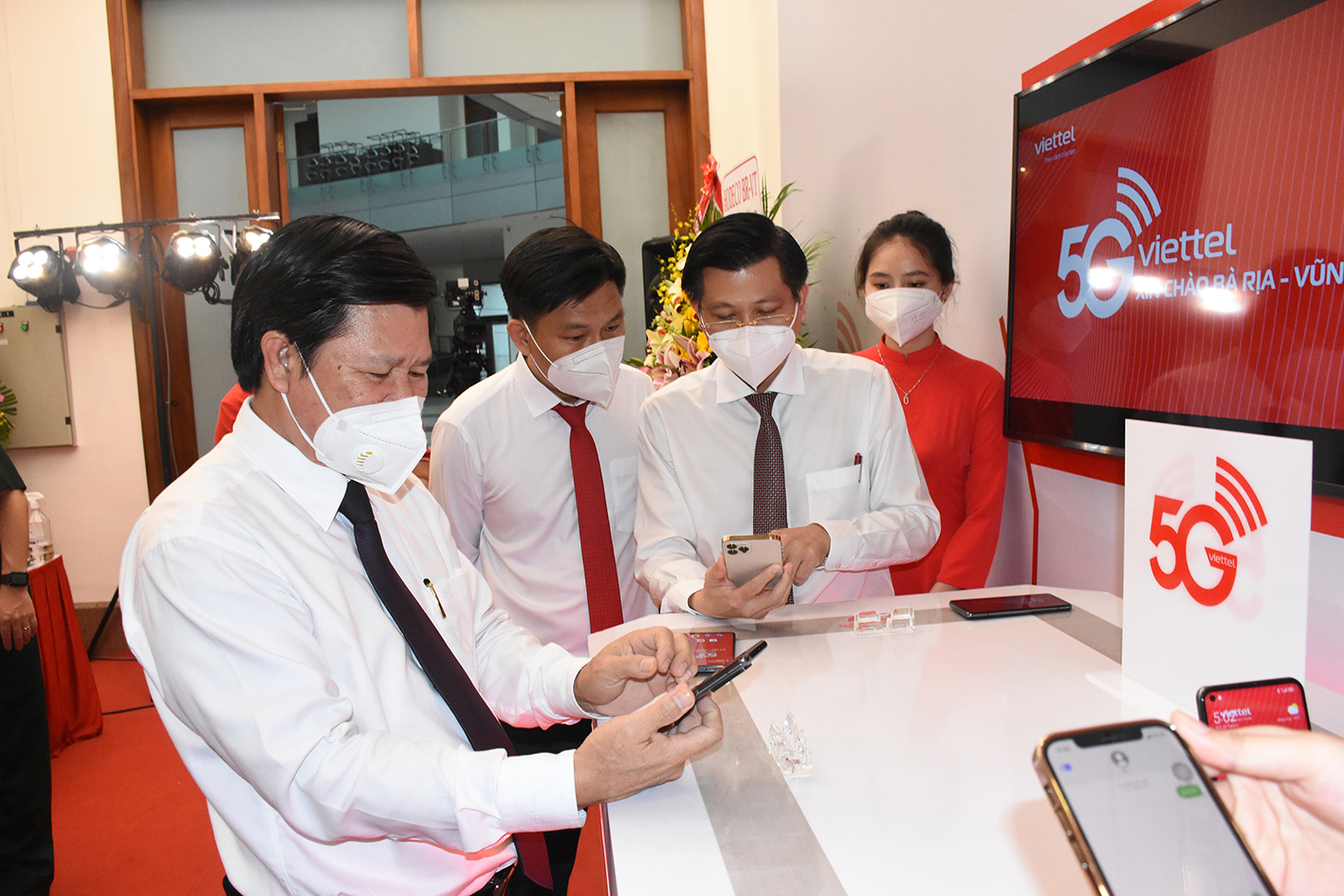
The collaboration between Viettel and the government has yielded many positive results. The information technology and e-government projects have helped improve the operational efficiency of state agencies, enhancing management capabilities and the interaction between the government and its citizens. Viettel has also contributed to developing telecommunications infrastructure, improving the quality of internet and telecom services in disadvantaged areas, and promoting socioeconomic development.
Participating in B2G projects has helped Viettel solidify its position as one of the leading technology enterprises in Vietnam, while also expanding its market and increasing revenue from long-term government contracts. Viettel also benefits from the government’s trust and reputation, which creates more opportunities for future collaborations.
FPT and the Student Management Information System (VNEDU) project
One of FPT’s successful projects in the B2G model is the Student Management Information System (VNEDU), a platform that supports the management of educational information for educational institutions and the government.
This project aims to enhance the efficiency of managing students, lecturers, and educational data in schools. The system allows educational agencies to manage student information, grades, schedules, exam scores, scholarships, and other education-related activities.
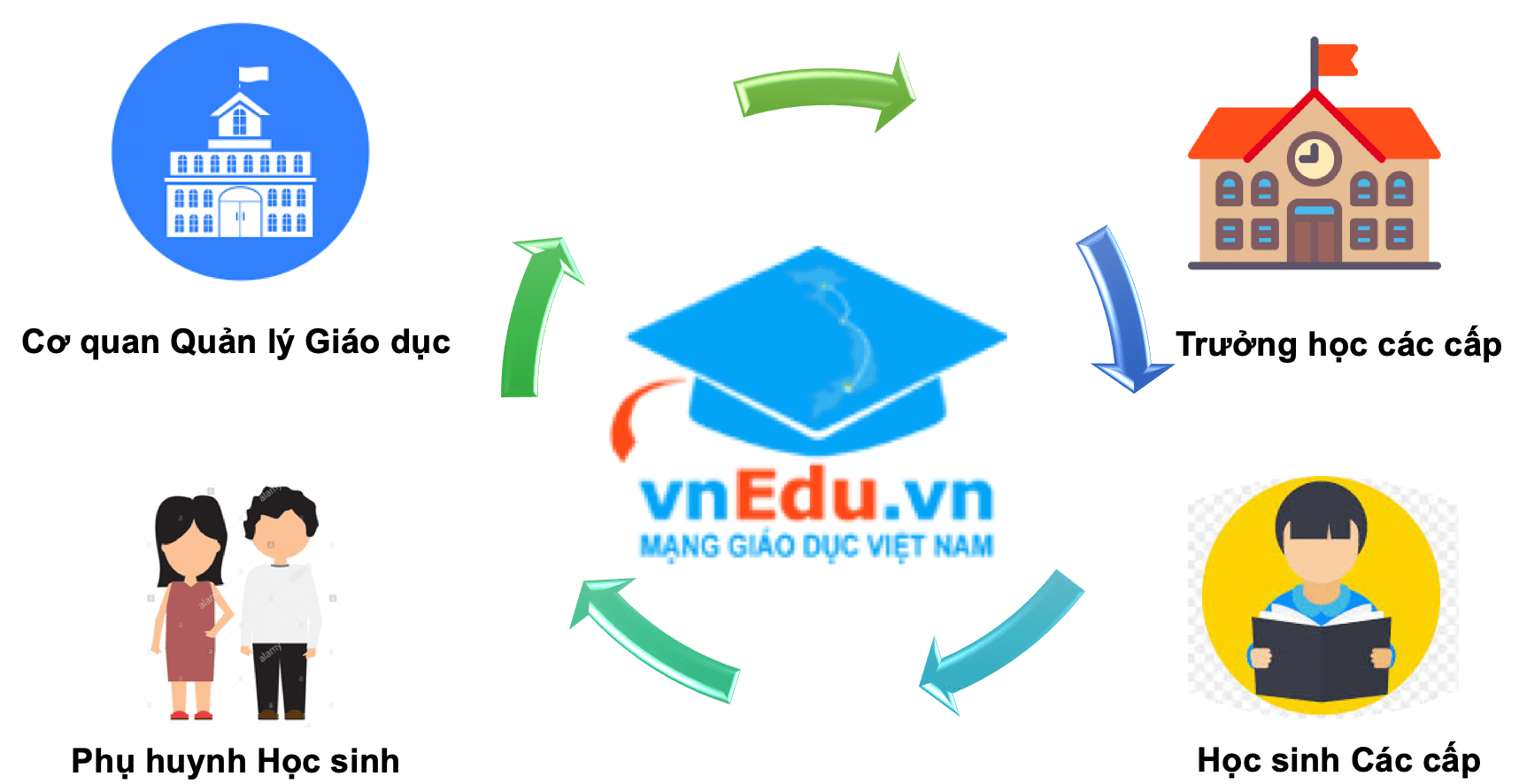
FPT provides software solutions and implementation support services, including training for education administrators, system maintenance, and developing new features to meet the changing needs of educational agencies. The government acts as the director and provides the budget for the project, while FPT takes on the role of providing the technology solution and implementing the system.
The VNEDU project has achieved many positive results for both the government and FPT:
- Improved efficiency in education management: VNEDU helps educational agencies manage student information more accurately and effectively. Schools and educational institutions can easily access student data, grades, and other important information, saving time and improving work efficiency.
- Simplified administrative processes: The system helps minimize administrative procedures, creating convenience for students, parents, and teachers in tracking and managing educational activities. This also helps educational agencies enhance transparency and accuracy in student management.
- Increased reputation and market share for FPT: Through this project, FPT not only solidified its position as a leading technology solutions provider for the government but also increased its revenue and expanded its market share in the education sector. Collaborating with the government has enhanced FPT’s reputation and opened up opportunities for similar projects in other fields.
Future Development Trends of B2G
In the future, the B2G model is expected to continue its strong growth, with many new trends emerging.
Digital Transformation with B2G
One of the most prominent trends is digital transformation. Governments worldwide are increasingly turning to digital technology to improve management efficiency. This opens up many opportunities for technology companies to provide solutions to the government.
Strengthening Public-Private Partnerships
The trend of public-private partnerships (PPP) is also on the rise, as governments seek to mobilize resources from the private sector to implement large-scale projects. Businesses can leverage this opportunity to participate in major projects, yielding significant economic benefits.
Focus on Sustainable Development
An increasing number of businesses are focusing on sustainable development in B2G projects. Governments are also establishing more environmental and social criteria, and businesses must meet these requirements to participate in such projects.
———————————
The B2G model is opening up many new opportunities for Vietnamese businesses in the context of globalization and digital transformation. The financial, reputational, and social benefits that this model offers can help businesses not only survive but also thrive in the future.
With the rapid changes in the business environment, grasping trends and pursuing sustainable development will be the key to helping businesses grow within the B2G model in the future.
















