


 10/05/2026
  168 views
The Chief Operating Officer is a crucial position in a business, responsible for ensuring the operational system runs smoothly and efficiently. If you want to clearly understand the role of a COO and the specific tasks of this position, this article will help you quickly grasp the core points.
Mục lục
- 1. Overview of the Chief Operating Officer (COO) Position
- 2. Detailed Job Description for the COO Position
- 3. The Role of the Chief Operating Officer
- 4. Job Requirements
- 5. Required Skills
- 6. Salary and KPIs
- 7. Interview Questions for the Operations Director Position
- 8. The Importance of a COO to Corporate Strategy and Culture
1. Overview of the Chief Operating Officer (COO) Position
The Chief Operating Officer (COO) is the person who manages and operates all activities within a business. They play a crucial role in building the corporate structure, establishing policies, culture, vision, and standards for the organization’s operations. The ultimate goal is to ensure that teams and departments operate as effectively as possible to achieve long-term development and sustainable growth.
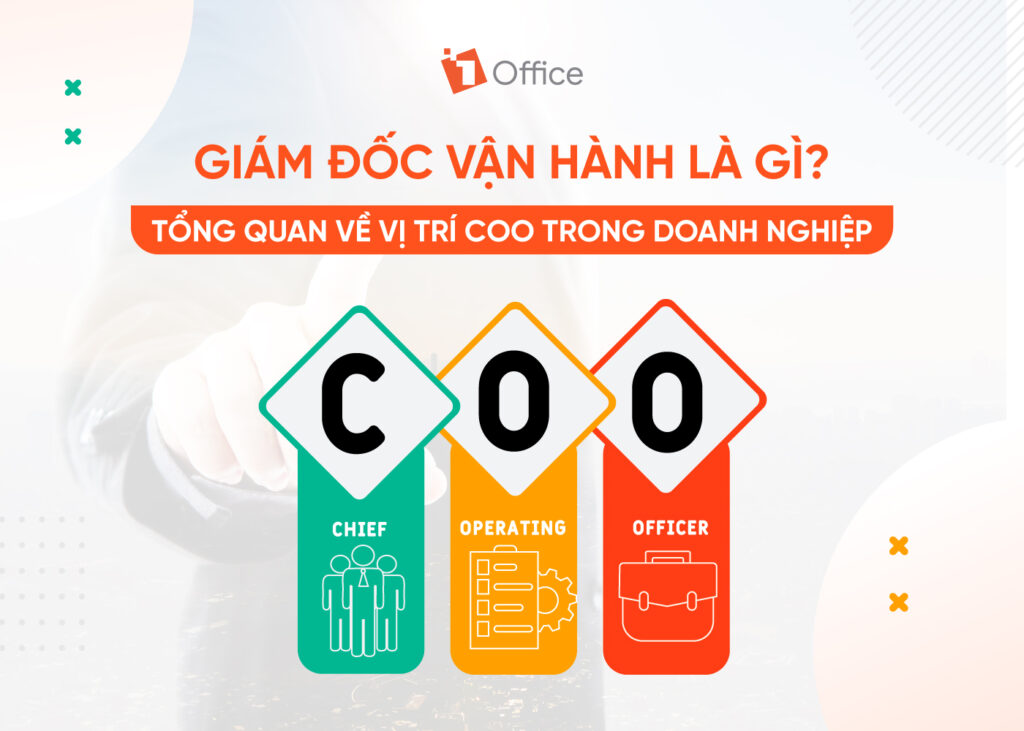
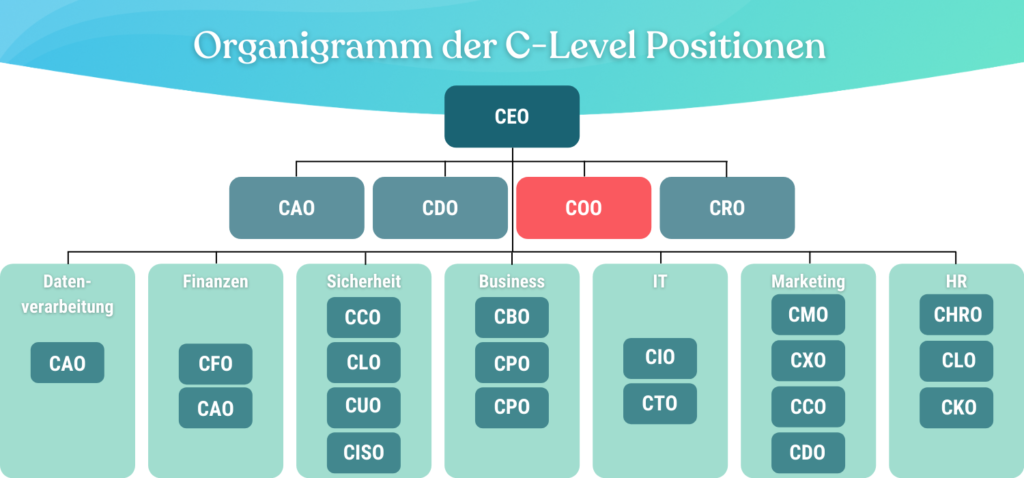
The Chief Operating Officer is a senior management position, second in command within the company’s management structure, under the leadership of the Chief Executive Officer (CEO). In any organization, the COO is considered the right-hand person, an effective assistant to the CEO, supporting the operation of the internal organizational structure.
| Criteria | Chief Operating Officer – COO | Chief Executive Officer – CEO |
| Role and Responsibilities | The Chief Operating Officer is responsible for the daily operations of the business and ensures synchronized development across all aspects of the organization. They manage functional departments such as operations, production, human resources, finance, etc.
The COO’s role focuses on strategic management, operational management, process optimization, and enhancing organizational performance. |
The Chief Executive Officer is the head and has the highest authority in the organization. The CEO is responsible for leadership, planning, setting development direction, strategic management, and defining the company’s vision and goals.
The CEO focuses on the overall management of the organization, shareholder relations, risk management, and building relationships with other stakeholders. |
| Scope of Responsibility | The COO typically focuses on running internal operations, managing and optimizing production, operational, and HR processes. They are responsible for ensuring efficiency and enhancing the productivity of employees and work processes. | The CEO is responsible for overall management, defining strategy, long-term vision, and development plans for the business. They are the one who sets the direction and oversees all activities of the organization to achieve sustainable development goals. |
| Management Level | The COO is someone with in-depth management experience in certain specific functions, and does not necessarily need to have experience in overall business management. | The CEO is someone with experience in overall management and strategic direction for the business. They have a high level of management expertise and often have leadership experience before becoming CEO. |
Comparison table of COO and CEO positions
2. Detailed Job Description for the COO Position
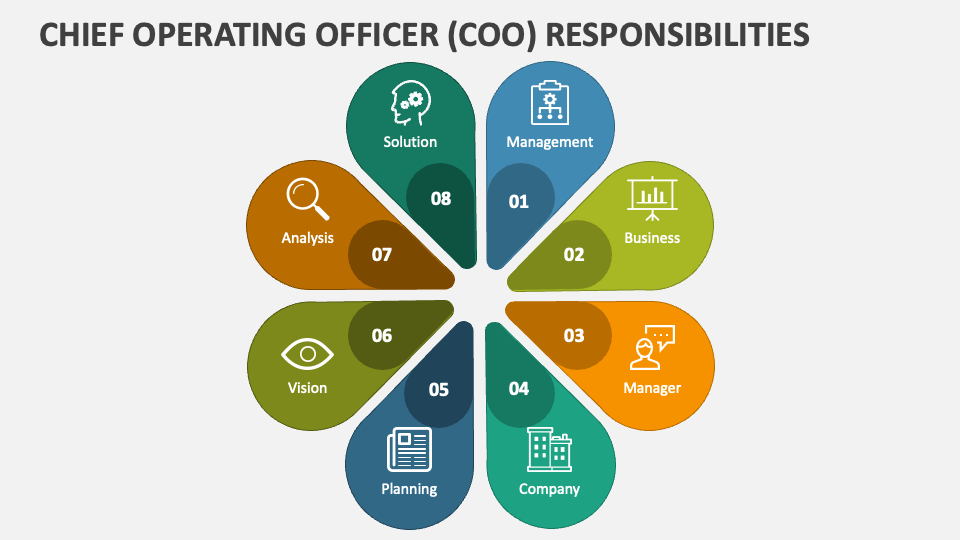
The responsibilities of a Chief Operating Officer (COO) are quite diverse and depend on the specific requirements and characteristics of the business. Below is a job description for this position:
- Collaborate with the CEO to establish and promote the company’s strategic vision, ensuring synchronized development across all aspects of the organization.
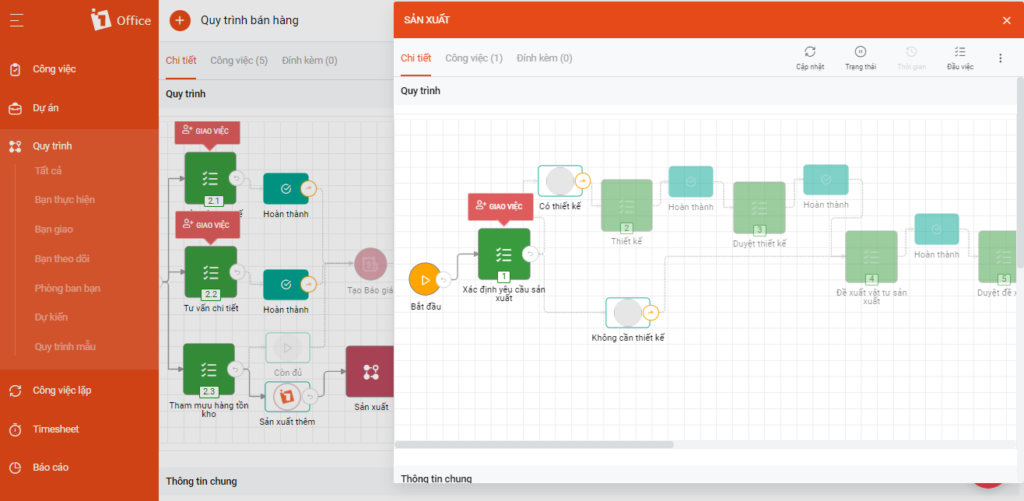
- Manage the daily operations of the business, while establishing effective work processes to optimize performance and work quality.
- Develop plans, participate in discussions, propose, formulate, and implement business strategies to achieve the organization’s overall objectives.
- Lead the staff, effectively manage recruitment, training, and employee development activities to meet the organization’s human resource needs.
- Ensure compliance with business regulations, legal provisions, and rules related to the company’s operations.
- Manage relationships with customers, partners, and suppliers with the goal of ensuring customer satisfaction and building trust in collaborations.
- Develop and implement appropriate HR policies, regulations, or systems to maintain and develop the company’s culture and vision.
3. The Role of the Chief Operating Officer
The role of the Chief Operating Officer (COO) is to manage and oversee all business operations to ensure efficiency and sustainable growth. Here are some of the main roles of a COO:
Daily Operations Management: The COO is responsible for managing and directing the organization’s business activities. This includes overseeing processes, managing staff and resources, and ensuring that operational goals are met.
Process and Quality Management: The COO must ensure that business processes are established and executed effectively. They need to review and improve processes to enhance efficiency, minimize errors, and ensure the quality of products or services.
Resource Management: This includes budgets, human resources, materials, and equipment to ensure the effective use of these resources and optimize the organization’s operational efficiency.
Employee Management: This includes the process of recruiting, training, orienting, and evaluating employee performance, with the goal of building a positive work environment that encourages employee development and contribution.
Customer Relationship Management: Ensuring product or service quality and enhancing customer satisfaction. They need to shape and maintain strong customer relationships and facilitate feedback and improvements from customers.
Leadership and Coordination: The COO plays a leadership and coordination role among departments within the organization. The COO needs to work with other employees and leadership to achieve alignment in strategy execution and operational management.
In summary, the Chief Operating Officer undertakes many important roles – an effective right-hand to the CEO. They are responsible for building and allocating strategies for personnel, monitoring operational progress, securing company resources, closely managing goods and services, and many other related tasks to ensure the business operates effectively.
4. Job Requirements
Education Level: A Bachelor’s degree in related fields such as business administration, corporate management, human resource management, or an equivalent field. A Master’s degree or MBA is an advantage.
Work Experience: At least 10 years of work experience in operations management, supply chain management, production management… (depending on the industry of the business). Or a minimum of 5 years of senior management experience, with 3 years in a COO or similar management position.
Industry Experience: In-depth knowledge of the organization’s industry and field of operation, including processes, regulations, and industry trends. For example, in the manufacturing industry, knowledge of production process management and factory operations is required.
In addition to educational and work experience requirements, the COO position also demands many important skills such as leadership, management, work organization, analysis, problem-solving, technological understanding, and the ability to apply technology.
5. Required Skills
Here are the important skills a Chief Operating Officer needs:
- Leadership ability: The skill to provide direction, inspire, and create conditions for employees to develop and achieve organizational goals.
- Strategic management: The ability to assess the business environment, grasp market trends, and make appropriate strategic decisions.
- Operations management: The ability to manage personnel, resources, and work processes to ensure efficiency and increase productivity.
- Human resource management: The ability to recruit, train employees, provide job orientation, evaluate performance, and build a positive work environment.
- Financial management: The ability to manage budgets, forecast finances, and evaluate the organization’s financial performance.
- Process and performance management: The ability to evaluate and establish effective work processes and regulations.
- Communication and interaction: The ability to convey information, listen, persuade, and resolve conflicts.
- Analysis and decision-making: The ability to analyze information and make decisions based on available data and information.
- Change management: The ability to lead the organization through changes, handle difficulties, and seek new opportunities.
- Relationship building and teamwork: The ability to build and maintain good relationships with partners and work in a multicultural environment.
- Risk management: The ability to identify, assess, and mitigate potential risks while responding flexibly in case of incidents.
- Organization and time management: The ability to prioritize tasks and allocate time for important duties.
6. Salary and KPIs
Salary for the Chief Operating Officer position:
In reality, the salary for a Chief Operating Officer (COO) can range from about 50 – 70 million VND/month, which is an average salary surveyed in Vietnamese enterprises. However, the specific salary will be negotiated and agreed upon between the candidate and the company. Some companies may offer a lower salary starting from around 30 million VND/month, while others may be willing to pay a higher salary of up to 150 million VND/month.

In summary, the salary for a COO will depend on the job requirements, company size, industry, and geographical location. However, the COO’s salary is typically among the highest compared to the average salaries of other management positions within the company.
KPIs for this position:
KPI template for the CEO position is applied based on the goals, strategies, and specific requirements of the business. They are usually developed during the planning and organizational direction process and are regularly monitored and evaluated to ensure progress and achievement of organizational goals.

Some important KPIs for the COO position include:
- Overall Equipment Effectiveness (OEE)
- Customer Satisfaction Index (CSI)
- Customer Conversion Rate
- Product Development Index
- Risk Management Index
- Innovation Index
- Information Security Index
- Inventory Shrinkage Rate (ISR)
- Project Schedule Variance (PSV)
- Project Cost Variance (PCV)
- Earned Value Metric
- Time to Market
- First Pass Yield (FPY)
- Order Fulfillment Cycle Time.
7. Interview Questions for the Operations Director Position
| No. | Question | Evaluation Criteria |
| 1 | In your opinion, what is the role of a Chief Operating Officer? | Assess the understanding of the COO’s role in each business, including managing daily operations, implementing overall strategy, and supporting the CEO… |
| 2 | What is your experience in managing and overseeing the daily operations of an organization? | Evaluate the level and depth of their experience in managing and overseeing the daily operations of their previous organizations. |
| 3 | How do you ensure efficiency and enhance the productivity of employees and work processes? | Assess the ability to optimize performance, employee productivity, and work processes through appropriate methods, technologies, and procedures. |
| 4 | Please share an example where you successfully optimized a work process or improved performance in an organization you worked for. | Evaluate a specific case regarding the results achieved in optimizing work processes or achieving sustainable growth for a previous organization. |
| 5 | How do you coordinate with the CEO and other members of the leadership team to ensure synchronized development and promote the organization’s vision and strategy? | Assess their conduct during the interview and their ability to coordinate with the CEO and other members of the leadership team in previous roles. |
| 6 | How do you ensure compliance with business regulations, laws, and rules related to the company’s operations? | Assess the ability to build and maintain policies, regulations, and systems to ensure compliance with business regulations, laws, and rules related to the company’s operations. |
| 7 | Please share an example where you successfully developed and implemented a plan or strategy to achieve strategic goals and sustainable growth for a business. | Evaluate a specific case where the candidate successfully developed and implemented a plan or strategy and the results it brought to the business. |
| 8 | How do you manage and develop employees, ensuring they are a good fit and meet the organization’s human resource needs? | Assess the candidate’s ability to manage and develop employees, including evaluating and developing the capabilities and performance of team members. |
| 9 | How do you build and implement HR policies, regulations, and systems to maintain and develop the organizational culture and the company’s vision? | Evaluate previous experience in building and implementing HR policies, regulations, and systems to maintain and develop the organizational culture and the company’s vision. |
| 10 | Please share an example where you successfully led and managed a team, evaluating and developing the capabilities and performance of its members. |
Interview questions and suggested evaluation criteria for the COO position
8. The Importance of a COO to Corporate Strategy and Culture
The Chief Operating Officer (COO) is responsible for ensuring all business operations run smoothly and efficiently, while linking business strategy with daily execution. This role is not just limited to process management but also shapes the work culture and organizational spirit, helping the business achieve its long-term goals sustainably.
8.1. The COO Connects Strategy with Operations
The COO ensures that the company’s strategic goals are implemented across every department and employee. They plan, allocate resources, monitor progress, and ensure all activities align with the business direction.
-
Example: If a company wants to expand its online market, the COO will adjust the sales, logistics, and customer care processes to ensure all activities support this goal, from recruiting staff and assigning tasks to tracking KPIs.
8.2. The COO Shapes Corporate Culture
The operational processes and standards established by the COO encourage employees to work proactively, responsibly, and transparently. Employees not only perform tasks but also understand the goals, self-monitor their progress, and collaborate effectively.
-
Example: The COO establishes a periodic KPI evaluation process, assigning tasks clearly and transparently. Employees track their own progress and coordinate between departments, creating a culture of autonomy rather than fear of being monitored.
8.3. The COO Helps Maintain Alignment Between Strategy and Culture
Every strategic initiative is implemented by the COO in a way that aligns with the company’s values and culture, helping employees understand their role in the overall success. This increases engagement, a collaborative spirit, and company-wide work performance.
-
Example: When the COO implements a strategy to optimize internal processes, employees see clear results from the process improvements and understand that their efforts directly contribute to the company’s success.

We hope this article from 1Office has provided all the necessary information about the job description, role, requirements, and skills needed for a Chief Operating Officer. We hope your business will have a better understanding of this position and develop strategic directions and a vision for more sustainable business development in the future. We wish your business success!
















