11/05/2026
  336 views
In the modern business environment, employee competency assessment plays an extremely important role. Employee competency assessment is not just about determining an employee’s abilities; it is also a powerful tool that helps businesses identify the strengths and weaknesses of their workforce, enabling them to develop appropriate training and development strategies. So, what is the importance of employee competency assessment, and how can it be implemented effectively? Let’s find out in this article.
Mục lục
- Understanding Employee Competency Assessment Correctly
- The Importance of Regular Competency Assessments
- Comprehensive Criteria for Evaluating Employee Competency
- Effective and Easy-to-Apply Methods for Employee Competency Assessment
- What Businesses Need to Prepare Before Assessing Employee Competency
- Factors That Can Affect Evaluation Results
- Common Mistakes in Employee Competency Evaluation and How to Fix Them
- 1Office – The Digital Solution for Accurate, Effective, and Transparent Personnel Evaluation
- Conclusion
Understanding Employee Competency Assessment Correctly
Employee competency assessment is not merely an administrative procedure but a process of identifying, measuring, and developing the work performance of each individual in the organization. The essence of this activity is to take a comprehensive view of the abilities, skills, and contributions of employees towards the company’s overall goals.

An effective assessment system will help:
- Clearly identify the strengths and weaknesses of each employee
- Provide information for making decisions on compensation, rewards, and promotions
- Create a foundation for sustainable human resource development
- Improve the productivity and work efficiency of the entire organization
Unlike the traditional, judgmental concept of “assessment,” modern employee competency assessment is geared towards development and support. It is an important tool that helps both the business and its employees progress together.
The Importance of Regular Competency Assessments
Regularly assessing employee competency brings many practical benefits for both the business and the employees:
For the business:
- Provides a comprehensive picture of the quality of the human resources
- Supports the planning of employee training and development
- Creates a basis for fair and transparent HR decisions
- Helps maintain and improve labor productivity
For employees:
- Receive clear feedback on their work performance
- Clearly understand the organization’s expectations and their career development path
- Have the opportunity to discuss personal goals and necessary support
- Have their contributions fairly recognized
In a competitive business landscape, companies that conduct regular competency assessments tend to retain talent better and achieve higher productivity. Especially for startups, early competency assessment helps build an effective work culture from the very beginning.
Comprehensive Criteria for Evaluating Employee Competency
To comprehensively assess employee competency, businesses need to build a set of criteria that balances the following factors:
1. Work Performance
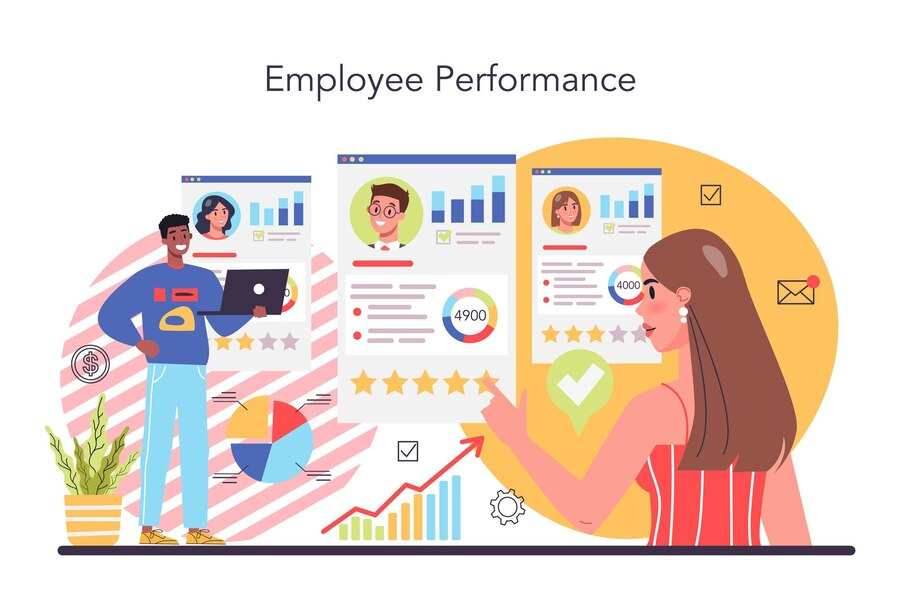
Work performance is a direct measure reflecting an employee’s level of task completion. To evaluate it effectively, businesses need to consider the following aspects:
- Quality and quantity of completed work: Does the employee meet the quality requirements for their work? Is the number of completed tasks appropriate for the assigned workload?
- Ability to meet deadlines and goals: Does the employee complete work on time and achieve the set goals? This demonstrates their ability to manage time and prioritize tasks.
- Effective use of resources: Does the employee know how to optimize resources such as time, budget, and support tools to achieve the best results?
- Level of autonomy in work: Can the employee organize and perform tasks independently without constant supervision? This indicates independence and responsibility in their work.
Performance evaluation should be based on specific indicators (KPIs), combined with feedback from direct managers and colleagues to ensure fairness.
2. Professional Skills
Professional skills are the foundation that helps employees complete their work effectively. To accurately assess professional competence, businesses need to focus on the following factors:
- Specialized Knowledge: Does the employee have a firm grasp of the knowledge related to their field of work? For example, a marketing employee needs to understand the market, customers, and advertising strategies.
- Ability to Apply Knowledge in Practice: Beyond just theory, employees need to know how to apply their knowledge to real-life situations to solve problems or create value.
- Proficiency with Tools and Work Methods: Is the employee proficient in using tools like project management software, design software, or modern work methodologies (Agile, Lean)?
- Problem-Solving Ability: When faced with challenges, can the employee come up with effective and creative solutions?
Businesses can use skills tests, real-world projects, or customer feedback to accurately measure professional competence.
3. Soft Skills
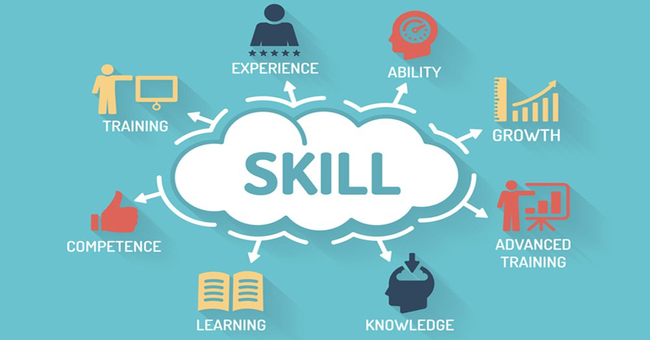
Soft skills play a crucial role in building an effective and cohesive work environment. The soft skills that need to be assessed include:
- Communication and Teamwork Skills: Can the employee communicate ideas clearly and coordinate well with colleagues and partners? This skill is especially important in group projects.
- Critical and Creative Thinking: Does the employee have the ability to analyze problems from multiple perspectives and propose innovative ideas?
- Adaptability to Change: In a dynamic business environment, is the employee willing to learn and adjust to meet new requirements?
- Time Management and Work Organization Skills: Does the employee know how to organize work logically, prioritize important tasks, and meet deadlines?
To assess soft skills, businesses can use situational tests, observe behavior at work, or gather feedback from colleagues.
4. Attitude and Motivation
Attitude and motivation are decisive factors in an employee’s dedication and commitment to the organization. The evaluation criteria include:
- Sense of Responsibility and Proactiveness: Does the employee proactively complete work without needing reminders? Do they take responsibility for their work results?
- Enthusiasm and Positivity: Does the employee show an optimistic attitude and a willingness to contribute to the team and organization?
- Ability to Accept Feedback and Improve: Does the employee receive feedback positively and improve themselves based on it?
- Commitment to the Organization’s Values and Goals: Does the employee share and act in accordance with the company’s core values?
Businesses can assess attitude through periodic interviews, internal surveys, or by observing the employee’s daily behavior.
5. Development Potential
Assessing development potential helps businesses identify which employees are capable of taking on higher roles in the future. Factors to consider include:
- Ability to Learn and Absorb New Knowledge: Does the employee quickly grasp new skills or information? Do they participate in training courses to enhance their capabilities?
- Proactiveness in Self-Development: Does the employee set personal development goals and strive to achieve them?
- Leadership and Inspirational Ability: Does the employee show leadership qualities, such as the ability to guide colleagues or boost team morale?
- Willingness to Take on Greater Responsibility: Is the employee willing to take on new, more challenging tasks to advance their career?
To assess potential, businesses can use leadership competency tests, in-depth interviews, or assign challenging projects to observe the employee’s abilities.
Note that these criteria need to be adjusted to fit each position, department, and industry-specific characteristic. A technical employee will have a different set of evaluation criteria compared to a marketing or customer care employee.
Effective and Easy-to-Apply Methods for Employee Competency Assessment
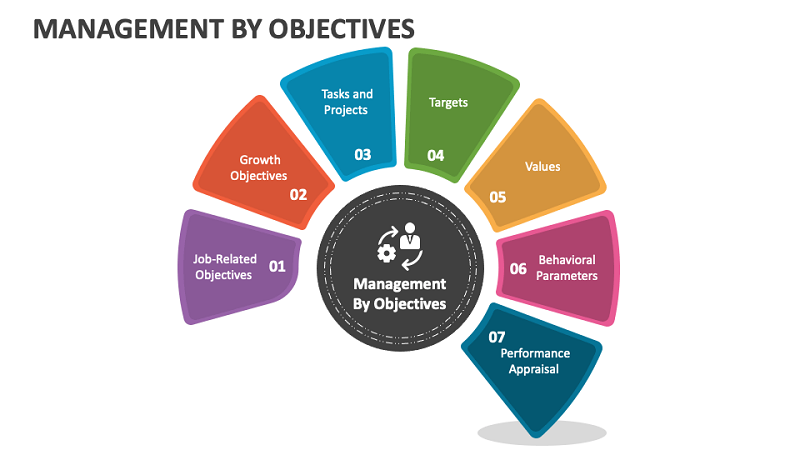
1. Management By Objectives (MBO)
MBO is an evaluation method based on setting and measuring specific objectives. This process includes:
- Defining objectives: Leaders and employees mutually agree on the objectives to be achieved within a specific period.
- Tracking progress: Monitoring the implementation process and making adjustments as needed.
- Evaluating results: Measuring the extent to which the set objectives have been completed.
Advantages:
- Focuses on specific results
- Employees clearly understand expectations and responsibilities
- Encourages autonomy and creativity
Best suited for: Positions where results can be measured numerically, such as sales, marketing, and production.
2. Assessment Center Method
This is a comprehensive evaluation method using various simulation activities and exercises:
- Scenario design: Creating exercises that simulate real-world job tasks.
- Observation and evaluation: Multiple assessors observe and record performance.
- Multi-dimensional feedback: Evaluation based on multiple perspectives.
Advantages:
- Comprehensive assessment of multiple aspects
- Minimizes personal bias
- Identifies leadership potential
Best suited for: Evaluating candidates for management, leadership, or positions requiring complex skills.
3. Behaviorally Anchored Rating Scales (BARS)
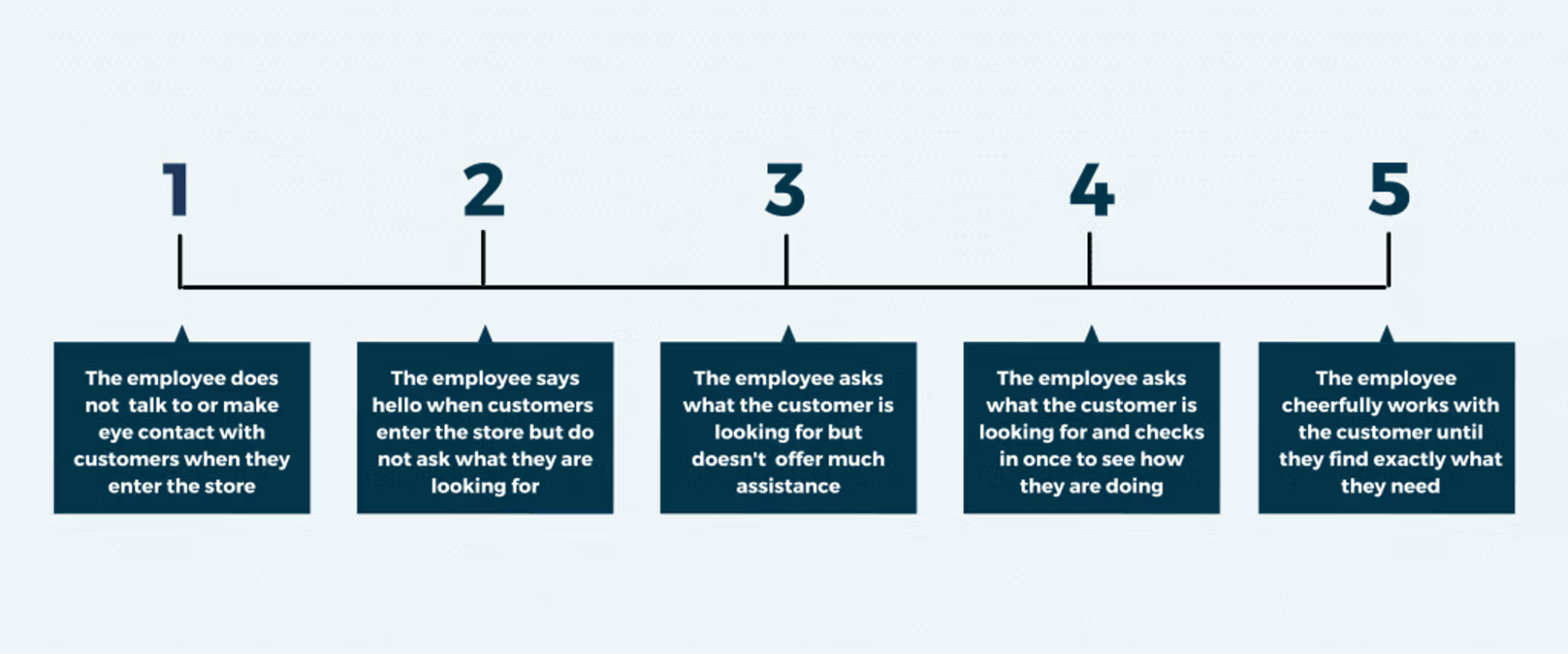
BARS is an evaluation method based on specific behavioral criteria:
- Scale development: Clearly defining different performance levels through specific behavioral examples.
- Observation and recording: The assessor looks for corresponding behaviors from the employee.
- Objective evaluation: Comparing actual behavior with the established scale.
Advantages:
- Reduces subjectivity in evaluations
- Provides clear standards
- Facilitates specific feedback
Best suited for: Customer service, customer care, and direct sales positions.
4. Employee Competency Assessment Using KPIs (Key Performance Indicators)
KPI is an evaluation method based on key performance indicators:
- Defining KPIs: Establishing key performance indicators for each position.
- Tracking metrics: Continuously monitoring and collecting data.
- Analysis and evaluation: Comparing actual results with set targets.
Advantages:
- Easy to measure and quantify
- Objective and transparent
- Directly linked to business goals
Best suited for: Most positions that can be measured numerically, especially in sales, marketing, and production departments.
What Businesses Need to Prepare Before Assessing Employee Competency
For the employee competency assessment process to be effective, fair, and transparent, businesses need to prepare thoroughly and have a clear strategy. Below are the important steps a business should take before conducting employee evaluations.
1. Define Evaluation Objectives
Before starting the evaluation process, defining clear objectives is the first and most crucial step. The business needs to clearly understand why it is conducting employee evaluations and the desired outcomes from this process.
- Clarify the reason for the evaluation: The purpose of an evaluation can be diverse: from assessing for promotions, identifying leadership potential, to improving professional competence or determining training needs. Each objective will influence how the evaluation is conducted, the criteria used, and the methods applied.
- Define desired outcomes: The business needs to define specific outcomes from the evaluation process. For instance, the company might want to develop a team with better leadership skills or improve overall work performance. Setting specific outcomes helps in building appropriate evaluation criteria and methods.
Clearly defining objectives and desired outcomes will make the evaluation process more focused and easier to track.
2. Design a Suitable Evaluation System
An effective employee evaluation system requires detailed and thorough design. This is a core element that ensures objectivity and effectiveness in the evaluation process.
- Develop evaluation criteria for each position: Evaluation criteria must be specifically defined for each job title in the company. For example, the criteria for evaluating a salesperson may differ from those for a manager. The criteria must be clear and measurable, including professional skills, communication skills, leadership ability, teamwork spirit, and other factors.
- Choose appropriate evaluation methods: Based on the evaluation objectives and criteria, the business needs to select suitable evaluation methods. Common methods include Management by Objectives (MBO), Assessment Centers, and Behaviorally Anchored Rating Scales (BARS). Each method has its own advantages and applications, and choosing the right one will ensure accurate and fair evaluations.
- Establish the evaluation process and timeline: The evaluation process needs to be clearly designed, including specific steps such as data collection, assessment, results analysis, and feedback for employees. The evaluation timeline also needs to be clearly defined so that all parties involved can prepare well and adhere to the schedule.
3. Train the Evaluators

To ensure the evaluation process is fair and effective, the evaluators must be adequately trained. Training will equip evaluators with the necessary knowledge and skills to perform their tasks accurately and objectively.
- Train on objective evaluation skills: Evaluators need to be trained on how to assess fairly, avoid bias, and focus on clear evaluation criteria. This skill is crucial, as subjective assessments can lead to skewed results and affect fairness within the organization.
- Provide guidance on using evaluation tools: If the business uses specific software or tools for evaluation, evaluators must be instructed on how to use them effectively. Evaluation tools can include assessment forms, KPI systems, or specialized software for tracking employee performance.
- Raise awareness of common errors: During the evaluation process, evaluators may make common mistakes such as unfair assessment, lack of objectivity, or inconsistency in criteria. Raising awareness of these errors will help evaluators perform their duties to the best of their ability.
4. Communicate with Employees
To ensure the evaluation process is transparent and employees feel at ease, the business must have a clear and effective communication strategy.
- Clearly explain the purpose of the evaluation: Employees need to understand why they are being evaluated and what the objectives are. Clarifying the evaluation’s purpose will help employees feel it is fair and trust the evaluation system.
- Explain the process and evaluation criteria: The business should provide employees with detailed information about the evaluation process and the criteria that will be applied. This helps employees prepare better and reduces feelings of anxiety or uncertainty about the evaluation.
- Emphasize transparency and fairness: Businesses need to ensure that the evaluation is transparent, fair, and based on clear criteria. Employees will feel more secure knowing they are being evaluated fairly, without being influenced by subjective factors.
5. Prepare Tools and Documents
Finally, businesses need to prepare all the necessary tools and documents to support the evaluation process.
- Evaluation forms, report templates: Evaluation forms and report templates must be designed to align with the evaluation criteria and be easy to use. This helps evaluators easily record information and provide accurate feedback.
- Data storage and analysis system: Businesses need to build a system for storing evaluation data, making it easy to track each employee’s evaluation process, analyze results, and make strategic decisions. An effective data storage and analysis system also facilitates easy management and retrieval of information when needed.
- Schedule and implementation plan: Finally, businesses need to create a detailed plan for the timing and schedule of the evaluation. This schedule helps all stakeholders coordinate closely and ensures that every step in the evaluation process is completed on time.
Factors That Can Affect Evaluation Results
To ensure accuracy and fairness, businesses need to be aware of the factors that can affect evaluation results:
1. Subjective Errors from the Evaluator
- Halo effect: Rating all aspects highly based on one outstanding strength
- Central tendency bias: Hesitancy to rate too high or too low, leading to average results
- Recency bias: Focusing only on recent performance while ignoring the entire period
2. Work Context
- Working conditions and resources provided
- Changes in organizational structure or processes
- Pressure and challenges from the market
3. Employee’s Personal Factors
- Changes in personal life
- Health or psychological issues
- Relationships with colleagues and managers
4. Evaluation Criteria and Methods
- Relevance of criteria to the job position
- Reliability and validity of the evaluation tool
- Clarity and specificity of the criteria
Common Mistakes in Employee Competency Evaluation and How to Fix Them
1. Lack of Objective Evaluation
Mistake: Letting personal relationships or subjective impressions influence the evaluation.
Solution: Use factual data, diversify evaluation sources, and apply a standardized process.
2. Lack of Preparation and Feedback
Mistake: Conducting evaluations hastily, without specific feedback or direction for improvement.
Solution: Plan in detail, allocate sufficient time, and provide constructive feedback.
3. Focusing Only on Weaknesses
Mistake: Only focusing on areas for improvement while forgetting to acknowledge strengths. Solution: Apply the “sandwich feedback” principle – combining recognition of achievements with suggestions for improvement.
4. Unclear Evaluation Criteria
Mistake: Using vague, general, and difficult-to-measure criteria.
Solution: Develop SMART criteria (Specific, Measurable, Achievable, Relevant, Time-bound).
5. No Link to Development
Mistake: Only evaluating without a post-evaluation development plan.
Solution: Create a personal development plan based on the evaluation results.
1Office – The Digital Solution for Accurate, Effective, and Transparent Personnel Evaluation
Sign up for a free 1Office Demo account!
In the digital age, applying technology to personnel competency evaluation offers significant advantages. 1Office is one of the pioneering solutions in this field, helping businesses:
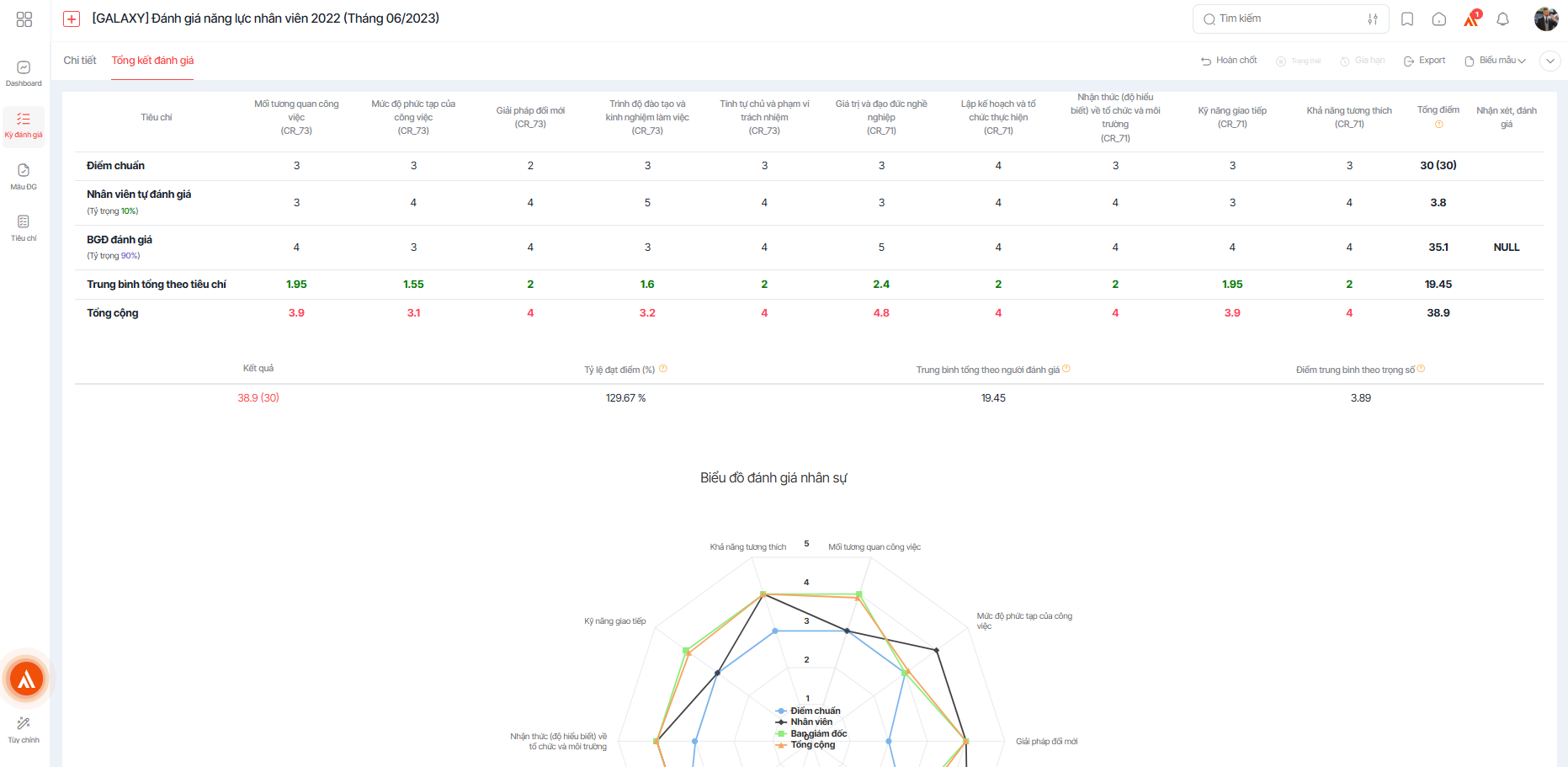
Automate the Evaluation Process
- Set up a flexible evaluation template system
- Automatically send reminders and collect feedback
- Update evaluation progress in real-time
In-depth data analysis
- Consolidate evaluation results from multiple sources
- Visualize data through charts and comparison tables
- Identify trends and correlations in performance
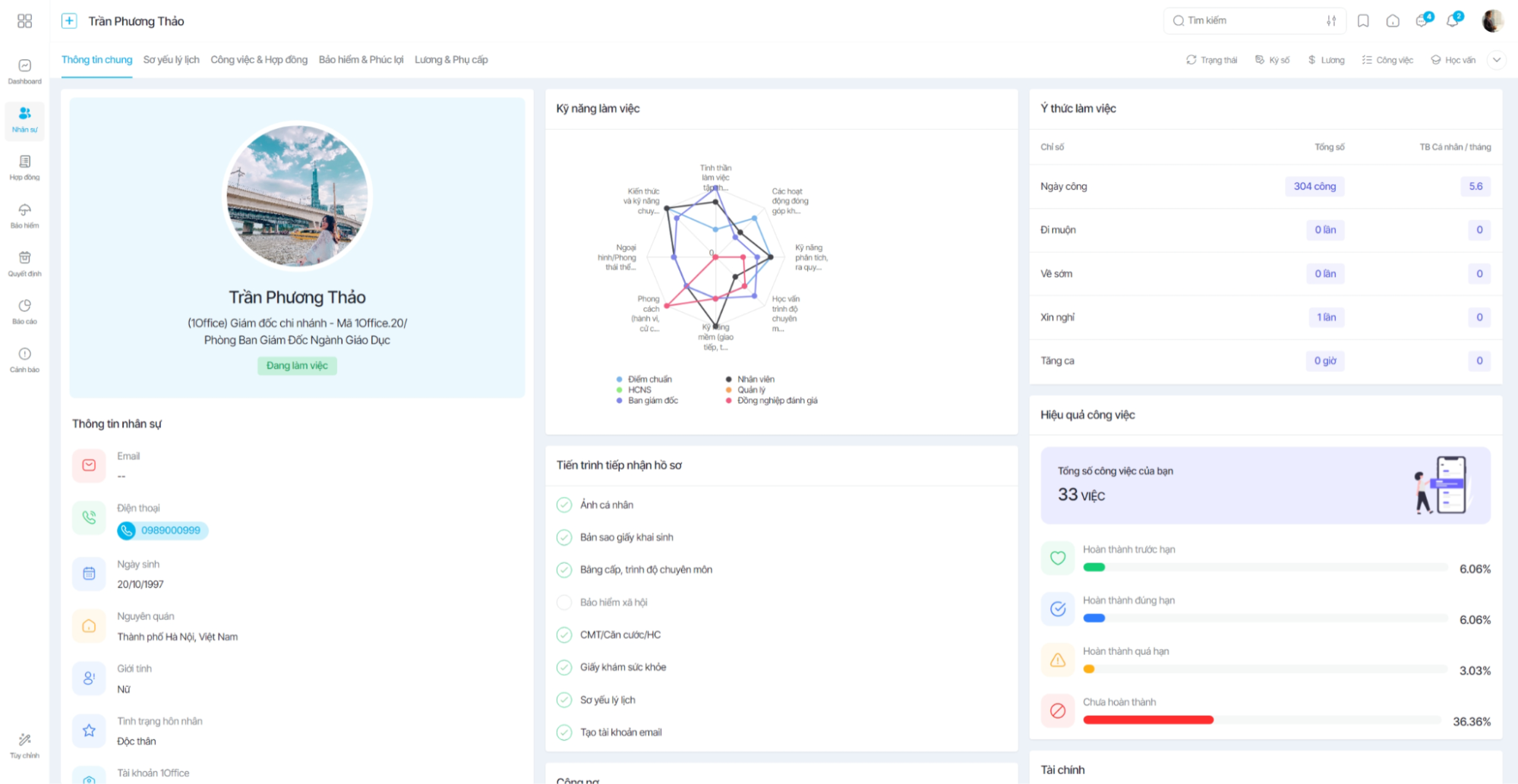
Human resource development management
- Link evaluation results to training programs
- Track employee progress over time
- Build personalized career development paths
Transparency and fairness
- Eliminate subjective factors in evaluations
- Apply consistent criteria for all employees
- Store evaluation history securely and make it easily accessible
For small and medium-sized enterprises, a digital solution like 1Office helps save time, resources, and increase management efficiency. In particular, this system supports remote evaluations – a crucial factor in today’s flexible working environment.
Conclusion
Employee competency assessment is not just an administrative activity but a strategic management tool. When implemented correctly, this process helps businesses discover potential, encourage development, and optimize human resources – the most valuable asset of any organization.