


 12/05/2026
  393 views
In the consumer retail industry, consumers and customers are the two groups that determine a business’s success or failure. Clearly understanding the difference between these two groups can help professionals evaluate business performance and understand how to approach the right target audience. In this article, 1Office will share details about what a consumer is, the differences compared to a customer, and analyze the behaviors and factors that directly influence the purchasing decisions of these two groups.
Mục lục
What is a Consumer? Real-life Examples of Consumers
A Consumer is an individual or organization that directly uses and consumes goods and products on the market without participating in the purchasing process.
They may not be the ones who decide to buy, but they are the end-users of the product or service.

Here are a few visual examples of consumers to help you understand better:
- A child uses a toy that their parents bought for them. → The parents are the customers, the child is the consumer.
- An employee in a company uses a work computer purchased by the company. → The company is the customer, the employee is the consumer.
- A person buys a phone for themselves and uses it. → That person is both a customer and a consumer.
- A family travels using airline tickets. → The family members are the consumers because they directly use the flight service.
- A patient takes medicine prescribed by a doctor. → The patient is the consumer, while the hospital or the individual who purchased the medicine could be the customer.
The Role and Influence of Consumers in the Market
What role do consumers play in the market?
Consumers are not just end-users; they also have a major influence on the production process. Consumer needs and wants determine what is produced and how businesses design their products.
Consumers also play a crucial role in driving competition among businesses. The variety of choices available to consumers encourages companies to improve their products and services to better meet customer needs.
How does consumer influence impact the market?
Influence on Pricing
Consumers determine the price point a business can set. If they perceive a product as high-value, the business can set a higher price to maximize profits.
Conversely, if the product does not meet their needs, consumers will look for other options, forcing the business to adjust its pricing strategy.
Influence on Marketing Strategy
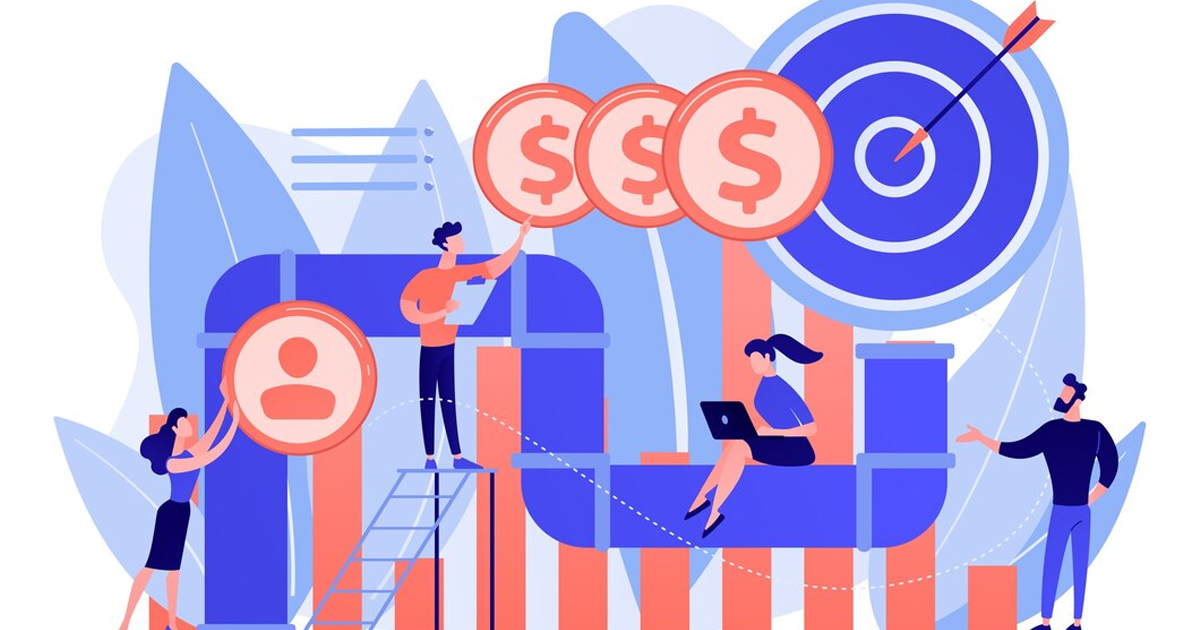
Consumers are at the center of every marketing strategy. Businesses need to clearly understand their needs and behaviors to create effective advertising messages.
A successful marketing campaign must create an emotional connection with consumers to drive purchasing decisions.
Driving Innovation
Consumers demand new products and experiences, forcing businesses to innovate continuously to maintain a competitive edge.
Technology in retail is constantly evolving to meet the demand for convenience and a better shopping experience.
Common Types of Consumers
The Discerning Consumer (Discrete Consumer)
The discerning consumer is an individual who has careful and thorough shopping habits for specific products. They often research products extensively, consider various purchasing options, and avoid cost-cutting measures.
These consumers tend to spend more on products they truly want, thereby creating a stable purchasing pattern. This approach helps businesses identify high-value potential customers.
The Extrovert Consumer

Extrovert consumers are those who openly display loyalty to a specific brand or product. They often buy for themselves but may also purchase the same type of product for friends and family, demonstrating their loyalty or support for the brand.
It is important to them that others recognize their brand preferences. This is particularly common with high-end items like designer fashion or high-tech gadgets.
The Commercial Consumer
Commercial consumers are individuals or businesses that purchase products in large quantities. They often own businesses and need to stock up in large amounts or want to save costs by buying in bulk.
This group is similar to commercial customers; however, they do not always purchase goods to resell at a higher price or to use in another product.
Inferior Goods Consumer
Inferior goods consumers prioritize finding low-priced products due to their income or current financial situation. They often wait for prices to drop before buying and primarily spend only on essential needs.
These consumers are less likely to purchase luxury products and usually only buy what they truly need, rather than what they want.
Factors that influence consumer behavior
Many factors influence consumer behavior, ranging from external to internal factors.
Cultural Factors
Culture profoundly influences how consumers think and feel about products and services. Cultural values, religion, and traditions can affect a consumer’s purchasing decisions.
For example, in cultures that value the formality and significance of gifts, consumers may be willing to spend more on high-end gift products for important holidays.
Psychological Factors
A consumer’s psychology also plays a crucial role in their behavior. Factors such as motivation, beliefs, and attitudes will influence their purchasing decisions.
Consumers may have different motivations for each product, from seeking relaxation to the need for self-affirmation. Understanding consumer psychology helps businesses create appropriate marketing strategies.
Social factors such as family, friends, and colleagues can also impact consumer behavior. Consumers often seek validation from those around them before making a purchasing decision.
Building good relationships and creating positive experiences for consumers will help businesses gain support from the community, thereby stimulating consumer behavior.
Key Differences Between a Consumer and a Customer
| Customer | Consumer | |
| Definition | The person or entity that buys products or services from a business. | The person who directly uses or consumes the product/service. |
| Purchase Purpose | May purchase for use, as a gift, or for resale. | Always purchases for personal use. |
| Decision-Making Process | Based on price, quality, brand, and business purpose. | Concerned with the experience and benefits of use. |
| Role in the Supply Chain | Can be an intermediary between the business and the consumer. | Is always the final person in the supply chain. |
| Relationship with the Business | Focuses on sales strategy, customer care, and brand building. | Focuses on product experience, quality improvement, and increasing use value. |
| Entity | Individuals, businesses, or organizations can be customers. | Only individuals can be consumers. |
| Purchase for Use | Not required (can be purchased for resale). | Always purchases for direct use. |
| Loyalty | Can be loyal to the brand or change based on needs. | Loyal to the product/service experience rather than the brand. |
Differentiating consumer and customer with real-life examples:
- A person pays a hairdresser to cut and style their hair.
- A company buys a printer for internal use. In this case, the customer is the company that bought the printer, and the consumers are the employees who use the printer. The company does not intend to resell this printer.
- A parent buys new shoes for their child. The parent is the customer, and the child is the consumer.
- An individual buys a new TV for their own use. In this case, that person is both the customer and the consumer.
- A family buys plane tickets for a trip. All family members are consumers.
The evolution of consumer behavior in the modern market
As we explore the changing market landscape, purchasing choices are influenced by many factors. The evolution of consumer behavior is shaped by e-commerce, social media, and mobile devices.
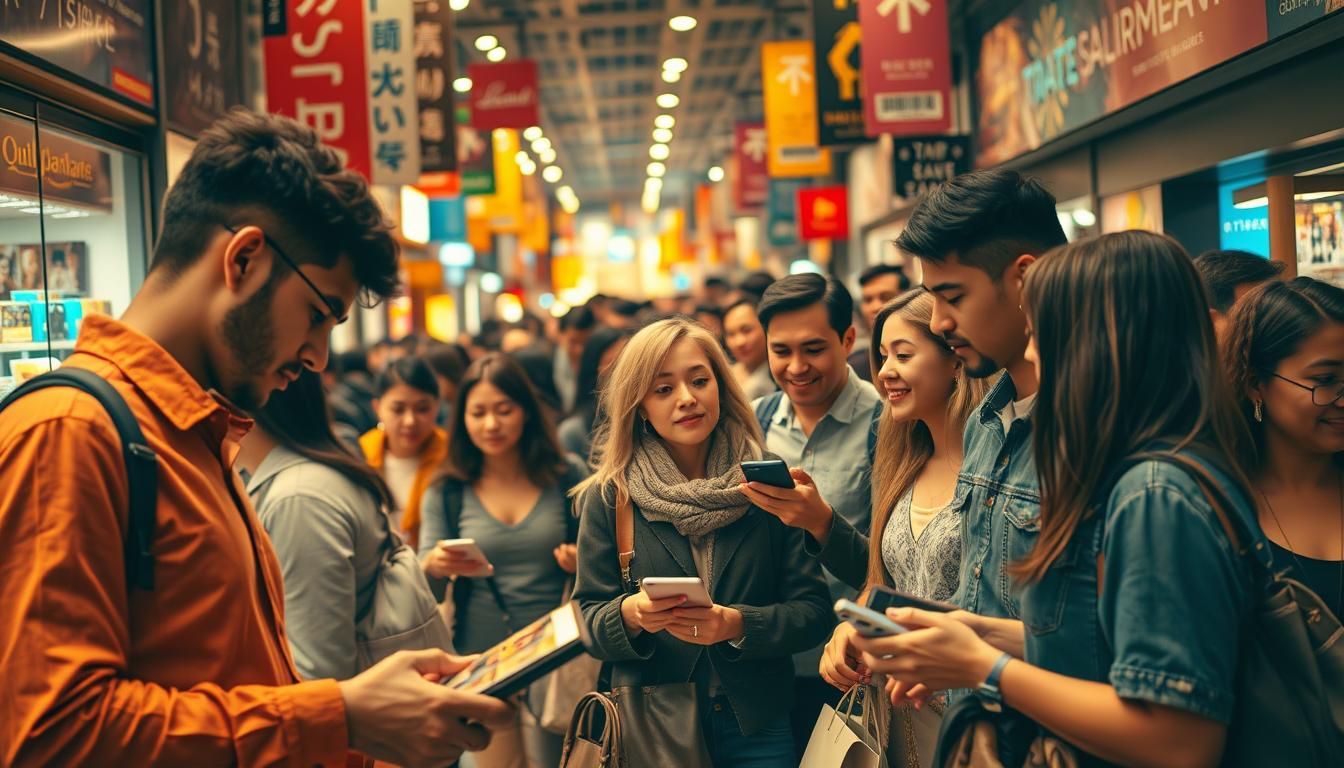
The main factors driving this change include:
- Access to information helps consumers make smarter purchasing decisions.
- The demand for personalized experiences and marketing strategies tailored to individual preferences.
- The expansion of digital channels helps consumers better search for products, read reviews, and receive recommendations.
Technology plays a crucial role in shopping trends.
- Online shopping and social media help consumers connect more than ever before.
- Businesses must constantly adapt to keep up with these changes.
——————————
Understanding what a consumer is and their behavior not only helps businesses build effective marketing strategies but also create products and services that meet the market’s needs and desires. Factors such as psychological, social, personal, and cultural aspects all contribute to shaping consumer behavior, thereby creating both opportunities and challenges for businesses.
By analyzing consumer behavior and purchasing decision factors, businesses can enhance their competitiveness and achieve sustainable growth in an increasingly competitive market.
















