


 12/05/2026
  241 views
Production management plays an extremely important role in businesses, especially in manufacturing industries. It not only ensures operational efficiency but also optimizes resources and costs, thereby increasing profits and competitiveness in the market. So, how should CEOs/business owners understand production management? And how to manage it correctly? Let’s find out with 1Office in the following article.
Mục lục
What is Production Management?
Production management is the process of planning, organizing, controlling, and optimizing resources in production activities to ensure efficiency and output quality. This is a crucial link in the value chain, helping businesses balance market demand and production capacity, thereby optimizing costs and increasing profits. This process includes production planning, materials management, process control, capacity management, and maintaining product quality.
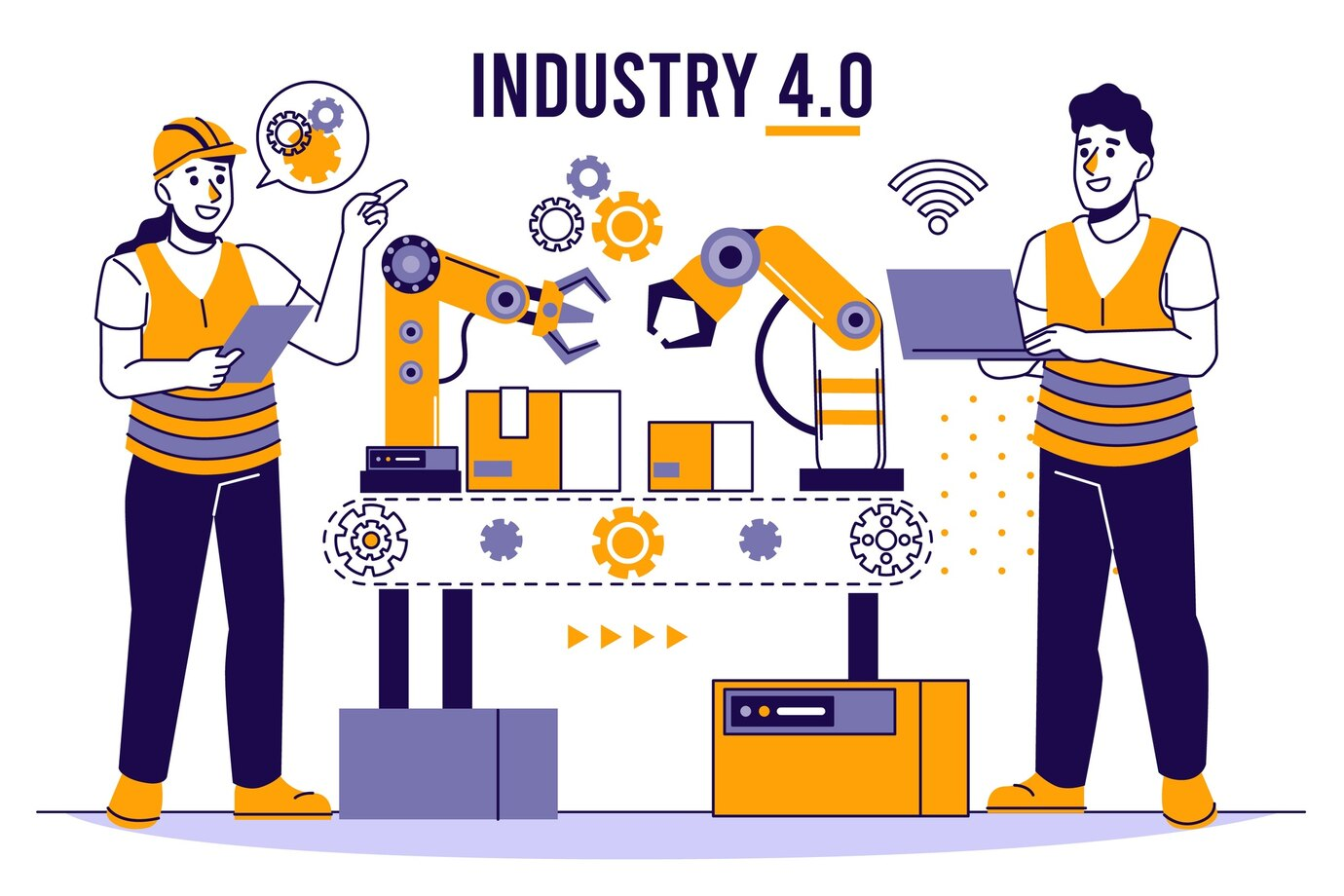
Applying effective production management brings many benefits to the production process in particular and the business as a whole, such as improving labor productivity, reducing resource and time waste, and ensuring product quality always meets standards. Good production management not only helps businesses increase their competitiveness in the market but also enhances customer satisfaction, thereby strengthening brand reputation and promoting sustainable development.
The Roles of Production Management in Business Operations
Production Planning
Production planning plays a strategic role in defining goals and developing production plans to meet market demand. This process includes demand forecasting, output planning, and production scheduling, helping businesses optimize resources and minimize waste.
A detailed and accurate production plan not only ensures timely supply of goods but also minimizes risks of inventory issues or supply chain disruptions. With good planning, businesses can control costs, enhance their ability to meet customer needs, and maintain competitiveness.
Production Organization
Production organization is the decisive factor in how resources such as personnel, machinery, and raw materials are arranged, allocated, and operated. The main role of this function is to create an efficient production system, ensuring processes are smoothly coordinated and waste is avoided.
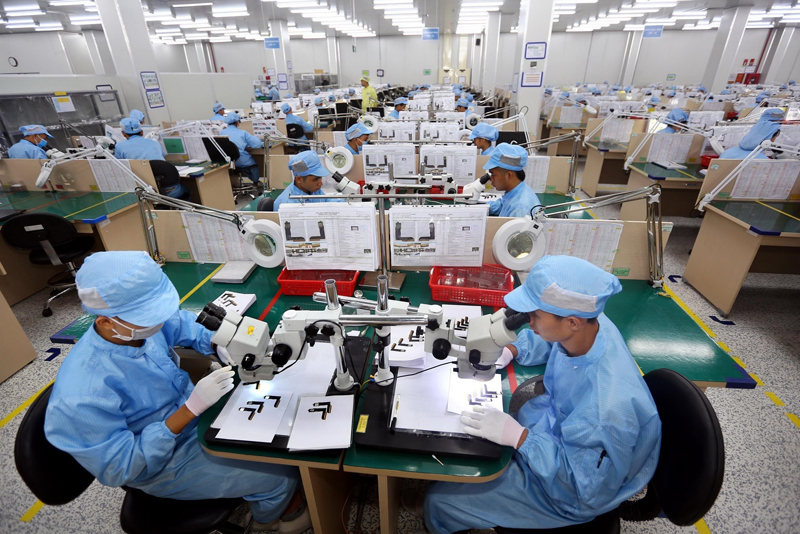
A well-organized process helps reduce waiting times, optimize workspace, and improve productivity. As a result, businesses not only minimize production costs but also enhance their ability to supply products of consistent quality, contributing to building trust with customers and partners.
Direction and Control
Directing and controlling production is the process of monitoring and adjusting production activities to ensure they adhere to the plan and achieve set objectives. This is a crucial step that helps businesses promptly detect and resolve issues such as schedule deviations, material losses, or substandard products.
With an effective control system, businesses can minimize risks, optimize costs, and maintain stability in production operations. This not only protects economic interests but also strengthens the ability to maintain a position in a competitive market.
Production Control
Improvement and innovation is a dynamic function that drives businesses to continuously enhance performance and product quality. Applying new technologies, restructuring processes, or innovating production methods helps businesses optimize costs, reduce production time, and increase product value.
Furthermore, improvement contributes to differentiating products and services, enhancing customer satisfaction. With a strategic vision, this function not only helps businesses maintain a competitive edge but also aims for sustainable development in a volatile business environment.
8 Core Factors for an Effective Production Management Model
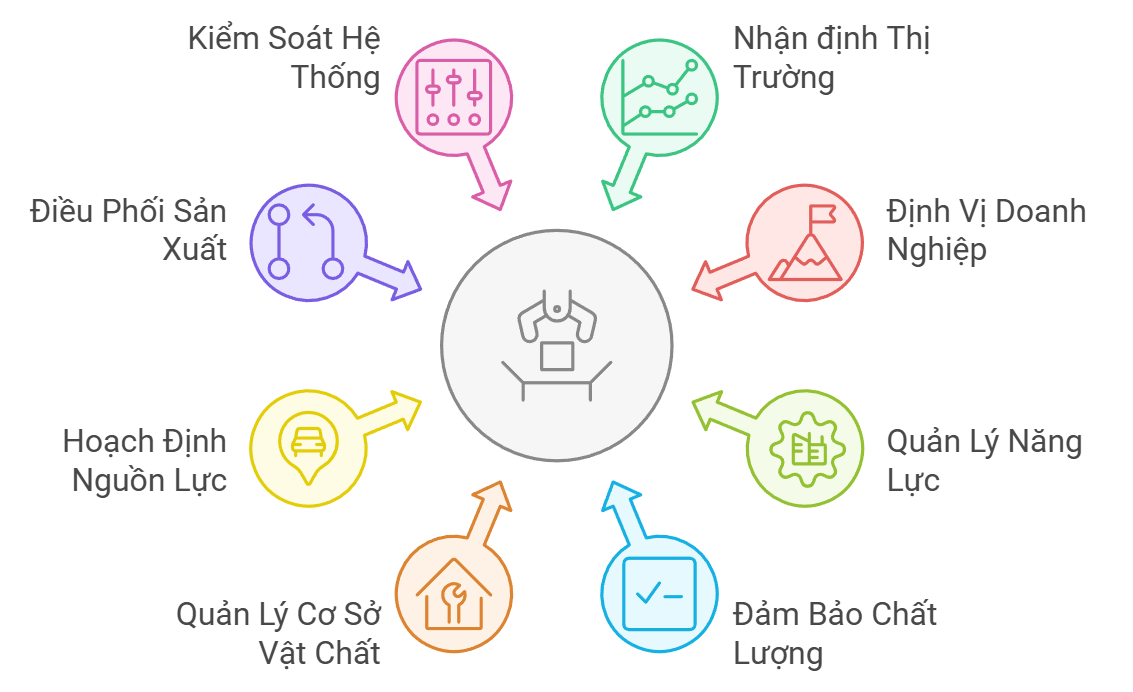
In production management, understanding and applying core factors is the key to optimizing efficiency and maintaining a company’s competitiveness. It not only helps minimize costs and improve product quality but also enhances flexibility in meeting market demands. Let’s analyze the 8 important factors that create an effective production management model.
#1. Market Assessment and Production Demand Forecasting
Market assessment is a crucial first step for a business to grasp trends, identify customer needs, and predict factors affecting production. Demand forecasting not only helps the business determine the quantity of products to manufacture but also optimizes resource utilization, avoiding overproduction or shortages. An accurate forecast allows the business to maintain supply stability and increase flexibility in the face of market fluctuations.
#2. Business Positioning
Positioning in production management is not just about defining a market position but also about demonstrating the company’s ability to meet customer needs better than competitors. This includes identifying competitive advantages, such as price, quality, and delivery time, and building a corresponding production strategy. A well-positioned business will effectively utilize resources, minimize costs, and create superior value for customers.
#3. Managing Production Capacity
Production capacity needs to be managed flexibly to ensure operational efficiency and timely response to demand. This involves determining the maximum capability of the production system and planning the rational use of machinery, manpower, and resources. Good capacity management helps businesses limit waste, optimize performance, and reduce unnecessary costs.
#4. Ensuring Product Output Quality

Product quality is a key factor affecting a company’s reputation and customer satisfaction. Ensuring quality is not limited to adhering to standards but also includes building a quality culture throughout the entire organization. An effective quality management system helps businesses minimize errors, increase productivity, and create sustainable value.
#5. Facilities Management
Facilities are the foundation for all production activities. Facilities management includes layout planning, machinery and equipment maintenance, and space optimization. This ensures that production processes run continuously, minimizing downtime and enhancing labor safety.
#6. Resource Planning and Allocation
Resource planning is a crucial factor in ensuring smooth coordination between departments within a business. Proper allocation of resources such as labor, raw materials, finances, and technology will help increase production efficiency, reduce pressure on each stage, and ensure delivery schedules are met.
#7. Coordinating Production Activities
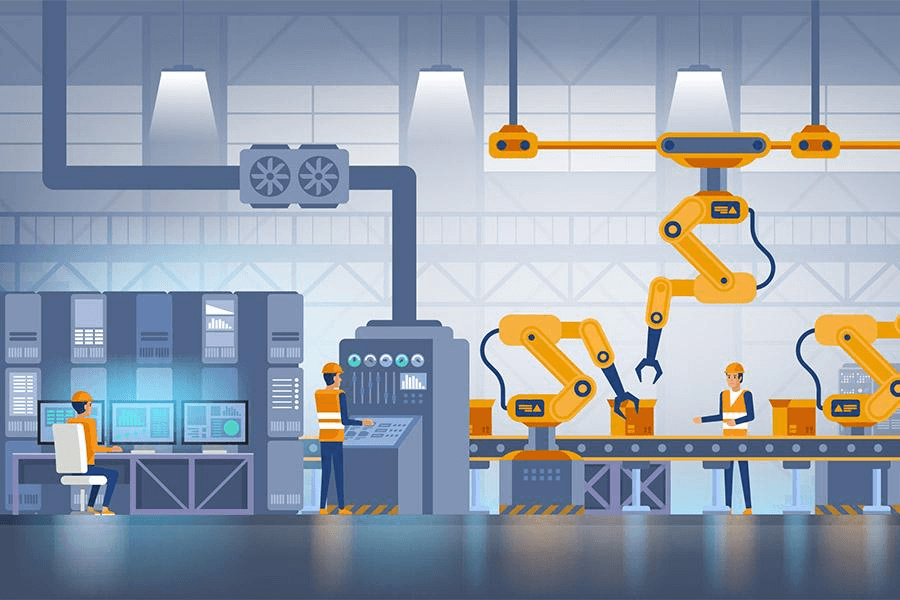
Coordination is the process of linking and balancing the stages in the production chain to ensure smooth operation. An effective coordination system helps businesses make the most of available resources, minimize waiting times, and enhance flexibility when facing unexpected changes.
#8. Controlling Production System Operations
Operational control is the final step to ensure all activities proceed according to plan and meet set targets. Monitoring, measuring, and adjusting the production process helps identify issues and implement timely solutions. An effective control system not only helps businesses maintain stability but also supports continuous improvement to enhance competitiveness.
Practical Examples and Case Studies of Effective Production Management
Toyota, one of the world’s leading automobile manufacturers, has applied the Lean production management model, also known as the “Toyota Production System” (TPS), which has become a classic example of effective production management. TPS focuses on eliminating waste, enhancing product value, and optimizing the production process.

One of Toyota’s impressive production management activities is the Just-In-Time (JIT) method, which helps minimize inventory by producing based on actual customer demand, and the Kaizen system, which encourages employees to continuously improve work processes.
Since implementing TPS, Toyota has significantly reduced production costs, improved product quality, and increased production speed. In 2022, Toyota achieved revenues of $275.4 billion, with an operating profit of $22.5 billion, clearly demonstrating the system’s success. The figures show that by applying TPS, Toyota has not only maintained its competitive position but also enhanced customer satisfaction, proving the outstanding effectiveness of having an optimized operations and production management system.
———————————
In the context of a fiercely competitive economy and a constantly changing market, innovation and creativity in production management are essential. Through this article, 1Office hopes that managers have gained a deeper insight into production management, understanding its role, functions, and the key factors that create an effective production management model. We wish you successful application and outstanding achievements for your business!
















