


 13/05/2026
  173 views
While the previous article provided an in-depth look at data systems, this next part will explore the work and role of a modern Chief Information Officer (CIO).
Mục lục
IV. 5 Data Challenges and How a Capable CIO Overcomes Them
As businesses become more aware of the power of data, they see that organizations across most industries are using it to achieve more effective work results, provide better services, and gain a competitive edge over market rivals. In reality, organizations are generating more and more data every day, and it’s easy to see how data challenges can quickly spiral out of control. But if Chief Information Officers (CIOs) follow these 5 steps, they will have a much higher chance of overcoming them and achieving true data empowerment.
4.1 Bringing All Stakeholders Together
In most businesses, employees use data to perform their jobs. A small number use it to a relatively limited extent, without needing to delve deep, and the data they use is only primary. The rest, including data analysts, will require access to high-quality data to work. Therefore, ensuring every individual in the business can access data corresponding to their level when they need it is a crucial part of a CIO’s role. When data is integrated into tools, it not only allows employees in different departments to easily update, share, and process data but also ensures all employees know how to use these tools proficiently. Over time, this will make it easier for businesses to develop new initiatives and ideas.
4.2 Data Security
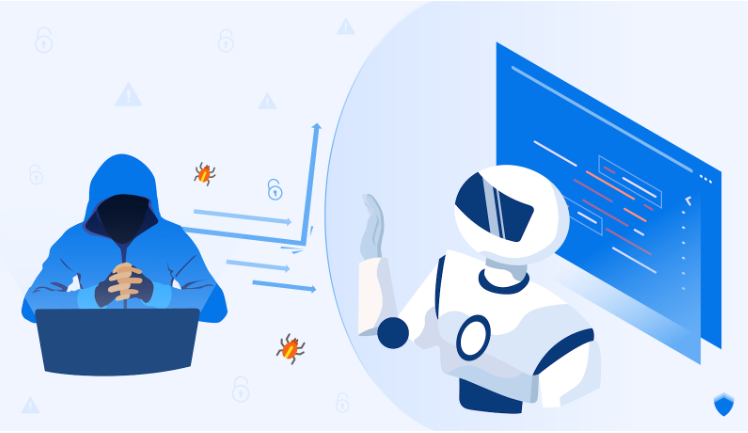
Recently, cyberattacks have been increasing in scale and sophistication. Even as data protection regulations become stricter, this criminal activity is also on the rise. Anyone can see that a large-scale attack can have serious financial and reputational consequences for a business. Therefore, careful supervision of where data is stored, including on-premise and cloud systems, is necessary. It’s also important to consider who has access to that data, when they are granted access, and when they are not. A CIO’s key responsibility lies not only in the data system but also in data security. Implementing data access and storage policies will reduce the risk of data breaches that damage the company’s reputation and finances. Data classification and analysis tools can also help identify which critical data needs to be secured. However, the most important factor is still the human element—the entire company’s awareness of the importance of data security.
4.3 Gaining Deep Insights from Available Data
To provide deep insights for building valuable strategies, data needs to be curated and useful. Duplicate and outdated records must be eliminated, and data should be classified and profiled to facilitate easy retrieval, sorting, storage, and analysis. Without these steps, the quality of information will be low, which in turn affects the decision-making process.
Depending on the system, each organization can allow access to the most important and up-to-date data. This ensures everyone is always updated with the latest information on the system—which is especially important in today’s business landscape that changes by the day, by the hour. But to truly leverage the full potential of the data system, CIOs should encourage employees to shift their mindset away from seeing data merely as necessary elements for weekly or monthly reports. Instead, they should use data as an analytical tool for real-time tracking, thereby making critical decisions and steering their work.
4.4 Timely Data Utilization
Upgrading a data system to meet demands completely, promptly, and quickly is a task that requires time, money, and decisive leadership to execute. However, before a system upgrade can be performed, organizations can still achieve timely data utilization through an “open architecture.” This approach allows Application Programming Interfaces (APIs) to link with data from other systems and supports the delivery of data in real time.
Later, as the IT infrastructure becomes more complex with more structures, the CIO and their team must ensure the organization’s data infrastructure is continuously monitored. This can be a significant challenge, but with the right tools, the business can proactively identify, investigate, and resolve issues before they disrupt temporary access to data.
4.5 Building a Foundation to Ensure High-Quality Data
CIOs have the authority to grant users and end-user devices access to the company’s data. Therefore, they are also responsible for establishing comprehensive procedures to protect data sources from unauthorized access. This ensures that users can trust the accuracy of the data they are using and analyzing. To achieve this, CIOs must document the processes that everyone must follow and ensure that everyone is up-to-date with these procedures. These issues are part of building a comprehensive data governance program, which includes clear protocols for data flow and how to utilize it. In other words, if someone in the organization needs to find data, they can pinpoint exactly where it is, how it entered the system, and where it is stored.
V. The Role of the CIO in Today’s Digital Age
The Chief Information Officer (CIO) is at the center of the decision-making process for most business initiatives in today’s digital economy. At least 75% of CIOs surveyed responded that they are increasingly seeing their roles expand, their responsibilities grow, and their decisions carry greater influence. This is demonstrated by CIOs’ focus on customer experience (they consider whether they can provide a comfortable, convenient, and seamless user experience). Consequently, CIOs understand that they also have a duty to protect their brand’s reputation by providing the most productive and effective tools and experiences.

The CIO reports directly to the CEO, and they engage in a two-way dialogue to build plans for the coming years. Gradually, as CIOs and their teams interact with all areas of the business, they become the ones to spearhead important initiatives, thereby improving user engagement. In today’s digital environment, the CIO’s role is gradually replacing that of the Chief Customer Officer (CCO) and sometimes even the Chief Strategy Officer (CSO). Studies and surveys have shown that CIOs have become drivers of the customer experience, with 67% acknowledging that managing customer experience is now one of their top job priorities.
5.1 Data is the Key to Increasing Customer Engagement
The reason CIOs are becoming increasingly important in building the customer experience is because, at its core, strong customer engagement is driven by data and effective analytics. Data is the crux of the matter. Just as a doctor cannot diagnose an illness without running tests to understand the body’s current condition, data is the key to driving customer engagement.
By using advanced technology, CIOs can lead the creation of the next customer experience—navigating the customer journey. Using data, the customer experience is measured step-by-step through evidence of likes and dislikes, customer needs, favorite products, and which offers are more accessible to consumers. They can use AI technology to track customer behavior, continuously learn about customer needs, analyze them, and then develop new experiences or add loyalty offers. This approach requires effective collaboration between the CIO and the CSO.
5.2 Increasing Responsibility for the Information Provided by Data
Ensuring effective data access, usage, and security is not just the CIO’s responsibility; it is the responsibility of everyone in the company. The data system needs to be reviewed and upgraded annually for improvement. Starting with the CEO
5.3 Driving the Business
True to the saying “successful people always find their own way,” a successful CIO always knows how to deploy technology to drive business operations, because the key for a business is to increase efficiency, productivity, and optimize revenue. This depends heavily on technology. CIOs need to consider not only the technology itself but also how that technology will boost the company’s profits.
Organizations today recognize the positive aspect that they can achieve the best results for the customer experience by combining information from various teams. Although the customer lifecycle is complex with multiple touchpoints across many channels, by linking data together, CIOs realize they can achieve a unified, seamless user experience with a high degree of personalization.
We hope that with the information above, readers will gain a deeper insight into the important role of data systems in organizations and businesses. This may encourage you to re-evaluate your own business to change, innovate, or upgrade your data system. 1Office aims to be a bridge, sharing our own experiences in business management with our readers—the dedicated CEOs, CIOs, CMOs, CDOs, CTOs, and more who are passionate about their careers.
















