13/05/2026
  228 views
According to statistics, over 95% of businesses in Vietnam are small and medium-sized enterprises. The difficulties these businesses face include business administration, capital, human resources, and more. One of the critical factors determining the success or failure of these businesses is risk management.
Mục lục
What is business risk?
First, we need a general overview of what risk management in a business entails. This helps you find a suitable management approach that delivers the best results. Common types of business risks include:
Subjective risks
These are risks caused by the subjective mistakes of managers or employees within the business. This issue also often occurs in the company’s resource management.
Objective risks
The causes of these risks originate externally and are created by force majeure events. They are beyond the business’s control. Typical examples include the impact of the Covid-19 pandemic or market fluctuations…
Financial risks
This is one of the most common types of business risks because it is directly related to assets. Financial risks include: profit risks, investment capital, salaries, etc.
Human resource risks
This risk often arises from internal disagreements, especially at the management level. It leaves significant consequences such as personnel losses and impacts on work progress. In addition, there are other causes such as losses when employees have accidents (death, injury, etc.) or employee turnover.
Productivity risks
For a business that cannot maintain or increase productivity, this becomes a risk factor that hinders its own growth. Because productivity directly affects the growth rate and revenue of the business.
The best way to manage business risks
Risk management is one of the core issues that needs top priority in a business. Managers need to understand the principles and implement the following methods:
- Do not accept unnecessary risks
- Make risk management decisions at the appropriate level
- Accept risks when the benefits outweigh the costs
- Integrate risk management into operations and planning at all levels
When these principles are mastered, operating the business will become easier.
Regularly analyze and assess risks
This is understood as the relationship between business risks and various other factors. From there, you can determine the severity of the risk and see how it affects the business and financial situation. Then, you need to consider the frequency of these risks as well as the consequences when they occur. Finally, you should arrange all potential business risks in order of priority.
Prepare scenarios to deal with risks
Preparing scenarios to deal with business risks is extremely important. This helps the business understand the company’s situation and the problems it is facing. In particular, never let yourself fall into a passive position. When building risk response scenarios, the business needs to prepare the following:
- Solutions that must be implemented to prevent and mitigate risks
- Specific deadlines for completing the activities of the proposed solutions
- Establishing roles and responsibilities appropriate to the abilities of each member of the business is a very important factor in ensuring effective risk management.
- A risk management strategy affects not only the business’s processes but also its culture.
Using risk management software in business
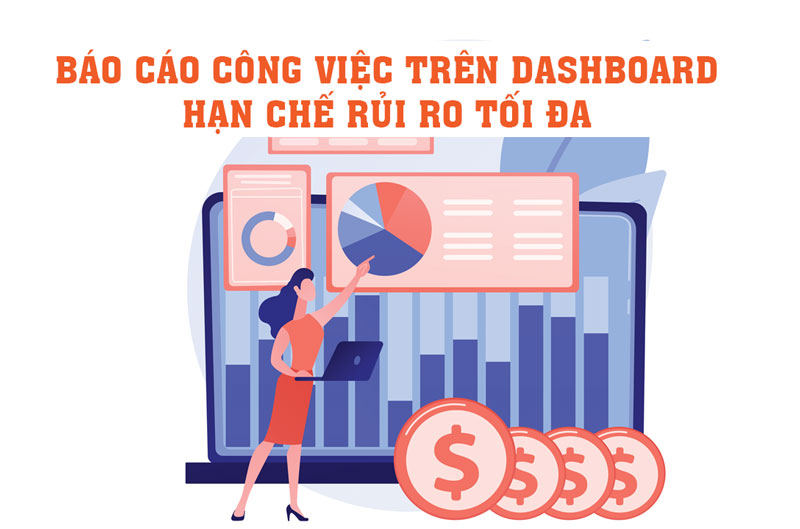
To make management easier, you should apply information technology. Risk management software provides accurate results and helps you store information easily. In particular, you can get a comprehensive overview of your business’s situation.
For Businesses
- 1Office ensures high flexibility, suitable for businesses of various sizes and industries.
- Policies and regulations are presented scientifically, clearly, and transparently.
- Optimize business operation processes, creating an advantage over competitors.
For CEOs/Management
- Build a synchronized, scientific, and seamless workflow system across all levels.
- Accurately evaluate the work performance of each department and individual.
- Develop a diverse, comprehensive, and multi-dimensional reporting system for the CEO.
For Department Heads/Team Leaders
- Monitor anytime, anywhere with automatic, real-time updated reports.
- Manage personnel by individual tasks, and evaluate employee capabilities accurately, transparently, and objectively.
- Promptly identify and resolve process bottlenecks to prevent incidents.
For Employees
- Proactively grasp work plans, track progress, and report easily.
- Smart alerts help prevent tasks from being overlooked or deadlines from being missed.
- Simple and convenient work communication and interaction to complete tasks quickly.
1Office enterprise risk management software – your top choice!