09/05/2026
  171 views
Trong bối cảnh thị trường lao động cạnh tranh và tốc độ tuyển dụng ngày càng cao, các doanh nghiệp đang phải xử lý hàng trăm đến hàng nghìn hồ sơ ứng tuyển cho mỗi vị trí. Điều này khiến đội ngũ HR phải dành nhiều thời gian cho các công việc lặp lại như lọc CV, trả lời ứng viên, đặt lịch phỏng vấn hay cập nhật trạng thái tuyển dụng.
Vậy AI agent tuyển dụng là gì, hoạt động ra sao và mang lại lợi ích gì cho doanh nghiệp? Bài viết dưới đây sẽ giúp bạn hiểu rõ cách AI đang thay đổi cách các doanh nghiệp tìm kiếm và tuyển chọn nhân tài.
Mục lục
- 1. AI Agent Tuyển Dụng là gì?
- 2. Các thành phần chính của AI Agent tuyển dụng
- 3. Cách thức hoạt động của AI Agent tuyển dụng
- 4. Why AI Agents are the future of recruitment
- 5. Challenges of implementing a recruitment AI Agent
- 6. Solutions and Strategies for Effectively Implementing a Recruitment AI Agent
- 7. Frequently Asked Questions About AI Agents in Recruitment
1. AI Agent Tuyển Dụng là gì?
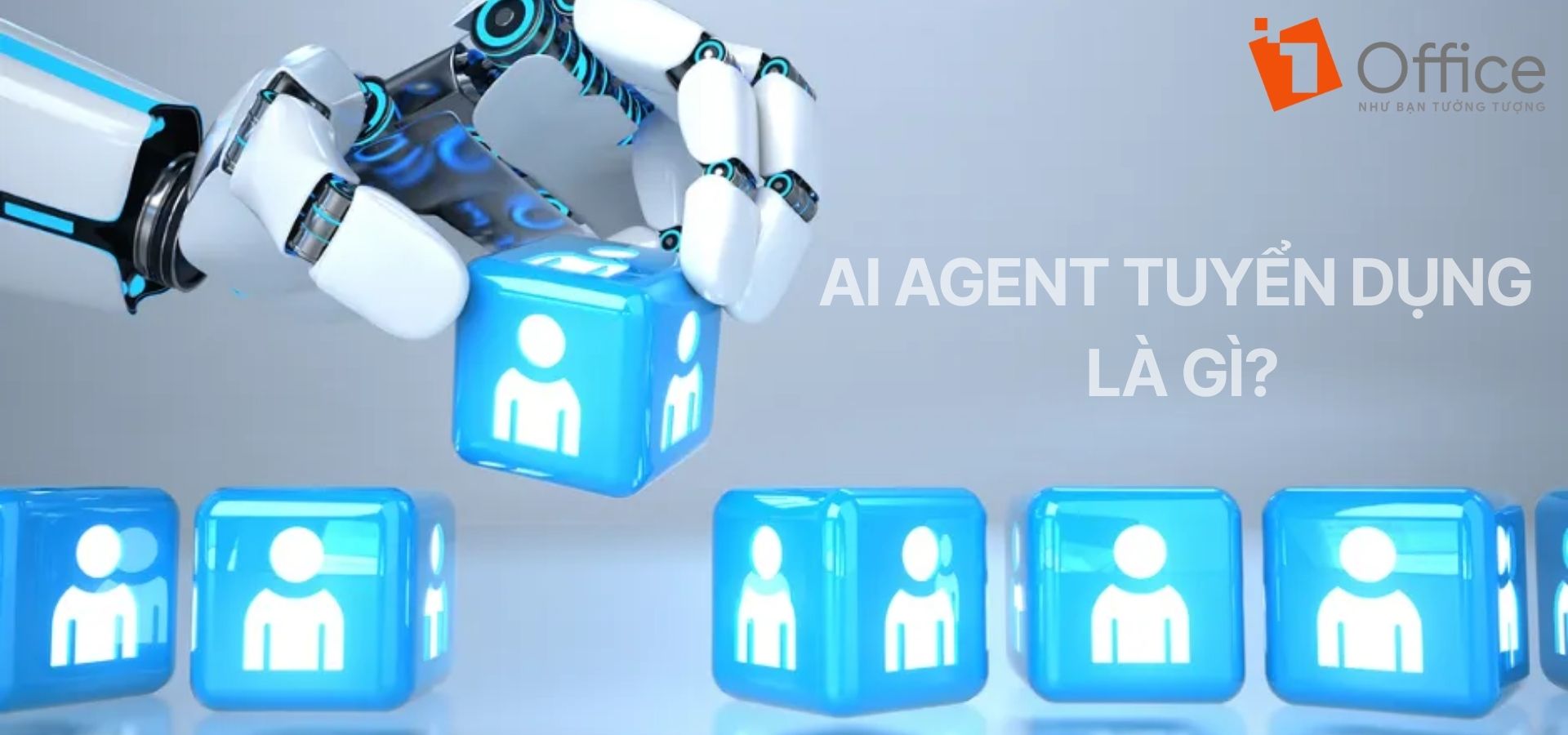
AI Agent tuyển dụng là một hệ thống trí tuệ nhân tạo được thiết kế để tự động hóa và hỗ trợ các hoạt động trong quy trình tuyển dụng, từ việc tìm kiếm ứng viên, sàng lọc hồ sơ đến hỗ trợ liên hệ và đánh giá ứng viên. Thay vì phải xử lý thủ công hàng trăm hồ sơ, AI Agent có thể phân tích dữ liệu ứng viên, nhận diện các kỹ năng phù hợp và đưa ra gợi ý cho nhà tuyển dụng.
Khác với các phần mềm tuyển dụng truyền thống chỉ lưu trữ dữ liệu hoặc quản lý quy trình, AI Agent có khả năng phân tích thông tin, học từ dữ liệu tuyển dụng trước đó và tự động thực hiện nhiều tác vụ trong quy trình tuyển dụng. Nhờ đó, doanh nghiệp có thể rút ngắn thời gian tuyển dụng và nâng cao chất lượng lựa chọn ứng viên.
2. Các thành phần chính của AI Agent tuyển dụng
Để thực hiện được những chức năng trên, AI Agent tuyển dụng được xây dựng từ nhiều thành phần công nghệ khác nhau. Mỗi thành phần đóng một vai trò quan trọng trong việc giúp hệ thống hoạt động hiệu quả và đưa ra quyết định chính xác.
2.1. LLM (Large Language Model)
LLM là một trong những công nghệ cốt lõi của AI Agent. Đây là các mô hình trí tuệ nhân tạo được huấn luyện trên lượng dữ liệu văn bản rất lớn, giúp AI có khả năng hiểu và xử lý ngôn ngữ tự nhiên giống con người.
Trong tuyển dụng, LLM có thể được sử dụng để:
-
Phân tích nội dung CV và thư xin việc
-
Hiểu yêu cầu tuyển dụng từ mô tả công việc
-
Tạo nội dung tuyển dụng hoặc email phản hồi ứng viên
-
Trả lời câu hỏi của ứng viên thông qua chatbot
Nhờ LLM, AI Agent có thể hiểu thông tin tuyển dụng phức tạp và đưa ra quyết định chính xác hơn.
2.2. Data Layer (Tầng dữ liệu)
Data Layer là nơi lưu trữ và quản lý toàn bộ dữ liệu liên quan đến tuyển dụng. Đây là nguồn thông tin quan trọng giúp AI Agent phân tích và đưa ra quyết định.
Các loại dữ liệu thường được lưu trữ gồm:
-
Hồ sơ ứng viên
-
Lịch sử tuyển dụng
-
Kết quả phỏng vấn
-
Dữ liệu hiệu suất nhân viên sau khi tuyển
Khi có nhiều dữ liệu chất lượng, AI Agent có thể học hỏi từ các kết quả tuyển dụng trước đây và cải thiện khả năng đánh giá ứng viên.
2.3. Workflow Automation (Tự động hóa quy trình)
Workflow Automation giúp AI Agent tự động thực hiện các bước trong quy trình tuyển dụng mà không cần con người thao tác thủ công.
Ví dụ, hệ thống có thể tự động thực hiện các hành động như:
-
Khi có CV mới → tự động phân tích hồ sơ
-
Khi ứng viên đạt điểm sàng lọc → tự động gửi email mời phỏng vấn
-
Sau phỏng vấn → cập nhật trạng thái ứng viên trong hệ thống
Nhờ tự động hóa quy trình, doanh nghiệp có thể giảm đáng kể khối lượng công việc hành chính cho bộ phận HR.
2.4. Integration với ATS và HRM
AI Agent thường không hoạt động độc lập mà cần kết nối với các hệ thống quản lý nhân sự hiện có của doanh nghiệp.
Hai hệ thống phổ biến được tích hợp gồm:
- ATS (Applicant Tracking System)
Hệ thống quản lý hồ sơ ứng viên và theo dõi tiến trình tuyển dụng. - HRM (Human Resource Management)
Hệ thống quản lý nhân sự tổng thể của doanh nghiệp.
Khi tích hợp với các hệ thống này, AI Agent có thể:
-
Truy cập dữ liệu ứng viên trong ATS
-
Đồng bộ thông tin nhân sự sau khi tuyển dụng thành công
-
Tự động cập nhật trạng thái tuyển dụng
Nhờ đó, toàn bộ dữ liệu tuyển dụng và nhân sự được kết nối trong một hệ thống thống nhất.
AI Agent tuyển dụng hoạt động bằng cách kết hợp trí tuệ nhân tạo, dữ liệu và tự động hóa quy trình để hỗ trợ doanh nghiệp tìm kiếm và lựa chọn ứng viên phù hợp. Hệ thống này có thể thực hiện nhiều bước trong quy trình tuyển dụng, từ phân tích yêu cầu tuyển dụng, sàng lọc CV đến giao tiếp với ứng viên và quản lý tiến trình tuyển dụng.
Với sự hỗ trợ của các công nghệ như LLM, tầng dữ liệu, tự động hóa workflow và tích hợp với hệ thống HRM, AI Agent đang dần trở thành một công cụ quan trọng giúp doanh nghiệp tăng tốc tuyển dụng, nâng cao chất lượng ứng viên và tối ưu nguồn lực nhân sự.

3. Cách thức hoạt động của AI Agent tuyển dụng
Để hiểu rõ giá trị của AI Agent trong tuyển dụng, cần nhìn vào cách hệ thống này vận hành trong thực tế. Khác với các công cụ tuyển dụng truyền thống chỉ thực hiện một nhiệm vụ riêng lẻ (ví dụ: lưu trữ CV hoặc lọc hồ sơ theo từ khóa),
3.1. Tiếp nhận và phân tích mô tả công việc
Quy trình thường bắt đầu khi doanh nghiệp cung cấp mô tả công việc cho AI agent. Đây là thông tin về vị trí cần tuyển, bao gồm nhiệm vụ công việc, kỹ năng yêu cầu và kinh nghiệm cần thiết. AI sẽ đọc nội dung mô tả công việc và phân tích các yếu tố quan trọng để hiểu doanh nghiệp đang tìm kiếm loại ứng viên nào. Nhờ khả năng xử lý ngôn ngữ, AI có thể nhanh chóng xác định những tiêu chí chính của vị trí tuyển dụng.
Ví dụ, AI có thể nhận diện các yếu tố như:
-
kỹ năng chuyên môn cần có
-
số năm kinh nghiệm
-
lĩnh vực làm việc
-
vị trí hoặc cấp bậc công việc
-
địa điểm làm việc
Sau khi phân tích, AI sẽ tạo ra một hồ sơ ứng viên phù hợp để làm tiêu chí tìm kiếm và đánh giá ứng viên trong các bước tiếp theo.
3.2. Tìm kiếm và thu thập hồ sơ ứng viên
Sau khi hiểu rõ yêu cầu công việc, AI agent sẽ bắt đầu tìm kiếm ứng viên phù hợp. Thay vì nhà tuyển dụng phải tìm kiếm thủ công trên nhiều nền tảng khác nhau, AI có thể tự động quét dữ liệu từ nhiều nguồn. AI có thể thu thập hồ sơ ứng viên từ các nguồn sau:
-
các trang web tuyển dụng
-
cơ sở dữ liệu ứng viên của công ty
-
các nền tảng mạng nghề nghiệp
-
hệ thống quản lý hồ sơ ứng viên
Nhờ khả năng xử lý dữ liệu nhanh, AI có thể xem xét hàng trăm hoặc hàng nghìn hồ sơ ứng viên trong thời gian ngắn và xác định những hồ sơ có khả năng phù hợp nhất với vị trí cần tuyển.
3.3. Phân tích và lọc hồ sơ ứng viên
Sau khi thu thập danh sách ứng viên, AI agent sẽ tiến hành phân tích hồ sơ ứng viên để đánh giá mức độ phù hợp với mô tả công việc. Ở bước này, AI thường thực hiện các công việc như:
-
đọc nội dung hồ sơ hoặc CV
-
trích xuất thông tin về kỹ năng và kinh nghiệm
-
compare with the job position’s requirements
-
evaluate and rank candidates
The result of this process is usually a list of candidates sorted by suitability, helping recruiters easily identify the most promising profiles. This is especially useful when the business receives a very large number of CVs for a single position.
3.4. Assisting with candidate contact
After identifying suitable candidates, the AI agent can assist with contacting them. Instead of recruiters having to send individual emails or messages, the AI can automate this step. The AI can:
-
send emails introducing the job position
-
send messages inviting candidates to apply
-
answer some of a candidate’s basic questions
-
provide information about the job or the recruitment process
Some AI systems can also personalize message content, making contact with candidates feel more natural.
3.5. Assisting with interview scheduling
If a candidate is interested in the position, the AI agent can proceed to help schedule an interview. In many cases, finding a suitable time for both the candidate and the recruiter can be quite time-consuming. The AI can help simplify this step by automatically checking schedules and suggesting suitable times.
The AI can assist with tasks such as:
-
suggesting interview time slots
-
checking the recruiter’s schedule
-
sending interview invitations to candidates
-
sending reminders before the interview
This makes the interview organization process faster and more convenient.
3.6. Analyzing recruitment data
In addition to assisting with each step of the recruitment process, an AI agent can also analyze recruitment data to help businesses better understand the effectiveness of their process. The AI can compile and analyze information such as:
-
average time to fill a position
-
candidate sources that yield the best results
-
candidate response rate to recruitment invitations
-
candidate pass rate for each selection round
This data helps businesses identify areas for improvement in their recruitment process and develop more suitable strategies for the future.
4. Why AI Agents are the future of recruitment
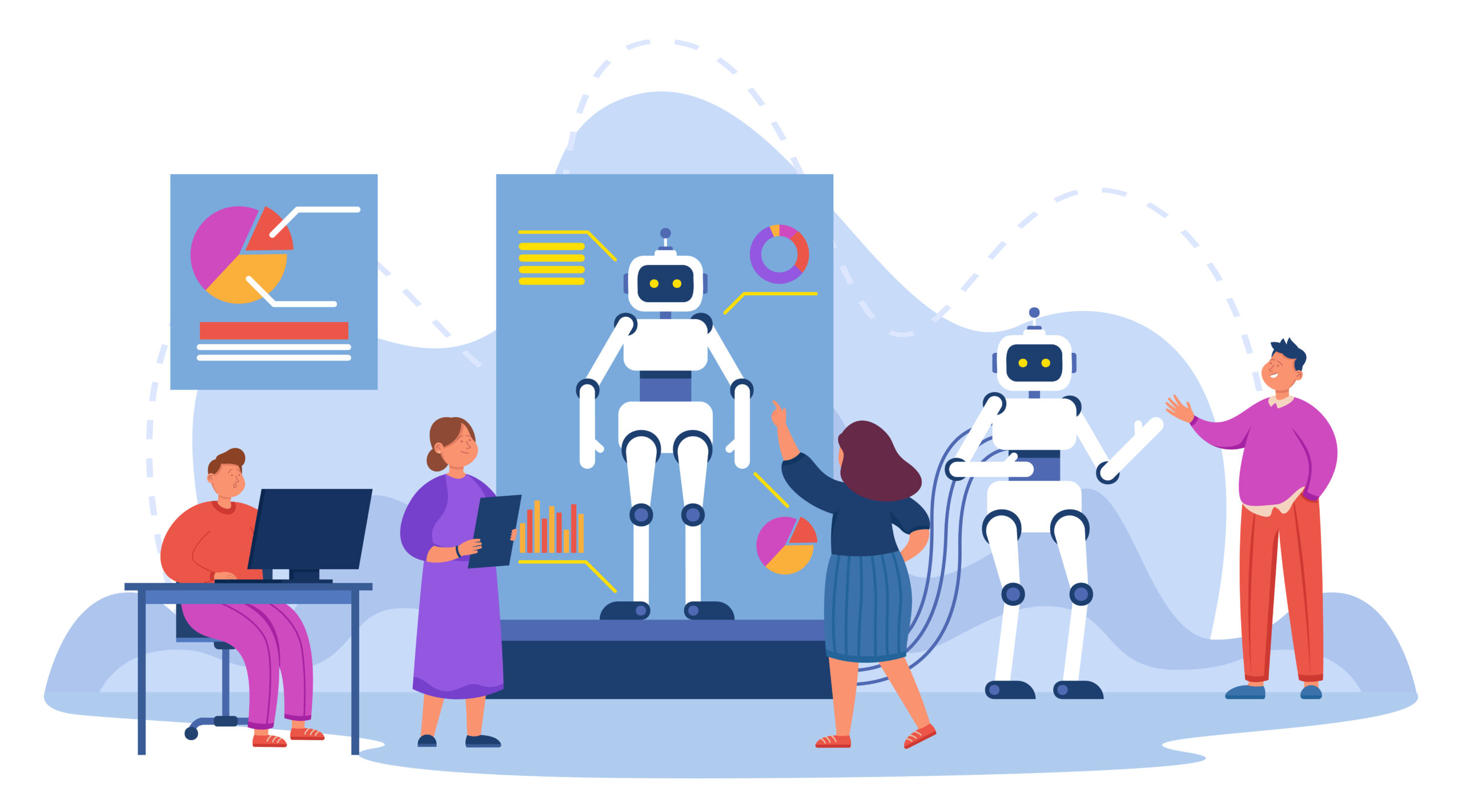
Artificial intelligence agents can automate many steps in the recruitment process, such as sourcing candidates, analyzing profiles, contacting candidates, and assisting with interview scheduling. Thanks to its ability to process large amounts of data and work continuously, this technology helps businesses save time and improve recruitment quality. Below are the main reasons why artificial intelligence agents are considered the future trend in the recruitment field.
4.1. Shortening recruitment time
Today, a single job opening can receive hundreds of candidate profiles. If recruiters have to manually read and evaluate each profile, this process will consume a lot of time and effort.
An artificial intelligence agent can assist by automatically analyzing and filtering profiles. The system is capable of reading many profiles in a short amount of time and identifying those that best match the job requirements.
Using this technology helps to:
-
Screen hundreds of CVs in just a few minutes
-
Automatically respond to candidates
-
Quickly assist with interview scheduling
As a result, the recruitment process becomes faster and more efficient.
4.2. Enhancing the candidate experience
Today’s candidates expect quick and transparent feedback from recruiters.
An AI agent can:
-
Answer questions 24/7
-
Send confirmation emails immediately upon receiving a profile
-
Update application status
This allows businesses to create a more professional candidate experience.
4.3. Reducing operational costs for HR
Tasks such as:
-
CV filtering
-
Replying to emails
-
Sending interview reminders
-
Entering candidate data
all consume a lot of HR’s time.
An AI agent can automate these tasks, helping to reduce operational costs and increase the productivity of the HR team.
4.4. Increasing accuracy in candidate screening
AI has the ability to process large amounts of data and analyze candidate profiles based on multiple criteria such as:
-
Skills
-
Experience
-
Qualifications
-
Professional keywords
This helps reduce the risk of overlooking potential candidates.
4.5. Supporting large-scale recruitment
AI agents are particularly useful for businesses that recruit in large volumes, such as:
-
Retail chains
-
Call center
-
Logistics
-
Manufacturing
-
Fast-growing startups
AI helps process a large volume of profiles without needing to increase HR staff.
5. Challenges of implementing a recruitment AI Agent
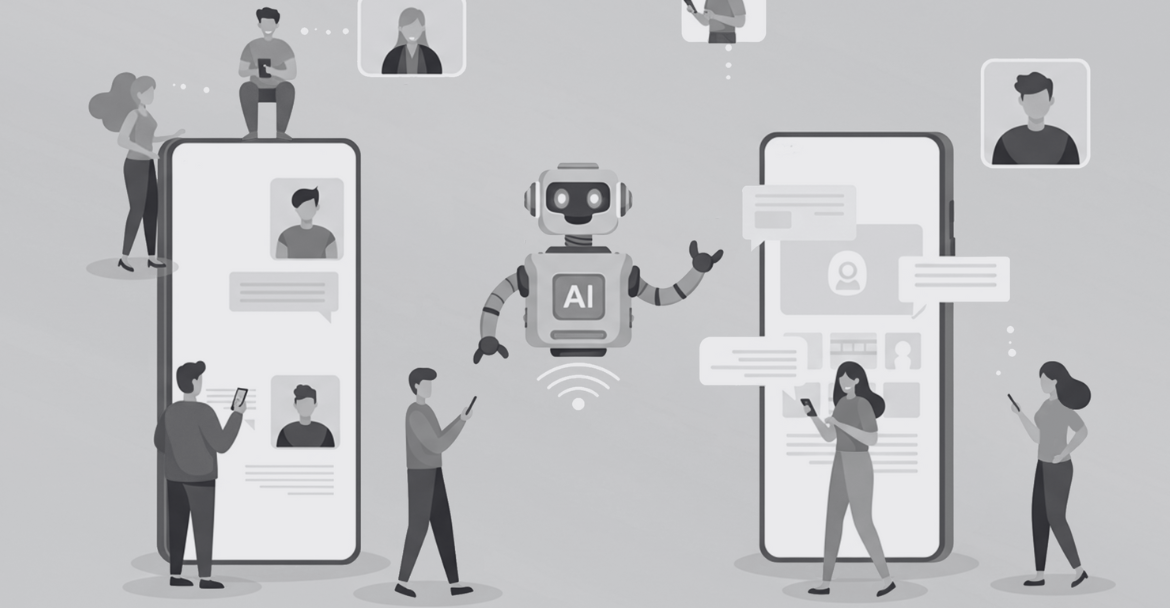
The most common risks when using AI in recruitment are often related to data bias, incomplete candidate assessments, legal issues, and the candidate experience. Therefore, businesses need to clearly understand these limitations to use AI effectively and responsibly.
5.1. Data bias (AI Bias)
AI systems tend to prioritize or eliminate certain groups of candidates, even if it doesn’t accurately reflect their abilities. Specifically, AI learns to make decisions based on past recruitment data. If this data contains biases, the AI may inadvertently repeat and amplify them.
For example, if a company has primarily hired men for technical positions for many years, the AI system might learn that profiles similar to past employees are “more suitable.” This can lead to the AI undervaluing the profiles of female candidates, even if they have equivalent qualifications.
Some examples of limitations in AI recruitment include:
-
Gender bias: prioritizing candidates based on gender
-
Education bias: prioritizing candidates from certain universities
-
Experience bias: undervaluing young candidates or career changers
-
Language bias: evaluating candidates based on their CV writing or language style
5.2. Inaccuracies in Candidate Evaluation
AI can process data very quickly, but it still has limitations when evaluating people. In most recruitment systems, AI typically relies on information available in CVs or candidate profiles to make an initial assessment.
The factors AI commonly uses for evaluation include years of experience, skill lists, previous job titles, and keywords related to the job description. This data helps the AI quickly filter for the most seemingly suitable profiles.
However, many important factors in recruitment are difficult to measure with data, such as creative thinking, adaptability, growth potential, or cultural fit. These factors are often only identified through interviews and direct interaction. This can lead to situations where AI rejects potential candidates simply because their profiles do not contain enough keywords or do not match the profile templates the system has learned from.
5.3. Legal Issues
If an AI system makes non-transparent or biased hiring decisions, the business may face legal risks. This is especially important when AI is used to evaluate or reject candidates without human oversight.
Some common legal issues when using AI in recruitment include:
-
Discrimination: AI may unintentionally reject candidates based on age, gender, or personal background
-
Lack of transparency: businesses find it difficult to explain why a candidate was rejected
-
Data security: AI systems process a lot of candidates’ personal information
-
Privacy: candidates may not know their data is being analyzed by AI
In many cases, candidates have the right to ask the business to explain the hiring decision. If the business cannot explain how the AI reached its conclusion, this can lead to disputes or complaints.
5.4. Candidate Experience
Besides technical and legal issues, AI in recruitment can also affect the candidate experience. During the job search process, how a business communicates with candidates plays a crucial role in building its employer brand image.
When AI is overused in candidate communication, the recruitment process can become overly automated and lack the human touch between the actual recruiter and the candidate. This makes some candidates feel like they are interacting with a machine system instead of a real recruiter.
Some common issues in the candidate experience when using AI include:
-
recruitment emails or messages that are too generic
-
chatbots that provide rigid answers and cannot resolve specific issues
-
candidates not receiving clear feedback after submitting their CV
-
AI interviews that make candidates feel they are being judged by an algorithm
If the recruitment experience is poor, candidates may form a negative impression of the business, even if they are not hired. This can affect the company’s brand image and its ability to attract talent in the future.
6. Solutions and Strategies for Effectively Implementing a Recruitment AI Agent
For an AI agent to truly deliver value, businesses need a step-by-step approach that aligns with their current recruitment process. A good implementation strategy will help AI support recruiters more effectively rather than complicating the process.
6.1. Start with Basic Tasks
One of the best ways to implement AI in recruitment is to start with repetitive and time-consuming tasks. These are tasks that AI can handle faster and more accurately than humans.
In practice, recruiters often spend a lot of time on administrative activities like screening CVs, sending emails, sourcing candidates, or scheduling interviews. These tasks do not require much professional judgment but take up a significant portion of time in the recruitment process.
<p data-start="1141" data-end="1
how to integrate AI with the existing recruitment process
6.5. Continuously Monitor and Improve the AI System
AI is not a system that works perfectly from the start. After implementation, businesses need to monitor the effectiveness of AI and make adjustments as necessary. Performance evaluation can be based on several metrics, such as:
-
time-to-hire
-
number of CVs processed
-
qualified candidate ratio
-
candidate experience
If the AI produces inaccurate results, businesses can adjust the input data or change how the system evaluates candidates.
6.6. Implement AI Step-by-Step Instead of Overhauling the Entire System
A common mistake is trying to apply AI to the entire recruitment process from the very beginning. This can overwhelm the HR team and make it difficult for them to adapt.
Instead, businesses should implement AI in small phases. This approach makes it easier to evaluate effectiveness and make adjustments as needed.
A common implementation roadmap might include:
-
Phase 1: AI-assisted candidate sourcing
-
Phase 2: AI-assisted CV screening and profile analysis
-
Phase 3: AI-assisted candidate communication
-
Phase 4: AI-assisted recruitment data analysis
A step-by-step implementation helps businesses reduce risks and optimize the AI system’s effectiveness.
AI agents can bring many benefits to recruitment, but their effectiveness largely depends on how businesses implement them. A good strategy requires a combination of technology, data, and people.
7. Frequently Asked Questions About AI Agents in Recruitment
As businesses begin to explore and apply artificial intelligence agents in recruitment, many recruiters often have questions about the role of the technology, its security, and practical implementation. Below are some common questions to help businesses better understand how this technology works and how to apply it effectively.
7.1. Will Artificial Intelligence (AI) completely replace humans in recruitment?
No. Artificial intelligence agents are designed to assist recruiters, not to completely replace them.
In recruitment, many tasks are repetitive and time-consuming, such as sourcing candidate profiles, screening resumes, or sending recruitment notifications. Artificial intelligence agents can perform these tasks well thanks to their ability to process data quickly and automate processes.
However, many important factors in recruitment still require human judgment, for example:
-
assessing a candidate’s attitude and potential
-
considering cultural fit with the company
-
<p data-start="1133" data-

Discover the AI Agent solution for businesses from 1Office Register for a free feature demo!
If you are looking to apply the AI Agent Talent to recruitment management and operations, contact the 1Office consulting team now for detailed support. You can call the hotline 083 483 8888 for a direct consultation or visit the official 1Office ZALO to get more knowledge and new solutions on business management and AI application in work.