


Digital Transformation In Primary Schools: The 4.0 Revolution


In an era of rapid technological development, digital transformation has gradually become an inevitable trend in all fields, including education. This is a long-term process that brings many challenges, especially digital transformation in primary schools. Therefore, for a successful digital transformation in primary schools, these institutions need clear policies and the joint efforts of all levels, sectors, and educational facilities. Let’s find out with 1Office!
Mục lục
- 1. What is digital transformation in education?
- 2. The importance of digital transformation in primary schools
- 3. The current state of digital transformation in primary schools
- 4. Levels of Digital Transformation in Primary Schools
- 5. Examples of Digital Transformation in Education
- 6. The Role of Teachers and Parents in the Digital Transformation Process
- 7. A step-by-step guide to selecting and implementing digital transformation for primary schools
- 8. Digital transformation solutions in the education sector
1. What is digital transformation in education?
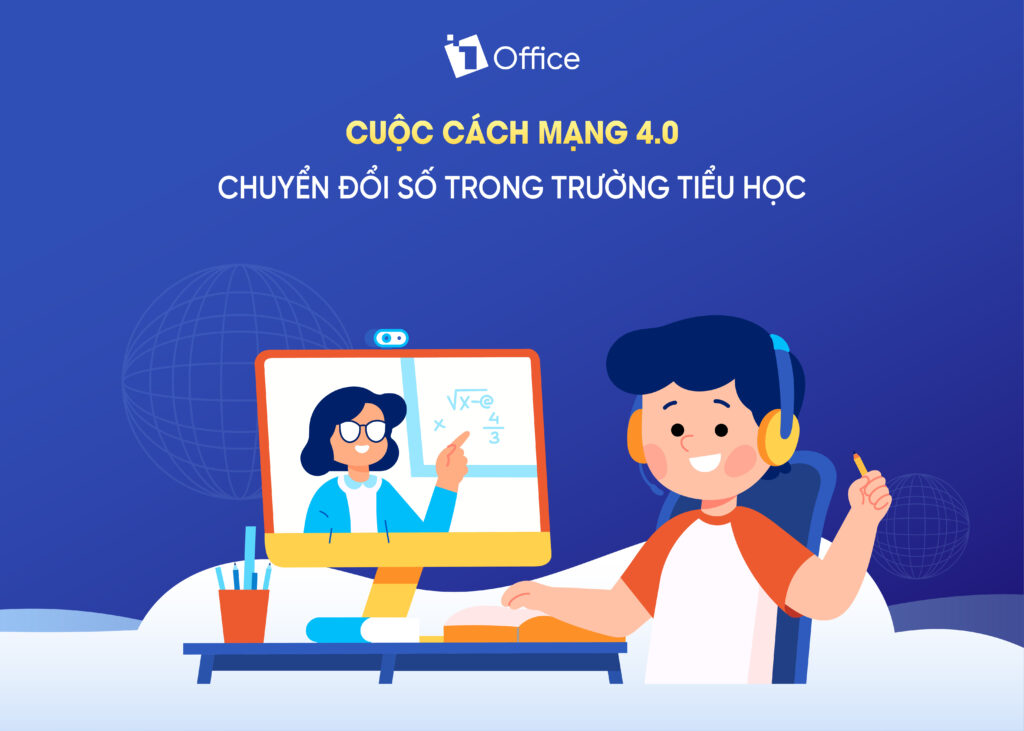
Digital transformation in education is the process of applying digital technology to teaching activities to improve the quality of education and meet societal demands. This process includes many different aspects, such as applying technology to educational management, improving teaching methods, upgrading teaching equipment, and enhancing the student experience.
Digital transformation in primary schools is a part of the broader digital transformation in education. This process requires institutions to focus more on teaching digital skills to students and using technology safely and effectively.
>> See more: Digital transformation in education: Status, role & solutions
2. The importance of digital transformation in primary schools
Spurred by the COVID-19 pandemic, the importance of digital transformation in primary schools has become even more evident, with the quality of education continuously improving and more learning opportunities becoming available for all Vietnamese children. Specifically, digital transformation in primary schools offers many benefits, such as:

- Improving the quality of education: Access to rich and diverse learning resources helps teachers innovate teaching methods and improve equipment and learning support tools. It also helps students become proactive learners, be creative, develop their thinking, and practice problem-solving skills.
- Supporting innovative teaching methods: Digital transformation helps teachers improve the quality of teaching, shifting from knowledge transmission to developing students’ competencies. This facilitates easy interaction between teachers and students, contributing to increased student interest in learning.
- Creating a flexible and convenient learning environment: Digital transformation in primary schools allows students to learn anytime, anywhere, suiting their circumstances and location. This gives students more convenient access to education, especially those in remote, rural, and disadvantaged areas.
- Teaching digital skills to students: Primary schools need to focus on teaching digital skills to all students, helping them use information technology and the Internet safely and effectively.
In summary, digital transformation in primary schools is a long-term process that requires coordination among many parties. With the efforts of all levels, sectors, and the joint participation of the whole society, digital transformation will certainly contribute to improving the quality of primary education and creating learning opportunities for all Vietnamese children.
3. The current state of digital transformation in primary schools
Digital transformation in primary schools in Vietnam is making positive progress. According to a report by the Ministry of Education and Training, by 2023, over 80% of primary schools were equipped with information technology (IT) devices and Internet access. The percentage of teachers using IT in teaching has also increased significantly, reaching 70%, creating many opportunities for the digital transformation process in primary schools.

3.1. Opportunities for digital transformation in primary schools
Some primary schools have implemented effective digital transformation models, opening up many new opportunities, such as:
1. Support from the government and organizations
The government and various organizations have been implementing many policies to support the application of digital technology in education. These policies help schools gain more resources to invest in technical infrastructure, teacher training, and the development of educational applications.
2. Enhanced technical infrastructure
Technical infrastructure is a crucial foundation for applying digital technology in education. In recent years, the technical infrastructure of primary schools in Vietnam has been significantly invested in and upgraded. This has created favorable conditions for applying digital technology in teaching and learning.
3. Increased access to technology
The development of technology has expanded people’s access to it, including primary school students. Today, primary school students can easily access information technology through smartphones, tablets, etc., creating opportunities to access richer and more diverse learning resources.
4. The development of online teaching methods
Online teaching has become a popular method in the context of the COVID-19 pandemic. This method helps students access education more conveniently and easily, no matter where they are.
5. Promoting research and innovation in education
The application of digital technology in education needs to be promoted through research and innovation. Primary schools need to create and develop new teaching methods that suit the needs of students and teachers, contributing to improving the quality of education during the digital transformation process.
3.2. Challenges of digital transformation in primary schools
Digital transformation also poses many challenges and difficulties for primary schools, specifically:
- Requires investment in resources for facilities, technology infrastructure, and experienced staff. This is a major challenge for schools, especially those in remote, rural, or disadvantaged areas.
- There is a disparity in the level of technology application among schools. While many schools have good conditions for applying digital technology, others still face many difficulties. This causes a gap in the quality of education between schools.
- Changes in students’ learning habits with accessing information and learning in a digital environment require solutions to help students adapt to this change.
- Issues of cybersecurity and protection of personal information of students, teachers, and the school; protection of educational data; and prevention of cybercrime.
4. Levels of Digital Transformation in Primary Schools
Digital transformation in primary schools can be divided into 3 levels, as follows:
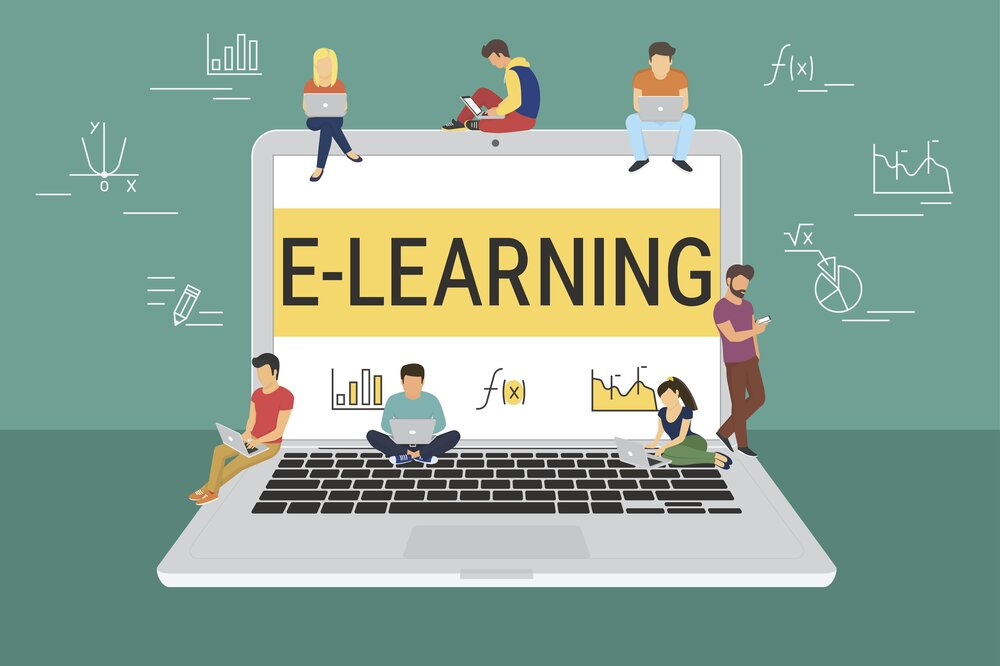
Level 1: Using digital technology in management
This level focuses on applying digital technology in the school’s management activities, including:
- Managing student, teacher, and school information: Using school management software to effectively manage student, teacher, and school information.
- Managing finances and assets: Using financial and asset management software to manage the school’s finances and assets transparently and effectively.
- Managing education quality: Using education quality management software to comprehensively monitor and evaluate the quality of education.
Level 2: Using digital technology in teaching
- Using educational software and applications: Using educational software and applications to support teaching, helping teachers and students access rich and diverse learning resources.
- Organizing online teaching: Using technology to organize online teaching, helping students access education more conveniently, especially those in remote, rural, or disadvantaged areas.
- Integrating technology into teaching: Effectively integrating technology into teaching to help teachers innovate their teaching methods, shifting from knowledge transmission to developing students’ competencies.
Level 3: Using digital technology for comprehensive educational innovation
- Building an online education system: Building an online education system to help students access education anytime, anywhere.
- Developing new educational models: Developing new educational models, such as personalized education, STEM education, etc.
- Creating a digital learning environment: Creating a digital learning environment to help students develop their competencies comprehensively.
For digital transformation in primary schools to be successful, close coordination is needed among many parties, including the Government, the Ministry of Education and Training, schools, teachers, and students. Depending on the actual conditions of each school, they can choose the appropriate level of digital transformation. However, it is important to remember that the ultimate goal of digital transformation in primary schools is to improve the quality of education and create learning opportunities for all Vietnamese children.
5. Examples of Digital Transformation in Education
Below are some examples of digital transformation in the management and teaching activities of primary schools:
- Using school management software to manage student, teacher, and school information. This software helps the school manage information effectively, saving time and costs.
- Using financial and asset management software to manage facilities and the school’s revenue and expenditure processes. This software helps primary schools manage finances and assets transparently, clearly, and reduce losses.
- Applying education quality management software to monitor and evaluate the teaching quality of teachers and the learning process of students. This helps the school improve the quality of education comprehensively and accurately.
- Applying educational software to support teaching, helping teachers and students access rich and diverse learning resources.
- Integrating technology into online teaching to make education easily accessible to students. At the same time, teachers can create new teaching methods, shifting from knowledge transmission to developing students’ competencies.
>> See more: Examples of Digital Transformation – 5 Latest Digital Transformation Trends Today
6. The Role of Teachers and Parents in the Digital Transformation Process
Digital transformation in primary schools is only successful when teachers and parents truly work together. The roles of these two groups are different but complementary: teachers lead the methods, content, and manage the digital classroom; parents support the home learning environment, monitor, and encourage the child’s learning behavior.
6.1. Teachers – The Center of the Digital Human Resource System in Schools
In modern digital transformation models, teachers are not just ‘implementers’ but are the central factor in the digital transformation process.
-
Electronic personnel record management: Teachers have personal profiles, professional competencies, achievements, training history, etc., updated periodically on the HRM system. This helps the school board easily assess capabilities and plan training.
-
Autonomy in professional development: Through the digital platform, teachers can register for skill enhancement courses, receive digital certifications, or track their own career paths.
-
Contributing student data: In an integrated digital system, teachers can submit feedback on student progress, helping the HR department identify needs for professional support or refine reward policies.
6.2. Parents – partners in the digital transformation ecosystem
Parents are reliable partners, helping to ensure that the data, processes, and goals of digital transformation in primary education are transparent and on the right track.
-
Transparent interaction: Integrated digital platforms allow parents to view schedules, provide teacher feedback, and evaluate the quality of education.
-
Contributing to policy feedback: Many schools conduct parent surveys through the system to gather opinions on teacher evaluations, the learning environment, and support services.
-
Building digital trust: When parents see that data (personnel, learning, results) is managed professionally and transparently, their trust in the school and the digital transformation system increases significantly.
Vinschool and Nguyen Sieu Primary Schools have implemented an HRM system integrated with an LMS (Learning Management System). As a result, parents can directly view learning progress, while teachers are evaluated based on their competence and training outcomes. This helps the schools build a transparent, trustworthy, and sustainable environment.

7. A step-by-step guide to selecting and implementing digital transformation for primary schools
Below is a practical 5-stage roadmap with specific steps, a checklist, and success metrics—designed for primary schools to easily adopt, reduce risks, and optimize budgets.
7.1. Step 1: Assess the current situation and identify needs
Before investing in technology, the school needs to assess:
-
The current personnel management system (manual, Excel, or standalone software?).
-
The readiness of teachers and HR staff for digital technology.
-
Difficulties in record-keeping, timekeeping, rewards, training, etc.
Example: A school with 80 teachers currently manages records via paper and email. Switching to an HRM system will help reduce administrative processing time by 60–70%.
7.2. Step 2: Choose a suitable platform for the educational environment
When selecting a management system, prioritize features such as:
-
Electronic record management for teachers and staff.
-
Tracking training roadmaps, teaching competencies, and rewards.
-
Connecting with a Learning Management System (LMS) for unified data sharing.
-
Integrating periodic evaluation reports and KPIs for each subject or professional group.
7.3. Step 3: Training and pilot implementation
-
Train HR staff and key teachers to use the system.
-
Pilot for one semester in 1–2 grade levels to measure effectiveness and gather feedback.
-
Collect real-world data: reduction in administrative hours, increased report accuracy, improved teacher/parent satisfaction levels.
7.4. Step 4: Standardize and expand school-wide
After a successful pilot, the school should:
-
Standardize evaluation and data storage processes.
-
Expand HRM for the entire school, linking it with student, financial, and facility management systems.
-
Periodically evaluate the ROI (Return on Investment) – the system’s investment efficiency.
7.5. Step 5: Maintain, secure, and continuously update
-
Maintain an in-house or outsourced technical team to support the HRM system.
-
Update data regularly: personnel records, achievements, disciplinary actions, training.
-
Comply with personal data protection regulations (PDPA) to ensure information security.
Digital transformation in primary schools is not just about bringing technology into the classroom, but also about comprehensively upgrading human resource management (HRM) – from teachers and staff to parents. When all parties participate, this process becomes transparent, efficient, and creates sustainable value for Vietnam’s education in the 4.0 era.
8. Digital transformation solutions in the education sector
Digital transformation in the education sector is a long-term process that requires the efforts of many parties. Below are some specific solutions for the digital transformation plan in primary schools:
8.1. Raise awareness among teachers and students about the importance of digital transformation in education in general and primary schools in particular
Each individual’s awareness of the importance of digital transformation in education is a crucial factor determining the success of the transformation process. Therefore, it is necessary to enhance communication and raise awareness among teachers and students about the importance of digital transformation in education. The communication content should focus on the benefits of digital transformation in education, such as:
- Enhance educational quality: Digital transformation helps teachers and students access rich and diverse learning resources, thereby improving the quality of education.
- Create learning opportunities for all children: Digital transformation helps students in remote, rural, and disadvantaged areas access education more conveniently.
- Develop necessary competencies for students: Digital transformation helps students develop essential skills for the digital age, such as creative thinking, problem-solving, teamwork, etc.
8.2. Build a digital learning environment with appropriate databases, network infrastructure, and technological devices
Databases, network infrastructure, and technological devices are the crucial foundation for digital transformation in education. Therefore, schools need to invest in building databases, network infrastructure, and technological devices that suit their needs.
- Databases need to be built in a unified, synchronized, updated, and secure manner. It serves as the platform for storing information of all parties related to education, including students, teachers, schools, educational institutions, etc.
- Network infrastructure: Build a synchronized system with high-speed, stable access that meets the usage needs of teachers and students, especially in remote and rural areas.
- Technological devices: Select devices appropriate for the usage needs of different parties in education, such as computers, tablets, smart teaching devices, etc.
8.3. Apply school management software to enhance professional operations, manage records, and accelerate the digital transformation process
This is a solution that many educational institutions are applying and have successfully implemented. This software helps to efficiently manage educational activities, such as managing student, teacher, and school information, managing documents, texts, finances, assets, and many other features that support a rapid digital transformation process.
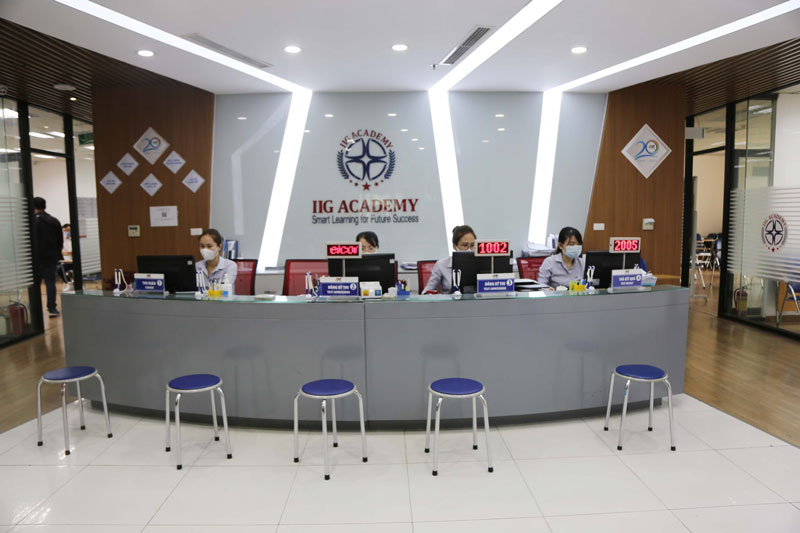
| >> Read more: How IIG Vietnam Effectively Manages 300 Employees |
In particular, 1Office software is a comprehensive solution that accelerates the digital transformation process in elementary schools. 1Office will help you enhance management efficiency, reduce manual work to focus on teaching, and simultaneously save time and costs for the education sector.
- Manage and store information about students, teachers, the school, and educational facilities
- Manage financial status, revenue and expenditure approval processes, and asset usage
- Assign, track, and manage teacher work schedules
- Manage, store, and synchronize lectures, contracts, documents, and learning materials
- Send alerts about important events and information to relevant parties.
- …
Explore 1Office software – a school management platform that helps manage all activities, from scheduling classes and managing documents to tracking progress and generating reports.
With the significant benefits it offers, school management software is being increasingly adopted by elementary schools. It has become an inevitable trend in the context of the Industry 4.0 revolution.
We hope this article has given you a better overview of the current state of digital transformation in elementary schools and helped you find suitable solutions. If you need a free consultation on a digital transformation roadmap for education or require school management software, please contact us via:
- Hotline: 083 483 8888
- Facebook: https://www.facebook.com/1officevn/
- Youtube: https://www.youtube.com/@1office-chuyendoisodn




