


 11/05/2026
  230 views
Did you know that 87% of CEOs see training as the key to leading in the digital age? In a context where businesses must constantly innovate to survive, training is not just about enhancing skills but also a strategic tool that helps C-level teams manage more effectively, build a culture of continuous learning, and retain talent. So, what exactly is training, and how can your business leverage it to break through? Let’s explore in this article!
Mục lục
- What is Training? Understanding its Core for Effective Implementation
- The Importance of Training: Why Should CEOs Care?
- The Role of Training in Modern Business
- Types of Training: Which Option is Right for Your Business?
- Training in Digital Transformation: The Power of the C-level Team
- Building a Continuous Learning Culture: The Key to Innovation
- How to Build an Effective Training Program for Your Business
- Linking Training and Career Development: A Strategy to Retain Talent
- Building Personal Development Paths Through Training Programs
- Linking Training with Promotion Opportunities and Compensation
- Creating an Engaging Learning Environment for Long-Term Development
- Evaluating Training Effectiveness in Retaining Key Employees
- Examples of businesses that have successfully applied this strategy
What is Training? Understanding its Core for Effective Implementation
The Definition of Training in Business
Training is the process of providing knowledge, skills, and work attitudes to help employees meet job requirements and contribute to the organization’s overall goals. Unlike traditional education with lengthy theoretical lessons, training focuses on practical application, helping employees solve specific problems right in the workplace.
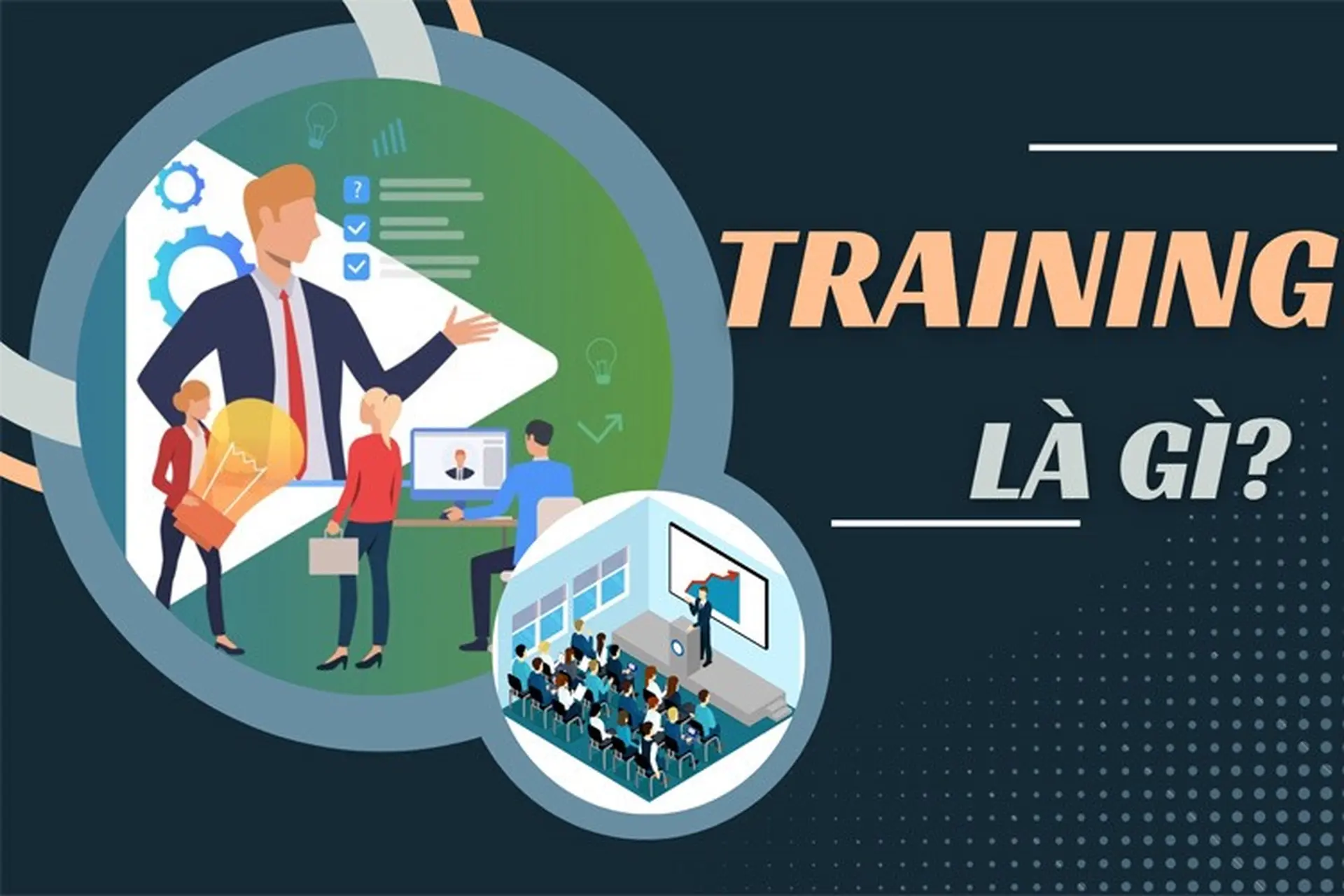
For example, a training program on using customer relationship management (CRM) software can help the sales team track customer data more effectively, thereby increasing the closing rate by 20%. For businesses, training is not just a one-off activity but a long-term investment in people, helping the organization adapt to rapid market changes.
Differentiating Between Training, Coaching, and Mentoring
To implement training effectively, you need to clearly understand the differences between training and related concepts like coaching and mentoring:
- Training: Focuses on developing specific skills in a short period, with clear objectives. For example, training employees to use data analysis tools to make faster decisions.
- Coaching: A personalized guidance process focused on improving performance in specific situations, such as helping a mid-level manager resolve team conflicts.
- Mentoring: Long-term support, career guidance, and holistic development, often for high-potential employees to prepare them for leadership roles.
Understanding these differences helps businesses choose the right training method, optimize effectiveness, and avoid wasting resources.
The Importance of Training: Why Should CEOs Care?
Enhancing Productivity and Organizational Efficiency
Training is a driving force for team productivity. When employees are equipped with the right skills, they work faster, more accurately, and deliver better results. According to a McKinsey study, businesses that invest in training can increase productivity by up to 20%, especially in sectors like retail, technology, and manufacturing.
For example, a sales team trained in negotiation skills can increase sales by 15% in just 3 months. This not only improves work efficiency but also minimizes wasted time and resources, helping the business optimize operational costs.
Motivating and Retaining Talent

In a competitive labor market, training is a way for businesses to show their commitment to employee development. When employees feel invested in, they tend to stay longer, reducing turnover rates. A LinkedIn survey revealed that 94% of employees would stay at a company longer if it invested in their learning and development.
Furthermore, an environment that encourages continuous learning not only retains talent but also attracts high-quality candidates, especially Millennials and Gen Z, who value personal development opportunities.
The Role of Training in Modern Business
Training is not just a supplementary activity but a strategic tool that helps businesses achieve sustainable growth. Here are the main benefits:
- Increases work efficiency and employee productivity: Training helps employees work faster and more accurately. According to McKinsey, businesses that invest in training can increase productivity by 20%. For example, a sales team trained in negotiation skills can increase sales by 15% in 3 months.
- Helps continuously update skills and knowledge: In a rapidly changing technological and market landscape, training ensures employees keep up with trends, such as using AI tools or data analytics.
- Enhances employee engagement and retention: Trained employees feel invested in, which increases their commitment. A LinkedIn survey shows that 94% of employees are willing to stay longer if provided with learning opportunities.
- Supports businesses in adapting to digital transformation and continuous change: Training equips teams with knowledge of new technologies, helping businesses undergo digital transformation effectively and compete more strongly.
Types of Training: Which Option is Right for Your Business?
Training methods can generally be classified into the following types:
Internal Training: Flexible and Cost-Effective
Internal training is organized within the company, often led by in-house experts or senior managers. This method helps save costs and is easily customizable to the specific needs of the business.
For example, a manufacturing company can organize internal training to guide employees on operating a new production line, ensuring everyone understands the process without needing to hire external partners. However, internal training requires a team of instructors with sufficient experience and practical knowledge.
External Training: Expanding Horizons

When a business needs to train specialized skills, such as financial management, data analysis, or new technologies, external training is the ideal choice. Experts or professional training organizations provide up-to-date knowledge and a global perspective, helping employees broaden their horizons.
However, the cost of external training is often higher, and businesses need to choose reputable partners to ensure quality. For example, a technology company might send its engineering team to an AI training course provided by an international organization.
Traditional Training (In-Person Classroom Training)
This has been the most common form of training, where learners and instructors are physically present in a classroom, auditorium, or meeting room.
Advantages:
- Direct interaction between instructors and learners, allowing for immediate clarification of questions.
- Easy to adjust content based on participant feedback.
- Creates a focused learning environment that encourages group discussions.
Limitations:
- Higher costs due to the need for space, equipment, and quality instructors.
- Lacks flexibility in terms of time and location, especially for businesses with a widely distributed workforce.
Example: A manufacturing company organizes an in-person course on occupational safety, allowing employees to practice procedures directly at the factory.
E-learning: The Modern Training Trend
E-learning is becoming a popular trend due to its flexibility and high accessibility. Online platforms like Coursera, Udemy, or LinkedIn Learning allow employees to learn anytime, anywhere, making it suitable for businesses with a distributed workforce.
For example, a multinational company can use E-learning to train digital skills for employees across multiple branches, ensuring consistency in training quality without organizing in-person sessions.
Advantages:
- Flexible in time and location, suitable for businesses with employees in multiple regions.
- Cost-effective compared to traditional training.
- Broad accessibility, allowing employees to learn through platforms like Coursera, Udemy, or internal systems.
Disadvantages:
- Lack of direct interaction, which can reduce engagement.
- Dependent on technology, requiring stable equipment and internet connection.
Example: A multinational company uses E-learning to train digital skills for employees at its global branches.
Training in Digital Transformation: The Power of the C-level Team
The Role of Training in Digital Transformation
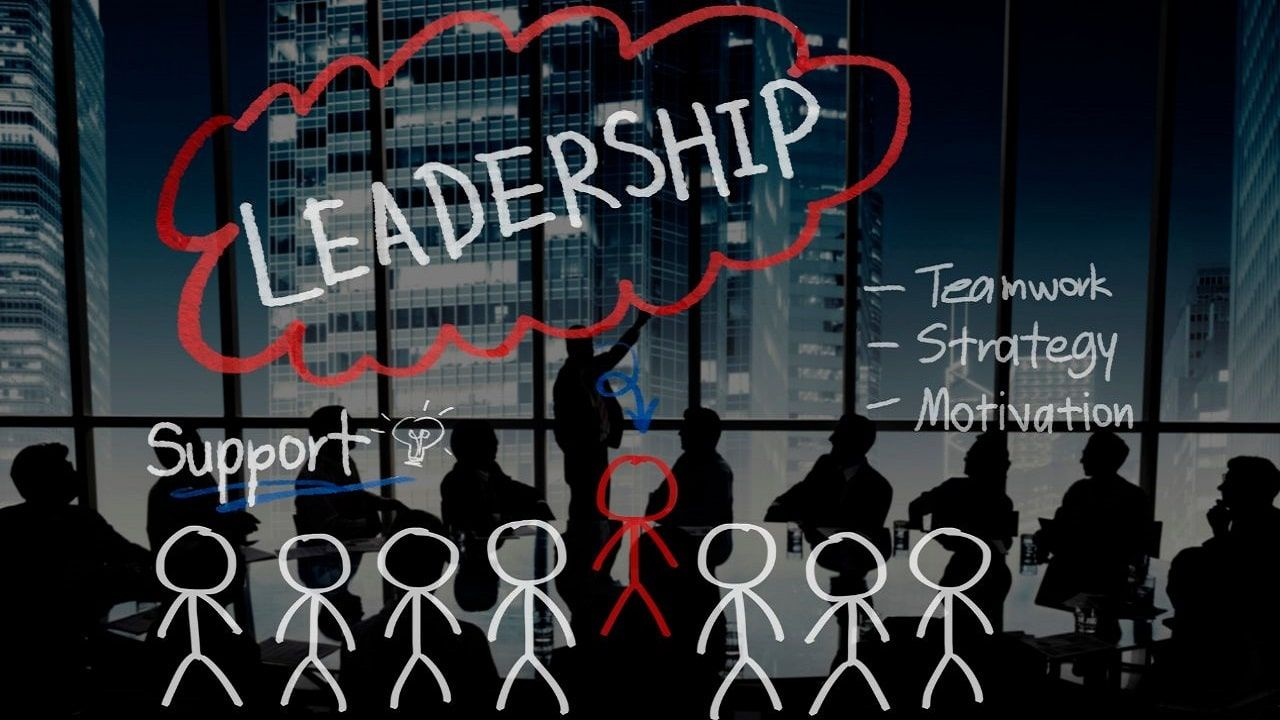
In the digital era, digital transformation is not just about adopting technology but also about changing the mindset and capabilities of the workforce, especially senior leaders. Training helps the C-level team and CEO understand new technologies like artificial intelligence (AI), big data, or automation, enabling them to make more accurate strategic decisions.
For example, a CEO who participates in a data analysis training course can use tools like Tableau to evaluate business performance, thereby optimizing the decision-making process and increasing efficiency by 25%. Training also helps employees at other levels become familiar with digital tools, minimizing risks during the transformation implementation.
Enhancing Management Capabilities for C-levels and CEOs
Training programs specifically for C-level executives focus on strategic leadership skills, such as change management, building cross-functional teams, or data-driven decision-making. These skills help leaders adapt to a volatile business environment, thereby guiding the company through challenges like economic crises or supply chain disruptions.
For example, a training course on crisis management can help a CEO develop an effective contingency plan, ensuring the business remains stable during unexpected situations. These programs also help C-level executives develop a global mindset, enabling them to devise competitive strategies suitable for the international market.
Building a Continuous Learning Culture: The Key to Innovation
Creating an Environment that Encourages Learning
A continuous learning culture encourages employees to constantly improve themselves, thereby fostering innovation within the organization. Businesses with a strong learning culture have a 30% higher rate of developing new products or services compared to competitors who do not invest in training.
For example, Google encourages its employees to spend 20% of their work time on learning and experimenting with new ideas, which led to the creation of revolutionary products like Gmail and Google Maps. In Vietnam, medium and large enterprises can adopt a similar model by organizing internal knowledge-sharing sessions or providing access to online courses.
Enhancing Innovation Capabilities

Training provides skills such as design thinking, creative problem-solving, or Agile project management, helping employees come up with breakthrough solutions. A well-trained team can propose ideas to improve processes, save costs, or enhance the customer experience.
For example, after training its team on design thinking, a retail company improved its online ordering process, reducing order processing time by 15% and increasing customer satisfaction. These innovations not only bring short-term benefits but also help the business maintain a long-term competitive advantage.
Building a Clear Development Path
Training should be designed to align with employees’ career progression paths, helping them see the long-term value of learning. For example, an employee trained in project management skills could be considered for a future management position, thereby increasing their motivation to work.
Businesses need to build personalized training programs based on the career goals of each employee. This not only helps employees develop but also ensures that newly acquired skills directly serve the organization’s strategic objectives.
Retaining Talent Through Training
In an increasingly fierce competition for talent, training is an effective tool for retaining outstanding employees. According to a Gallup survey, 74% of employees are willing to stay with a company if they are provided with learning and development opportunities.
For example, Unilever implements a young leaders training program, which helps retain 90% of its potential talent by providing courses on management and strategic skills. In Vietnam, businesses can adopt a similar model by investing in long-term training programs combined with clear promotion policies.
How to Build an Effective Training Program for Your Business
Building an effective training program is a crucial step to ensure employees are equipped with the necessary skills, helping the business achieve its strategic goals.
For CEOs and managers who are not HR specialists, think of training like preparing a soccer team: you need to know where the players are weak, what skills they need, and how to coach them to perform at their best.
Below are the specific steps to design an effective training program, explained clearly and simply.
Identify Training Goals and Needs
For a training program to deliver value, you must clearly understand what the business needs and what skills employees are lacking. This is like a doctor diagnosing an illness before prescribing medicine.
- Analyze employee strengths and weaknesses:
Start by assessing the current capabilities of your team. You can use surveys, interviews, or performance analysis to identify skill gaps. For example, if the sales team consistently fails to meet targets, they may need training in negotiation or customer care skills.- Specific actions: Organize a meeting with department managers to list common issues, such as missed deadlines or process errors. Use tools like 360-degree feedback forms to gather opinions from colleagues and superiors.
- Example: A retail company noticed that employees frequently made mistakes in inventory management, so it decided to provide training on using inventory management software.
- Determine needs based on business goals:
Every training program should be linked to the company’s major goals, such as increasing revenue, improving customer service, or digital transformation. For example, if the goal is to expand into international markets, you need to train employees in cross-cultural communication or skills for using market analysis tools.- Specific actions: Review the company’s business plan for the next 1-3 years. If the goal is to increase sales by 20%, prioritize training in sales or negotiation skills.
- Example: A technology company wanting to implement AI in production trained its team on how to use AI software, which helped increase production efficiency by 15%.
Choose the appropriate training format and content

Not all training programs are the same. Depending on the audience, industry, and company resources, you need to choose the right format and content, just like choosing the right tool to fix a car.
- Based on the audience, industry, and practical conditions:
- Audience: New employees may need basic training on work processes, while mid-level managers need leadership skills training. C-level executives might require strategic courses, such as change management.
- Industry: A manufacturing company might prioritize occupational safety training, while a tech company needs to focus on programming or data analysis skills.
- Practical conditions: If the budget is limited, E-learning is a cost-effective option. If high interaction is needed, in-person training will be more effective.
- Example: A retail company chooses E-learning to train customer service skills for employees across multiple branches, while organizing in-person workshops for managers to learn leadership skills.
- How to choose content: The content must be specific, practical, and address the right problems. For example, instead of general training on “communication skills,” focus on “how to handle customer complaints” so employees can apply it immediately.
Plan the organization and implementation of Training
An effective training program needs clear objectives, suitable content, and diverse methods (in-person, online, or blended). Businesses should choose instructors or partners with practical experience to ensure quality.
A training program needs to be meticulously planned, like organizing a major event. Everything from the time and location to the instructors must be carefully prepared.
- Schedule: Determine a suitable time to avoid disrupting work. For example, organize short training sessions on weekends or after work hours.
- Resources: Choose instructors with practical experience, who can be internal experts or external hires. Ensure adequate equipment is available, such as projectors, laptops, or online learning software.
- Support tools: Use a Learning Management System (LMS) like Moodle or TalentLMS to track progress and manage content.
- Example: A logistics company plans a 2-week training on warehouse management, with 3 in-person sessions and 5 online sessions, using an LMS to track assignments and feedback.
Evaluate Training effectiveness
To measure effectiveness, businesses need to use KPIs such as job completion rates, employee satisfaction levels, or revenue growth. Collecting feedback from employees after training also helps improve future programs.
To know if a training program is effective, you need to measure the results, just like checking if a dish has been cooked according to the recipe.
- Feedback: Collect opinions from employees through post-course surveys or interviews. Ask them if the content was easy to understand and applicable to their work.
- KPIs: Use specific metrics, such as a 10% increase in sales after sales training, or a 20% reduction in operational errors after technical training.
- Satisfaction surveys: Assess employee satisfaction with the instructor, content, and training format.
- Example: After a customer care skills training, a company noticed a 25% decrease in complaints, proving the program’s success.
Continuous adjustment and improvement
Training is not a one-time activity. Based on feedback and results, businesses need to continuously improve to ensure long-term effectiveness.
- Analyze feedback: If employees find the course too theoretical, add practical exercises.
- Update content: The market and technology change rapidly, so training content needs to be updated regularly. For example, if the company adopts new software, organize additional training.
- Example: After customer service training, a retail company found that employees still struggled with complex complaints, so they added a practical workshop session.
Linking Training and Career Development: A Strategy to Retain Talent
In a competitive labor market, retaining talent is a major challenge for businesses. Training is not just a tool for skill enhancement but also a way to build a career development path, motivating employees for long-term commitment. For those not specialized in HR, think of this strategy as building a career path: you need to map out the route, set milestones, and support employees in heading in the right direction.
Building Personal Development Paths Through Training Programs
An effective Training program must be linked to employees’ career goals, helping them see the long-term value of learning.
- Specific approach: Work with each employee to understand their personal goals, such as wanting to become a manager or a specialist in a specific field. Then, design Training courses that align with this path.
- Example: A sales employee who wants to be promoted to regional manager can be trained in leadership and project management skills.
- Benefits: When employees see that Training helps them get closer to their career goals, they will be more motivated to participate and contribute.
- Implementation: Organize periodic reviews (quarterly or annually) to update development paths and adjust Training programs according to new needs.
- Real-world example: A tech company designed a 12-month training path for high-potential employees, including courses on advanced programming and management skills, helping 80% of them get promoted within 2 years.
Linking Training with Promotion Opportunities and Compensation
Training is more effective when linked to clear rewards, such as promotions, salary increases, or other perks.
- Specific approach: Establish a transparent policy where completing Training courses is a prerequisite for promotion consideration. For example, require employees to complete a team management course before applying for a management position.
- Benefits: Employees will see that Training is not just a task but an opportunity to advance their careers and increase their income.
- Implementation: Combine Training with reward programs, such as awarding certificates or giving public recognition to employees who excel.
- Example: A retail company offers a cash bonus to employees who complete customer service training and gives them priority consideration for store manager positions.
Creating an Engaging Learning Environment for Long-Term Development
An environment that encourages learning not only helps employees develop but also fosters a sense of connection to the company.
- Specific approach: Build a learning culture by organizing internal knowledge-sharing sessions, providing access to online courses, or creating a “learning library” with documents and videos.
- Benefits: Employees feel invested in and have opportunities for continuous development, which reduces turnover rates. According to Gallup, 74% of employees are willing to stay with a company if they are offered learning opportunities.
- Implementation: Encourage leaders to lead by example, such as by participating in courses or sharing their personal experiences in meetings.
- Example: A manufacturing company organizes a monthly “Learning Day” where employees share new knowledge, helping to increase team engagement by 30%.
Evaluating Training Effectiveness in Retaining Key Employees
To ensure Training truly helps retain talent, its effectiveness must be measured specifically.
- How to measure:
- Employee retention rate: Compare the turnover rate before and after implementing the Training program.
- Satisfaction level: Survey employees about their perceptions of learning and development opportunities.
- Internal promotion rate: Assess how many employees were promoted thanks to skills learned from Training.
- Example: A financial company, after implementing a young leaders training program, saw its key employee turnover rate drop from 15% to 5% within one year.
Examples of businesses that have successfully applied this strategy
Unilever is a prime example of linking training with career development. The company implements a “Young Leaders” program, offering courses in management skills, strategy, and innovation for potential employees. As a result, Unilever has retained 90% of its key talent and built a strong leadership team, contributing to the company’s sustainable growth.
In Vietnam, a major retail company applied a similar strategy, training sales staff in customer care and store management skills. Employees who completed the course were given priority for promotions, which helped reduce the turnover rate by 20% and increase store revenue by 15%.
———————————————
Training is not just a tool for skill enhancement but also a strategy to help businesses with digital transformation, build a culture of continuous learning, and retain talent. With a well-structured training program, you can turn your workforce into your most valuable asset, taking your business to new heights. We hope the information in this article has thoroughly answered your questions about what training is, and the strategies for building a training plan to boost employee capabilities and retain talent!
















