


 12/05/2026
  258 views
The human resources department plays a key role in ensuring the company has enough suitable personnel for each specific position, while also building a fair and mutually respectful work environment. In this article, we will delve deeper into what human resources is, its role in a business, as well as the skills and factors required for those working in HR.
Mục lục
1. What is Human Resources?
Human Resources (HR) is a crucial department in any organization, playing a key role in recruiting, training, and managing employees. HR is not just about handling administrative procedures, but also a strategic process aimed at optimizing the organization’s operational efficiency through the management and development of human capital.

- What is Human Resources?

Simply put, the HR profession is responsible for managing the entire employee lifecycle, from attracting, recruiting, and training, to retirement or termination. Additionally, they manage benefits, ensure a healthy work environment, retain talent, and promote productivity, loyalty, and dedication among employees towards the organization.
2. The Role of Human Resources in a Business

2.1 Compliance with Current Labor Laws
The HR department must ensure that all activities within the organization fully comply with the provisions of current Labor Laws. They need to have a firm grasp of and accurately apply regulations related to recruitment, working conditions, salaries, benefits, occupational safety, and labor insurance.
If a business violates labor regulations, it may face administrative or legal penalties, including fines or even lawsuits. Therefore, ensuring compliance with current Labor Laws is crucial for the sustainable development and success of the organization.
2.2 Recruiting and Developing Talent
HR is responsible for finding, recruiting, and training competent employees who fit the company’s needs. They build and implement recruitment programs, conduct interviews, and evaluate candidates to hire the most suitable people.

- Recruiting and Developing Talent

In addition, they also design and implement training and skill development programs for employees, helping them enhance their capabilities and adapt better to their jobs.
2.3 Managing and Retaining Personnel
HR is responsible for managing employee-related policies, such as salary, bonuses, benefits, leave policies, rewards, discipline, etc. They build and implement these policies fairly and effectively to motivate and engage employees with the organization.
Furthermore, HR also plays a significant role in building corporate culture, promoting team-building activities, fostering employee engagement, and maintaining a positive and dynamic work environment.
3. Specific Job Groups in the HR Profession
3.1 Recruitment
Recruitment is a key role of the HR department. HR needs to clearly understand the business’s needs and ensure those needs are met when hiring for new positions.

- Specific Job Groups in the HR Profession – Recruitment

The HR recruitment field is not as simple as just posting ads on job search sites. You will need to analyze the market, consult with stakeholders, and manage budgets effectively.
The main tasks in recruitment include:
- Planning and strategizing recruitment
- Sourcing and attracting suitable candidates
- Organizing interview processes and evaluating candidates
- Checking and verifying candidate information
- Negotiating and signing employment contracts
3.2 Training and Development
The HR department also handles the training and development of the workforce. This work includes designing suitable training programs, finding instructors and training providers, and monitoring the training process. After completing a training program, the HR department needs to evaluate each employee’s performance to make appropriate adjustments.
3.3 Administrative Tasks
Administrative tasks include managing the workforce, implementing policies from upper management, conducting internal investigations, and several specific duties as follows:
- Organizing and storing personnel records.
- Updating internal information.
- Tracking payments for fixed office expenses, including office rent, utility bills, office supplies, etc.
- Preparing HR-related documents such as employment contracts and recruitment guides for new positions.
- Drafting contracts with supply partners, including office lease agreements, suppliers, procurement partners, etc.
- Updating and supplementing new company policies and regulations.
- Answering employee inquiries related to HR issues.
3.4 C&B (Compensation & Benefits)
Besides paying monthly salaries commensurate with employees’ efforts, the benefits area – which includes non-cash benefits that the company provides to employees – also plays a very important role in motivating and retaining employees.

>>>Read more: What is C&B? Specific C&B tasks in a business
Tasks in the C&B area include:
- Calculating monthly salaries, personal income tax (PIT), allowances, and bonuses for employees.
- Preparing monthly internal cost reports and payrolls, PIT reports, and other legally required reports for authorities.
- Handling HR activities and benefits administration, including voluntary insurance, life insurance, health insurance, as well as benefits for expatriates, partners, and directors.
- Assisting the HR Director in developing and implementing reward, recognition, and wellness programs.
- Preparing data and collecting salary surveys.
- Managing employee data and records, labor contracts, and databases for overtime and extra hours.
- Assisting HR Directors with annual salary reviews, performance appraisals, promotion programs, etc.
- Assisting in the preparation of the annual budget.
- Performing other tasks as assigned by the HR Manager.
- Participating in supporting HRM in implementing team projects and initiatives.
3.5 Performance Management and Evaluation
This area of work requires the HR department to define specific goals and expectations, while regularly reviewing results. Each goal should be personalized for each employee and adjusted as needed.

This aims to provide employees with real-time feedback on their performance, helping them make necessary adjustments and motivating them to complete their work to the best of their ability.
The main tasks in performance management and evaluation include:
- Building and implementing a performance management system
- Setting goals and performance evaluation indicators for employees
- Guiding and training managers on performance evaluation
- Conducting periodic performance reviews and exchanging feedback with employees
- Proposing reward and disciplinary measures based on evaluation results
3.6 HR Data Analysis and Reporting
In recent years, human resource management has reached a new level thanks to the ability to use HR data to make more accurate decisions.
HR data reports are documents compiled from various HR datasets and metrics, presented in an easy-to-understand way. HR Analytics is the process of examining and drawing deep insights from the data in reports, while also discovering relationships between datasets.
The main tasks in HR data analysis and reporting include:
- Collecting, compiling, and analyzing HR data
- Designing and building reports and dashboards on the HR situation
- Forecasting and proposing suitable HR strategies and policies
- Supporting other departments in making decisions based on HR data
4. Necessary Skills and Requirements for HR Professionals
Working in the human resources field requires certain skills and qualities to perform the job effectively. Below are some of the necessary skills and requirements for those in the HR industry:
4.1 Ability to Handle Work Pressure
HR professionals often face high work pressure, especially during large-scale recruitment periods or when dealing with complex personnel issues. Knowing how to manage pressure and maintain composure in the workplace will help them complete their assigned tasks well.
4.2 A Genuine Interest in People
HR acts as an intermediary between the company and its employees, so having a genuine interest in, listening to, and understanding people is very important. Communication skills, empathy, and conflict resolution abilities help them create a positive work environment and support employee development.
4.3 Problem-Solving Skills
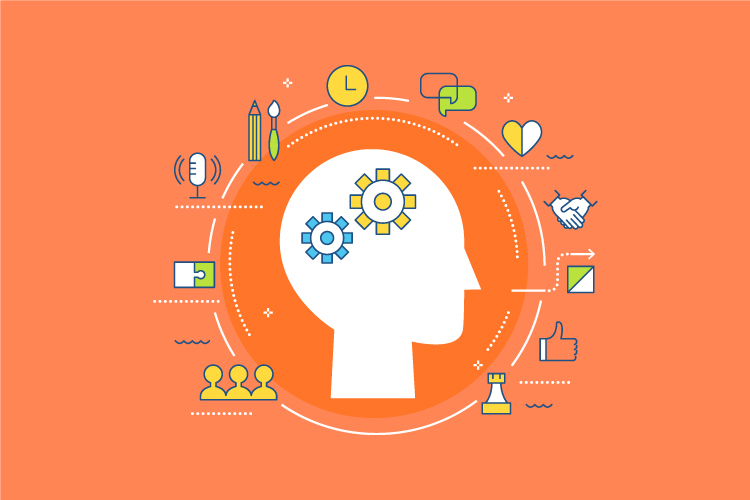
HR professionals often face complex issues related to personnel and labor. Having the skills to analyze, assess situations, and provide effective solutions will help them handle difficult situations well.
4.4 Organizational Skills and Responsibility
Managing HR information and data requires a high degree of organization and responsibility. HR professionals must ensure that all information is stored and processed accurately, complying with information security regulations.
4.5 Analytical and Evaluation Skills
Analyzing HR data and evaluating employee performance requires HR professionals to have skills in data analysis and accurate information assessment. This helps them make decisions based on reliable data and information.
4.6 Growth Mindset
The HR industry is constantly changing and evolving, so it’s crucial to have a willingness to learn and stay updated with new knowledge. HR professionals must continuously enhance their skills and knowledge to meet the demands of an increasingly complex work environment.
5. Conclusion
The information above provides a detailed overview of the human resources field and the role of HR professionals within a business. We hope this article has helped you understand what an HR department is, its role, the main functions it handles within a company, and the skills and requirements needed to be an HR professional.
















