


The 4Ps of Marketing and Effective Marketing Strategies for Businesses


When bringing a product to market or expanding the customer base, the 4Ps of Marketing play a crucial role in helping managers implement effective marketing strategies. So, what are the 4Ps of Marketing and how are they applied? Let’s find out in the article below.
Mục lục
1. The Concept of the 4Ps of Marketing
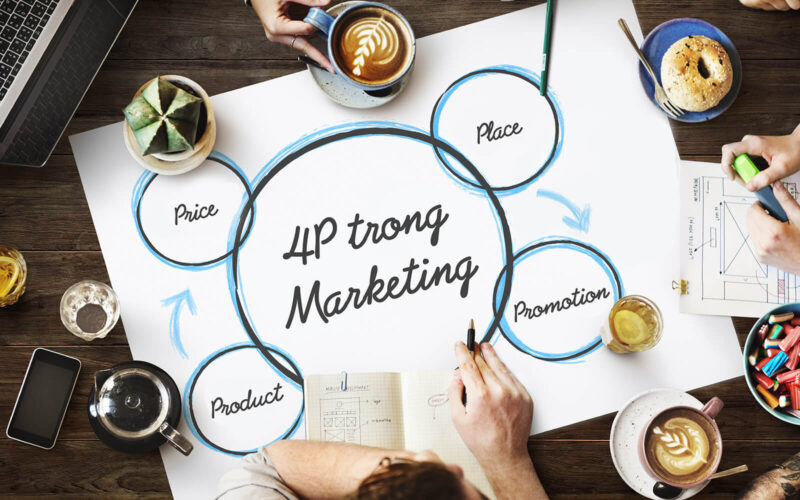
In Marketing, the 4 factors that directly influence the results of a company’s marketing campaigns include: Product – Price – Place and finally Promotion. This is known as the “4Ps of Marketing” – a fundamental marketing model also called the Marketing Mix. The Marketing team must always prioritize these 4 factors when implementing marketing development strategies as needed.
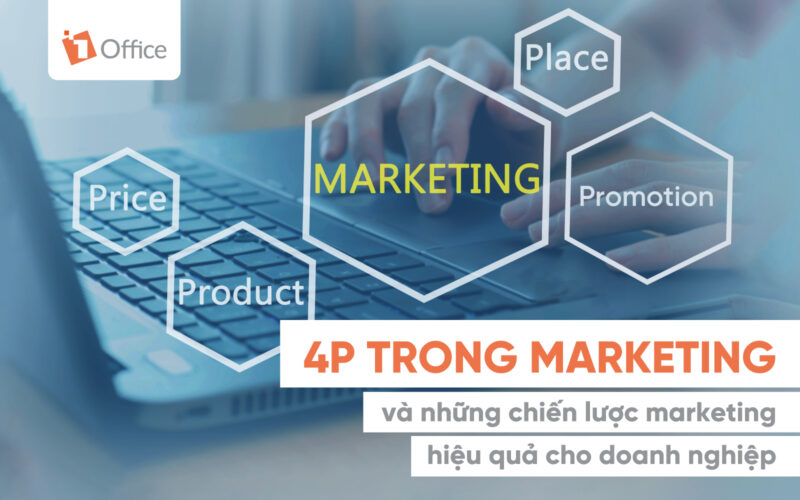
The 4Ps of Marketing are specifically:
– Product (Product or service): This factor emphasizes what you are selling. Clearly understanding the product or service the business is selling is the most fundamental step in planning product marketing. Without understanding the product’s nature, such as its features, specifications, benefits, role, or market, it’s impossible to advertise the product effectively, and it might even misrepresent the product’s essence. A quality product or service is the most crucial factor in promoting the product to customers.
– Price: Price is always a critical factor in market competition. What will be the price of this product? Is this price high or low compared to products in the same segment? At that price point, who is the target audience? Determining the product’s price is important for positioning the brand in the market (for premium goods) or for achieving wide market coverage where the product can be used by all customer segments (for common goods).
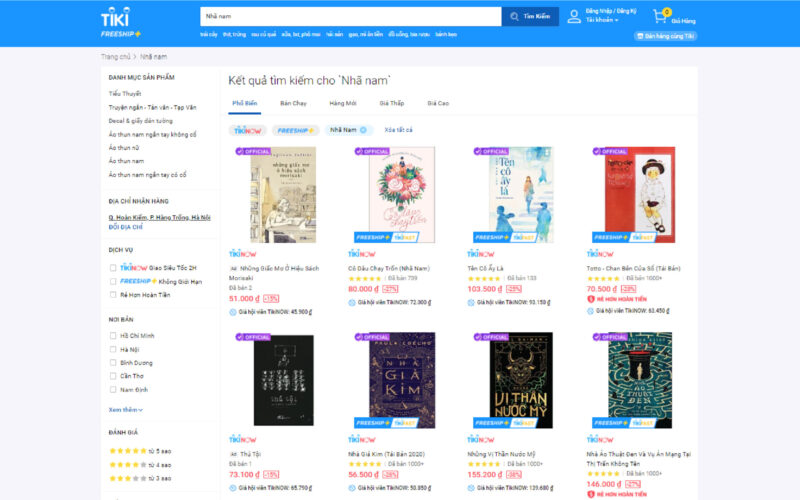
– Place (Distribution channel): This factor answers the question: Where will customers buy your product? There are two distribution channels: direct and indirect. In direct distribution, the manufacturer sells directly to customers through the company’s website or stores, without intermediaries. Indirect distribution involves the manufacturer selling through intermediaries or e-commerce platforms. For example, when buying a book from Nha Nam publishing house, a buyer can purchase it directly from a Nha Nam store or indirectly through e-commerce sites like Tiki or Shopee.
– Promotion: This is considered the company’s method of promotion and marketing. Common ways to reach customers today include Advertising (television, newspapers, internet, running Google Ads, Facebook Ads); Marketing (product introductions at shopping malls, sending catalogs to customers, sending product samples for trial, or offering free service trials); and Public Relations (press conferences, exhibitions, event organization, trade fair participation, etc.). Depending on the specific product or short-term and long-term goals, there will be different ways to promote the product.
2. The Role of the 4Ps in Marketing
When applying the 4Ps of Marketing to building product marketing strategies, it will create significant “boosts” for the business, such as:
- Drives the creation of more quality products: In the process of understanding the market, trends, competitors, and customer needs, businesses and manufacturers will have specific requirements for their products. What will be the factor that impresses customers, or what must be done for the product to be well-received? This will motivate manufacturers to constantly search, research, and bring quality products to the market to meet consumer demands. Everyone understands that in the 4Ps of Marketing, the Product element is always one of the most important, a core factor.
- Enhances the company’s brand value: The more businesses focus on marketing when advertising a product, the more it demonstrates the company’s meticulous investment and expectations for that product. This contributes to enhancing the company’s value in the eyes of consumers, promoting the product’s brand to customers, and boosting sales. For example, in the advertising campaign for Viettel Pay, Viettel collaborated with rapper Den Vau – this was a highly viral campaign that successfully brought the product to a wide consumer audience.
- Creates a fair competitive environment: When studying the 4Ps of Marketing, a business will realize that the role of each small element—from product, price, distribution, to promotion—is equally important. This requires the business to focus on building an effective marketing strategy. Every business has an equal opportunity to compete in today’s environment by investing in researching and bringing quality products to the market.
3. Applying the 4Ps with effective strategies for businesses
Applying the 4Ps of Marketing to a real business always requires a lot of time for research and implementation. Because moving from theory to practice is always a difficult problem, it requires business leaders and marketing teams to learn and research how to apply it to their own company. Marketing effectiveness measurement metrics have shown that building an effective marketing strategy helps businesses benefit in terms of both revenue and brand reputation. Depending on individual factors like Price – Product or Place/Promotion, businesses will build different marketing strategies, such as:
- Product strategy: For a company’s product, the manufacturer will identify its advantages over competitors’ products to leverage its strengths or find a development direction that impresses customers. For example, Korean cosmetics are famous for their diverse and attractive product packaging designs. This is also one of the highlights for customers when buying Korean products.
- Product pricing strategy: This is a strategy that outlines directions for product pricing before it reaches the consumer. It can include market penetration pricing (a low price to attract a customer base); price skimming (the highest price to reap the highest initial profit, then gradually lowering it); combo pricing strategy (buying 2 products in 1 combo at a cheaper price than buying them separately), or bundled pricing strategy (buying a high-value product comes with an offer to buy another product at a lower price), etc. Product pricing strategies when applying the 4Ps in Marketing need to be flexible and applied diversely in each field.
- Product distribution strategy: The goal of product distribution strategies is to find ways to get the product into the hands of consumers. The business will research which channels are popular and have high customer reach to invest in bringing the product there. For example, expanding stores (which will consider factors like the customer base there, demographics, purchasing power, security, etc.) – this is a direct distribution channel. A typical example is clothing stores for young people often concentrating around universities. Or selling indirectly through e-commerce websites as mentioned in the example above. In addition, there is also intensive/exclusive distribution, etc.
- Product promotion strategy: An advertising strategy consists of actions that help a business achieve its goal of introducing its product to the public through selected effective marketing channels such as running ads on the internet, on television, radio, or collaborating on events, press releases, etc. Different types of products will have different promotion methods depending on the target customer base. You’ll notice that cosmetics often come with samples, trial products, and catalogs; for music or film releases, producers will organize press conferences and events; clothing brands run ads on Facebook or Instagram. Currently, marketing automation is also widely applied in businesses when selling B2C or B2B.
In conclusion, the 4Ps in Marketing are the key for marketers to understand the market and build an effective marketing plan. If you don’t have a clear understanding of the product – price – place of distribution or promotion methods, you will easily encounter difficulties in setting a marketing direction and achieve undesirable results. Today, during the digital transformation process, marketing management software is also being developed to help businesses summarize information gathered from market research and customer interactions to build effective marketing plans. Through this article, 1Office hopes to have provided readers with useful information about Marketing to work more effectively.




