12/05/2026
  365 views
Middle management competency is a crucial factor in ensuring the sustainable development of a business. Department heads not only need the ability to perform tasks but also need leadership skills to inspire and motivate employees. In this article, we will explore effective ways to assess and develop middle management competencies.
Mục lục
Why is it necessary to enhance middle management competencies?
Middle management acts as a bridge between senior leadership and employees, helping to translate major strategies into specific actions. When this competency is enhanced, it not only improves individual performance but also contributes to optimizing work processes within the organization.

A competent middle manager can detect and resolve issues from the outset, thereby preventing potential risks. They can also create a more positive work environment, fostering creativity and innovation within the team. Furthermore, enhancing middle management competency helps strengthen the corporate culture. A strong management team that knows how to coordinate and lead employees will build trust, thereby reducing turnover rates and boosting morale.
Essential competencies for a middle manager
To become an effective middle manager, there are several fundamental competencies they need to possess. These competencies include planning, monitoring, evaluating performance, motivating employees, task delegation and authorization skills, as well as problem-solving and decision-making abilities.
As a manager, you not only need to complete tasks but also need to develop leadership skills and support employees in their daily work. A good middle manager must know how to combine professional skills with leadership skills to achieve the best results.
Planning
Planning skills are the foundation for any manager. First, planning helps define specific goals and assign tasks to each team member. A good plan will include specific steps to be taken, completion deadlines, and necessary resources.
Additionally, planning helps managers anticipate potential risks and challenges, allowing for timely preventive measures. Planning doesn’t just stop at setting goals; it also involves monitoring and adjusting the plan as needed.
Finally, planning skills also include re-evaluating the effectiveness of the implemented plan. This is a crucial step that helps managers draw lessons and make adjustments for future plans.
Monitoring and evaluating work performance
Monitoring and evaluating work performance is one of the most important tasks of a middle manager. However, it’s not just about checking work results, but also about closely monitoring the work process of each employee.

A good manager knows how to provide constructive and supportive feedback, focusing not only on mistakes but also on employees’ strengths. This will help motivate employees to reach their full potential while improving their work performance.
Furthermore, performance evaluation also serves as a basis for making decisions about training, promotions, or rewards and penalties for employees. Through regular evaluations, managers can identify potential employees and help them develop further in the future.
Motivating employees
Motivating employees is one of the most challenging yet crucial tasks for a middle manager. Not all employees have the same level of enthusiasm and motivation, so the manager’s role is to create a work environment that encourages growth and creativity.
Managers should listen to employees’ opinions and create opportunities for them to participate in decision-making. When employees feel they have a voice, they will take more responsibility for their work.
Additionally, recognizing and rewarding employees’ efforts is also very important. Sincere praise and well-deserved rewards will be a great motivation for them to strive even harder in their work.
Delegation and authorization skills are among the most critical competencies a middle manager needs to ensure the operational effectiveness of the team and the business. When delegating tasks, a good manager not only assigns work according to each member’s abilities but also sets clear goals and provides necessary guidance. This helps minimize errors, ensures work progress, and allows employees to clearly understand their role in the bigger picture.

Authorization is not just about “offloading work”; it is also a way to build trust and encourage proactivity from the team. When managers empower and trust in their employees’ abilities, they boost the confidence and sense of responsibility of each individual. As a result, the team becomes more cohesive and works more effectively, and the business benefits from a team capable of strong self-management, reducing dependency on a single individual.
Problem-solving & decision-making
Problem-solving and decision-making skills are core factors that help middle managers maintain stability and drive team performance. In a business environment, where problems can arise unexpectedly, the ability to logically analyze situations, identify root causes, and propose practical solutions is indispensable. Managers not only need to be quick in making decisions but also must ensure that those decisions are based on data, context, and the long-term benefits for both the team and the organization.
The ability to make effective decisions brings clarity and direction to the entire team, especially during difficult times. When managers handle problems proactively and transparently, they build trust with their employees and motivate the entire team. This not only helps to quickly resolve immediate situations but also promotes a positive work culture where everyone is willing to cooperate to achieve common goals.
Top 5 Effective Ways to Evaluate Middle Manager Competencies
Evaluating the competencies of middle managers is not only based on work results but also on various other factors. A combination of different methods can be used to assess management capabilities. Using a combination of the above methods helps businesses not only accurately assess the competencies of middle managers but also build appropriate development plans, ensuring the management team is capable of driving efficiency and sustainable growth.
Method #1. Evaluation based on a Competency Framework
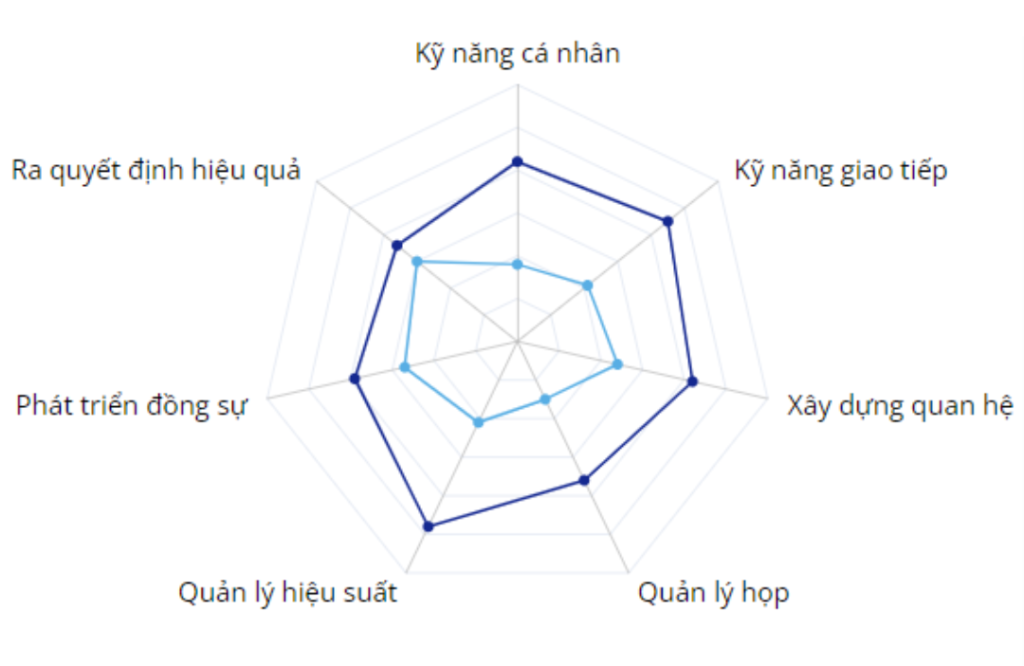
The competency framework is designed based on the necessary skills and qualities of middle managers, such as leadership, delegation, performance management, decision-making, and problem-solving. Businesses can use a detailed criteria sheet to assess how well each individual meets the job requirements. This method not only helps quantify current competencies but also helps identify gaps that need to be improved to meet desired standards.
Method #2. 360-Degree Feedback
This method collects feedback from multiple stakeholders, such as superiors, colleagues, subordinates, and the managers themselves. This is an effective way to get a comprehensive view of a middle manager’s competencies in aspects like communication, coordination, and team leadership. Multi-dimensional feedback helps identify strengths as well as areas for development, thereby building a specific improvement roadmap.
Method #3. Evaluation via KPIs and OKRs
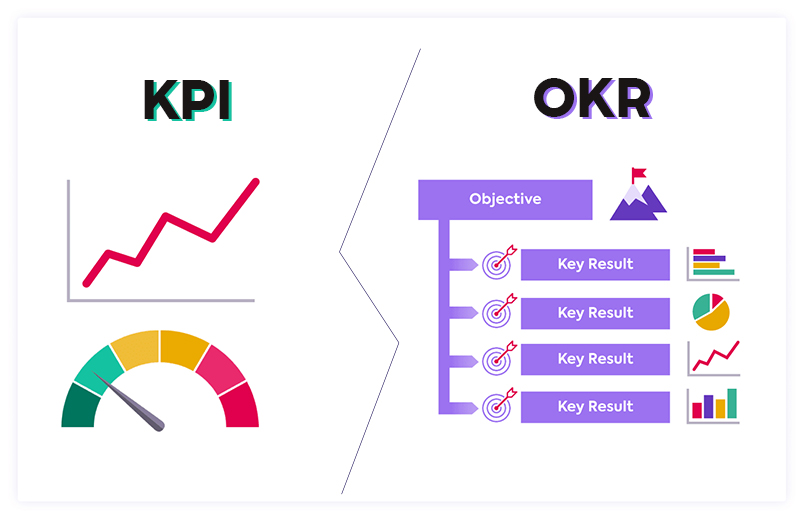
Middle managers are often directly responsible for their team’s work results. Businesses can evaluate competencies based on the completion of Key Performance Indicators (KPIs) or Objectives and Key Results (OKRs). This method focuses on practical results, helping to clearly reflect the manager’s leadership effectiveness, resource allocation ability, and ability to ensure work progress.
KPIs focus on quantitative indicators, reflecting operational efficiency in specific areas, while OKRs help define objectives and key results, guiding development and continuous improvement. Applying both methods simultaneously allows businesses not only to closely monitor current performance but also to encourage middle managers to work towards long-term strategic goals.
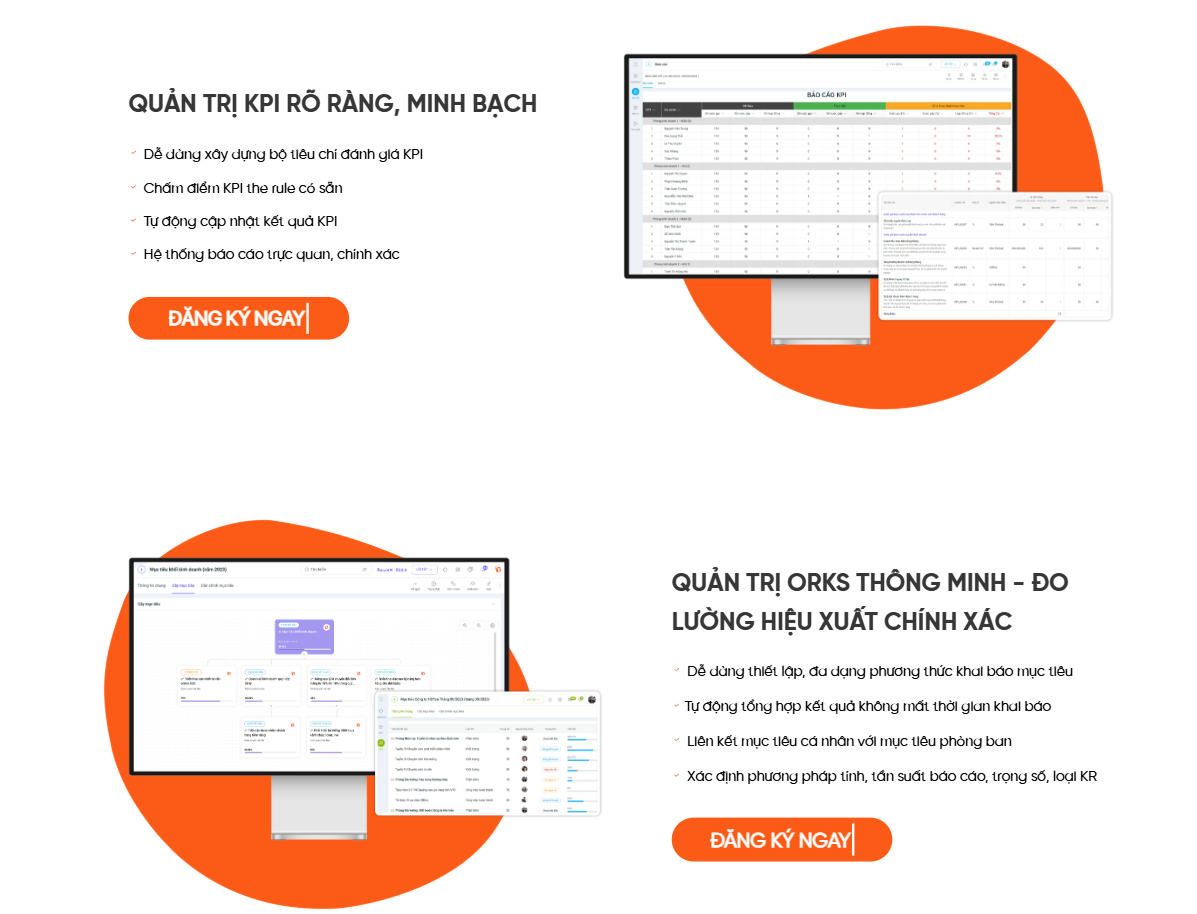
To support this process, software solutions like 1HRM provide a comprehensive KPI and OKR goal management system, helping administrators easily track and evaluate the performance of the middle management team. Similarly, the 1Office software also provides features related to KPIs and OKRs, including:
- KPI Criteria Management: Define key KPI indicators to ensure work efficiency.
- OKR Goal Setting: Support business operations by assigning personnel to clearly defined and measurable goals.
- Performance Tracking and Evaluation: Provide a set of tools for accurate measurement and objective assessment to make decisions about work performance.
- Integration with Payroll System: Directly link performance results to the payroll, automatically calculating appropriate salaries based on work outcomes.
Sign up for a free 1HRM demo experience!
Using the 1HRM solution helps businesses easily digitize the entire evaluation process, ensuring transparency and accuracy in performance management, thereby enhancing the leadership capabilities and work efficiency of middle managers.
Method #4. Evaluation through regular meetings
Regular meetings are also an effective method for evaluating management capabilities. In these meetings, middle managers can report on work progress, as well as the difficulties they are facing.
This not only helps senior leadership better understand the work but also creates opportunities for managers to receive feedback and guidance from colleagues. Through this, they can adjust and improve their management style.
3 methods for developing middle management capabilities
Developing capabilities for middle managers is a continuous process that requires investment from both individuals and the organization. There are various methods for capability development, from attending courses to hands-on practice through real projects.
Training and development
One of the most effective ways to develop management capabilities is through training. Businesses can organize in-depth training courses on leadership, communication, problem-solving, and time management skills.
Additionally, participating in workshops and conferences helps managers stay updated on new knowledge and industry trends. This knowledge not only enhances individual capabilities but also benefits the entire team.
Hands-on experience through real projects
Practical application is an extremely important method for developing capabilities. Middle managers should be assigned real projects to apply their knowledge and skills. This not only helps them practice but also makes them more confident in managing their work.

During project implementation, managers should also seek support from experienced colleagues. Exchanging ideas and learning from one another will contribute to enhancing the management skills of the entire team.
Developing soft skills
Besides professional expertise, soft skills are also very important in developing management capabilities. Skills such as communication, teamwork, and leadership will help managers integrate better with employees and create a positive work environment.
Businesses can organize soft skills training sessions for middle managers. These training sessions will help them become more aware of their roles and how to interact effectively with employees.
Effective capability management models for middle management teams
There are various capability management models for middle management teams that businesses can refer to. Each model has its own unique characteristics and is suitable for different types of businesses.
Management by Objectives model
The Management by Objectives (MBO) model is a popular method that helps middle managers set specific goals for their teams. These goals must be clear, measurable, and have a deadline for completion.
Through this model, managers can easily track the work progress of each employee and adjust plans as needed. This model also encourages employees to take responsibility for their own work and strive to achieve the set goals.
Competency-based management model
The competency-based management model focuses on identifying and developing the necessary competencies for each position within the organization. Middle managers will use this model to assess the capabilities of each employee and plan appropriate training.
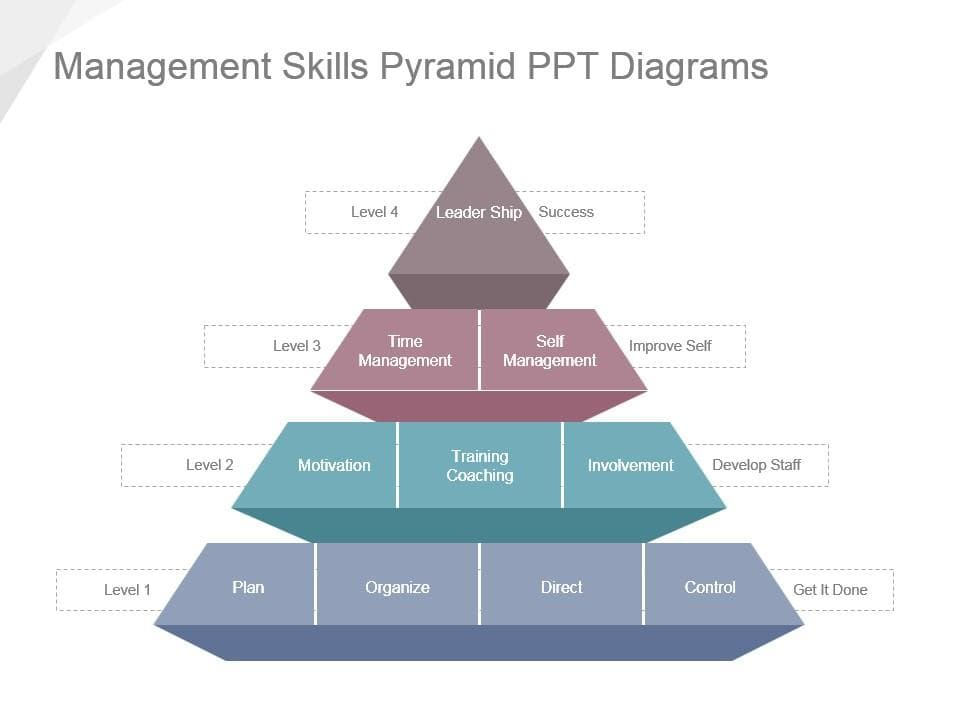
This helps optimize workflows and ensures that each employee can maximize their capabilities. This model also helps businesses more clearly identify the resources needed to achieve their goals.
Agile management model
The agile management model is a modern approach that helps middle managers respond quickly to changes in the work environment. This model encourages flexibility and creativity in work methods.
Middle managers will need to develop better communication and coordination skills to ensure that every team member clearly understands their goals and tasks. This not only helps strengthen team cohesion but also boosts work performance.
—————————–
Middle management capability plays a crucial role in the sustainable development of a business. Evaluating and developing this capability not only helps improve work performance but also creates a more positive work environment. To develop middle management capabilities, businesses need to focus on factors such as training, practical application, and soft skills development. At the same time, implementing effective management models will also help optimize workflows within the organization.
Enhancing leadership capabilities for middle managers is not just a necessary requirement but also a long-term investment in the future of the business. With a strong management team, a business will be able to overcome challenges and seize opportunities in today’s competitive market.