


 12/05/2026
  282 views
Building a business model is a key activity that determines the success of any enterprise. A solid business model not only helps a business survive but also thrive sustainably in a fiercely competitive environment. In this article, 1Office will present 5 steps to build a sustainable business model applicable to any industry.
Mục lục
Why is building a business model important for businesses?
More than just an operational plan, a business model reflects how a company creates value for its customers and achieves profitability.
Strategic Direction

Building a business model helps a business define its strategy clearly and systematically. This model identifies long-term goals and development strategies, thereby creating conditions to optimize resources and enhance focus on core activities. For example, a tech company aiming to become a leading software solutions provider in the healthcare industry can use a business model to identify necessary steps such as product research and development and implementing effective marketing strategies.
>>> See more: What is a Business Model? 20+ Common Business Models
Attracting Investment
A detailed and promising business model is a crucial factor in attracting interest and investment from investors. When investors can clearly see the profit potential, risk management mechanisms, and the company’s plan to achieve its financial goals, they will be more willing to invest. For instance, a renewable energy startup with a clear business model and specific financial forecasts will more easily attract investment capital from financial funds and individual investors by detailing how it will develop sustainable energy sources.
Maximizing Management Efficiency
A business model helps a company manage its daily operations effectively by clearly defining processes and allocating resources rationally. This ensures that all activities, from inventory management and customer service to marketing, are executed synchronously and optimally. For example, a retail business can use a business model to improve operational performance, minimize costs, and enhance the customer experience. These reasons demonstrate the importance of building a robust and effective business model for the sustainable development of a company.
Factors That Determine the Sustainability of a Business Model
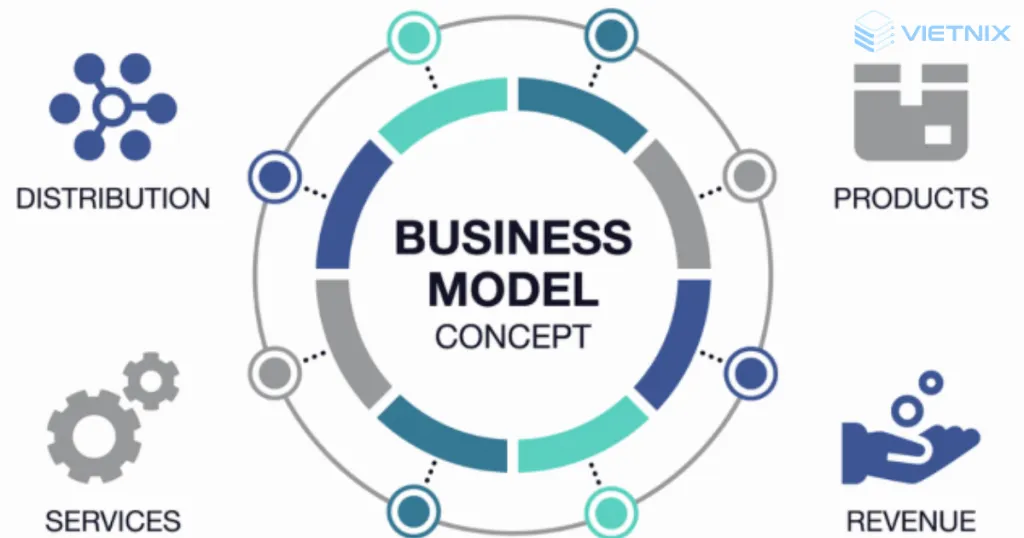
Clear Vision and Objectives
A successful business model starts with defining a long-term vision and specific objectives. The vision is not just a direction but also a guiding principle that helps the business focus on the value it wants to create. Objectives should be developed according to the SMART principle (Specific, Measurable, Achievable, Relevant, Time-bound) to ensure they can be executed and progress can be evaluated.
Value Proposition
The value proposition is the company’s promise to its customers. It outlines the benefits that the company’s products or services provide, helping to differentiate it from competitors. The value proposition must be compelling and genuinely meet customer expectations.
Market Research and Analysis
A solid understanding of the market is the foundation for building an effective business model. Clearly understanding the target audience, consumer behavior, and market trends will help you position your product appropriately. Additionally, competitive analysis helps you identify market gaps or determine your competitive advantages for growth.
Financial Strategy and Resource Utilization

Financial planning from the outset helps a business control cash flow and allocate resources reasonably. Key elements to focus on include cost estimation, price setting, and effective budget allocation. At the same time, optimizing available resources, such as personnel, technology, and partner networks, is key to maintaining stable operations and achieving sustainable growth.
Distribution Channels and Customer Outreach
Building effective distribution channels and customer outreach methods is a decisive factor in the success of a business model. You need to clearly define how to get your product to customers: through direct retail, online platforms, or partnerships. Simultaneously, implementing marketing campaigns focused on the target audience will help increase brand awareness and drive revenue right from the initial stage.
Effective Methods for Building a Business Model
The Business Model Canvas (BMC) Method
The Business Model Canvas is a visual tool that helps businesses design, analyze, and optimize their business models. This method focuses on 9 key building blocks, such as core value, target customers, revenue streams, and cost structure. The strength of BMC lies in its visual nature and its ability to provide a holistic view, making it easy to edit or expand on ideas as needed.
BMC is ideal for startups or small and medium-sized enterprises (SMEs) looking to optimize their resources. It is also a useful tool for businesses seeking to innovate their current models.
The Lean Startup Method
Lean Startup focuses on building a flexible business model, continuous testing, and improving based on customer feedback. This method emphasizes developing a Minimum Viable Product (MVP) and deploying it quickly to validate ideas before making a large investment.

Lean Startup helps businesses reduce the risk of failure by validating ideas from the very beginning, optimizing product development time and costs. The Lean Startup method supports businesses in quickly adapting to market changes.
This method is suitable for tech startups, businesses developing new products, or those wanting to enter an unclear market. It is also suitable for companies looking to improve processes or create breakthroughs in their industry.
The Blue Ocean Strategy Method
Blue Ocean Strategy is a method that focuses on creating a completely new market where businesses do not have to compete directly with rivals. This method encourages businesses to seek differentiated, innovative value to open up a “blue ocean” instead of being stuck in a “red ocean” of fierce competition.
This method is suitable for businesses with strong creative potential that are willing to invest in exploring new markets. Businesses in highly competitive industries or those seeking long-term breakthroughs should also consider applying Blue Ocean Strategy.
A 5-Step Guide to Building an Effective Business Model

Step 1: Analyze the Market & Survey Customer Needs
To begin, businesses need to conduct an in-depth market analysis. This includes researching current trends, competitors, and customer needs. Surveying customer needs is an essential step in this process.
Surveys can be conducted in many forms, such as interviews, online questionnaires, or focus groups. The important thing is to collect accurate and complete information to identify the specific requirements customers are looking for.
By clearly understanding customer needs and wants, businesses can develop more suitable products/services and optimize the value they deliver.
Step 2: Brainstorm Product Ideas that Match Customer Tastes
After analyzing the market and customer needs, the next step is to develop product/service ideas. These ideas must align with what customers want, while also ensuring technical and financial feasibility.
Businesses can organize brainstorming sessions to gather ideas from their staff or other stakeholders. This not only stimulates creativity but also creates a positive work environment.
Additionally, consulting potential customers is also very important. They can provide perspectives that the business hasn’t considered, helping to further refine the product/service.
Step 3: Develop a Business Plan and Strategy

Once you have a product idea, the next step is to build a detailed plan for the business model. This plan should include specific goals, a marketing strategy, distribution channels, and concrete implementation steps.
In addition, the business also needs to clearly define the budget and resources required for each stage. Detailed planning will help the business have a clearer view of its future development path.
Furthermore, the business strategy needs to be flexible to be able to adjust to market fluctuations. This adjustment not only helps the business maintain its competitiveness but also opens up new opportunities.
Step 4: Plan Appropriate Production and Distribution Costs
Production and distribution costs are two important factors that determine the profitability of the business model. The business needs to consider all related costs, from raw materials and labor to transportation costs.
Cost calculations must be realistic and based on specific data. If the business manages costs well, it can optimize profits and maintain long-term sustainability.
Businesses should also pay attention to selecting partners in the supply chain. A reliable partner will help minimize risks and enhance efficiency in the production and distribution process.
Step 5: Finalize the Model and Conduct a Pilot Test
Once the preparation steps are complete, the business needs to proceed with finalizing its business model. This is the time to test all initial hypotheses and make necessary adjustments.
Testing can be done by launching the product to a small group of customers. Feedback from this group will be very valuable for the business to improve the product/service before the official market launch.
Conducting a test also helps the business build trust with customers. When they know that the product has been tested in a real-world setting, customers will feel more confident in their purchasing decisions.
Common Mistakes When Building a Business Model

Lack of market research
Many businesses build their business models based on intuition or subjective ideas without dedicating enough time to market research. This leads to products or services that do not meet the actual needs of customers, or it overlooks competitive factors in the market.
Consequences:
- The product fails to attract the target audience.
- The business wastes time and resources on ineffective strategies.
- Easily outmaneuvered by competitors.
Unclear core value proposition
Some businesses fail to clarify the core value they want to deliver or do not differentiate their products and services from competitors. They try to provide “everything for everyone,” leading to a business model that lacks focus and has ambiguous positioning.
Consequences:
- Difficulty making an impression on customers.
- No distinct competitive advantage.
- Customers can easily switch to other options with a clearer value proposition.
Poor financial management
Many startups fail to create a detailed financial plan, leading to overspending, poor cash flow management, or inaccurate revenue forecasts. Additionally, many businesses do not anticipate financial risks during the initial phase.
Consequences:
- Easily run into capital shortages or insufficient resources to sustain operations.
- Difficulty convincing investors or strategic partners.
- Risk of bankruptcy in a short period.
——————————–
Building a business model is the foundation for the success of any enterprise. Therefore, if you intend to start a business, you need to conduct thorough research and follow the correct steps to build a sustainable and effective model. We hope this information from 1Office will help you find the most suitable business model. We wish you success!
















