


 10/05/2026
  148 views
How to manage remote employees is no longer an option, but a mandatory skill for modern leaders. How can you maintain discipline, boost performance, and foster team cohesion without direct supervision? This article from 1Office will provide a comprehensive A-Z guide to help businesses establish a high-performance remote employee management system.
Mục lục
- 1. The Remote Work Trend and the Challenges Businesses Face
- 2. How to Manage Remote Employees – 9 Most Effective Methods
- 2.1. Set clear expectations from the start
- 2.2. Manage based on results, not hours
- 2.3. Communicate proactively and frequently
- 2.4. Build a corporate culture based on trust
- 2.5. Promote engagement
- 2.6. Create a continuous feedback loop
- 2.7. Restructure and digitize the performance evaluation system
- 2.8. Establish and document workflows & policies
- 2.9. Ensure information security and technology infrastructure
- 3. Tools & Platforms – The “Backbone” of Remote Employee Management
- 4. Criteria for Choosing the Optimal Remote Management Software
- Conclusion
1. The Remote Work Trend and the Challenges Businesses Face

The world of work has entered a new chapter, but many management rules are still stuck on the old page. As remote work becomes the standard, applying a traditional mindset is not only ineffective but also dangerous.
1.1. Remote Work – An Inevitable Trend in the Labor Market
By the end of 2025, remote work has moved beyond being a temporary solution to become a sustainable HR strategy. This revolution in work mindset is driven by two main forces:
- Employee expectations have changed: For the modern workforce, especially Gen Z and Millennials, flexibility is no longer an added benefit but a mandatory criterion. They prioritize work environments that allow for work-life balance, where they are evaluated based on their contributions rather than their physical presence.
- Competitive advantage for businesses: Pioneering companies have demonstrated that, when managed correctly, the remote work model offers enormous benefits: breaking down geographical barriers to attract nationwide talent, optimizing office operational costs, and building an autonomous, highly responsible team.
Therefore, the question for leaders today is no longer “Should we work remotely?” but “How can we manage remote employees most effectively?”.
1.2. 5 Core Barriers That Make Remote Management Difficult
Transitioning to a remote work model is not as simple as letting employees take their computers home. If the 5 core barriers below are not identified and addressed, businesses can easily fall into a state of chaos, loss of control, and decreased performance.
1.2.1. Fragmented Communication and Lack of Transparency
Without face-to-face conversations, the flow of information can easily get congested or lost amidst numerous group chats and emails. The absence of non-verbal communication (gestures, eye contact) makes communication feel impersonal and prone to misunderstandings. Managers lose track of the situation, and employees misunderstand each other, leading to errors and delays in work.
1.2.2. Difficulty in Measuring Performance and the Tendency to Micromanage
This is a “nightmare” for both managers and employees. When managers can’t “see” their employees working, they develop a sense of insecurity and anxiety about performance. Their natural reaction is to tighten control: demanding constant reports, holding unnecessary meetings, and interfering in every small detail. This not only stifles creativity but also shows a lack of trust, eroding employee motivation.
1.2.3. Employee Disconnection and Fading Corporate Culture
Corporate culture is built on daily interactions, from casual chats by the coffee machine to celebrating achievements together. When working alone, employees can easily feel lonely, isolated, and lose their sense of belonging to the team. Gradually, cohesion fades, and the “soul” of the company diminishes along with it.
1.2.4. Increased Information Security Risks
Each employee’s home becomes a “branch office,” but without a corresponding security system. Employees accessing sensitive company data through personal Wi-Fi networks and uncontrolled devices creates a massive security vulnerability. The risk of cyberattacks, customer data leaks, or internal document breaches is a tangible threat.
1.2.5. Traditional Management Mindset is No Longer Suitable
This is the deepest and most difficult barrier to change. Many managers still hold a mindset of control through presence—they only feel secure when they see employees at their desks. They struggle with delegating authority and placing trust. Meanwhile, the nature of remote work demands autonomy, trust, and results-based management. This conflict in mindset is the root cause of many other problems.
2. How to Manage Remote Employees – 9 Most Effective Methods
So, is there a systematic and effective way for businesses to manage remote employees? The 9 Golden methods below will help you build a team that not only maintains performance but also thrives in a borderless work environment.
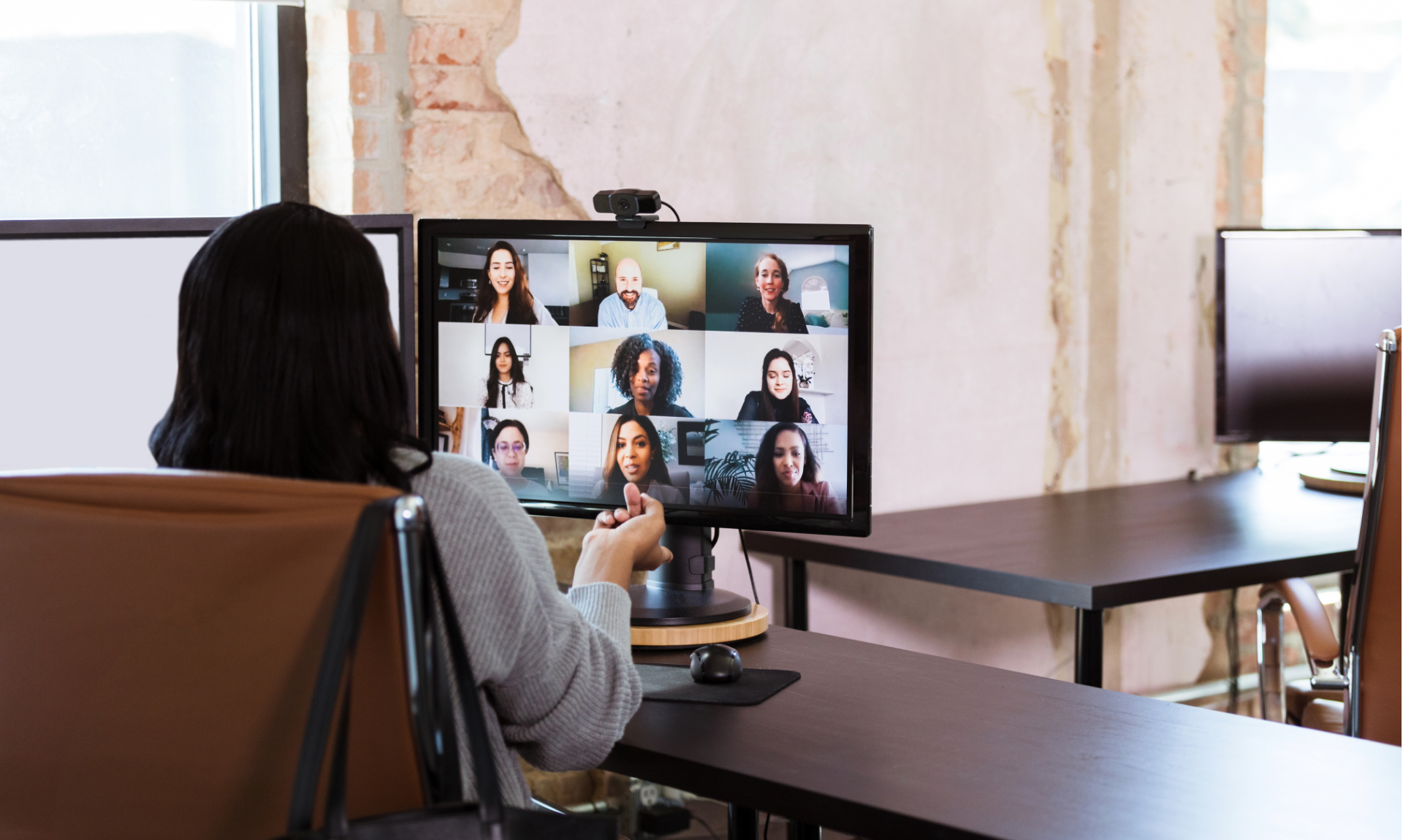
2.1. Set clear expectations from the start
The foundation of any successful remote management model is absolute transparency. Ambiguity is the enemy of performance. From the very beginning, create a common “rulebook,” documenting everything from flexible working hours and primary communication channels for different issues to specific reporting processes and deadlines.
2.2. Manage based on results, not hours
Instead of worrying about whether employees are working a full 8 hours, focus on the final results. Trust and empower your employees to manage their own time, as long as work is completed on time and meets quality standards. Modern remote employee management is about measuring contributed value, not presence.
2.3. Communicate proactively and frequently
In a remote environment, silence can easily be misinterpreted as stagnation or a problem. Don’t wait for employees to report in; proactively create regular communication “touchpoints”:
- Daily Check-in (15 minutes): A quick meeting at the start of the day for the team to update on progress and challenges.
- Weekly 1-on-1: A weekly private discussion between manager and employee to listen and provide support.
- Encourage “Over-communication”: It’s better to communicate too much than too little. Encourage employees to share progress, ask questions, and announce when they start and end their workday.
2.4. Build a corporate culture based on trust
Trust is the glue that holds a remote team together. Demonstrate trust through actions: delegate decision-making, avoid micromanagement, and focus on supporting rather than supervising. When employees feel trusted, they will work with the highest sense of responsibility and autonomy. This is the core secret to sustainable remote employee management.
2.5. Promote engagement
Isolation is the number one enemy of remote corporate culture. Proactively “recreate” the social interactions typically found in an office:
- Create a non-work chat channel: A Slack/Teams channel for fun stories and personal interests.
- Organize online activities: Virtual coffee breaks, online games, or small weekly challenges.
- Celebrate success: Publicly recognize and reward achievements, no matter how small, on the company’s shared channels.
2.6. Create a continuous feedback loop
Don’t wait for the 6-month or 1-year review period. In a fast-paced work environment, feedback needs to be timely. Make it a habit to provide constructive feedback right after a project ends and encourage employees to do the same. A continuous feedback loop helps everyone improve faster and feel valued.
2.7. Restructure and digitize the performance evaluation system
Traditional performance evaluation systems are no longer suitable. Managing online personnel effectively requires a data-driven, objective, and transparent system. Use software tools to set, track, and evaluate KPIs/OKRs. Data from the software will provide an accurate picture of performance, eliminate subjectivity, and make evaluation meetings more effective.
2.8. Establish and document workflows & policies
When you can’t just walk over to a colleague’s desk to ask a question, a clearly documented process is a lifesaver. Take the time to build and store standard operating procedures (SOPs) for all repetitive tasks, from the new employee onboarding process and proposal approval process to the reporting process. This ensures everyone works to a common standard and minimizes unnecessary questions.
2.9. Ensure information security and technology infrastructure
Establish clear security policies: regulations on using public Wi-Fi, requirements for VPN use, and mandatory two-factor authentication. At the same time, ensure that all employees are equipped with the necessary tools and infrastructure to work effectively and securely from home.
3. Tools & Platforms – The “Backbone” of Remote Employee Management
Even the most superior management methods and processes will remain just on paper without the right tools for execution. Once you have a strategy, it’s time to choose the sharpest tools to turn that strategy into reality. To operate a remote team effectively, you will need a suite of tools covering three core aspects: Communication, Work, and People.
3.1. Communication/Collaboration Tools

This is the group of tools that helps recreate a “virtual office space” where people can chat, hold meetings, and stay connected. They are the foundation for implementing proactive communication methods and promoting engagement.
- Slack: Instead of fragmented Zalo chat groups, Slack allows creating separate channels for each project, department, or even fun topics. This helps keep all discussions in context, making them easy to search and avoiding disturbing those who are not involved.
- Microsoft Teams: If your business is already familiar with the Microsoft 365 ecosystem (Word, Excel, Outlook), Microsoft Teams is an incredibly logical choice. The greatest strength of Teams is its seamless integration, allowing users to chat, hold video meetings, and edit documents directly all in the same window.
- Zoom / Google Meet: These are two indispensable tools for recreating face-to-face conversations. With stable video and audio quality, they are the top choices for team meetings, training sessions, important 1-on-1 discussions, or simply a “virtual coffee” session to strengthen team bonds.
3.2. Project/Work Performance Management Tools
This group of tools provides absolute transparency regarding progress and responsibility, making them mandatory for implementing a “management by results” approach.
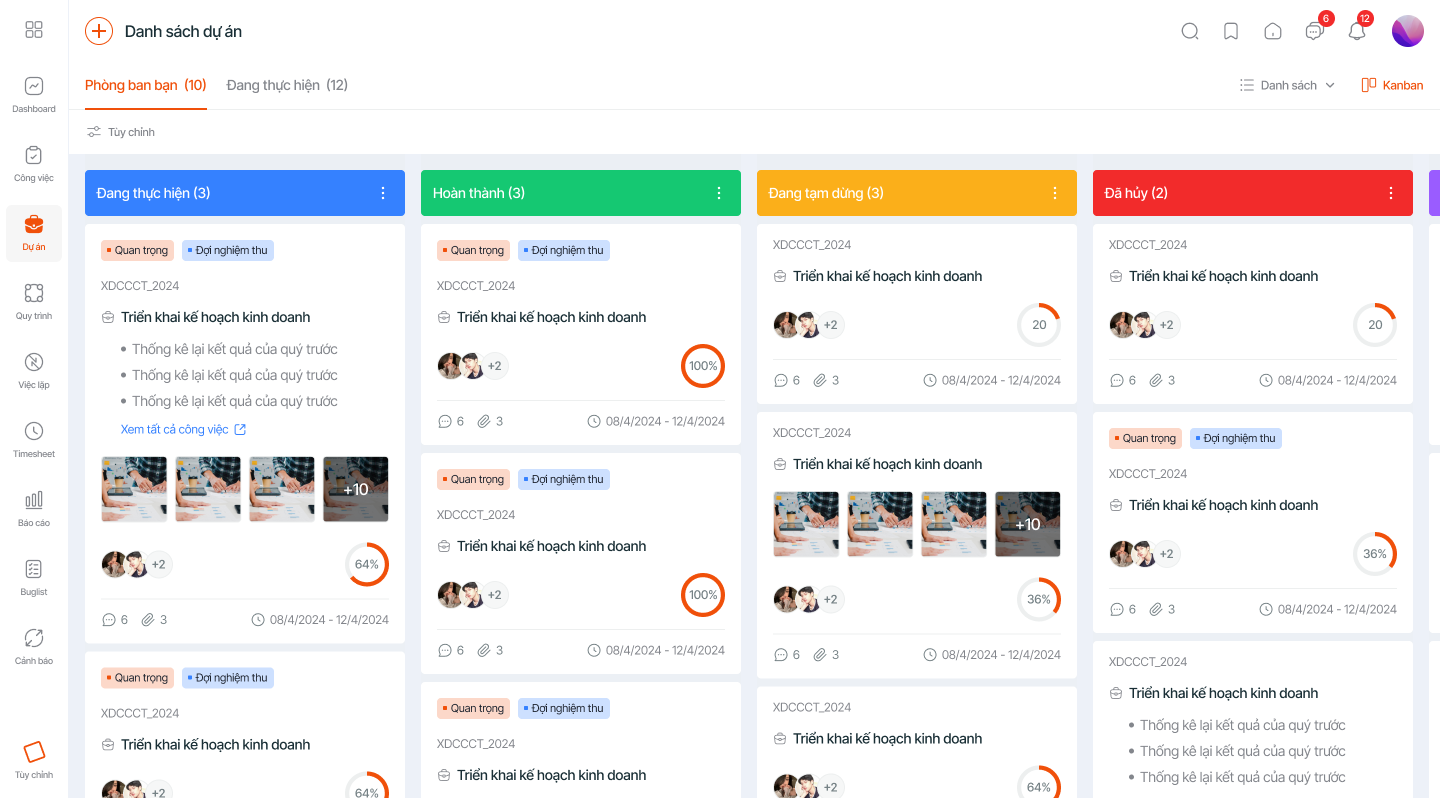
- 1Office: The system allows for tracking work progress, managing project resources, and effectively controlling budgets. Notably, 1Office supports integration with KPI and OKR metrics and provides visual reports, helping businesses monitor progress and work efficiency automatically and transparently
- Trello: Trello offers maximum simplicity and visual appeal through the Kanban method. Employees simply drag and drop cards across columns like “To Do,” “In Progress,” and “Done” to update their progress. This transparency helps everyone, from managers to team members, understand the big picture of the project without constant inquiries.
- Asana: In addition to the Kanban view, Asana allows for managing work in list, calendar, and timeline (Gantt chart) formats. The feature for setting task dependencies (“task B only starts when task A is completed”) is extremely useful for ensuring a smooth project workflow, especially for marketing and operations teams.
- Jira: Jira is the gold standard for software and technology development teams. Built around agile methodologies like Scrum and Kanban, Jira provides in-depth tools for managing sprints, tracking bugs, and reporting detailed performance for development cycles.
3.3. HR & Timekeeping Management Tools
Register for a free feature demo!
This is a strategic group of tools that automates core HR processes that the two groups above cannot handle, ensuring fairness and compliance.
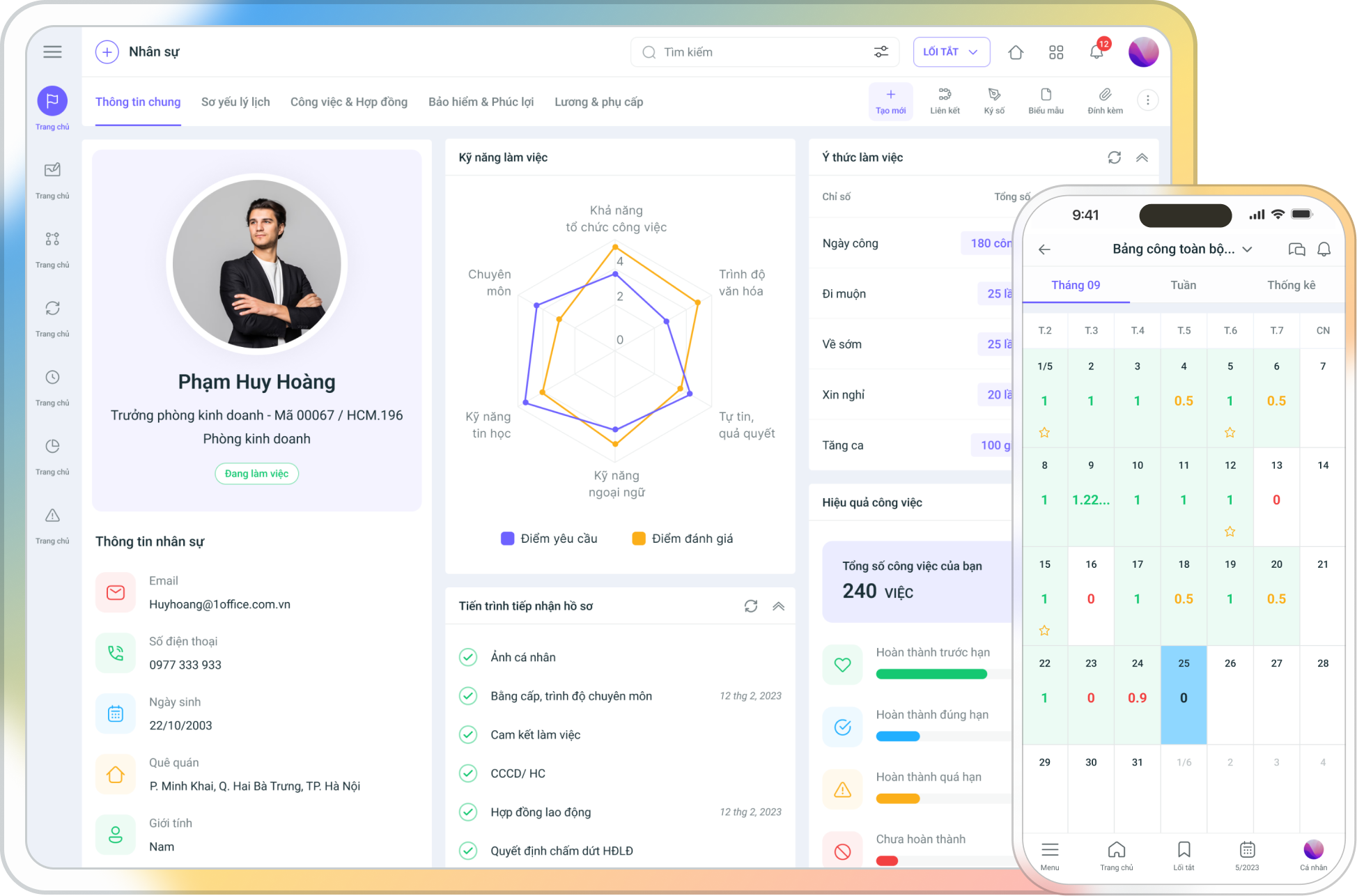
1Office is an All-in-One platform specifically designed for the Vietnamese market. The strength of 1Office lies in unifying all three groups of tools mentioned above into one. Businesses can manage tasks and projects, communicate internally, and handle comprehensive HR operations:
- Remote timekeeping with GPS/FaceID
- Set up diverse competency assessment criteria, manage KPIs and OKRs effectively
- Control and approve requests 100% online, building a digital work culture
- Automatically calculate payroll according to Vietnam’s complex policies
- Integrate artificial intelligence (AI) to enable fast and accurate data retrieval, aggregation, and analysis
4. Criteria for Choosing the Optimal Remote Management Software
To find the most suitable tool, rely on the following 5 Golden Criteria:
- All-in-One Integration Capability: The top priority is platforms that unify all three groups of tools mentioned above into one. An All-in-One solution helps data flow seamlessly, creates a smooth workflow, and provides managers with a 360-degree view of personnel without needing to manually compile reports.
- Online Timekeeping & Request Control Features: The software must provide flexible remote timekeeping methods (GPS, FaceID) and a 100% online request management and approval system. This is a fundamental feature to ensure discipline and smooth operations.
- Visual Performance Reporting System: The tool must be able to automatically aggregate data and generate dashboards and visual reports on work progress and KPI/OKR completion rates. This helps make evaluations objective and data-driven.
- Security and Permission Levels: The platform must have robust security mechanisms (encryption, backup) and a detailed permission system to ensure that sensitive personnel data is always kept secure.
- User-Friendly Interface and Local Support Team in Vietnam: An intuitive, easy-to-use interface will help employees get up to speed quickly. Additionally, a support team that understands the Vietnamese market will ensure your issues are resolved promptly and effectively.
Conclusion
The journey of learning how to manage remote employees has revealed a clear truth: this is not merely a change in workplace, but a comprehensive revolution in mindset, processes, and technology.
If you’re ready to turn the challenges of remote management into a catalyst for growth, start by equipping yourself with the right tools. Leave your information to receive a 1-on-1 consultation and a free demo experience from the 1Office team of experts.
















