


 12/05/2026
  526 views
All departments in a company play an important role, helping the organization operate smoothly and achieve common goals. Understanding the function of each department is not only necessary for new employees but also helps CEOs and managers operate effectively. This article will help you understand the core tasks of each department, the differences between fields, and how to manage them optimally.
Mục lục
What are company departments?
Company departments are specialized units divided to perform specific tasks, much like a football team needs strikers, defenders, and a goalkeeper to win. Each department has its own tasks, but they all coordinate to help the company achieve major goals such as increasing revenue, expanding the market, or improving product quality.
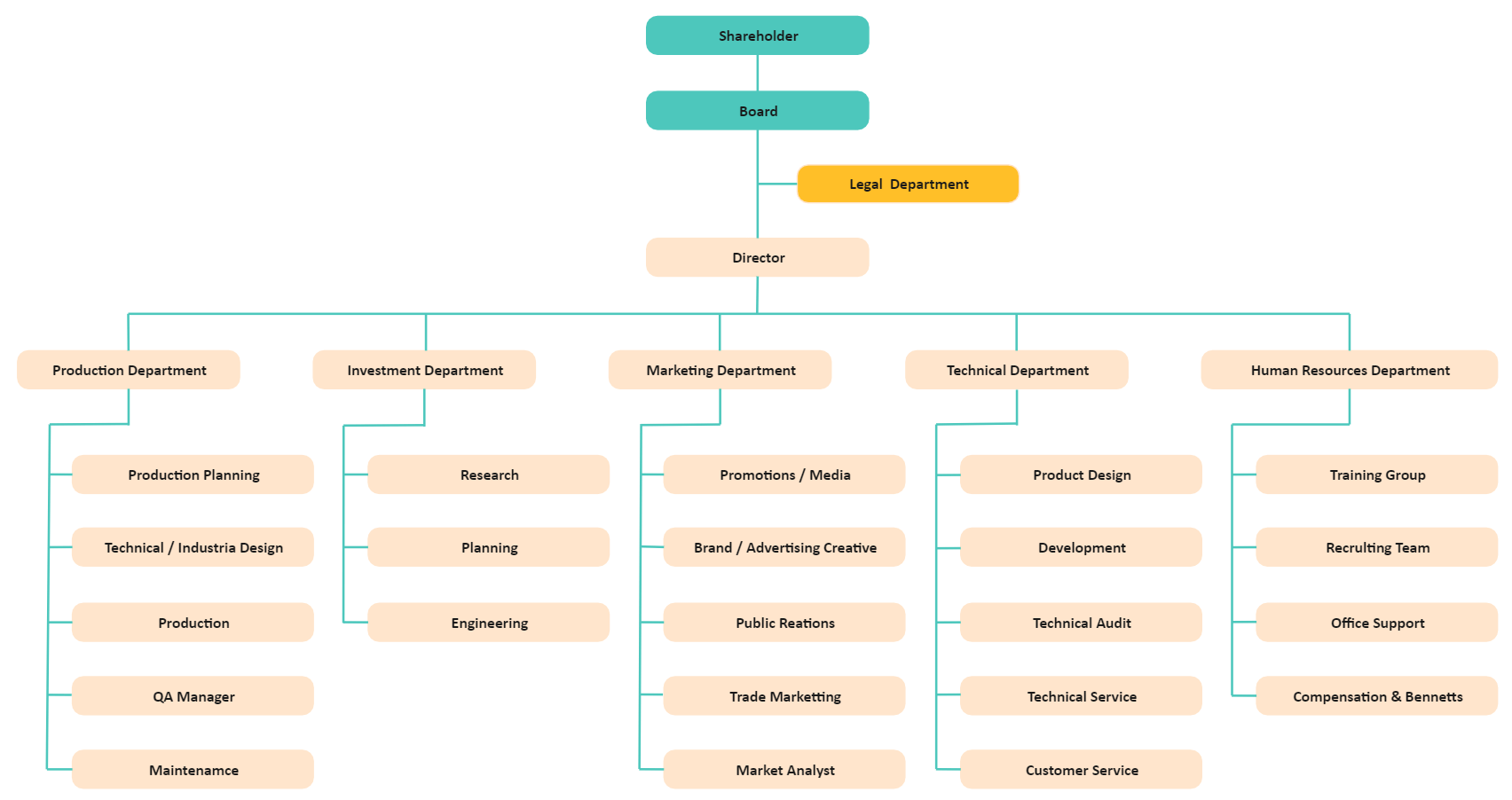
The role of departments is very clear: they help break down complex work into manageable parts. For example, a small company might only need three basic departments like Sales, Accounting, and Human Resources. But in large corporations, the number of departments can reach dozens, including specialized units like Research and Development (R&D). Simply put, without departments, a company would be like a “cart” without wheels, unable to go far.
Why do companies need to establish different departments?
Organizing departments within a company is not just a way to divide work but also brings practical benefits, helping the business operate more effectively. Here are the key benefits:
- Increased work efficiency: Each department focuses on a specific task, avoiding the “jack-of-all-trades” situation that leads to chaos. For example, the Sales Department only focuses on selling, while the Accounting Department concentrates on managing finances, helping both do their jobs well.
- Optimized resources: Dividing into departments helps the company allocate personnel and budget appropriately. For instance, a company doesn’t need to pour too many resources into Marketing if the product is already selling well thanks to the Sales team.
- Easier management and monitoring: With clear departments, leadership can track the performance of each unit. If revenue drops, they know immediately where the problem lies – perhaps Sales hasn’t met its target or Marketing isn’t attracting customers.
- Promoted specialization: Each department develops its own skills, such as the HR Department excelling at recruitment and the Production Department being strong in technical aspects. This creates a professional team, elevating the company.
Establishing different departments is not just about “divide and conquer” but is a way for the company to operate like a well-oiled machine, where each unit is a crucial cog.
Basic company departments and their core functions
Below are the most common departments in a company and their main tasks. Imagine each department as a “player” on the corporate “team.”
Board of Directors (BOD)
The Board of Directors, often led by the CEO or General Director, is the “brain” of the company. Their main task is to set strategic direction and make major decisions such as opening new branches, investing in projects, or changing policies. For example, if the company wants to enter a foreign market, the Board of Directors will be the ones to approve this plan.
Human Resources (HR) Department
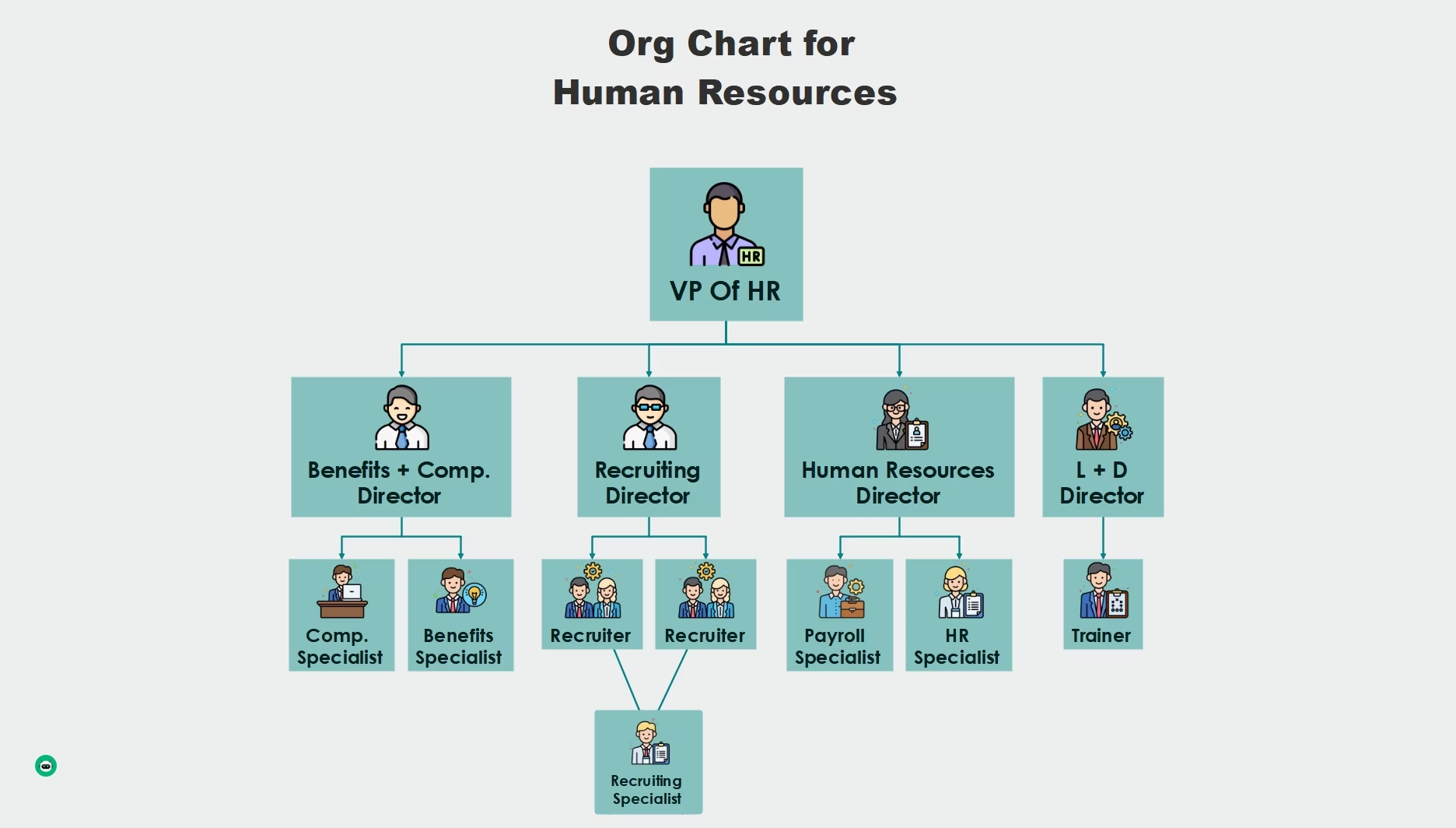
The Human Resources Department is responsible for people – the company’s most important asset. The functions of the HR department include recruiting new employees, managing compensation and benefits, organizing training, and resolving labor-related issues. In other words, they are the “keepers of the flame,” ensuring the workforce is always ready and satisfied with their jobs. For example, when the company needs to hire 10 sales employees, the HR Department will plan everything from posting the job to conducting interviews.
Accounting – Finance Department
The Accounting – Finance Department is the “keeper of the purse” for the company. Their task is to manage cash flow, prepare financial reports, and calculate costs and profits. Simply put, they ensure the company doesn’t go broke and always knows how much it’s earning and spending. For example, at the end of the year, they will compile the books to file tax reports with the government.
Sales Department
The Sales Department is the “warrior” that brings money into the company. The role of the sales department is to find customers, sell products/services, and increase revenue. They frequently make calls, meet with partners, or negotiate contracts. For example, when the company launches a new product, the Sales Department will be the one to get it into the hands of customers.
Marketing Department
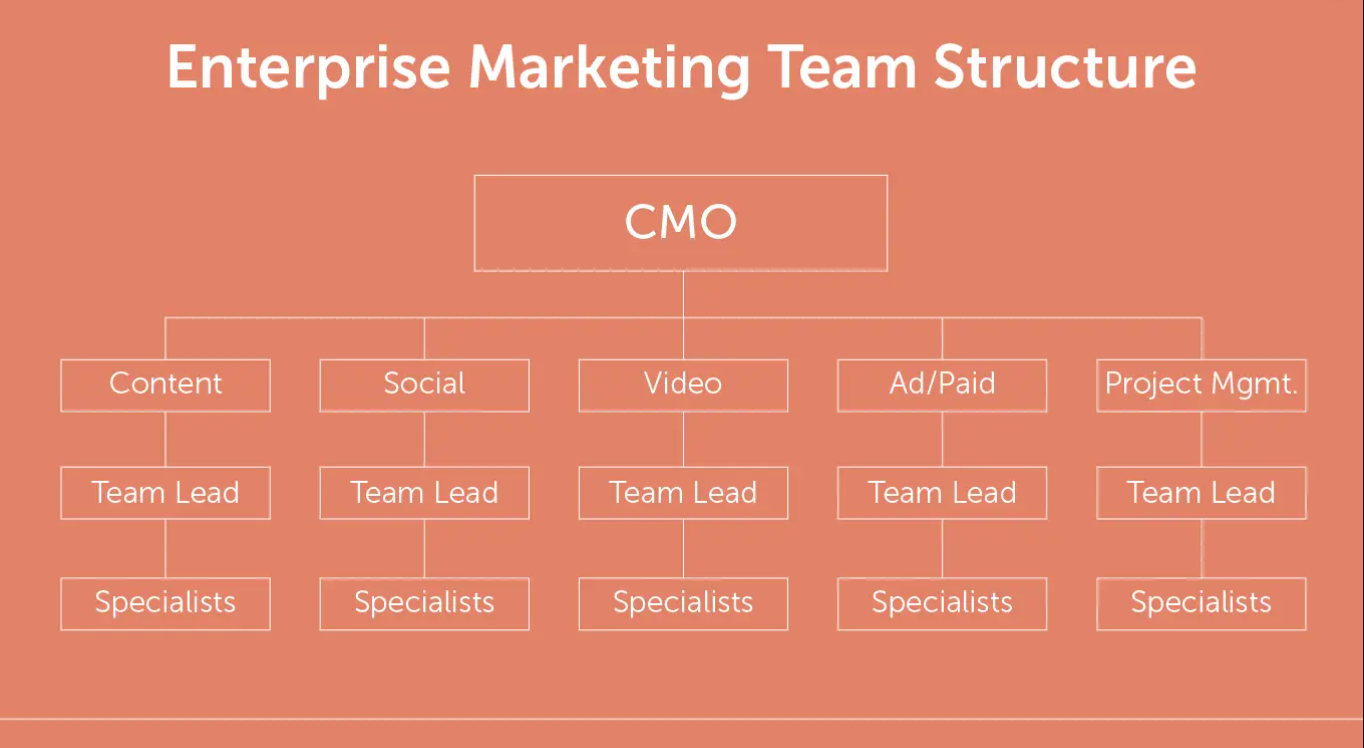
If the Sales Department is the one who sells, the Marketing Department is the one who “paves the way.” The task of the marketing department is to promote the brand and attract customer attention through advertising, social media, or events. For example, they might run a Facebook ad campaign to introduce a new product.
Administration Department
The Administration Department is like a “housekeeper” that quietly supports the company. They manage paperwork, office supplies, facilities, and sometimes also handle reception duties. For example, when the office needs more desks and chairs, the Administration Department will order and arrange them.
Production Department (if applicable)
In manufacturing companies, the Production Department is the “heart” of operations. Their task is to create products, from raw materials to finished goods. For example, a phone factory might assign the Production Department to assemble 100 units per day.
Differences Between Departments in Various Fields
Not all companies have the same departmental structure. Depending on the industry, the departments within a company will differ in their roles and importance.
- Technology (IT) companies: In addition to basic departments, IT companies often have an R&D (Research and Development) Department to create new software or products. The Production Department is virtually non-existent, as their products are “virtual” (software, applications).
- Manufacturing companies: The Production Department is central, accounting for a large portion of manpower and budget. Meanwhile, the Marketing Department may be smaller, as they focus more on mass production than brand promotion.
- Service companies: The Sales and Customer Service Departments are often prominent, as they must retain customers through excellent experiences. A Production Department is unnecessary, as they do not create physical products.
A simple comparison: An IT company needs many programmers in R&D, while a manufacturing company needs workers on the assembly line. Understanding this difference helps managers allocate resources more effectively.
How to Manage Departments Effectively?
Managing departments within a company is not always easy. A major challenge is the lack of coordination: for example, the Marketing Department wants to spend a lot on advertising, but the Accounting Department disagrees because it exceeds the budget. So how can you make everything run smoothly?
- Clear communication: Departments need to understand the company’s common goals to avoid working against each other.
- Establish specific processes: For example, require the Sales Department to report weekly sales figures to Accounting.
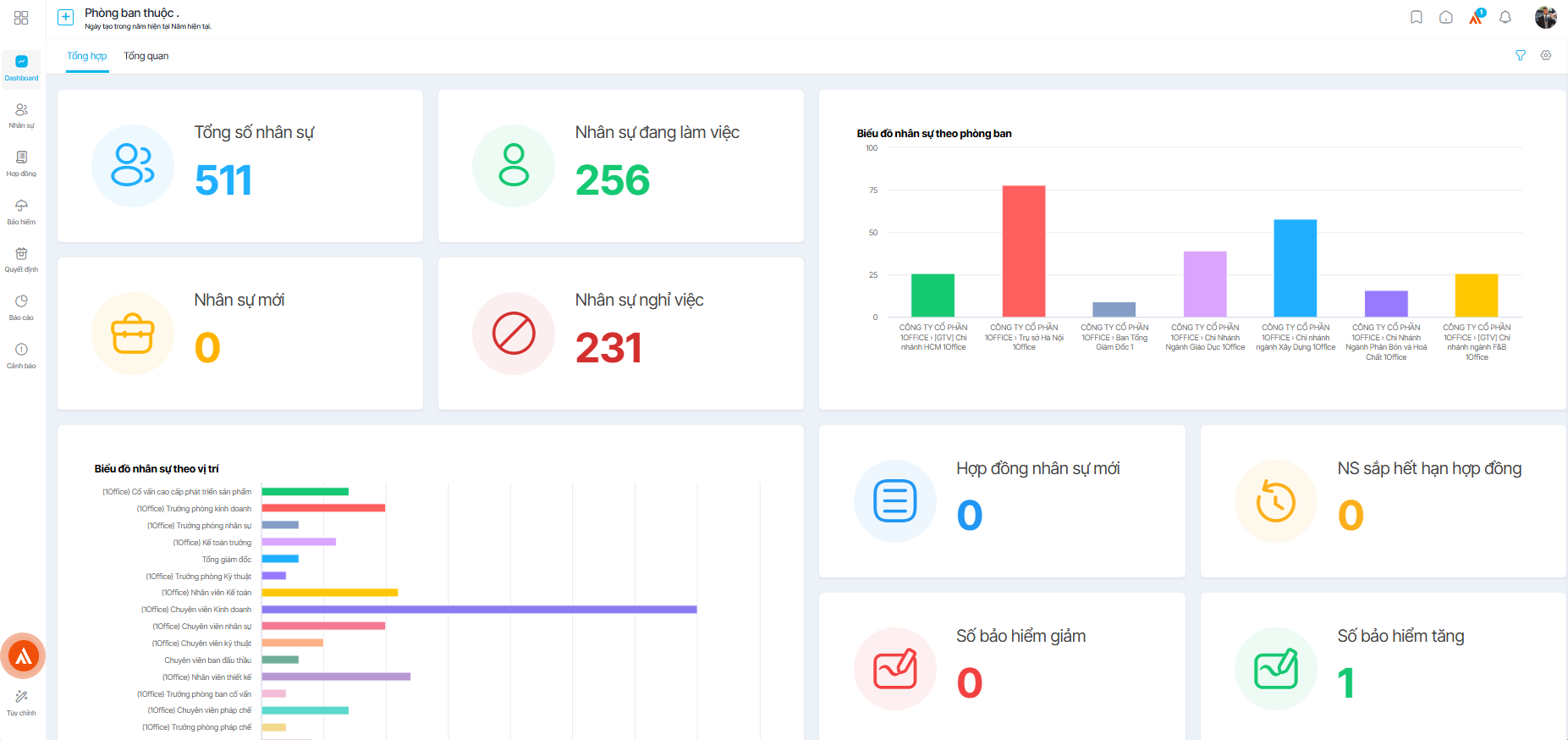
- Use support tools: A modern solution is to use 1Office management software. This software helps track tasks, manage personnel, and connect departments on a single platform. For example, HR can update the list of new employees, and Sales can view order progress instantly.
1Office department management software is a comprehensive solution designed to optimize department and personnel management, helping businesses operate smoothly and professionally. Built on a cloud technology platform, 1Office is not only easy to deploy but also ensures high security, certified with ISO/IEC 27001:2013. In particular, the 1HRM module of 1Office focuses on human resource management, helping departments coordinate more seamlessly.
Register for a free 1Office feature Demo account!
Key features of 1Office related to department and personnel management:
- Recruitment process management: Build and track the recruitment process, helping the HR Department easily find the right people for each department.
- Employee profiles and contracts: Store employee information, manage electronic contracts, and reduce manual paperwork.
- Timekeeping and leave management: Track work schedules, leave days, and overtime for each employee in all
















