


 12/05/2026
  92 views
Vinamilk – Vietnam’s leading dairy company has proven its strength not only domestically but also internationally. How did they achieve this success? The Canvas model is a useful tool that helps us “decode” Vinamilk’s business strategy. This article by 1Office will provide a detailed analysis of Vinamilk’s Canvas model, pointing out its strengths, weaknesses, and drawing valuable lessons for other businesses.
Mục lục
What is the Canvas Model? A Quick Guide for Proper Application
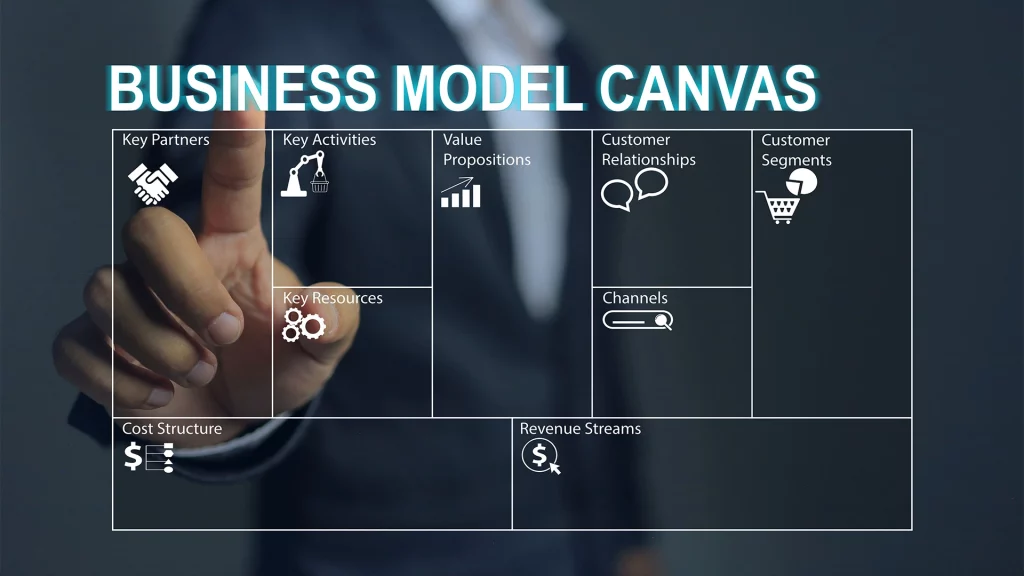
The Canvas Model (Business Model Canvas) is a visual management tool that helps describe, analyze, and design business models. Developed by Alexander Osterwalder, this model divides a business strategy into 9 basic building blocks:
- Target Customers: The groups of people or organizations a business aims to reach and serve
- Value Propositions: The products and services that create value for customers
- Channels: How a business reaches and delivers value to its customers
- Customer Relationships: The relationships a business establishes with its customers
- Revenue Streams: How a business generates money from each customer segment
- Key Resources: The most important assets required for the business model to work
- Key Activities: The most important things a business must do
- Key Partners: The network of suppliers and partners that make the model work
- Cost Structure: All costs incurred to operate the business model
The Canvas Model is not just a static map but a dynamic tool, helping businesses continuously adjust their strategies to adapt to the market. That’s why giants like Vinamilk always apply this model flexibly.
>>> See more: What is the Business Model Canvas? The Best Way to Create a BMC in 2025
Decoding the 9 Pillars of Vinamilk’s Canvas Model
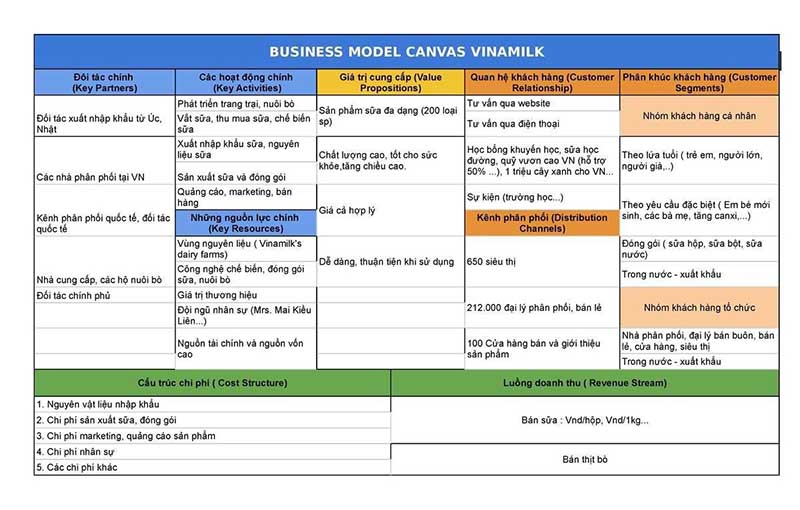
Customer Segments
Vinamilk doesn’t just sell milk to “everyone” – they have built a detailed customer segmentation structure, reflecting a “wide but not shallow” market strategy, a very clear and comprehensive customer segmentation strategy:
- Children (0-12 years old): With products like formula, growing-up milk, and school milk
- Teenagers (13-18 years old): With fresh milk, drinking yogurt, and fruit juice
- Adults: Segmented by special needs (low-sugar milk, milk for diabetics)
- Seniors: With products fortified with calcium, easy to digest
- Business Customers: Supplying ingredients for the food and coffee industries
By early 2025, Vinamilk had further expanded its customer segments to include health-conscious consumers through its organic and plant-based product lines, meeting the growing trend of green consumption in Vietnam.
Value Propositions
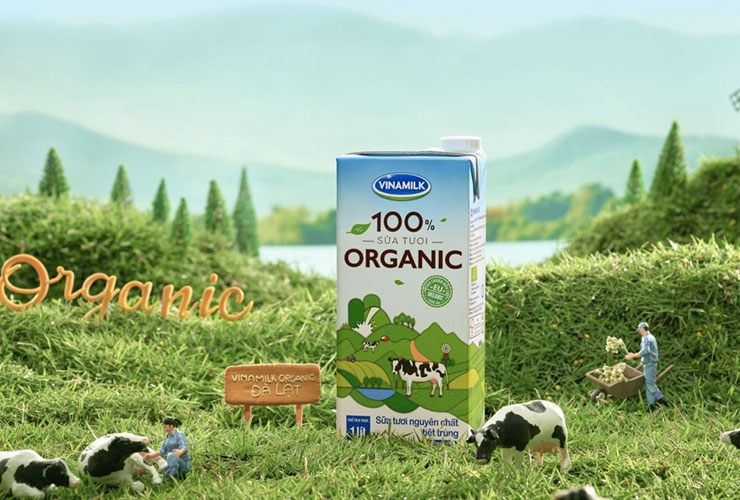
Value propositions are the heart of the Canvas model, and Vinamilk has built a multi-layered value system, combining functional and emotional benefits: Vinamilk creates distinct value through:
- High Quality: Products meet international standards, with strict control from farm to table
- Product Diversity: Over 250 types of products, meeting most nutritional needs
- Continuous Innovation: Regularly launching new products (like the premium Càng Nguyên nut milk line in late 2024)
- Environmental Protection: Applying green technology in production, using environmentally friendly packaging
- Local Adaptation: Adjusting formulas to suit Vietnamese tastes
Notably, by early 2025, Vinamilk has enhanced the ‘transparency’ factor in its production chain, allowing consumers to trace product origins via a mobile app, creating a new competitive advantage.
What makes Vinamilk’s value strategy stand out is its ability to combine ‘hard’ values (quality, nutrition, technology) with ‘soft’ values (national pride, social responsibility, family connection). They understand that the decision to buy milk is not just a rational one but also contains deep emotional elements.
Channels
Vinamilk’s distribution channel strategy is a testament to the philosophy of “being present wherever consumers are looking,” with a sophisticated multi-layered system:
- 13 dairy farms nationwide
- 13 modern manufacturing plants
- Giấc Mơ Sữa Việt store system: Over 650 stores by early 2025
- Traditional distribution channels: Over 230,000 retail points
- Modern channels: Supermarkets, convenience stores
- Online channels: Own website, mobile app, and partnerships with major e-commerce platforms
- Export channels: Presence in over 58 countries and territories
A special aspect of Vinamilk’s distribution channel strategy is that they do not view channels merely as a “pipeline” to get products to consumers, but as part of the overall experience. Each distribution channel is designed not only to sell products but also to convey the brand message.
For example, the newly launched “milk delivery” service not only meets the need for convenience but also sends a message of freshness and respect for customers’ time. Similarly, the system of farms open to visitors is not just a PR strategy but also a way to build trust through direct experience.
Customer Relationships
Vinamilk builds a multi-dimensional customer relationship model that goes far beyond the concept of “sell and forget”:
- Loyalty program: Earn points via the Vinamilk app, redeem gifts and offers
- 24/7 customer support: Hotline, online chat, and email
- Social media interaction: Fanpage with over 5 million followers
- Community: Events like “School Milk Day” and “1 Million Green Trees Fund”
- Consumer education: Sharing nutritional knowledge via website and blog
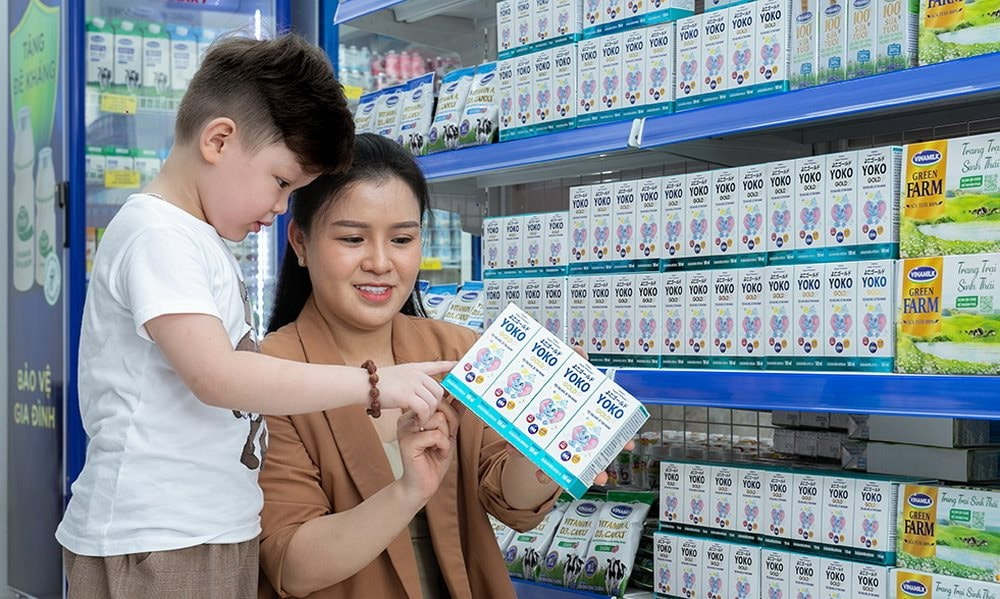
A special aspect of Vinamilk’s customer relationship strategy is its ability to combine technology with the human element. They use technology to scale and optimize efficiency, yet maintain an emotional “touch” in every interaction.
The personalized nutrition consultation program via AI is a prime example: technology is used to analyze data and provide suggestions, but ultimately, these suggestions are communicated with a warm, friendly “tone.” This is how Vinamilk addresses the “scale vs. personalization” challenge—serving millions of customers while still making each one feel specially cared for.
Revenue Streams
Vinamilk has built a multi-layered revenue structure, reflecting the philosophy of “strategic diversification”:
- Product retail: Accounts for about 85% of revenue
- Contracts to supply schools: School milk program
- Exports: Contributes about 10-15% of revenue
- Farm tour services: Eco-tourism model combined with education
- Sale of raw materials: Supplying raw milk to partners
A noteworthy point in Vinamilk’s revenue strategy is the balance between “core” and “supplementary” revenue streams. They do not spread resources too thinly across smaller revenue streams, but still maintain them as part of a risk diversification strategy.
In particular, the recent shift towards premium products reflects a strategy of “value growth” rather than “volume growth.” Vinamilk realizes that in saturated markets like Vietnam, increasing market share is increasingly difficult and costly, so optimizing value from existing customers is a smarter strategy. This is a testament to a “customer lifetime value” mindset instead of focusing solely on short-term sales.
Key Activities
To turn raw materials into products that reach customers, Vinamilk focuses on core activities that reflect the philosophy of “doing the small steps well to win big”:
- Supply chain management: From caring for dairy cows to product transportation, every stage is closely monitored to ensure freshness.
- High-quality production: The factories use a closed-loop technology system and are ISO and FSSC 22000 certified, keeping products safe and stable.
- Research and Development (R&D): Continuously testing new formulas, such as the nut milk line or plant-based products launching in late 2024.
- Smart marketing: From relatable TV commercials to viral social media campaigns, Vinamilk knows how to “touch” the hearts of Vietnamese people.
- Market expansion: Exporting to 58 countries and strengthening domestic online sales channels.
Notably, by February 2025, Vinamilk is accelerating its “Net Zero 2030” project to reduce carbon emissions in production. This is not just a “green” activity but also a way for them to build a modern, responsible brand image—a trend that customers are increasingly interested in. Vinamilk’s operations are a combination of economic efficiency and social value, creating sustainable strength.
Key Resources
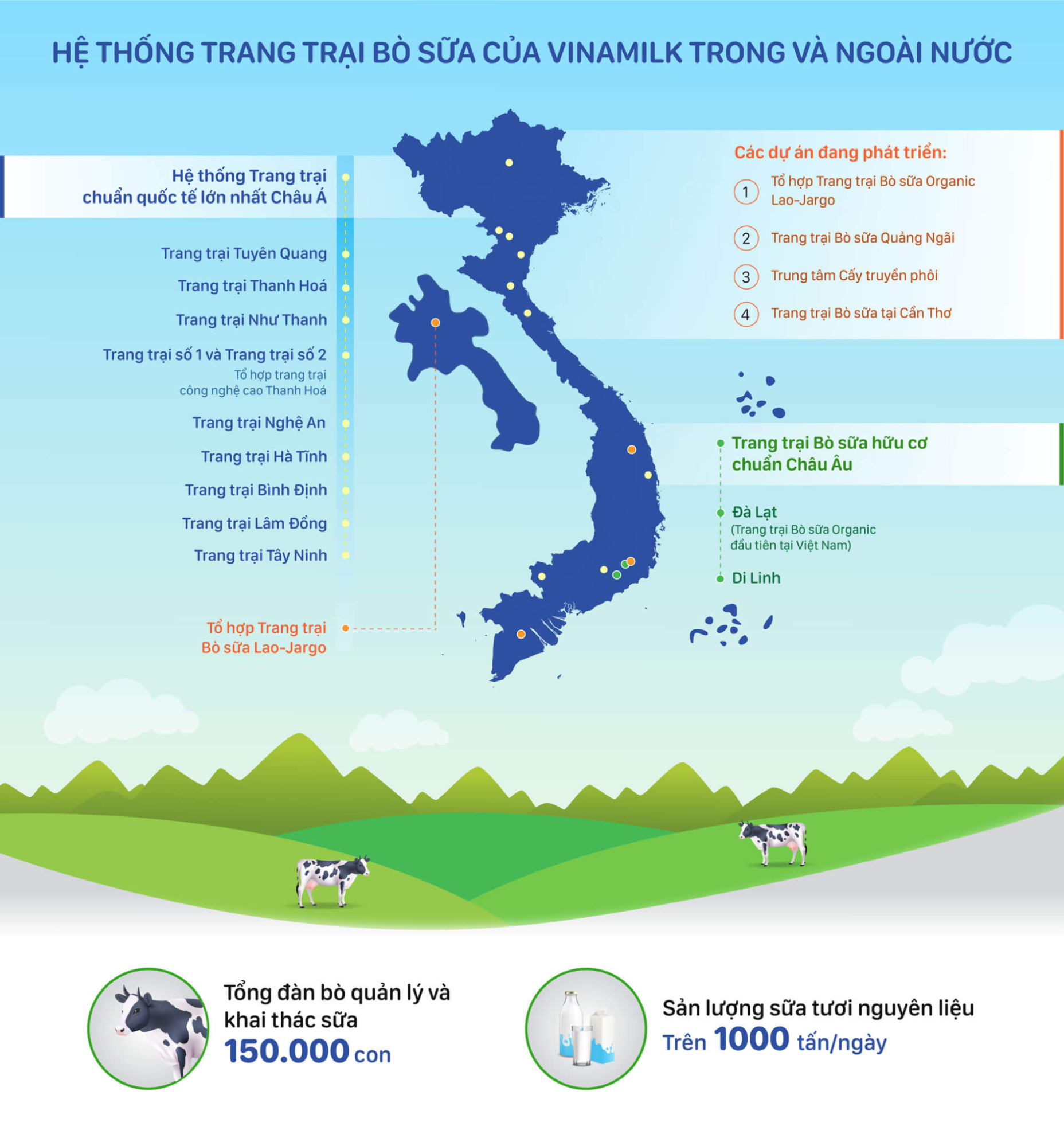
Vinamilk doesn’t just rely on physical assets; it also leverages strategic “weapons” to maintain its leading position. These are the core resources that help them operate smoothly:
- Dairy farm system: With 13 high-tech farms and an investment of over $2.5 billion, Vinamilk is 60-70% self-sufficient in raw materials, reducing dependence on imports.
- Modern production technology: Production lines from Europe (Tetra Pak, GEA) ensure products meet international standards, from milking to packaging.
- Human resources: Over 8,000 well-trained employees, from engineers to nutrition experts, are the “brains” behind the innovative products.
- Strong brand: Ranked among the Top 10 most valuable brands in Vietnam, creating absolute trust with customers.
- R&D Center: A modern research facility in Ho Chi Minh City, where products like Càng Nguyên nut milk and the organic line were developed.
Highlight by early 2025: Vinamilk has integrated IoT and AI technology into farm management, helping to monitor the health of dairy cows and optimize productivity. This is not just a “hard” asset but also a testament to their long-term vision: smart, sustainable production, ready to compete with international giants like Nestlé or Fonterra.
Key Partnerships
Vinamilk understands that it cannot succeed alone—they have built a network of strategic partners to optimize every aspect of their business model:
- Farmers and cooperatives: Collaborating with thousands of farming households to supplement the milk supply, ensuring a stable source.
- Technology suppliers: Tetra Pak (Sweden) and DeLaval (Germany) provide modern equipment for production and packaging.
- Logistics partners: Major transportation companies help deliver goods quickly, reduce costs, and keep products fresh.
- International partners: DEG (Germany) and IFC (World Bank) provide capital support and strategic advice for global expansion.
- Distribution agents: Over 230,000 retail points of sale are considered “extended arms” that bring products to every corner.
A key highlight for Vinamilk in 2025 is a collaboration with a major technology corporation (name not yet announced) to apply blockchain for traceability. This not only increases transparency but also strengthens customer trust—a crucial competitive advantage in the food industry. Vinamilk’s partner network is not just a “rear guard” but also a “bridge” helping them reach further.
Cost Structure
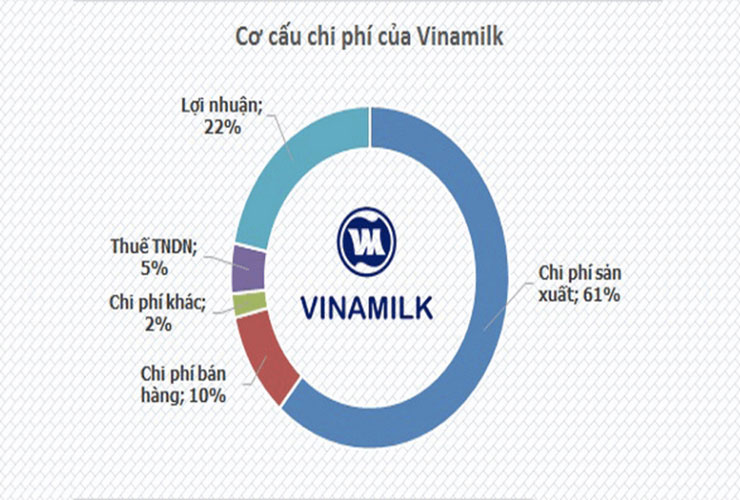
Costs are the “Achilles’ heel” of any business, but Vinamilk has built a smart cost structure to both optimize profits and maintain quality:
- Raw materials: Account for 60-65% of total costs, mainly from fresh milk and imported ingredients (such as natural flavors).
- Production and operations: Electricity, water, and maintenance of modern production lines—this is a significant investment to ensure high standards.
- Human resources: Salaries and benefits for 8,000 employees, especially the R&D team and skilled technicians.
- Marketing and promotion: Multi-channel advertising campaigns (TV, online) and community programs like the school milk program.
- Logistics: Transporting products to 230,000 points of sale and over 58 countries requires an optimized warehousing and delivery system.
By early 2025, Vinamilk had reduced production costs by 5-7% thanks to automation and the application of AI in supply chain management. They not only “cut costs” but also “reinvested” in green technology and premium products, demonstrating a long-term spending mindset: spending today to reap significant benefits tomorrow. Vinamilk’s cost structure is a balance between savings and strategic investment.
Pros and Cons of the Canvas Model in Analyzing Vinamilk
| Advantages | Disadvantages | |
| Strategic Overview | – Provides a comprehensive picture of how Vinamilk operates, from customers to costs, within a single framework.
– Clearly highlights strengths such as self-sufficient farms and a network of 230,000 points of sale. |
– Does not delve into financial details (specific revenue, profit), making it easy to overlook factors important to a CEO. |
| Easy to Understand and Apply | – Simple, visual language helps even non-experts understand Vinamilk’s strategy.
– For example: it’s easy to recognize the value of “clean milk” or the rising online channels. |
– Only provides a “surface-level” view; needs to be combined with other tools (like SWOT, PESTLE) for a deeper market analysis. |
| Practicality | – Highlights how Vinamilk creates value (diverse products, green technology) and optimizes costs (5-7% reduction thanks to AI).
– Easy for other Vietnamese businesses to learn from. |
– Cannot measure the impact of external factors (competition from Nestlé, fluctuations in raw material prices). |
| Strategic Direction | – Helps identify new opportunities, such as promoting organic products or e-commerce channels, which Vinamilk is excelling at for 2025. | – Lacks long-term data to assess the strategy’s sustainability (e.g., how effective is “Net Zero 2030”?). |
| Lessons Learned | – Helps businesses recognize the importance of understanding customers and adapting flexibly, like Vinamilk. | – Does not clearly identify specific risks (e.g., dependence on exports or high-tech investment costs). |
What can startups learn from Vinamilk’s Canvas model?
Understanding customers is the core focus
Vinamilk always places customers at the center of every decision. They not only segment customers by age but also by special nutritional needs. This is an important lesson for every business:
- Continuous market research: Vinamilk regularly conducts surveys to capture consumer trends
- Personalizing the experience: Developing products tailored to each customer group
- Listening to feedback: Establishing a dedicated department to handle customer feedback
A prime example is Vinamilk’s development of a “zero sugar” product line to meet the needs of health-conscious consumers and diabetics, opening up a new market segment with great potential.
Optimizing value and distribution channels for sustainable growth
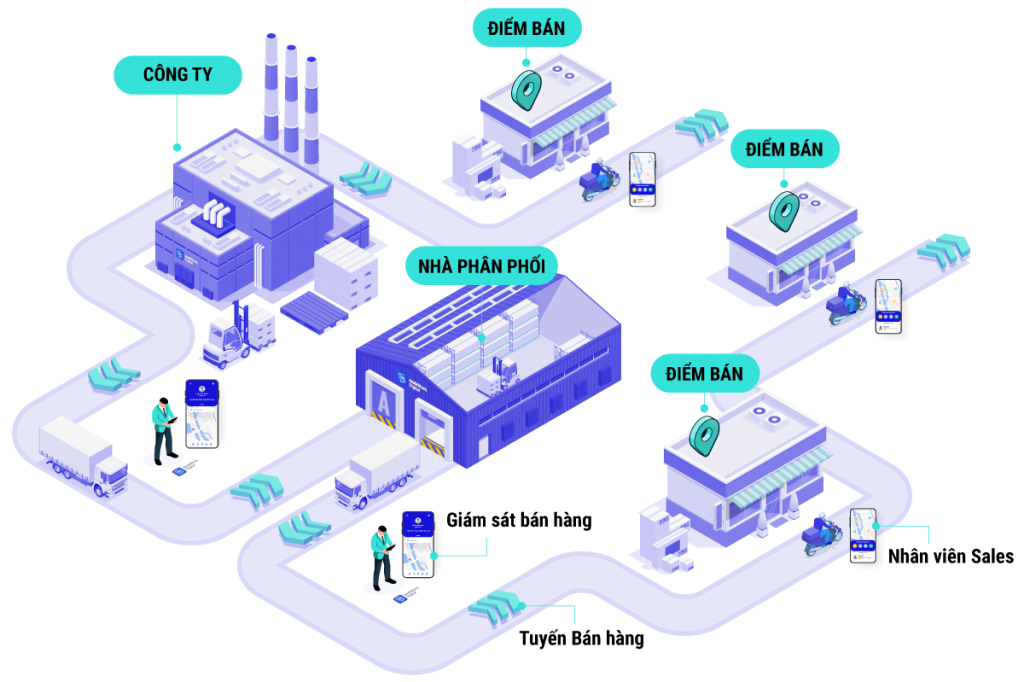
Vinamilk not only focuses on the product but also on how it reaches consumers:
- Investing in the value chain: From raw material sources to production and distribution
- Diversifying distribution channels: Combining traditional and digital channels
- Bringing products closer to consumers: Expanding points of sale nationwide
The “Giấc Mơ Sữa Việt” store model is not just a point of sale but also a place to build brand experience, creating differentiation from competitors.
Flexibly adjusting strategy according to the market
The most important lesson from Vinamilk is the ability to adapt to market changes:
- Quickly capturing trends: Such as organic and plant-based trends
- Investing in R&D: Continuously improving products and technology
- Dynamic business model: Ready to adjust to the market
For example, in response to the green consumption trend, Vinamilk quickly developed organic farms and launched an organic product line, gaining a “first-mover” advantage in the market.
Vinamilk also quickly shifted part of its marketing strategy to digital platforms, especially TikTok and Instagram, to reach younger customer groups – a wise move in the digital age.
————————————-
The Canvas model is not a fixed formula but a flexible thinking framework. Vinamilk’s Canvas model is a prime example of how a Vietnamese enterprise can build a complete business ecosystem and compete successfully on the international stage. Each business needs to apply it creatively, adjusting it to fit their specific industry and context to create unique value for both customers and the business itself.
















