


 13/05/2026
  337 views
Inbound and outbound are two very familiar concepts in marketing, but not everyone clearly understands the differences and how to apply them appropriately. If you want to quickly grasp the essence of these two methods, this article will help you better understand what inbound and outbound are and provide practical examples.
Mục lục
I. What are Inbound and Outbound?
In essence, Inbound and outbound are not strictly divided by marketing platforms; the biggest difference lies in how they approach customers!
1. What is inbound marketing?
Inbound marketing is a method of attracting customers to a business naturally through “guidance.” Businesses proactively create useful, high-quality content so that readers actively seek out their products, effectively increasing sales conversion rates.
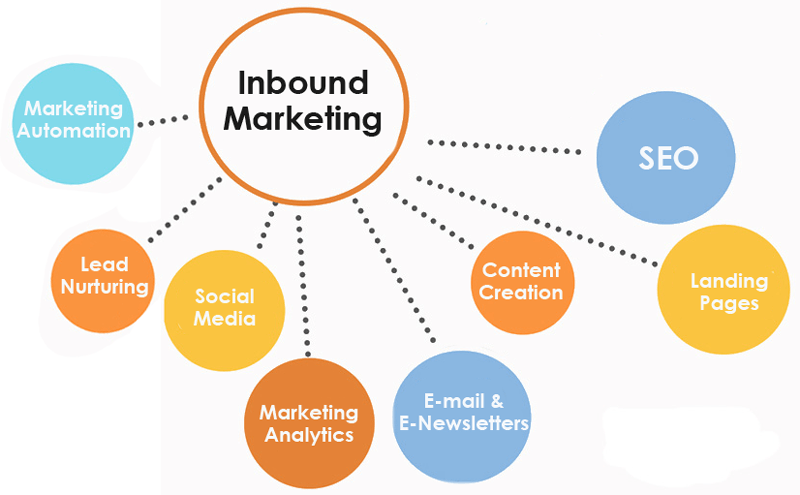
Today, inbound marketing is becoming a trend adopted by all businesses and is gradually replacing outbound marketing activities.
The process of implementing an inbound marketing strategy includes:
- Step 1: Attract customers to visit your marketing channels such as: website, fanpage, YouTube…
- Step 2: Call customers to action to leave their information in exchange for something.
- Step 3: Proceed with calls, emails, and chats to consult on customer needs.
- Step 4: Provide advice and solutions to customers.
2. What is outbound marketing?
Outbound marketing is a traditional form of marketing used by businesses since the 2000s. In this approach, businesses use media channels like newspapers, television, flyers, etc., to reach customers. This means that the customers they reach are not necessarily those with a relevant need. Instead, the role of outbound marketing is to find and awaken customer demand.
Common forms of outbound marketing include:
- Outbound Call: This is when a business proactively calls customers to introduce products, provide consultation, or invite them to make a purchase.
- Outbound sale: This is when sales staff use all marketing channels to reach customers. You can send emails, make calls, or schedule in-person meetings to consult and sell.
Besides the two common forms above, outbound marketing can also be developed through many other channels such as: radio, television, outdoor advertising, flyers, email marketing…
>> See more: Marketing Automation – How to Apply It to Optimize Your Business?
II. The Difference Between Inbound and Outbound
After getting a general overview of inbound and outbound marketing, we will provide you with more on the distinct values of these two business models for a clearer understanding.
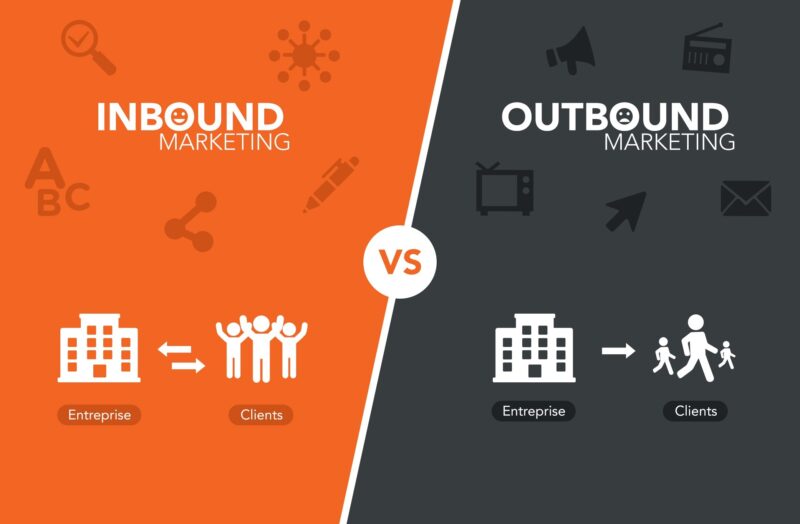
Implementation Channels: While inbound marketing uses available online marketing platforms that can be self-managed (like SEO, Social, forums, YouTube…), outbound marketing requires significant fees for newspapers, TVCs, and flyers.
Content Approach: Inbound marketing provides valuable and useful content to users. In contrast, Outbound Marketing mainly transmits information about the company’s products and brand to customers.
Interactivity: Inbound marketing is based on the customer’s search needs. Therefore, there is a natural two-way interaction between the business and the customer. Meanwhile, Outbound Marketing is almost a one-way interaction from the business.
Potential Customers: Because the content provides useful value to users, the rate of reaching potential customers and business partners is much higher with Inbound than with Outbound. This is a key factor in inbound and outbound marketing that helps increase a company’s sales performance.
Marketing Costs: With Inbound marketing, you can sell effectively without having to pay any fees. Conversely, for Outbound marketing to be effective, you need to spend a relatively large amount of money.
From the differences between what inbound and outbound are in the content above, do you think the shift from outbound to inbound is really necessary? Let’s find out more!
III. Why You Should Shift from Outbound to Inbound in Business 4.0?
In the current technological trend, online marketing channels are continuously developing. The shift from outbound marketing to inbound marketing is truly necessary. Not only does it simplify advertising details, but inbound marketing also meets user behavior and needs:
- The strong development of the internet facilitates convenient and easy two-way interaction between businesses and customers.
- Today’s customer search behavior is proactive. Users will actively search for what they like and what they need. This is why inbound marketing has an advantage over outbound marketing.
- Customers have many choices instead of being limited to a single option. Additionally, users can research product and service information through various channels like websites, blogs, YouTube, etc., to make the most accurate choice.
Thus, the article above provides general information about what inbound and outbound marketing are. Depending on the business goals of each company, they can choose the most suitable communication solution.
Register for a consultation: 083 483 8888
For more details, please see:
Fanpage: https://www.facebook.com/1officevn/
Youtube: https://www.youtube.com/channel/UCeTIRNqxaTwk0_kcTw6SxmA
















