10/05/2026
  189 views
A lead is a very familiar concept in marketing and sales, but not everyone clearly understands how a lead differs from a typical potential customer or how to evaluate a lead. If you want to know what a lead is, what levels there are, and how to effectively convert a lead into a sale, this article will help you quickly grasp the most important points.
Mục lục
- 1. What is a Lead?
- 2. What is the Importance of a Lead?
- 3. What are the 3 Lead Levels in Marketing?
- 4. What are the criteria for evaluating Lead quality?
- 5. Lead Scoring – An Effective Formula for Evaluating Potential Customers
- 6. How to Convert Leads to Sales
- 7. What are the Methods for Lead Generation?
- 8. What to Note When Managing and Nurturing Leads?
1. What is a Lead?
A lead is a term commonly used in the marketing field to refer to an individual or organization that has responded to or shown interest in a company’s products/services.
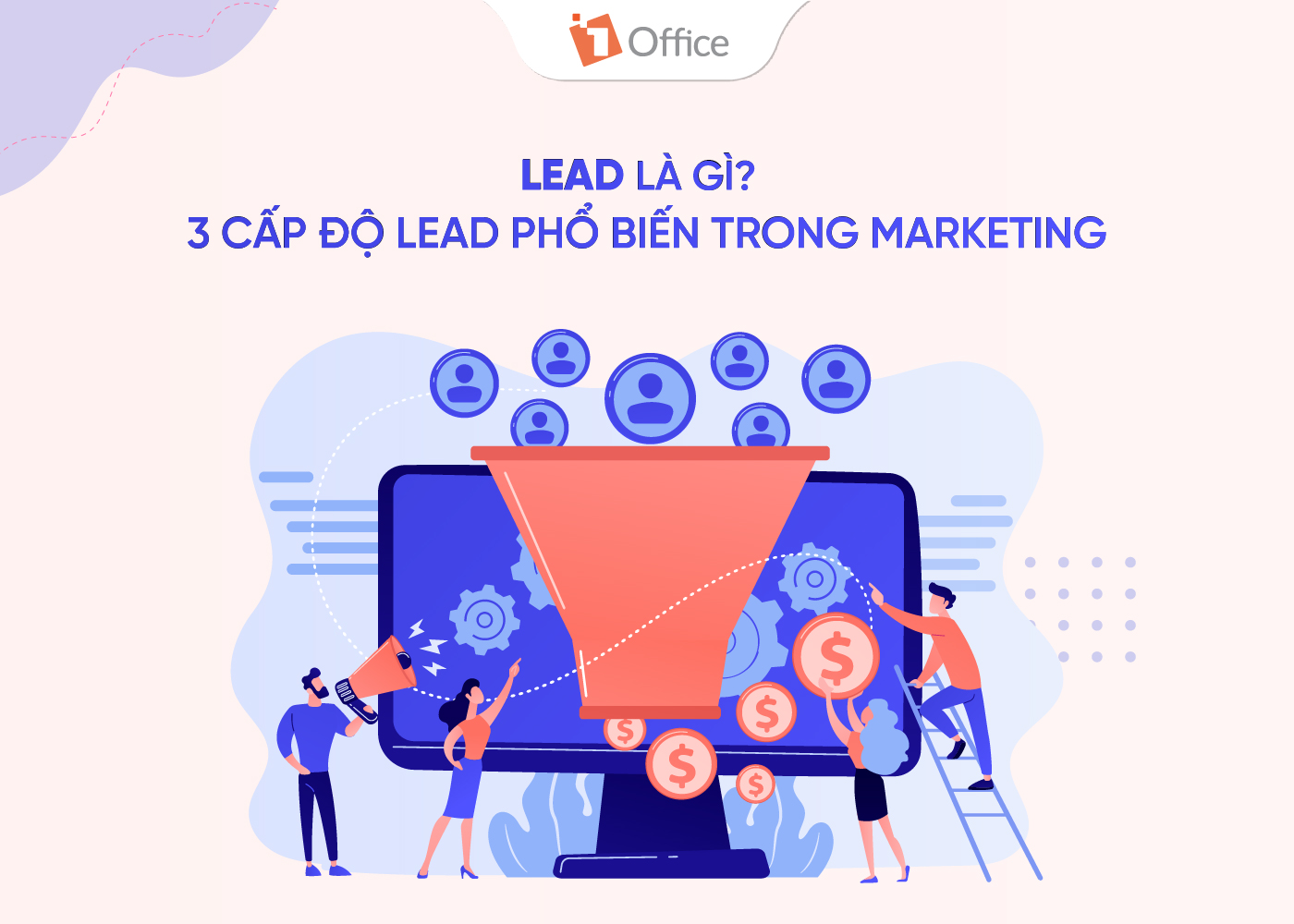
Simply put, leads are potential customers who have a need for or interest in the products/services a business provides. A lead can be an individual or an organization.
For example: A customer leaves their personal information (full name, phone number, occupation, email) in a consultation registration form on a company’s website. In this case, that customer is called a lead.
2. What is the Importance of a Lead?
Leads play a crucial and key role in marketing activities. With the effectiveness of leads, a business can:
- Identify customer needs: Based on the leads collected, a business can determine the different levels of customer needs. This helps the business implement suitable customer approach methods and optimize the customer experience.
- Build effective marketing plans: By clearly knowing the target audience and their needs, a business can select appropriate marketing channels and implement marketing activities that align with its goals.
- Increase customer conversion rates: A business can filter customers to focus on the group of potential customers with the highest purchasing probability.
For example: Travel company A, wanting to increase new customers, collected information from people interested in travel information. From these leads, they created marketing content and online ads to reach the right target audience. As a result, they converted leads into new customers and increased sales revenue.
3. What are the 3 Lead Levels in Marketing?
3.1. Information Qualified Lead (IQL)
An Information Qualified Lead (IQL) is a collection of contacts who have provided their information to a business but do not yet know or fully understand the product/service/company, or do not yet have a need/problem to solve.
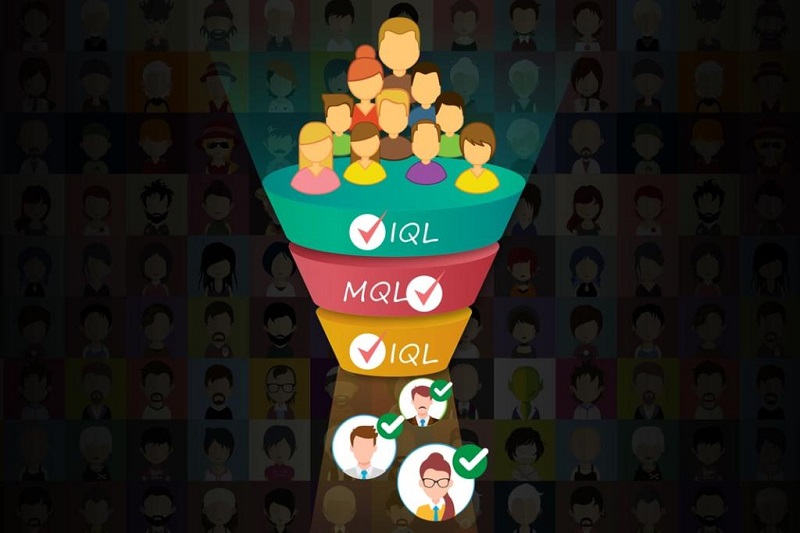
The group of customers at the IQL level is also known as “cold leads.”
A business can easily collect basic information such as name, phone number, email, etc., from this customer group by sharing useful information related to their interests.
At the IQL level, the business needs to identify the customer’s pain points and collect information. Afterward, it should implement activities to provide valuable information and product-related consultation.
For example: Fashion company A shares its latest 2026 fall/winter collection. Customers can receive the collection file by leaving their contact information. At this point, the customer group does not have a need to buy company A’s products but is interested in the 2026 fall/winter collection.
>> See more: 8+ most popular customer survey forms by purpose and industry
3.2. Marketing Qualified Lead (MQL)
Marketing-Qualified Leads (MQLs) are a group of potential customers who provide their information to a business because they are interested in and already know about the product/service/company. At this stage, they have specific needs and expectations for the product/service/company to solve their problems.
The group of customers at the MQL level is known as “warm leads.”
Through customer behavior, a business can identify whether they are a “warm lead.” Here are some customer behaviors exhibited at the MQL level:
- Downloading documents and information from the company’s channels
- Subscribing to marketing emails
- Participating in company-related events
- Leaving personal information to learn more about the product/service
Each customer interaction with the business is considered a “lead score.” This metric helps managers determine the lead levels of target customers.
At the MQL level, businesses need to enhance care and interaction with potential customers. At the same time, they must clearly identify needs and understand customer psychology to increase the conversion rate.
Example: Software company A posts an article on its Fanpage about a 5-day free product trial program. Customers only need to leave their contact information in a form (full name, phone number, current company name) to receive a free trial account. Customers who leave their information in the form will become lead scores, belonging to the MQL level.
3.3. Sales qualified lead (SQL)
A Sales Qualified Lead (SQL) is a set of potential customers who are ready to buy a business’s products/services. At the same time, they all have a need for and a clear understanding of the product/service/business.

The group of customers at the SQL level is called “hot leads.”
This is the stage with the highest customer-to-buyer conversion rate. Therefore, every business aims to acquire the highest number of hot leads. Businesses can use various outreach methods, persuasion skills, and encourage customers to try the product to accelerate the customer’s purchasing decision process.
At the SQL level, businesses need to provide personalized consultation and support to each customer. Building relationships, persuading, and assessing the potential for successful customer conversion are also activities that businesses must actively pursue.
Example: Customer B directly contacts company ACV’s hotline to request a quote and specific consultation about software X. This indicates that Customer B has researched and has a need to learn about and purchase software X. Thus, Customer B can be considered a customer at the SQL level.
4. What are the criteria for evaluating Lead quality?
Evaluating lead quality helps businesses determine the likelihood of a lead converting into an actual customer. A lead is considered high-quality when it meets the following criteria:

- Decision-making authority: The authority to make decisions is often used to evaluate the quality of leads who are business/organizational customers. Purchasing decisions are made by the consensus of multiple individuals rather than depending on any single person. Therefore, the seller needs to understand this customer group and their needs to best meet their expectations.
- Need: The product a business provides must meet the customer’s needs to effectively increase the conversion rate. High-quality leads will clearly show the business the customer’s needs for the product/service, such as their level of interest, awareness, top concerns, etc.
- Ability to pay: Price-sensitive customer groups are often very concerned about the price of the products/services the business provides. Alternatively, there are customers who have researched the product/service and found that it meets their needs and solves their problems. In that case, they will tend to inquire about the price to make a purchasing decision and complete the subsequent purchasing procedures.
- Challenge: Fluctuations and obstacles from the customer’s side can affect their purchasing decision. Therefore, a lead set with too many challenges will not be considered high-quality.
5. Lead Scoring – An Effective Formula for Evaluating Potential Customers
Lead Scoring is a method of determining lead quality based on attributes and characteristics to gauge a customer’s readiness to purchase goods/services. With the Lead Scoring method, businesses can evaluate and filter their pool of potential customers.
- High-score leads are potential customers with a high probability of converting into actual customers. Businesses can evaluate them based on their behavior and clear interest in your product/service.
- Low-score leads are potential customers with a low or unclear probability of conversion. They tend to have little interaction or show no interest in the business’s product/service.
Example: A customer only leaves their name and phone number to be consulted about product X. However, when a sales representative contacts them, they frequently refuse and do not wish to be consulted. This indicates that this is a low-score lead.
In a case where a customer leaves their information and directly contacts a sales representative, this lead is a high-score lead.
To build an effective lead scoring model, businesses need to adhere to the following principles:
- Clearly define goals and objectives.
- Collaborate between marketing and sales.
- Determine the criteria for evaluating lead quality.
- Establish an appropriate scoring scale and point levels.
- Continuously test and adjust.
- Use supporting technology to automate the lead scoring process.
6. How to Convert Leads to Sales
Generating quality leads doesn’t guarantee that the business will make a sale. This factor only determines a small part of the sales process. Leads need to be transferred to the Sales department for consultation and nurturing.
During this stage, the customer’s purchasing decision largely depends on the Sales and Marketing departments. Some key tasks the business needs to focus on include:
- Specifically and clearly assign potential customer leads to the Sales department. Ensure that Sales staff promptly nurture and consult with customers without any data overlap.
- Segment customers to focus nurturing efforts and enhance Marketing activities.
- Synchronize information between the Sales and Marketing departments.
7. What are the Methods for Lead Generation?
Lead generation methods have proven to be highly effective for business operations. With just a few simple methods, businesses can collect a large amount of potential customer data.
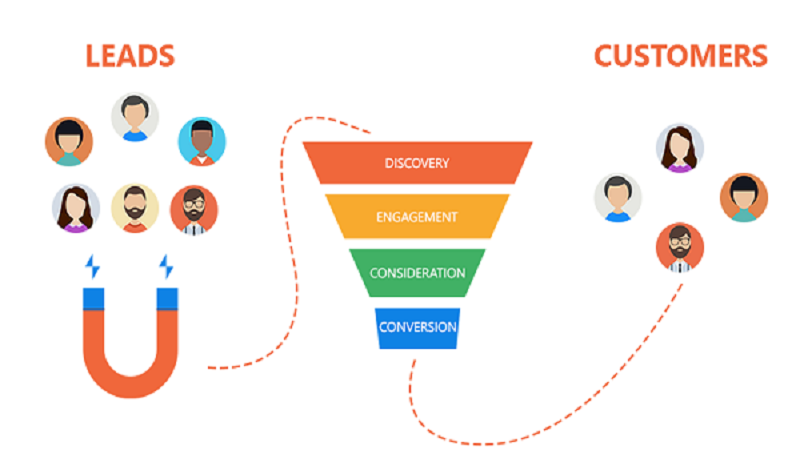
Here are some effective lead generation methods used by many businesses:
- Landing Page: Businesses can use landing pages for customers to register for consultations or to receive information/documents they are interested in. Create registration forms on the website or share landing page links with customers. The registration form on the landing page should include basic information such as name, phone number, and email.
- Polls and Surveys: Create polls or surveys for customers to express their opinions and views on topics related to the business’s industry. Through these forms, businesses can easily collect customer contact information.
- Webinars and Online Events: In recent years, organizing webinars or online events has been strongly embraced by customers. Businesses can attract a large number of customers with this lead generation method. By requiring registration to attend the event, the registration information becomes a lead for the business.
- Email Marketing and Advertising Campaigns: Implement email marketing and paid advertising campaigns to reach and attract potential customers. Customers who click on the links in emails or ads will be redirected to customer information registration forms.
8. What to Note When Managing and Nurturing Leads?
Managing and nurturing leads is a continuous process that requires businesses to focus not only on quantity but also on improving the quality and conversion efficiency of each lead. Skipping important steps can lead to lost sales opportunities or damage to the brand’s reputation. Here are some important notes for managing and nurturing leads:
-
Periodically evaluate lead quality:
Periodic evaluation helps identify which leads still have potential and which are unsuitable, allowing you to focus your resources. Businesses should use metrics like Lead Scoring, engagement levels, and customer behavior for accurate assessment. This prevents ineffective lead nurturing and budget waste. -
Segment leads by potential and stage in the customer journey:
Not all leads are the same; they need to be grouped based on conversion potential and their stage in the sales funnel (such as IQL, MQL, SQL). This segmentation helps in implementing personalized nurturing strategies, sending the right message at the right time, and increasing the likelihood of converting them into actual customers. -
Don’t neglect old leads; maintain long-term nurturing:
Old leads that are not ready to buy immediately still have value if nurtured correctly. Businesses should plan for long-term nurturing through email, messages, direct consultations, or periodic marketing campaigns. This helps maintain relationships, build trust, and increase the probability of future purchases. -
Use an effective lead management tool:
A Customer Relationship Management (CRM) system is an essential tool for tracking interaction history, taking notes, setting follow-up reminders, and measuring the results of lead nurturing. This tool helps sales and marketing staff synchronize information, avoid missing leads, and improve work efficiency.
Optimize the customer experience:
Every interaction with a lead should provide value and a positive experience. Ensure personal information is secure, respond promptly, and provide content that meets their needs. Satisfied leads are more likely to become loyal customers and also refer new ones.
Thus, this article has helped you find the answer to the question “what is a lead” as well as related information about leads. We hope you found this information helpful. We wish you success!