10/05/2026
  168 views
Apple’s product development strategy is impressive not only for its incredible sales figures but also for its excellent ability to position its brand and change the game. Their success lies not just in high revenue, but in how they position their brand and change the game. Let’s join 1Office to learn about the unique points that led to the great success of Apple’s product development strategy in the following article.
Mục lục
- 1. Introduction to Apple
- 2. Apple’s Product Development Strategy
- 3. Key Highlights in Apple’s Product Development Process
- 4. Key Highlights of Apple’s Product Development Strategy
- <strong data-start="173
- 6. Lessons Learned from Apple’s Product Development Strategy – Complete & Detailed
- 7. Conclusion: Why Apple remains a global model for product strategy
1. Introduction to Apple
Apple, a leading global technology corporation headquartered in California, is not just a company but also a symbol of innovation and style. On par with major competitors like Amazon, Google, Microsoft, and Facebook, Apple holds a special position on the list of the world’s top technology companies.
With the groundbreaking vision of Steve Jobs and the effective leadership of Tim Cook, Apple has continuously developed and positioned itself as a leading brand in the technology market. With a market capitalization exceeding $2 trillion and its own distinct operating system, Apple is a pioneer in shaping the industry.
Apple’s Marketing Strategy is a special point, highlighting the concept of “Innovation”. The modernity and uniqueness of its products, despite their limited quantity, have created a special reputation. Although its product portfolio is not large, Apple always maintains a competitive advantage through uniqueness and quality, constantly challenging conventions and paving the way for new ideas.
Conversely, Samsung’s marketing strategy is more about “broad coverage,” diversifying products to meet every market segment. You can see a detailed analysis in the article on Samsung’s marketing strategy.
2. Apple’s Product Development Strategy
The Ansoff Matrix, created by the father of strategic management, Igor Ansoff, is an important tool in strategic analysis. Designed to explore the relationship between products and markets, this matrix provides deep insights into the strengths and weaknesses of a product in its target market.
From the results of the Ansoff Matrix analysis, businesses can identify market opportunities for their products.
2.1 Apple’s Strategy for the Apple II Product
The Apple II is known as the precursor to the personal computer in the tech world. It marked a significant step in computer history. First appearing in 1977, this product played a crucial role in the personal computer revolution.
Steve Wozniak, the co-founder of Apple, designed the first Apple II computers. Using the BASIC programming language and a TV screen, this device was not only a technological breakthrough but also provided a unique user experience, which was also Apple’s business strategy.
By 1993, the company had sold a total of 5 to 6 million units, proving the Apple II’s long-term influence and success in the personal computer market. It was a grand beginning for Apple’s journey in shaping the technology industry.
2.2 Macbook Product Strategy
Apple’s first product development strategy, the Mac computer, launched in 1984, established the company as a leader in the technology industry. With nearly 29 million new Macs sold and over $35 billion in revenue last year alone, this computer is not just the result of a product development strategy but also a symbol of innovation and commercial success.

Although Mac’s market share in the personal computer industry is only 8.5%, much lower than Windows-based competitors like Lenovo, HP, and Dell, it has seen growth in the last two years. This may be related to Apple’s new strategy of switching to its self-designed M1 chip instead of using Intel’s chips. This change is not only a technological advancement but also a strategy that helps Apple strengthen its position in the personal computer market.
2.3 Strategy for the iPod/iTunes Products
Apple’s product development strategy made a special mark when co-founder Steve Jobs returned in 1997 and quickly revived the business, pulling the company out of a business downturn. In 2001, Jobs continued to create a significant milestone in Apple’s history with the launch of the iPod, a revolutionary product for his second tenure as CEO. The iPod was not just a music player but also a symbol of convenience and creativity.
With an estimated 450 million iPods sold by May 2022 and over 30 billion songs sold on iTunes, this strategy proved its appeal and long-term success. However, in May 2022, Apple announced it would stop producing the iPod due to a sharp decline in sales and its replacement by the popularity of smartphones. At the same time, iTunes was also officially replaced by the streaming music service Apple Music, further demonstrating the spirit of innovation and flexibility in Apple’s product development strategy, as a way to approach customers for the brand.
2.4 Apple’s Strategy for the iPhone Product
Apple’s product development strategy marked a significant milestone with the introduction of the iPhone, which can be considered their most world-changing product. The iPhone not only transformed mobile phones into advanced computers but also created a new perception of the mobile economy. From advertising and music to transportation, every aspect of modern life is connected to users of the iPhone and other smartphones.
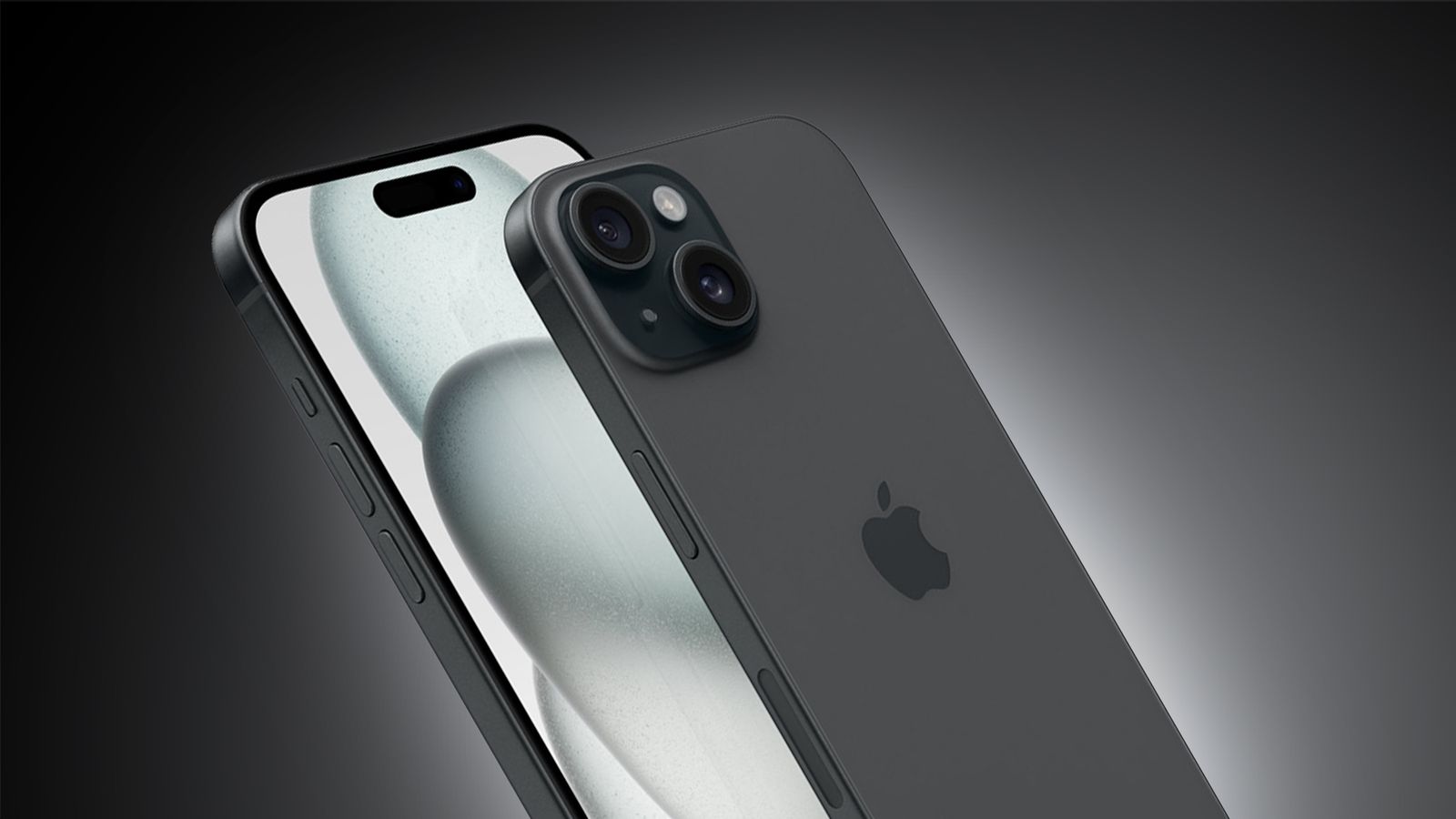
Last year alone, Apple sold 233 million iPhones, generating approximately $196 billion in revenue. Currently, income from iPhone sales contributes to about half of the company’s total revenue. Since its launch, over 2 billion iPhones have been sold worldwide, positioning it as one of the most successful consumer electronics products in history. This strategy has not only helped Apple dominate the smartphone market but has also had a profound impact on global culture and economy.
2.5 Apple Watch Product Strategy
Apple’s product development strategy made a breakthrough with the introduction of the Apple Watch in April 2015. The Apple Watch quickly became the best-selling wearable device, with sales of 4.2 million units in the second quarter of 2015 alone. By the end of 2020, approximately 100 million people had experienced this product.
The Apple Watch is not just a smartwatch; it is also a versatile health and activity tool. It integrates health and fitness tracking features. Additionally, it is highly compatible with the iOS ecosystem and other Apple products and services. Users can pair the Apple Watch with an iPhone to enjoy features like receiving calls, sending messages, and syncing notifications from iPhone apps. This strategy not only expands Apple’s product range but also meets the growing user demand for health and technology.
2.6 AirPods Product Strategy
Apple’s product development strategy achieved outstanding success with the AirPods wireless earbuds line, although it received considerable criticism upon its launch in late 2016. However, in the following years, AirPods became extremely popular, and just two years later, they became Apple’s most popular accessory. In 2019, CEO Tim Cook described AirPods as a “cultural phenomenon.”
In 2020, Apple sold over 100 million AirPods, estimated to account for more than 60% of the global wireless earbud market, according to analysts. In addition to the basic version, Apple also developed premium versions like AirPods Pro and AirPods Max, expanding choices for consumers and marking the diversity in their product strategy.
2.7 Apple’s Strategy for the iPad Product
Apple’s product development strategy demonstrated great diversity and influence with the launch of the iPad in April 2010. Although other tablets existed before, the iPad was the first device to be widely embraced by consumers. With over 400 million iPads sold on the market, including nearly 58 million last year alone, it created a wave in the mobile industry.
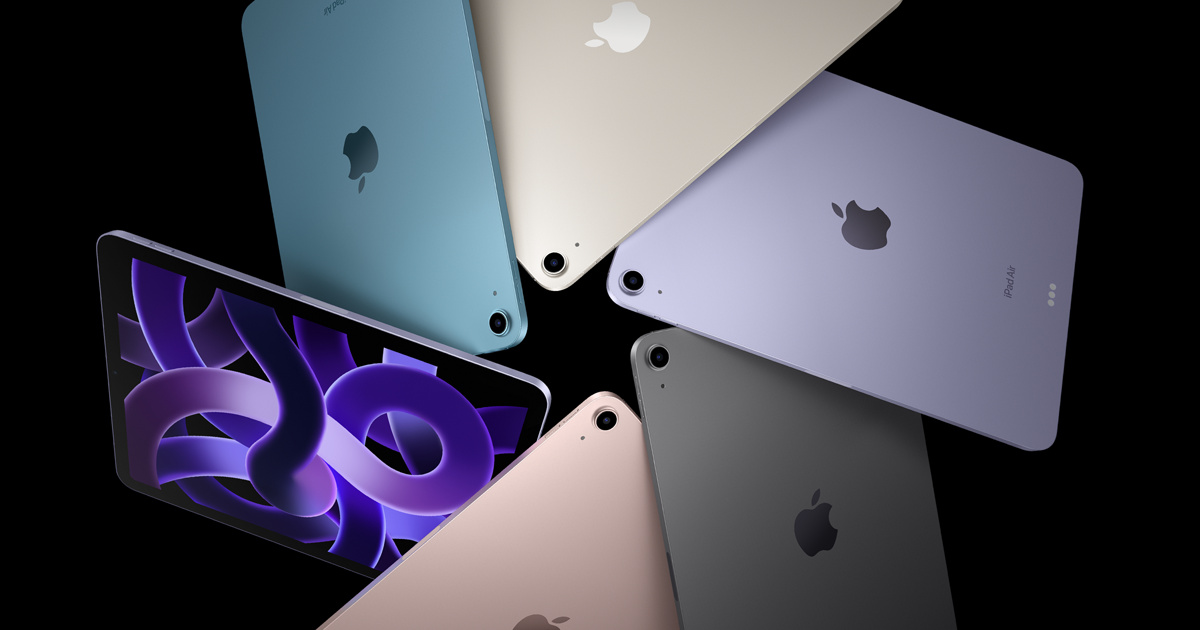
However, iPad sales have declined compared to the mid-2010s. One of the main reasons is the increasing size of phone screens, which has made the iPad’s advantages less prominent than before. In the list of Apple’s product revenues, the iPad has also dropped to 4th place behind the iPhone, Mac, and wearables, demonstrating the diversity and flexible adjustments of their product strategy.
3. Key Highlights in Apple’s Product Development Process
Apple is one of the leading teams in the US tech industry and has achieved great success thanks to the product development process they implement. To achieve this, Apple has executed a unique product development process with the following key highlights:
3.1 Empowering the Design Department
At Apple, the power of the design team is not limited to product quality but also focuses on external appearance, creating an effective product development strategy that has been applied for many years.
In particular, Jony Ive – the British designer who once served as Apple’s Chief Design Officer – and his design team were empowered to work like company leaders. At Apple, they were privileged with high autonomy, not required to report on financial or manufacturing aspects. They had complete freedom to set their department’s budget, fostering a flexible and creative work environment.
3.2 Isolating the Design Team
Apple employees are almost never allowed into the company’s design studio, not even executives. During the process of working on a new product, Apple implements a special isolation strategy for the design team.
The design team is separated and tightly controlled, with no interaction or communication with other teams in the company throughout the product development process. Their workspace can be completely isolated whenever they are focused on creating a new product.
The isolation of the design team plays a crucial role in Apple’s product development strategy. This helps ensure that the design team focuses solely on the goal of creating a new product without being influenced by external factors.
3.3 Detailed Documentation and Processes
Apple provides a document on the new product process (The Apple New Product Process – ANPP) to the product development team when they begin a project. This is a concept that Apple first applied during the development of the Macintosh.
This document details each stage of the creative design process and records all important information: who will participate in each stage, who will be responsible for completing the work, and the expected timeline for product completion. All of these details are clearly documented, creating a detailed and crucial process in Apple’s product development strategy.
3.4 Weekly Audits
Every Monday, Apple’s executive team holds a meeting to review every product the company is currently producing. The meetings typically last about three hours, from 9 AM to noon or from 10 AM to 1 PM.
What’s unique about Apple is that they don’t review many products at once because they limit the number of products being produced at any given time. This helps focus resources on key projects, yielding greater efficiency than spreading attention across smaller projects.
If a project is not reviewed at the beginning of the week, it is automatically moved to the next review session on the following Monday. This ensures that no product has to wait more than two weeks to be reviewed, from the moment a key decision is made until the company is ready to approach the design.
These weekly meetings are a crucial part of Apple’s product development strategy, helping to maintain efficiency and focus in the product management and review process.

3.5 The Importance of Two Roles: EPM and GSM
After a product is greenlit, the EPM (Engineering Program Manager) and GSM (Global Supply Manager) are responsible for taking the product from design to production, turning the idea into reality.
They have absolute control over the product process and are known at Apple as the “EPM mafia.” Both of these roles are held by executives who spend most of their time in China overseeing manufacturing operations.
The main task of the EPM and GSM is to ensure that products are brought to market correctly, on time, and on budget. In their work, they always make decisions based on the principle of doing what is best for the product and adhering to the processes in Apple’s development strategy.
3.6 Continuous Iteration is the Secret
Sometimes, there are leaks of product versions, like an iPhone, that we never see released. Often, this information comes from China, where factory workers might be paid to provide prototypes to bloggers or journalists.
This shows that to perfect a product, Apple must continuously iterate on the design throughout the production process. The product is created, tested, and evaluated, then the design team improves the product and rebuilds it. This process takes 4-6 weeks and can be repeated many times during the product’s development.
Therefore, many versions of the product are finalized. This is an expensive approach to building a new product, but it is the standard in Apple’s product development strategy.
3.7 Product Packaging
Apple has a dedicated room in its marketing building to ensure the product packaging process meets a high level of security. This area is under special management for new products and designs.
This is where prototypes are unboxed and inspected. Before the iPod was introduced, an Apple employee spent hours every day for months just opening hundreds of prototype boxes to experience and refine the unboxing process.
This packaging room is built with absolute security to prevent information leaks, a crucial part of Apple’s product development strategy. If information about an Apple product prototype leaks, the source is likely not from here but rather from the production line in China.
See more: The “Think Different” Campaign: Success Through Different Thinking
4. Key Highlights of Apple’s Product Development Strategy
Apple Inc. is a multinational technology corporation headquartered in Cupertino, California. It specializes in designing, developing, and selling electronic devices and computer software, and is one of the top 5 largest technology companies in the US. Apple is famous for its unique and optimized product development strategy.
Where does Apple’s success come from? What are the “pinnacles” of their product development strategy? Let’s explore the details in the following article.
Pinnacle #1: Focusing on improving product quality through a differentiation strategy
Product differentiation strategy is a marketing method designed to make a company’s product stand out from its competitors. The product differentiation process focuses on identifying and communicating the unique features of a product, making the differences between the company’s product and its competitors’ products clear.
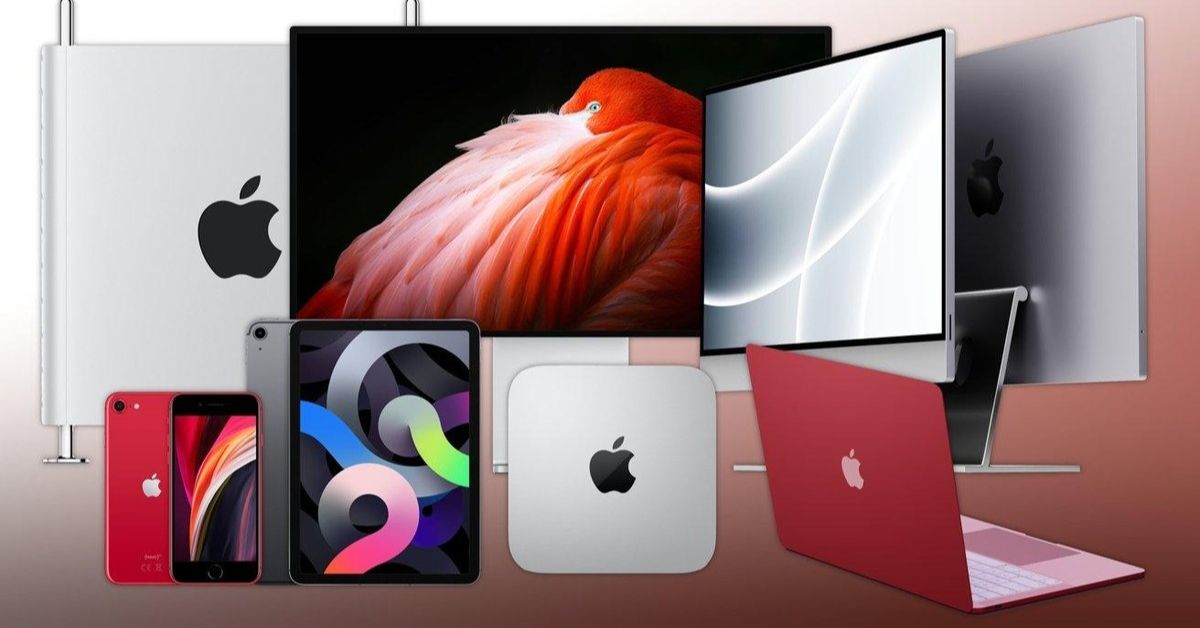
This product differentiation, combined with creating excellent value, helps the product attract consumers and deliver superior benefits. This is one of the important “pinnacles” in Apple’s product development strategy.
If implemented successfully, a product differentiation strategy can create a competitive advantage for the business and ultimately build long-lasting brand awareness. All these factors convey a powerful message to customers about the product’s superiority over competitors in the market.
Pinnacle #2: Focusing on the customer experience
Apple places a strong emphasis on the customer experience, which is one of its key marketing strategies. The company continuously invests in redesigning its products to be centered around customer needs and desires.
This strategy from Apple focuses on creating a unique customer experience that delivers top-quality products and keeps customers continuously satisfied. Their success comes not only from providing excellent products and services but also from creating an optimal customer experience through innovation in both software and hardware, along with periodically launching outstanding products.
At the same time, Apple also implements free product trial programs to collect feedback and reviews from the customer community, helping them to continuously improve and accurately meet market demands.
Pinnacle #3: Building an ecosystem for Apple users
Apple’s effective marketing strategy lies in developing and creating connections within its user community. Apple customers often choose their products because of this special relationship.
Apple customers often emphasize that the connection with the community is one of the main reasons they choose to use the company’s products. The Apple user community not only provides a consistent experience but also helps build brand loyalty in the market.
Apple has created an online platform to connect with customers, helping them feel like part of a large community where people can share information, images, and videos with each other. Owning and using Apple products becomes a way to express connection and share with others.
Pinnacle #4: Creating advertising content focused on user benefits
Apple’s customer experience strategy focuses on persuasive marketing advertising to build strong engagement with customers. Building effective customer engagement is crucial, and Apple has succeeded in this through creative marketing strategies.
Apple’s marketing team creates simple yet powerful stories to convey that owning an Apple product is not just a purchase but an experience that helps customers become the best version of themselves. Apple’s products are designed to be not just useful tools but also a part of daily life, helping customers realize the value and utility they bring.
Pinnacle #5: Focusing on the value proposition
Apple has created a special value that makes customers not only want to buy the products but also desire to own them. Excellence in design and product quality are standout features, and Apple has successfully combined both to create superior products.

Success in designing beautiful products and manufacturing quality has helped Apple easily access the market. Therefore, consumers naturally desire to own Apple products, despite the higher price compared to competitors. In Apple’s marketing strategy, aesthetic value and product quality are emphasized rather than focusing on price competition.
Pinnacle #6: Simplification
Apple always prioritizes simplifying its products while retaining full functionality so that users do not face difficulties in using them. A typical Apple philosophy is “to make technology so simple that everyone can be a part of the future.”
Steve Jobs put consumer psychology first when transforming leading technological advancements into “consumer-friendly” technology. Apple has succeeded in turning this simple idea into a brand story, using simple, direct language and avoiding technical jargon in its advertising.
Simplicity is not only present in product design but also in naming, color schemes, and other branding elements. This simplicity, combined with utility and elegance, makes Apple’s products attractive and memorable in the market.
Pinnacle #7: Product Placement
Positive reviews from product users often make a stronger impression than direct advertising from the manufacturer. This is why many people decide to buy a product or use a service based on the comments of relatives, friends, or those who have experience using it.
Over the past decade, Apple has skillfully utilized a Product Placement strategy in its marketing. They have built a strong consumer community worldwide, where sharing personal experiences with Apple products has become a great source of encouragement for others.
Apple doesn’t just sell products; they create a positive, cheerful, and friendly community. The positive reception from this community helps build a strong brand image and creates a strong desire in new customers.
Quality reviews and feedback from customers are not only an important source of information but also a reliable form of advertising. This has helped Apple maintain and grow a loyal community, ready to share their passion for the company’s products.
Pinnacle #8: A unique “language” to talk to customers
Understanding customers is a key element in Apple’s Marketing strategy. On their website, Apple focuses on minimizing user confusion by using simple and direct language. They avoid using technical jargon, instead emphasizing the benefits that consumers truly find important.
This strength of Apple in content marketing is presenting high-tech products without complicating them with complex terminology. They proactively communicate messages simply, avoiding confusion for customers faced with too much information. This strategy is one of the highlights of Apple’s product development.
Apple directs attention to the most important aspects of its products and services, rather than constantly presenting technical specifications that users might find difficult to understand. This friendly and helpful approach is a strength that Apple’s competitors have yet to achieve.
<strong data-start="173
If you had to choose two people with the greatest influence on how Apple creates groundbreaking products, they would undoubtedly be Steve Jobs and Jony Ive. One shaped the product vision, the other realized it through iconic designs – and together they created Apple’s product DNA, which continues to live on today.

5.1. Steve Jobs’ Product Vision
Steve Jobs was not just the founder; he was the “soul” of product development thinking at Apple.
Some key highlights of his vision include:
-
Viewing products as the intersection of technology and art
Jobs always emphasized that Apple didn’t just build devices, but created “tools for people to be creative.” -
An absolute focus on the user experience
He believed that if a product needed a lengthy user manual, it had already failed. Apple had to create something that “everyone knows how to use instantly.” -
Simplifying to the point of purity
Jobs often asked the team to cut 50% of the initial features to make the product truly streamlined. -
Total control – from hardware to software
This philosophy helped Apple create synchronized, smooth products that were completely different from competitors.
That vision shaped the entire way Apple created the iPhone, MacBook, iPad… and influenced the design standards of the entire tech industry.
5.2. Jony Ive’s Design Philosophy
If Steve Jobs was the “soul,” Jony Ive was the “golden hand” behind almost every iconic Apple product.
Jony Ive’s design philosophy included:
-
Minimalist design with depth
It wasn’t just about “fewer buttons,” but about every detail having a reason to exist. -
Design based on the nature of materials
Ive always respected materials: aluminum, glass, titanium… and found ways to let them “speak” with their own natural beauty. -
Refining every curve, every redundant detail
From the beveled edge of the iPhone to the thinness of the MacBook, everything was obsessively refined down to the thousandth of a millimeter. -
Designing to evoke emotion, not just to look good
Ive believed that a perfect product must make the user want to touch it.
Thanks to this mindset, Apple has been the aesthetic benchmark in the tech industry for over 20 years.
5.3. The CEO – Chief Designer Relationship that Built a “Product Empire”
Steve Jobs and Jony Ive had a rare relationship in the corporate world: the CEO considered the Chief Designer a strategic partner, not a subordinate.
Key highlights of this collaboration include:
-
Jobs protected Ive from all pressure from the executive board, creating maximum conditions for creativity.
-
Ive was the only person Jobs trusted completely with aesthetics.
-
The two shared a mindset of “simplifying to the core.”
-
Jobs provided the vision — Ive turned that vision into a concrete design, and then the engineering team brought it to life.
It was this synergy that created historic products:
iMac G3, iPod, iPhone, iPad, MacBook Air…
This period is considered Apple’s “golden age” of product innovation.
5.4. The Legacy in Current Product Lines
Although Steve Jobs has passed away and Jony Ive has left Apple, their mark is still deeply ingrained in every product line:
-
The minimalist design language remains a pillar for Apple in 2024–2025.
-
The “user-centric” product mindset continues to be maintained in iOS, macOS, and watchOS.
-
High-end finishing standards still keep Apple at the forefront of hardware quality.
-
The synchronized ecosystem remains a core competitive advantage.
-
The way products are launched, the storytelling, and the emotions conveyed still follow Jobs’ style.
In other words, the Jobs-Ive legacy has become Apple’s DNA, and it is this DNA that helps Apple continue to grow & capture a large market share despite the volatile tech industry.
6. Lessons Learned from Apple’s Product Development Strategy – Complete & Detailed
Apple is a prime example of how a consistently executed product development strategy can create a very sustainable competitive advantage. Below are the lessons learned from how Apple thinks, designs, and implements products—with illustrative examples and suggestions for other businesses to apply.
6.1. Focus on Core Values Instead of Chasing Trends
Apple doesn’t try to cram every “trendy” feature into its products. Instead, they choose a few core values—for example: a smooth touch experience (iPhone), design finish (MacBook), health care features (Apple Watch)—and then excel at them.
-
Why it’s effective: Focusing helps Apple optimize R&D resources, enhance quality in differentiating areas, and avoid confusing users with redundant features.
-
Example: The iPhone focused on the touchscreen experience and the App Store ecosystem from its first version, rather than trying to do everything (high-end camera, massive battery…). The result: a product with a seamless experience and clear user perception.
-
Application for businesses: Identify 1–3 “core values” where your product/service must excel, then allocate resources to ensure those values always meet top-tier standards.
6.2. Put the User at the Center of Every Decision
Every decision at Apple—from the interface, materials, and packaging to after-sales service—begins with the question: “What will the user experience be like?” They design in a way that makes usage intuitive, requires little instruction, and evokes a positive feeling when touching the product.
-
Why it’s effective: Users don’t just buy features; they buy experiences. When the experience is good, loyalty increases, and the cost of acquiring new customers decreases.
-
Example: Apple’s packaging design and unboxing process are intentional experiences—creating a positive first impression and contributing to the perceived value of the brand.
-
Application for businesses: Design the customer journey from awareness, purchase, and use to after-sales care; optimize every small touchpoint to create an impression and reduce friction.
6.3. Simplicity is Strength
Apple’s minimalism isn’t about cutting back but about curating: removing unnecessary elements to highlight what truly matters. This simplicity is also reflected in the interface, marketing messages, and even product structure.
-
Why it’s effective: Simplicity makes products more accessible, reduces user error, increases reliability, and conveys a sense of premium quality. Operationally, it helps reduce complexity costs, increase production efficiency, and improve quality control.
-
Example: The UI design of iOS focuses on intuitiveness, with buttons and actions reduced to the essentials, making it easy for new users to get accustomed. On the hardware side, Apple once removed the optical drive from the MacBook to make it thinner—a controversial decision at first, but one that helped shape the trend of thin and light laptops.
-
Application for businesses: Review your products/services to eliminate features that don’t add value; for digital products, prioritize a simple UX; for internal processes, remove redundant steps to increase efficiency.
6.4. Build a Brand with Emotion, Not Just Products
Apple sells a feeling—a sense of “belonging,” sophistication, and modernity. Their brand strategy taps into emotional needs (self-expression, status) rather than just listing technical specifications.
-
Why it’s effective: When buyers form an emotional connection with a brand, they are willing to pay a higher price, remain loyal for longer, and become a free channel for brand promotion (advocacy).
-
Example: Apple’s launch events are organized like professional media shows, triggering emotions and widespread communication; packaging, Apple Stores, and after-sales policies are all designed to reinforce the brand experience.
-
Application for businesses: Define the brand story and design experiences, advertisements, and points of sale so that users can “feel” the emotional value, not just understand the features.
7. Conclusion: Why Apple remains a global model for product strategy
Apple is successful because they persistently pursue a clear product development philosophy: focusing on core values, putting the user at the center, embracing minimalist design, and building the brand through emotion. They are not distracted by short-term trends; instead, Apple invests in core differentiators and optimizes every detail to serve a long-term vision.
For businesses looking to learn from Apple’s model, the practical lessons are:
-
Choose to do a few things very well instead of many things disjointedly.
-
Design products/services based on the user journey, optimizing every touchpoint.
-
Use design and experience to create emotional value, not just compete on specs.
-
Establish internal discipline to iterate—test—refine continuously until the product meets the standard.
When businesses consistently apply these principles—and patiently execute them over the long term—they can build products that are not just usable but also loved, creating a foundation for sustainable growth and a competitive advantage that is difficult to replicate.
————————
Through its unique product development strategies, Apple clearly differentiates itself from competitors in the industry. Dominating the market and constantly innovating with new products is a challenge that not many brands can overcome. We hope this article from 1Office has provided you with useful insights into how Apple achieved this success.