


 10/05/2026
  163 views
Market analysis is a crucial step that helps businesses understand customers, identify competitors, and make more accurate business decisions. But what is market analysis, what does it include, and where should you start? This article will help you understand the process, methods, and how to apply them to your business in practice.
Mục lục
- 1. What is market analysis?
- 2. Why do businesses need to analyze the target market?
- 3. What does market analysis include?
- 4. Popular market analysis methods today
- 5. The Standard Market Analysis Process
- 6. Common Mistakes in Market Analysis
- 7. Effective market analysis solutions in the Industry 4.0 era
- 8. Frequently Asked Questions about Market Analysis
- 9. Conclusion
1. What is market analysis?
Market analysis is the process of collecting and evaluating information about a target market. This process includes analyzing consumer behavior, the business environment, competitors, growth opportunities, and more.

The purpose of market analysis is to identify opportunities, challenges, and effective business strategies, while also optimizing operations, minimizing risks, and achieving set goals. Additionally, it helps businesses make informed decisions, compete effectively, and succeed in a dynamic business environment.
Market analysis is a crucial activity for any business that wants to succeed. Businesses should conduct market analysis regularly to stay updated on market information and make appropriate adjustments to their business strategies.
2. Why do businesses need to analyze the target market?
Market analysis helps businesses better understand their target customer group. This includes understanding customer characteristics, needs, preferences, and purchasing habits to serve them better. Furthermore, it helps businesses discover new and potential opportunities in the market, such as identifying new trends, segmenting the market, or even developing new products or services based on customer needs.

Market analysis helps businesses evaluate their competitors. By gathering information about competitors’ products, services, marketing strategies, and strengths/weaknesses, a business can develop a more effective competitive strategy.
Through market research, businesses can identify and develop suitable marketing strategies, including brand positioning, distribution channels, pricing, and appropriate advertising strategies. Additionally, market analysis provides the necessary information to forecast future market trends and plan for the company’s growth.
3. What does market analysis include?
Market analysis comprises a series of activities to thoroughly understand a business’s target market. Below are some key components of market analysis:

Market analysis comprises a series of activities to thoroughly understand a business’s target market. Below are some key components of market analysis:
- Customer Analysis: Understand the needs, wants, purchasing behavior, and demographics (age, gender, income, etc.) of customers to identify a suitable target market. Research customer psychology to understand their purchasing motivations and responses to marketing factors.
- Competitor Analysis: Identify direct and indirect competitors in the market, and evaluate their financial capacity, products/services, business strategies, strengths, and weaknesses to determine your own competitive advantage.
- Business Environment Analysis: Analyze economic, social, cultural, political, and legal factors affecting the market; identify new market trends to develop suitable products/services; and assess the level of competition in the market to formulate an appropriate strategy.
- SWOT Analysis: Evaluate the company’s strengths, weaknesses, opportunities, and threats based on the information gathered, which helps the business determine its competitive position and formulate a suitable strategy.
- Market Demand Analysis: Identify the needs of target customers and how well existing products/services on the market meet those needs. From there, analyze market demand trends to predict future needs and find new market opportunities to develop new products/services.
>> See more: What is the PESTEL model? Applications? Illustrative examples in business
4. Popular market analysis methods today
In an increasingly competitive landscape, market analysis cannot be based on intuition. Businesses need to rely on scientific and systematic research methods to accurately understand customer needs, market size, and consumer trends.
Currently, there are 4 common groups of market analysis methods that businesses often apply:
4.1. Qualitative Analysis
This method helps businesses understand customers’ motivations, emotions, behaviors, and expectations through forms such as:
-
In-depth interviews: Focusing on individuals or small groups to discover the reasons behind purchasing behavior.
-
Focus groups: Creating an environment for consumers to exchange and share their viewpoints, helping businesses uncover hidden insights.
-
Observation: Monitoring customers at points of sale, on websites, or on social media to understand how they interact with products.
This is an ideal method when businesses want to deeply understand “why customers act the way they do,” especially during the new product research phase.
4.2. Quantitative Analysis
Unlike qualitative analysis, the quantitative method is based on statistical data and specific measurement models.
Businesses often collect data through online surveys, questionnaires, or CRM systems.
Some common metrics include:
-
Potential Market Share
-
Brand Awareness
-
Customer Satisfaction Score (CSAT, NPS)
Quantitative analysis helps measure the impact of each factor and validate hypotheses from qualitative research.
4.3. Secondary Analysis
Based on available data from industry reports, statistical agencies, market research organizations (like Nielsen, Statista, Euromonitor…), or internal company data.
The advantage is that it saves time and costs, and is particularly useful for assessing the scale and macro trends of the market.
4.4. Predictive Analysis
Using statistical models, AI, or machine learning to predict future consumer trends and market fluctuations.
Suitable for businesses in highly competitive industries such as retail, e-commerce, or finance.
5. The Standard Market Analysis Process
Step 1: Define Analysis Objectives
Businesses need to clearly define the reason for conducting market analysis to effectively guide the subsequent steps. Here are the factors to consider when defining analysis objectives:
- Purpose of analysis: understand the market, assess competitors, identify market opportunities, evaluate operational performance
- Scope of analysis: the entire market or a market segment, the company’s products and services
- Company resources: including budget, implementation time, and personnel
- Analysis methods: surveys, interviews, secondary data collection.
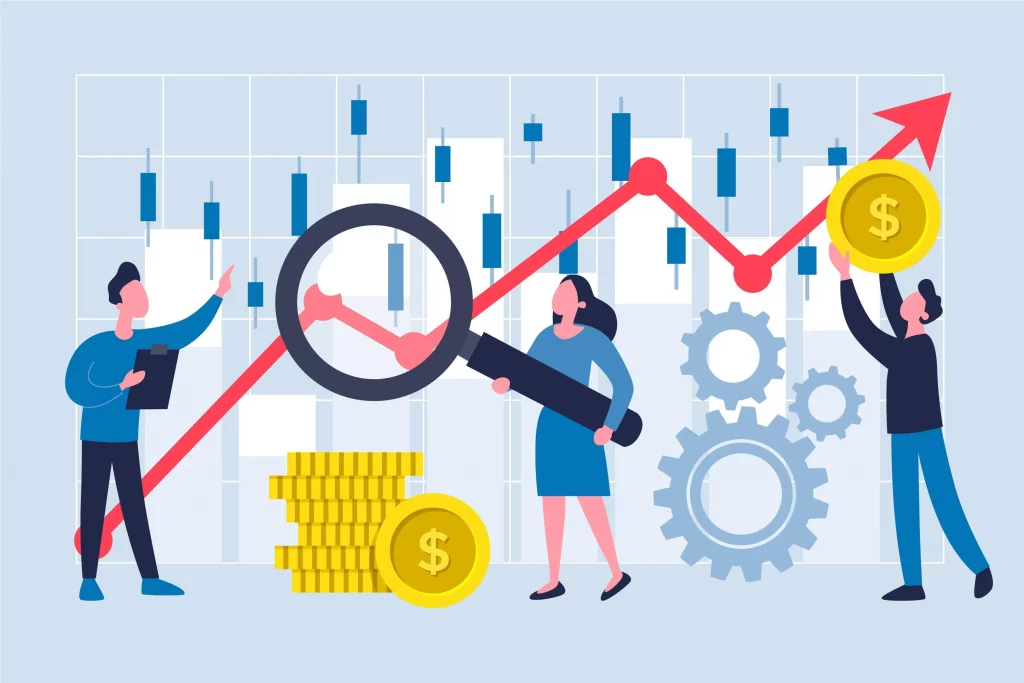
Defining the analysis objectives is a crucial step to ensure that the market analysis is conducted effectively and yields useful results for the business. Businesses need to take the time to clearly define the purpose, scope, available resources, and appropriate analysis methods before proceeding to the next steps.
Step 2: Understand Target Customers
In the market analysis process, businesses must clearly identify the target customers they want to reach and effectively meet their needs. Here are some example questions to understand your target customers:
- Who are they: gender, age, income?
- What problems do they face?
- How do they want to solve their problems?
- What channels do they use to search for information?
- What are their shopping habits?
- How do they react to marketing factors?
Understanding target customers is a crucial step that helps businesses develop suitable products/services, build effective marketing strategies, and enhance their competitiveness in the market. Businesses need to use various research methods to gather comprehensive information about their target customers and devise appropriate strategies.
Step 3: Costs and Implementation Budget
Businesses need to monitor and control the budget during the market analysis process to ensure efficiency and alignment with their financial capabilities. The more complex the analysis objectives, the higher the implementation costs.
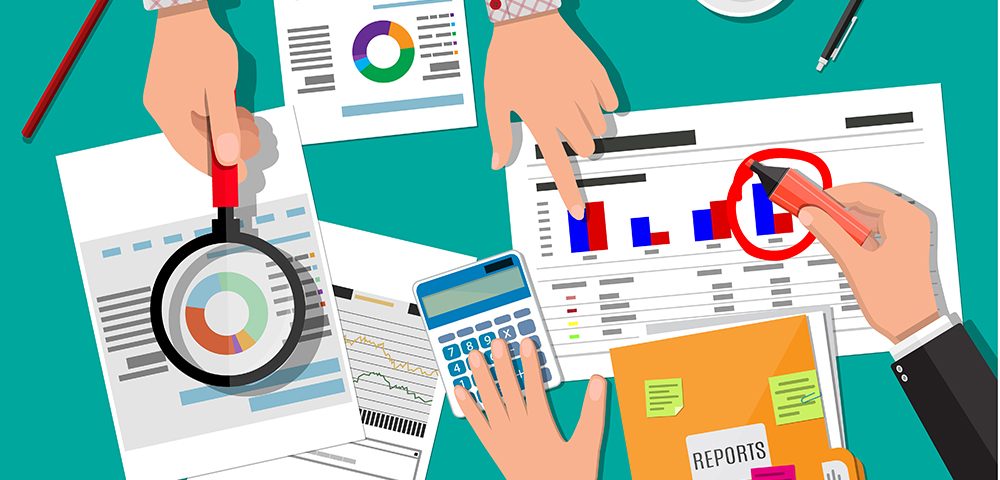
Determine the necessary financial level for each media advertising activity, practical marketing, and project execution after specific objectives are set. This plan can be implemented long-term or short-term depending on the field, the aspects the business has analyzed, and the overall market situation.
The cost of market analysis can vary depending on the specific case. Businesses should consult with experts to get an accurate cost estimate.
Step 4: Data Collection
Data collection is a crucial step in the market analysis process, helping businesses gather the necessary information to understand the market, target customers, and competitors. Some common data collection methods today include:
- Secondary research: Collecting data from available sources such as industry reports, statistical reports, websites of reputable organizations, articles, books, etc.
- Primary research: Collecting data directly from target customers and competitors through surveys, interviews, focus groups, observation, etc.
- Website and social media data analysis: Collecting data on customer behavior on websites and social media. Analyzing the data to understand customer needs, wants, and behaviors.
- Sales data analysis: Analyzing sales data to understand market trends, the effectiveness of products/services, and customer needs.
Businesses need to choose appropriate data collection methods, design data collection tools, conduct data collection carefully and accurately, check and verify the collected data, and store the data securely.
Step 5: Market Analysis and Evaluation
This is the final step in the market analysis process, helping businesses synthesize and evaluate the collected information. Based on the results of the market analysis and evaluation, recommendations are made for the business’s strategy. For example, developing new products, improving marketing strategies, changing pricing strategies, etc.
6. Common Mistakes in Market Analysis
Despite its emphasized importance, many businesses still fall into the trap of making mistakes when conducting market analysis—leading to skewed results, failed business strategies, or wasted research budgets. Below are the most common mistakes and how to fix them:
6.1. Not Clearly Defining Research Objectives
A very common mistake is “analyzing just to know,” without a clear purpose—is it to launch a new product, adjust prices, or expand market share?
Solution: Define specific, measurable, achievable, relevant, and time-bound (SMART) goals before proceeding.
6.2. Collecting Insufficient or Unrepresentative Data
Data becomes skewed when relying on a single source (e.g., online surveys) or a sample size that is too narrow and doesn’t reflect the entire market.
Solution: Combine multiple data sources and ensure the statistical sample size is large enough.
6.3. Ignoring Customer Emotions and Behaviors
Many businesses focus only on numbers, forgetting that purchasing is an emotional decision.
Solution: Supplement with qualitative research to uncover deeper insights into consumer behavior.
6.4. Failing to Benchmark Against Competitors
A market analysis is meaningless if it doesn’t compare what competitors are doing, their strengths, and their weaknesses.
Solution: Conduct competitive benchmarking—comparing metrics such as price, USP, marketing campaigns, and brand reach.
6.5. Not Updating Market Data Regularly
The market changes quickly; last year’s data may already be outdated.
Solution: Establish a process for updating data quarterly or according to the strategic cycle (6 months – 1 year).
6.6. Failing to turn data into concrete actions
If analysis doesn’t lead to executive decisions (pricing, marketing, product), then the data is just “dead numbers.”
Solution: Turn analysis results into specific strategic proposals aligned with business goals.
7. Effective market analysis solutions in the Industry 4.0 era
It’s clear that the market is becoming increasingly volatile with fierce competition, and customers have increasingly diverse needs and desires. Businesses must always grasp market information quickly and accurately to make effective business decisions.
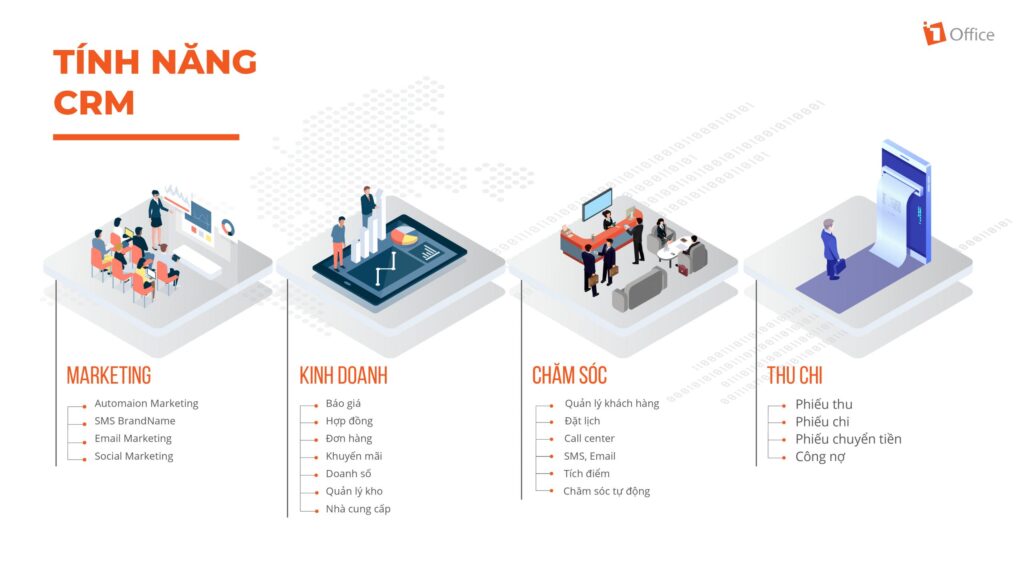
1Office CRM Software is an effective solution that helps businesses analyze the market in the Industry 4.0 era. The software helps businesses automate the data collection process, analyze data effectively, provide detailed market information, and support effective business decision-making.
Some of the software’s outstanding features include:
- Automate the data collection process from websites, social media, email, etc., helping businesses save time and costs.
- Manage potential customer information, boost sales activities, and effectively measure conversion rates.
- Provide powerful sales data analysis tools, supporting businesses in creating effective promotional campaigns to stimulate purchasing demand.
- Provide market analysis reports that help businesses make effective decisions, such as developing new products, improving marketing strategies, and changing pricing strategies.
Over 6,000 businesses are using 1Office CRM sales management software. Get a consultation right here!
8. Frequently Asked Questions about Market Analysis
Why must businesses conduct market analysis before starting operations?
This helps businesses clearly understand customer needs, assess competitors’ strengths, and identify potential risks. Without analysis, businesses are prone to making emotional decisions, leading to wasted resources or failure when the product doesn’t fit market realities.
What is the difference between qualitative and quantitative analysis?
- Qualitative analysis: Focuses on in-depth understanding of customers’ reasons, motivations, and emotions (through in-depth interviews, focus groups).
- Quantitative analysis: Uses statistical data to measure scale and trends (through large-scale surveys, questionnaires, or data from management systems).
How to correctly identify the target audience during the analysis process?
Businesses need to answer three major groups of questions: Who are they (age, gender, income)? What problems do they face and how do they want to solve them? What are their shopping habits and information-seeking channels?
What should be considered regarding the budget when conducting market analysis?
The budget needs to be detailed for each stage, such as data collection, hiring a research agency, or running tests. The broader and more complex the target scope, the higher the cost, so businesses need to balance it based on their current financial capacity.
To optimize costs and avoid wasting resources during the research process, businesses should use tools to track progress and expenses in real-time. Digitizing management on 1Office 1Work helps to tightly control the budget and enhance investment efficiency.
What is the biggest mistake that makes market analysis useless?
It’s collecting data but not turning it into concrete actions. If the analysis results are not used to adjust prices, change products, or improve advertising campaigns, the entire research process is just “dead numbers.”
9. Conclusion
The above is all the content that 1Office wishes to share with our readers. We hope that through this article, your business has gained a more detailed understanding of market analysis and how to apply it effectively in business. Additionally, if your business is interested in learning more about 1Office CRM software, you can contact us via:
- Hotline: 083 483 8888
- Facebook: https://www.facebook.com/1officevn/
- Youtube: https://www.youtube.com/@1office-chuyendoisodn
















