


 12/05/2026
  268 views
As a recruiter, do you have the skills and capabilities to build a strong team? How can you master effective recruitment skills and bring real value to your business? If you are looking for answers to these questions, follow this article by 1Office to elevate your recruitment skills to a new level.
Mục lục
- 1. Communication Skills
- 2. Teamwork Skills
- 3. Time Management Skills
- 4. Listening Skills
- 5. Meticulousness and Patience
- 6. Self-confidence
- 7. Creativity and Innovation
- 8. Body Language Skills
- 9. Data Analysis Skills
- 10. Technology Application Skills
- 11. Organizational Skills
- 12. Problem-Solving Skills
- 13. Negotiation Skills
- 14. Training and Development Skills
- 15. Performance Management and Evaluation Skills
- 16. Critical Thinking Skills
- 17. English Language Skills
- 18. Market Analysis Skills
- 19. Marketing Skills
- 20. Multitasking Skills
1. Communication Skills
The first recruitment skill that any manager must master is communication. Effective communication is the ability to convey information clearly, politely, and flexibly. For the HR department, communication skills are extremely important for interacting with candidates, employees, managers, and other stakeholders. This skill helps HR easily convey information about the job, the recruitment process, and company policies in an understandable way, building trust with others.

To practice communication skills, recruiters should:
- Participate in communication training courses and practice conversing with colleagues.
- Read books or materials on communication skills and apply new knowledge to daily work.
- Listen to opinions and feedback from others to improve communication skills.
Example: A recruiter must contact candidates via email and phone to invite them for an interview. During communication, the recruiter needs to convey information clearly, friendly, and professionally to build a positive image of the company.
2. Teamwork Skills

The HR department frequently has to work with other individuals and departments within the company. Teamwork skills help HR integrate into a diverse work environment, contribute ideas, increase work efficiency, and achieve the organization’s common goals. To further practice teamwork skills, recruiters should:
- Participate in group projects or recruitment teams to enhance teamwork skills and learn from colleagues’ experiences.
- Learn about effective teamwork methods and apply them to daily work.
Example: During the process of screening resumes and evaluating candidates, the HR department must be able to collaborate, exchange information, and make joint decisions to find the most suitable candidate for the position.
See more: A guide to creating an effective team task breakdown chart
3. Time Management Skills
With many diverse tasks and specific deadlines, time management skills are a decisive factor for HR’s success. From planning the recruitment process to scheduling interviews and processing candidate profiles, this skill helps HR complete tasks efficiently and ensure everything happens on schedule.

Therefore, this is a very necessary recruitment skill that should be honed and learned:
- Regularly plan for work and projects, and always arrange and prioritize important and urgent tasks.
- Use time management tools such as notepads, schedules, and work management applications to organize work effectively.
Example: A recruiter must schedule interviews and coordinate time to ensure interviews are conducted on schedule. They need to divide their time effectively between screening resumes, contacting candidates, and performing other recruitment steps.
4. Listening Skills
Listening skills are a crucial factor in the relationship between recruiters and candidates, as well as in human resource management. It helps build trust and connection between both parties during discussions or interviews. By listening sincerely, recruiters can clearly understand the needs and desires of candidates and employees, thereby making better decisions and creating a positive work environment.

Some measures to practice effective listening skills include:
- Always focus and create a private space to listen to candidates or employees convey information comfortably and naturally.
- Ask open-ended questions to encourage candidates to share more detailed information.
- Positive facial expressions, gestures, and body language are ways to show interest and respect for the conversation partner.
- Pay attention to non-verbal cues such as eye contact, gestures, or posture to better understand the conversation partner’s thoughts and feelings.
- Listening is a skill, and to become proficient, practice regularly in meetings, interviews, and daily interactions.
5. Meticulousness and Patience
When processing candidate profiles, conducting interviews, and managing recruitment processes, meticulousness and patience are decisive factors. Recruiters need to pay attention to every small detail and not rush into making important decisions. Below are some ways to develop and practice meticulousness and patience:
- Break large tasks into smaller steps and define each step. This helps reduce pressure and creates a sense of progress as each small step is completed.
- Control your emotions and actions by restraining negative feelings and focusing on moving forward with confidence.
6. Self-confidence
Self-confidence helps recruiters demonstrate professionalism and a willingness to face challenges at work. Confidence helps build trust from employees and candidates, and also helps HR make the right decisions in difficult situations. Recruiters should:
- Participate in personal development and confidence-building training courses.
- Focus on your strengths and leverage them to develop self-confidence.
7. Creativity and Innovation
Recruiters need creativity and innovation skills to design recruitment strategies, attract talent, and maintain a creative work environment. New and groundbreaking ideas help improve the recruitment process and retain talented employees. To practice creativity, HR should participate in creative activities, proactively seek new ways to solve problems in the recruitment process, and apply them to their work.

For example: When posting recruitment ads, recruiters need creative ideas and must develop new outreach strategies to attract candidates. They can experiment with new advertising channels or use creative content to stand out.
8. Body Language Skills
Body language skills, also known as “Body Language,” are a crucial aspect of communication expressed through gestures, facial expressions, sign language, and posture. Body language can clearly convey non-verbal messages, and understanding and using this skill effectively can improve communication and facilitate interaction with others.
- Observe and learn from people with excellent body language skills, such as speakers, actors, or successful communicators.
- Be self-aware of your gestures, facial expressions, and posture during communication. Practice in front of a mirror to train and improve your body language skills.
- Understand your emotions and learn to control your gestures and expressions to convey messages accurately and effectively.
9. Data Analysis Skills
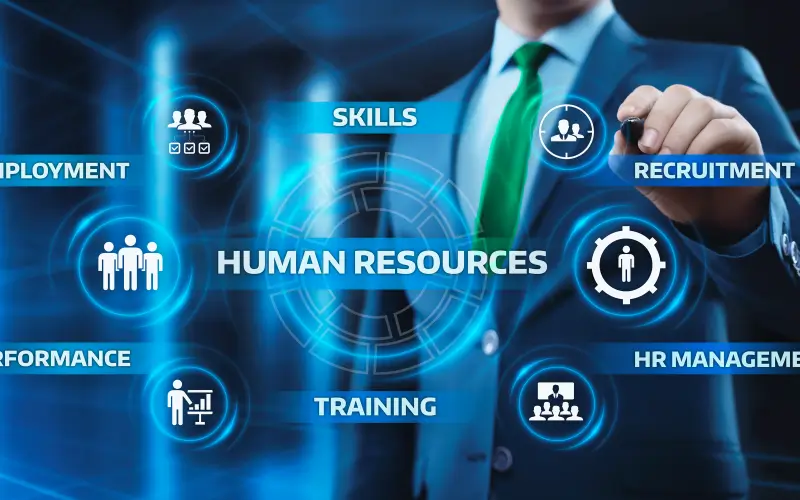
Data analysis skills in recruitment refer to the ability to collect and process information related to the recruitment process. Recruiters can evaluate the effectiveness of recruitment strategies, optimize the process, and make decisions based on accurate data. Data analysis in recruitment can include:
- Number of applicants: Evaluate the number of candidates applying for each position and track trends over time.
- Recruitment sources: Identify which recruitment sources (company website, job boards, social media, recruitment events, etc.) bring in a diverse and high-quality pool of candidates.
- Conversion rate: Evaluate the rate at which candidates move from the initial screening stage to the interview stage and finally to job acceptance.
- Time-to-hire: Measure the time each recruitment stage takes to optimize the process and minimize downtime during recruitment.
- Source effectiveness: Determine the performance of each recruitment source by comparing the number of applicants from each source and their respective conversion rates.
To practice data analysis skills in recruitment, managers need to be proficient in using popular data analysis tools such as Microsoft Excel, Google Sheets, or other professional data analysis tools.
10. Technology Application Skills
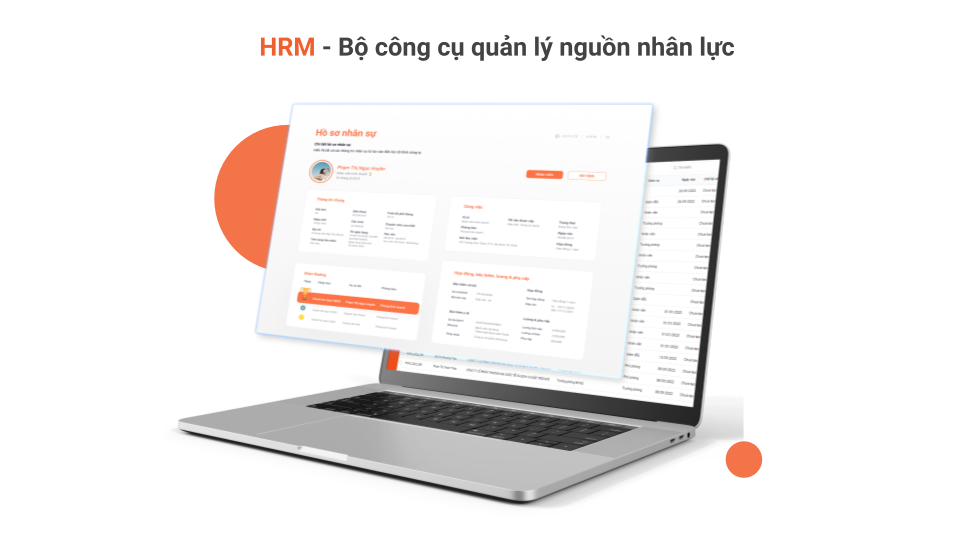
In today’s digital transformation era, this skill is becoming increasingly important in the recruitment and human resource management process. The skill of applying technology to HR Management is the ability to use and leverage software to automate recruitment processes, digitize all employee records, manage KPIs, etc., thereby enhancing work efficiency and performance. To apply technology in the recruitment process, managers need to:
- Learn about HR Management platforms on the market such as: 1Office, Base, CakeHR… and learn how to use them.
- Participate in training courses and hands-on practice in HR Management while also learning about new technology trends and continuously updating technology.
11. Organizational Skills
Organizational skill is the ability to identify, arrange, and manage work, time, resources, and information systematically and effectively. This skill is very important in the recruitment and human resource management process, as it helps keep work organized from the beginning and ensures that everything is done on time and efficiently.
Some measures to cultivate organizational skills include: planning, arranging tasks clearly and always adhering to them, and creating a clean, tidy, and orderly work environment to help with concentration. In addition, it is necessary to ensure that work is done thoroughly and to the highest quality to avoid having to correct mistakes later.
12. Problem-Solving Skills
In the field of HR Management, one often faces complex and difficult situations in selecting and managing employees. Therefore, this is a rather important recruitment skill that helps managers analyze the relevant factors of a problem, thereby finding reasonable and effective solutions to overcome difficulties or achieve set goals.
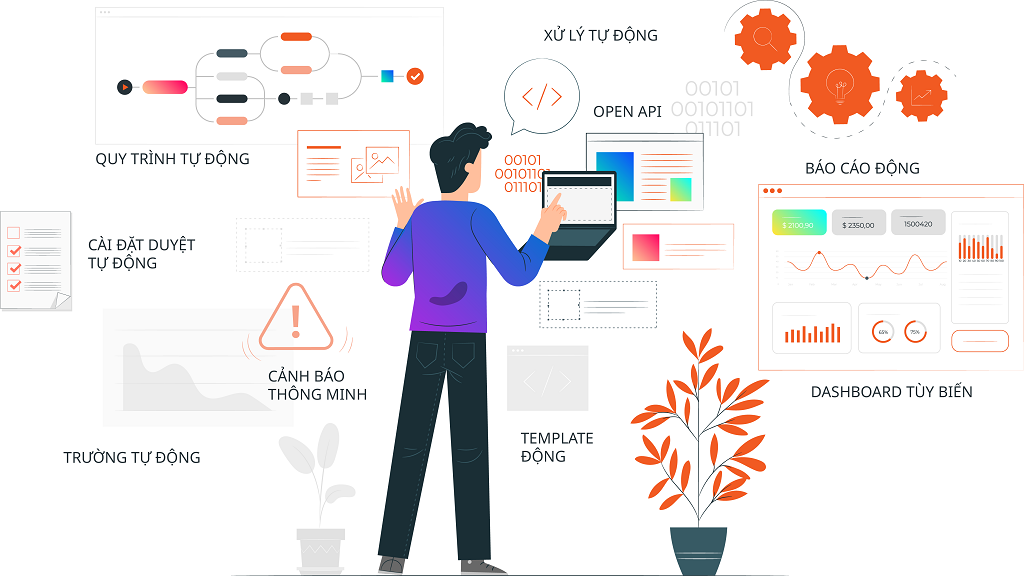
The basic process to support recruiters in resolving work situations includes:
- Define the problem: Clearly identify the problem to be solved and provide a detailed description of the current situation.
- Analyze the cause: Investigate the causes of the problem and identify influencing factors to find the root cause.
- Gather information: Search for information and data related to the problem to get a more comprehensive and specific view of the situation.
- Propose solutions: Find feasible solutions and make the best choice based on the data and information collected.
- Implement the solution: Deploy the proposed solution and monitor its implementation progress to ensure effectiveness.
- Evaluate and adjust: Assess the results and effectiveness of the solution, then adjust and improve as necessary.
13. Negotiation Skills
Negotiation skill is the ability to interact and agree with others to achieve common goals or resolve issues fairly and harmoniously. In the field of recruitment and human resource management, negotiation skills are very important for negotiating and reaching agreements with candidates, employees, or other stakeholders. Some ways to improve negotiation ability include:
- Learn and research negotiation principles and strategies to better understand how to apply them in practice.
- Listen actively and focus on the other party’s opinions to better understand their perspective.
- Use positive words and body language to encourage discussion and keep the negotiation space open.
14. Training and Development Skills

Training and development skills help recruiters and HR managers build and maintain a quality and dynamic workforce. Practicing and developing this skill helps you become more confident and effective in building and implementing HR training and development programs.
- Participate in training courses and online learning on training and development skills to enhance understanding and skills.
- Build a professional network, connect with, and learn from experienced professionals in the field of HR training and development.
- Read books, articles, and related documents to enhance knowledge and improve employee training and development skills.
15. Performance Management and Evaluation Skills
Performance management and evaluation skills are the ability to monitor, assess, and improve the work performance of employees in the company. This skill helps managers recognize the progress and difficulties of each employee and implement measures to optimize work performance.
Measures to practice performance management and evaluation skills:
- Build and set specific, measurable performance goals for each individual that also support the overall objectives of the business.
- Master various KPI evaluation methods, from using scorecards and work profiles to organizing periodic review meetings.
16. Critical Thinking Skills
Critical thinking is the ability to reason, analyze, and evaluate a problem, opinion, or piece of information from multiple perspectives objectively and logically. This skill allows you to make smart and sound decisions based on reasonable arguments and evidence. In the field of recruitment and human resource management, critical thinking skills help you select and evaluate candidates fairly and effectively.
- Construct logical arguments and reasoning to make decisions and evaluate situations and information.
- Seek evidence and proof to support your views and arguments.
- Think without bias, avoiding the influence of prejudiced thoughts and focusing on objective and logical factors.
17. English Language Skills

English language skills are the ability to use and understand English proficiently in listening, speaking, reading, and writing. In the field of recruitment and human resource management, English skills are very important, especially for positions involving international relations, communication with foreign partners, or working in a multinational environment. Practicing and developing this skill helps you become more confident and flexible when working with partners and candidates from different countries.
For example: A recruiter needs to find a candidate for the position of Assistant Director and requires English proficiency. This requires the recruiter to have good English skills to read and understand CVs and to communicate and interact with the candidate.
18. Market Analysis Skills
Market analysis skills are the ability to research and evaluate market information, including factors related to customers, competitors, trends, and business opportunities. It helps managers and recruiters get an overview of the labor market and orient human resource development appropriately.
- Enhance skills in using data analysis tools and software to process and evaluate market data.
- Thoroughly understand the industry in which the business operates to get an overview of the relevant labor market.
- Research the labor market to gain a more comprehensive and detailed view of the labor market and human resources.
See more: Successful HR Management Strategy: Vertical & Horizontal Management
19. Marketing Skills
Marketing skills are the ability to shape, promote, and reach target customers with a product, service, or brand effectively to create appeal and drive their purchasing behavior or interaction. In the field of recruitment and human resource management, marketing skills are also very important for building the company’s brand, creating a positive image, and attracting talented candidates.
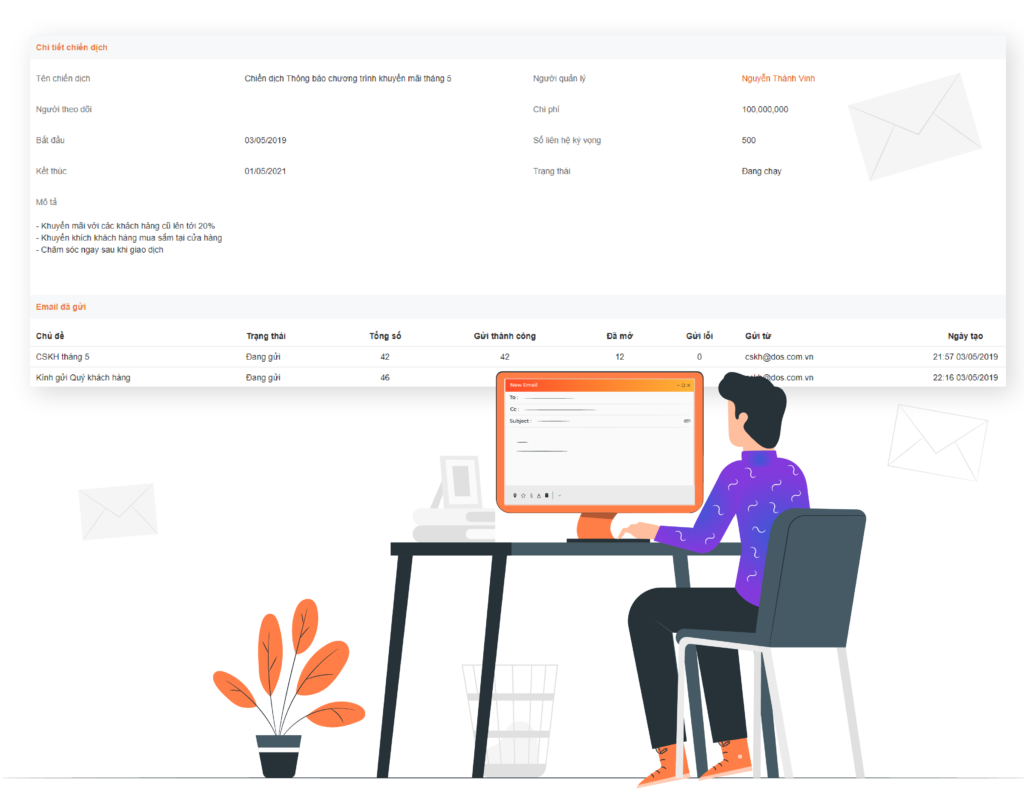
For example: A recruiter can create creative, highly interactive content such as a video introducing the job position, success stories of current employees, and the benefits of working at the company. This content helps attract candidates’ attention and motivates them to apply.
20. Multitasking Skills
In a dynamic work environment, the HR department often has to deal with multiple tasks simultaneously. Multitasking skills help HR perform multiple jobs or tasks at the same time without losing focus or reducing work efficiency.
This is a necessary recruitment skill for an HRM to support the best possible recruitment process, from posting job ads, screening resumes, checking backgrounds, conducting interviews, coordinating with departments to make decisions, and many other tasks. To practice multitasking, a recruiter needs to:
- Identify important tasks and prioritize the work that needs to be completed to focus on key duties.
- Focus on completing one task before moving on to another to ensure work quality.
- Break down work into stages, dividing large tasks into smaller phases for easier management and direction.
- Use work management tools, reminders, and schedules to help recruiters track and organize work effectively.
Here are the 20 most important recruitment skills that every HR professional should know. We hope the information 1Office has provided above will help recruiters identify what they need to improve to become an outstanding recruitment specialist within their organization. Wishing you success!
















