


 13/05/2026
  226 views
We have discussed many different stories about the secrets to success at work, such as productivity, work efficiency, career paths, company culture, and colleagues. But surely, few of you have tried to learn a little about new topics from a psychological perspective – the fear or anxiety that often appears in the office environment.
Psychologists and career counselors agree that there are about 20 different types of anxiety emotions for every office worker. Even for strong and capable individuals, these fears can strike at any time without warning.
Mục lục
Fear of Meeting the Big Boss
This is one of those very childish but common fears that everyone has experienced at least once in their life: the fear of coming face-to-face with people in high positions in the company, such as the Board of Directors, Directors, or the CEO. It’s not just about being afraid to attend meetings with the boss; many people also avoid them in the parking lot, at the reception desk, or even just going to the canteen for a drink simply because they know a senior leader is there.
A sudden increase in heart rate, clumsy limbs, and avoiding eye contact are the most specific actions revealed when you happen to be alone in an elevator or walking down the hallway with your boss. Thousands of questions pop into your head: “Should I greet the boss?”, “Does the boss even know who I am?”, “Oh no, I was late for work today…”
Psychologists explain that this is due to a psychological effect, where you want to demonstrate your competence while also maintaining and protecting your good image in the eyes of the person who “holds power” over your job and income.
Instead of worrying and avoiding them, you should spend time enhancing your true abilities and strengths so that you can confidently face your boss in future encounters.
Fear of Giving Feedback
This fear is very common. The reason is that many people are afraid of conflict, fear being disliked, and don’t want to upset others. However, the damage caused by covering up or ignoring the truth is many times greater than that potential hurt. A healthy development environment is not a place where pleasant stories and compliments are exchanged just to please each other while ignoring mistakes that need correction. If this continues, the lack of suggestions, diverse perspectives, and objective feedback will lead to a decrease in the team’s performance.
Therefore, whether you are an employee wanting to give feedback to a superior or a boss needing to comment on a subordinate, you still need the courage and belief that you are doing the right thing. If you know how to give feedback correctly, at the right time, and with a polite and respectful attitude, then there is nothing wrong, and no need to fear hurting others.

Fear of Forgetting
Have you ever had the worry that you’ve forgotten to do something today? Do you often find yourself in an awkward situation because you can’t remember everyone’s name?
Many similar worries happen to you every day. With a packed schedule, constant meetings, and an increasingly dense frequency of receiving calls and answering emails, you can get stuck in a state of anxiety about your memory, feeling helpless under the pressure of absorbing information. Instead of just worrying, practice scientific methods to help increase your ability to focus on goals, train your memory, and develop organizational and planning skills.
Fear of Public Speaking
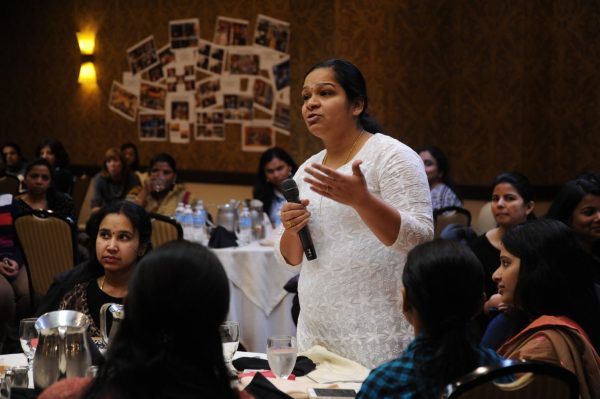
Psychotherapist and co-author of the book “Work Makes Me Nervous,” Jonathan, shared that nearly 20% of office workers suffer from the fear of public speaking. This includes giving presentations at seminars, expressing viewpoints, and speaking up in meetings. In addition, there are even cases where employees are so afraid that they refuse to stand alone in front of a crowd, whether it’s clients, partners, or even colleagues.
The worry of not being able to speak or present fluently and clearly, and not being able to fully express your ideas, can lead to a feeling of panic that others will judge you as incompetent. Practice your presentation and public speaking skills. Start by speaking alone, then try standing in front of a larger group. Eventually, you will realize that appearing in front of a crowd is not scary at all.

Fear of Communicating
Sharing some roots with the fear of crowds, or stemming from an introverted personality, the fear of communicating manifests as a tendency to avoid company events, team-building activities, group games, and extracurricular programs. At the same time, you may be hesitant to exchange information and hardly dare to start small talk with strangers.
Communication is an indispensable activity in life; it is even considered an essential skill for every working person. Therefore, if you have a fear of communicating, find a way to overcome it immediately. It’s not shameful if you’re not a gifted speaker or if your conversations aren’t engaging; we can improve gradually every day. It is the act of avoiding communication out of fear of speaking poorly that causes many unforeseen consequences.
Fear of Asking Questions
Most people have the misconception that if they ask questions frequently, they will be seen as ignorant. You should know that no matter how talented you are, no one can know everything. Each person has their own strengths and outstanding expertise; you need to ask questions to acquire new knowledge. Not daring to ask, not daring to question means you are robbing yourself of the opportunity to broaden your horizons, and you will not be able to improve and develop yourself to a new level.
People who know how to ask reasonable and timely questions are never underestimated. Try to put aside your fear to learn more, don’t ask indiscriminately, and think carefully before asking to avoid raising silly or meaningless questions.
These are some of the fears that many working people have experienced. Although each fear has different manifestations and impacts, it can be said that they all stem from psychological barriers. The common thread in all these fears is that we have not yet achieved a state of self-confidence and are often affected by what others think of us, which leads to anxiety.
The positive aspect of feeling fear is that it means you have awareness and concern; it signals our desire to change and develop for the better.
















