


Highlighting the benefits of electronic invoices for businesses


Along with the strong development trend of information technology and electronic transactions today, the implementation of e-invoices is becoming increasingly popular. Accordingly, corporate governance is also being modernized, moving away from manual methods like using paper invoices as in the past. Let’s join 1Office in listing the benefits of e-invoices for businesses in the article below!
Mục lục
1. Businesses say goodbye to paper invoices
An e-invoice is a collection of electronic data messages about the sale of goods and provision of services, which is created, issued, sent, received, stored, and managed by electronic means. An e-invoice is created, issued, and processed on the computer system of an organization that has been issued a tax code when selling goods and services, and is stored on the computers of the parties in accordance with the law on electronic transactions.
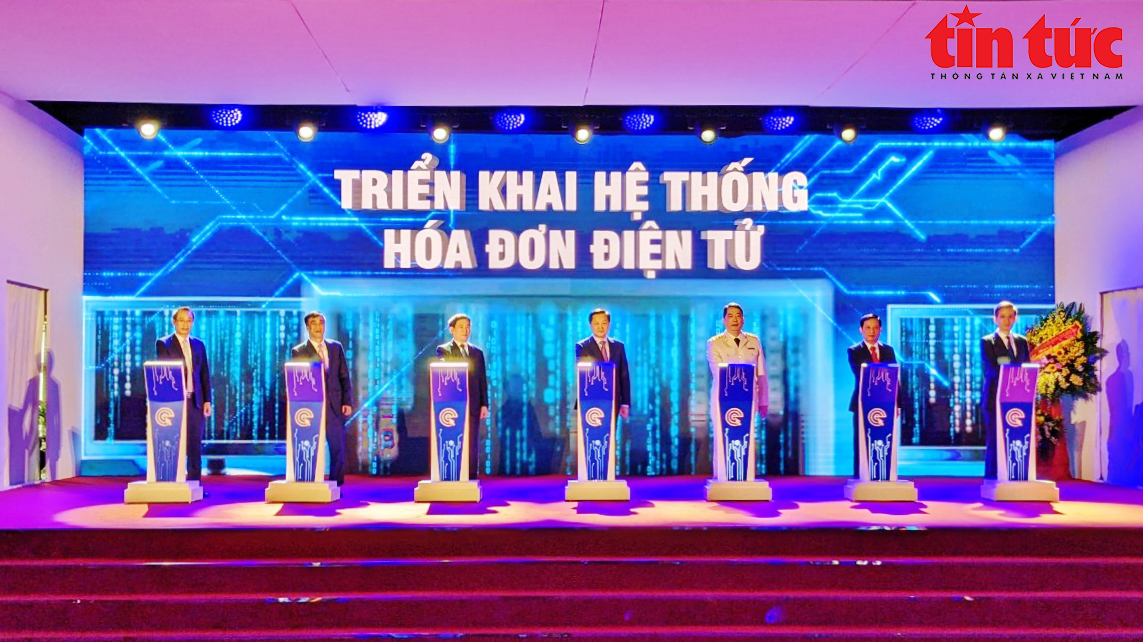
The Government’s Decree No. 51/2010/ND-CP mentioned the implementation of e-invoices, which businesses could voluntarily adopt, and the pilot use of e-invoices with an authentication code from the tax authority. Now, after more than 10 years of implementation, e-invoices have shown many more benefits compared to paper invoices. Accordingly, from July 1, 2022, all organizations and individuals are required to switch to e-invoices.
Read more: Answering all common questions about e-invoices and digital signatures today
2. Benefits of e-invoices for businesses
E-invoices are no longer a new concept for many businesses. With their practical benefits, e-invoices will gradually replace paper invoices in the sale and purchase of goods and services.
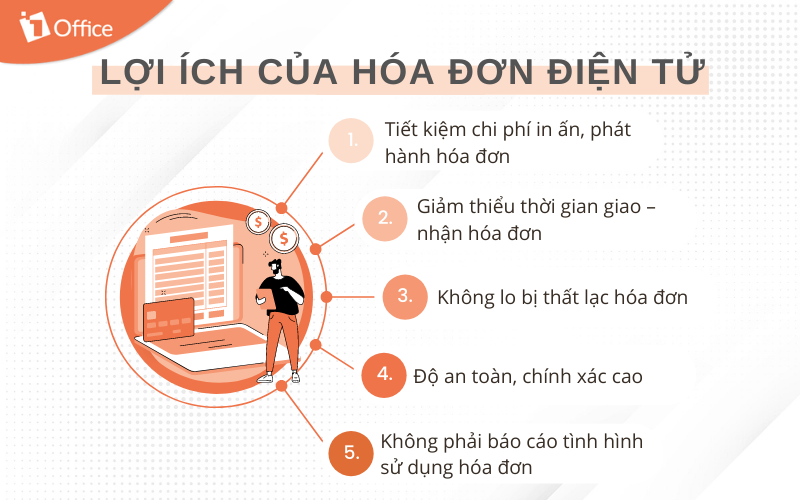
2.1 Saves costs on printing and issuing invoices
With paper invoices, businesses often have to spend a lot of time and money on ordering prints, shipping, storing, and writing invoices… Whereas with e-invoices, businesses only incur a one-time cost for the e-invoicing software. Thus, the cost of an e-invoice is many times lower than a paper invoice, saving up to 80% of the cost per invoice
2.2 Significantly reduces invoice delivery and receipt time
Issuing paper invoices is currently quite complicated: accountants must place carbon paper for the 2nd and 3rd copies, accurately write the customer’s information, and send the invoice to the customer by post. Usually, it takes several days for the customer to receive the invoice. On the other hand, with e-invoices, with just a few clicks, the buyer can immediately receive the invoice anywhere with an internet connection. In addition, the application of digital signatures in e-invoices also significantly reduces submission and signing time. It is estimated that using e-invoices helps businesses reduce the issuance process steps by up to 70% and invoice-related disputes by 90%, shortening payment time by up to 99%.
2.3 No more worries about lost invoices
E-invoices are created on a computer and sent to customers via the Internet, minimizing the risk of loss. Meanwhile, paper invoices must be sent by post or other delivery services. Losing paper invoices is very common and causes a lot of trouble for both suppliers and customers. According to Circular 176/2016/TT-BTC, losing an issued invoice (the copy delivered to the customer) can result in a fine of 4 million to 8 million VND.
2.4 High security and accuracy
An e-invoice is an invoice with an authentication code from the tax authority. Therefore, this type of invoice cannot be forged. In addition, both digital signatures and e-invoices are encrypted data with high authenticity, making them impossible to forge. In contrast, writing paper invoices often leads to errors such as: incorrect buyer’s name, wrong address, wrong tax code, wrong unit price… and handling these errors is often very complicated and time-consuming.
2.5 No need to report on invoice usage
According to the provisions of Circular 39/2014/TT-BTC, businesses using paper invoices must report their invoice usage quarterly; the deadline for reporting invoice usage for Q1 is April 30, Q2 is July 30, Q3 is October 30, and Q4 is January 30 of the following year. However, when using e-invoices, businesses do not need to prepare invoice usage reports because all information is already stored by the General Department of Taxation through its software system. This reduces one task for business accountants each quarter.
It can be said that the benefits of e-invoices are long-term and sustainable for businesses. Not only do they help reduce time and costs for businesses when performing tax administrative procedures, but e-invoices also promote the application of information technology, improve the business environment, and contribute to accelerating the digital transformation process for businesses. Hopefully, through this article, you will understand the importance and benefits of e-invoices, and thereby research and apply them effectively to develop your business.
For more detailed information, please visit:
Fanpage: https://www.facebook.com/1officevn/
Youtube: https://www.youtube.com/channel/UCeTIRNqxaTwk0_kcTw6SxmA




