


 12/05/2026
  246 views
Teamwork is a key factor for success in all areas of life, from academics and work to business, sports, and social activities. This skill brings significant benefits to both individuals and teams. It helps improve work efficiency, enhance creativity, solve problems more effectively, develop personal skills, and build a spirit of unity. To learn more about what teamwork is and how to develop this skill effectively, join 1Office in exploring the article below!
Mục lục
1. What is teamwork?
Teamwork is also known as group work. It is an effective working method widely applied in both academic and professional settings. Teamwork is the collaboration of at least two individuals working towards a common goal by dividing tasks, interacting with each other, coordinating to complete assignments, and sharing ideas.
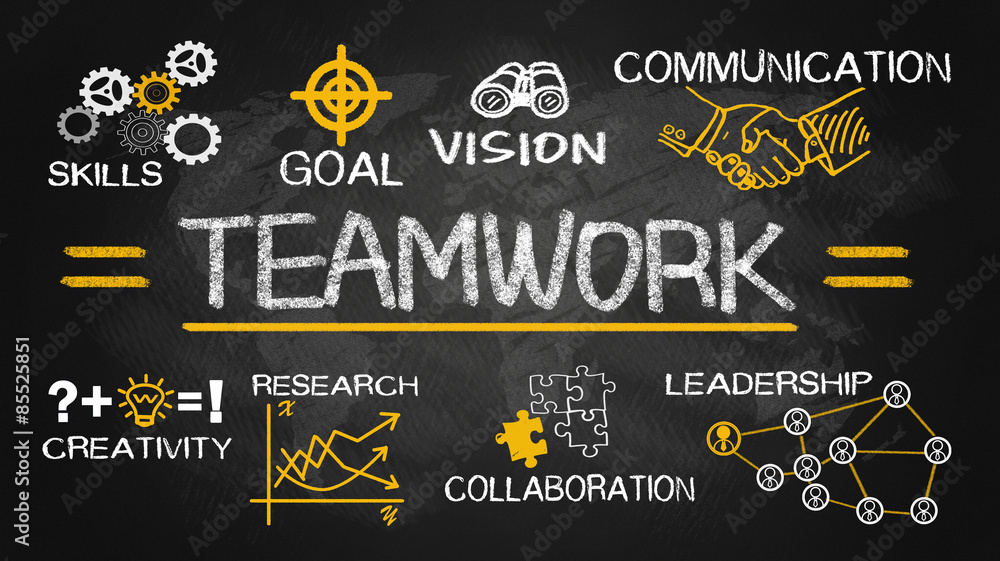
The special feature of this working method is that it breaks down large tasks into smaller ones that suit the expertise and capabilities of each member. This allows each individual to maximize their potential while ensuring the overall efficiency and quality of the work.
Today, “proficiency in teamwork” has become one of the primary requirements set by employers. This skill not only helps increase work performance, stimulate creativity, and diversify ideas, but it also helps unite internal staff and develop corporate culture.
2. Characteristics of teamwork skills
The ideal condition for teamwork is for team members to share a common foundation and a common goal to ensure maximum work efficiency. 1Office has summarized the main characteristics of teamwork activities as follows:
- Interaction: When working in a team, interaction between people is unavoidable. All team members must constantly interact with and support each other to achieve the group’s common goal.
- Specialization: In a team, each person has their own strengths. Based on these, individuals are assigned different tasks and roles. Because no one is perfect, team members will compensate for each other’s weaknesses, provide feedback, and complete the work to the best of their ability.
- Unity: Teamwork requires members to work towards a common goal. Therefore, their work approaches, mindsets, knowledge, etc., need to be aligned for easier communication and collaboration.
- Discipline: Teamwork operates like an assembly line, with each member being a cog. If one cog malfunctions, the entire line is affected. Similarly, when an individual in the team lacks discipline, frequently misses deadlines, or fails to meet work requirements, it can lead to poor performance for the entire group.
3. How important are teamwork skills?

Over time, teamwork has become one of the top requirements for employers. Today, regardless of the position, businesses demand close collaboration among team members.
3.1 Fosters team unity
Teamwork activities in both work and academic settings increase interaction among members. This gives them more opportunities to share, work together, understand each other’s working styles, and collaborate more easily to achieve higher productivity.
A healthy teamwork environment promotes a spirit of mutual support among team members. By understanding each other’s personalities and work methods, team members can collaborate more effectively. Since each individual possesses different skills, strengths, and expertise, combining them is necessary to achieve the best possible outcome.
Conversely, when teamwork is ineffective—meaning individuals focus only on personal achievements and disregard other team activities—the work may not meet the initial KPIs and can even lead to serious errors during the process.
3.2 Helps improve work organization skills
Teamwork requires all members to be fully aware of job-related information such as deadlines, assigned tasks, important details, and so on. Especially when in a team leader or manager position, you must have a firm grasp of work organization not only for yourself but also for continuously monitoring the progress of other members. This way, if issues arise, team members can easily get the information they need and quickly find effective solutions without disrupting the group’s overall workflow.
3.3 Learn to be responsible for your work

Teamwork can be compared to an assembly line. If one cog malfunctions, the entire line can shut down. Timely communication and smooth coordination with other members are necessary to ensure deadlines are met and the best work results are achieved. Any irresponsible behavior or shifting of blame affects the entire group.
Teamwork serves as a benchmark for evaluating the collective consciousness and individual responsibility of a group working together. Therefore, work with a receptive and enthusiastic attitude, and be ready to discuss any difficulties you encounter to get help, avoiding negative impacts on the entire team.
3.4 Learn to listen to improve yourself
In any field, no one can be an expert in every aspect. Therefore, listening to and absorbing feedback from peers is extremely important. Through listening, you can acquire new knowledge and address your own shortcomings, helping you to continuously improve and grow. Listening skills also teach you to respect others’ opinions, thereby building good relationships with colleagues and partners.
3.5 Encourages individual professional development
While emphasizing the spirit of group work, teamwork also encourages the personal development of each member. When individuals are given the opportunity, motivation, and encouragement to leverage their strengths, they will dedicate themselves fully to the team’s common goal. As a result, the team’s work efficiency will be enhanced.
4. Essential skills for effective teamwork
For effective teamwork, you need to prepare and practice some essential skills. Having these skills ready not only helps teamwork run more smoothly but also makes it easier to update information on work progress, avoiding disruptions to the entire group’s work.

Communication skills: The first skill to mention is communication. Wherever you study or work, effective communication is always a top priority. Communication is key to knowing work progress, understanding information clearly, increasing interaction, and fostering team spirit. Team members need to maintain regular communication about work progress, share challenges, and propose solutions. We also need to encourage open, transparent exchange, creating a safe environment where everyone can comfortably share their opinions and feelings.
Listening skills: Active listening plays an extremely important role in enhancing team efficiency. This skill helps members understand each other, leading to accurate assessments, judgments, and effective contributions to the common work. When members truly listen to each other, they feel respected, which encourages them to openly share their opinions and perspectives. This makes information exchange smoother and more effective.
Proper task delegation: Proper task delegation is one of the key factors leading to the success of any team. Clear assignments that match the abilities and interests of each member will help optimize work efficiency, strengthen cohesion, and build team spirit.
5. Tips to improve your teamwork skills
- Put common goals first
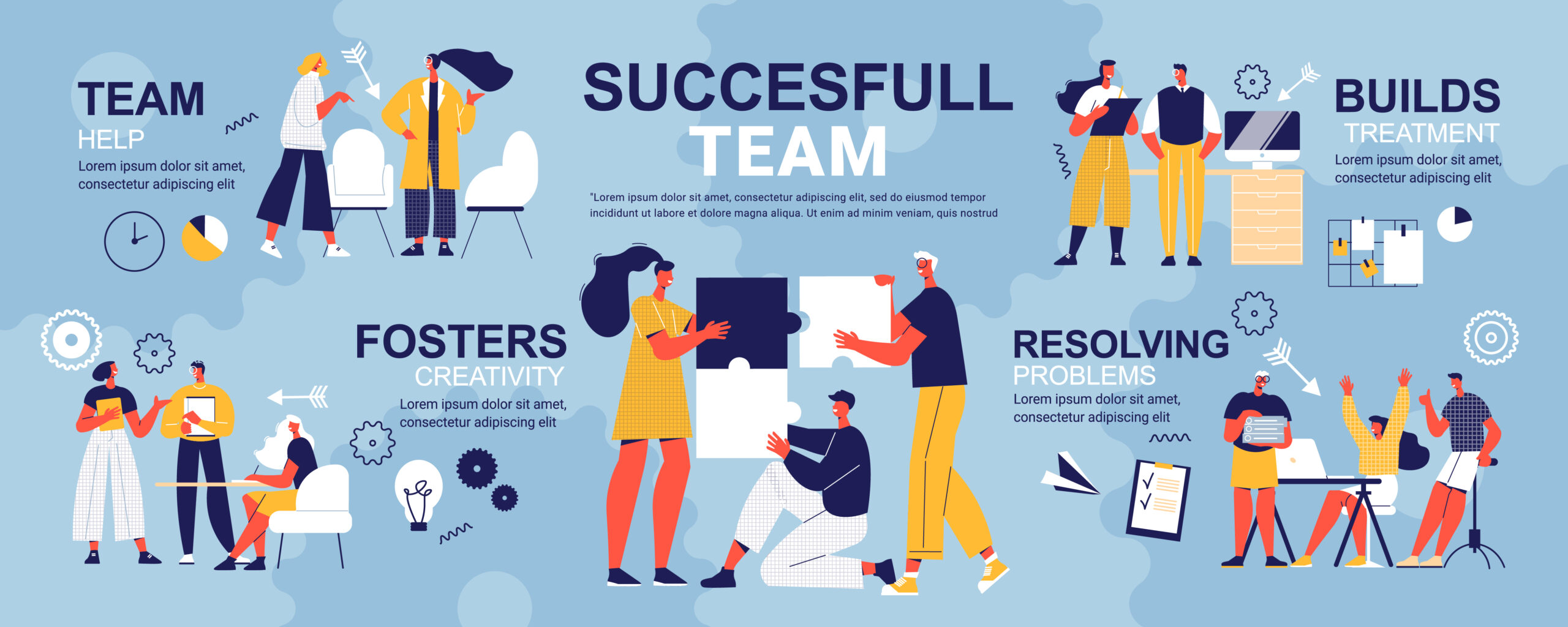
When all team members clearly understand the common goal, are united in pursuing it, and are willing to put the collective interest above personal gain, the team can achieve great things. The common goal is the bond that connects team members, making them feel more attached and responsible for one another. When everyone works towards a common goal, they are motivated to work hard and support each other. This helps them focus their efforts on relevant tasks and enhance overall work efficiency.
- Manage conflicts within the team
Conflict is inevitable in any team environment. Therefore, the way conflicts are resolved plays a crucial role in maintaining team spirit and overall work efficiency. When a conflict arises, it’s important to stay calm and avoid letting emotions take over. Take the time to listen to others’ opinions, especially those directly involved in the conflict. This will help you better understand the issue and its causes.
After listening to the opinions of all involved parties, discuss together to identify the main cause of the conflict. Find a suitable solution to resolve the issue. You can take time to discuss with the team what happened and draw lessons to prevent similar conflicts from occurring in the future.
- Recognize and reward team spirit
During the work process, there will be individuals who go above and beyond for the team’s common goals. They deserve recognition and rewards from superiors and teammates. This will encourage and boost their motivation. It also pushes them to complete subsequent tasks just as well and excellently.
6. Some notes on applying teamwork skills in study and work

- Lack of goals and team direction
For a team to collaborate effectively and work smoothly, it must set achievable goals from the outset and make commitments to complete tasks within specific deadlines. Without these elements, individual members may find themselves disoriented, lacking motivation, and unwilling to take responsibility for common goals. Working in such an environment can lead to constant conflicts, which can inadvertently fracture the connections between team members. As a result, the team becomes disjointed, its performance suffers, and it fails to meet the minimum job requirements.
- Inability to resolve conflicts
When working in a team, debate is necessary. However, when debates escalate, conflicts and disagreements can arise. If these conflicts cannot be resolved together, it will be difficult for the team to come together to work and function as before.
Therefore, to create a healthy and effective team environment, handling these issues is crucial. Some tips for effective conflict resolution include: Stay calm and respect each other; Keep the debate focused on the work issue and avoid straying from the topic. If you cannot resolve the issues on your own, you can seek help from a third party to get a more objective perspective and find a suitable solution.
- Team leader lacks leadership qualities
When working in a team, the group always needs a leader to manage and resolve any issues that arise. However, if the team cannot choose someone with management skills and the capability to take on this role, problems will inevitably arise. A lack of leadership can lead to confusion and an inability to define clear strategies and directions for the plan. This can lead to errors and waste the entire team’s time.
In the article above, 1Office has shared with you knowledge surrounding the topic of teamwork. Through this article, we hope you can understand what teamwork is and what skills are necessary for effective teamwork. For any questions, please contact us using the details below!
For more detailed information, please contact:
Hotline: 083 483 8888
Fanpage: https://www.facebook.com/1officevn/
Zalo: https://zalo.me/nentang1office
Linkedin: https://bit.ly/1officenentangquantritongthedoanhnghiep️
















