


 11/05/2026
  156 views
Identifying target customers helps businesses better understand the needs, preferences, and behaviors of their customers, thereby creating suitable marketing campaigns and product/service offerings. This can lead to optimizing conversion rates and increasing profits. In this article, let’s join 1Office to explore 5 ways to identify target customers accurately and effectively!
Mục lục
- 1. Factors for identifying target customers
- 2. 5 effective ways to identify target customers
- 2.1 Identify target customers by creating customer personas
- 2.2 Identify target customers through target market research
- 2.3 Identify target customers by researching the business’s current customers
- 2.4 Identify Target Customers by Researching Target Market Segments
- 2.5 Identify Target Customers by Researching Competitors
- 3. Steps to Identify Target Customers
- 4. Common Mistakes When Identifying Target Customers
- 5. The relationship between target customers and the customer journey
- 6. Comparing B2B and B2C Target Customers
- 7. Examples of Target Customers from Major Corporations
1. Factors for identifying target customers
To ensure accurate and effective results, the process of identifying target customers should be based on the following three important factors:
1.1 Demographics
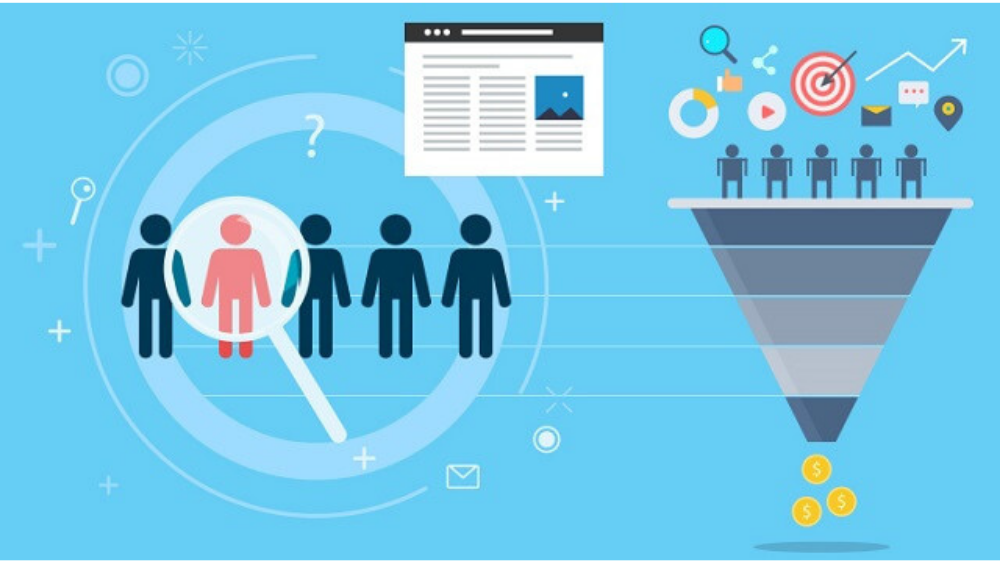
Demographics provide specific and detailed information about your target customer group. Especially when businesses run paid advertising campaigns on platforms like Google Ads or Facebook Ads, demographics become a crucial factor in shaping the marketing strategy.
A deeper understanding of this target group helps businesses identify a range of important information, such as:
- Age
- Gender
- Geographic location
- Income
- Occupation
- Education level
- Marital status
Using demographic information does not require collecting and using all available details. In fact, the information collected should depend on the product or service the business provides. It is important for the company to select the necessary information to create a clear and truly useful customer persona for the marketing strategy. This helps the business focus on the most important and relevant aspects for its goals, avoiding wasted time and resources on unnecessary information.
1.2 Purchase Psychology
When identifying target customers, purchase psychology is also an issue you need to pay special attention to. This helps businesses gain a deeper insight into the customer’s purchasing decision process.
When researching purchase psychology, there are three important factors to consider:
- Interests
- Activities, habits
- Attitudes, opinions
1.3 DMU (Decision Making Unit)
DMU (Decision Making Unit) is a term used to describe a group of individuals who have roles in and are involved with the decision to purchase a product or service.
In a DMU, there are a total of 6 important roles for businesses to consider, and one person can take on multiple roles depending on the situation:
- Users
- Initiators
- Influencers
- Buyers
- Gatekeepers
- Decision makers
Among these, there are 3 important roles that businesses need to pay attention to:
- Users
These are the people who are using the business’s product or service to solve specific problems they are facing. In some cases, the User can also play the role of the Initiator.
For example, when your company is about to organize a trip, you might suggest to your boss to choose travel company A. This means you are not only the user of the service but also the one who proposes and initiates the choice of that service.
- Influencers
Influencers are individuals who have the ability to affect the purchasing decisions of others. Often, they are experts or celebrities with a large following on social media.
- Decision Makers
Decision Makers are the ones who decide whether to use a business’s product or service. Businesses need to pay special attention to this important group.
To approach customers effectively, a company can base its strategy on their role in the Marketing funnel. Here is a common diagram for reference:
- Users – Awareness, Interest: Includes Users – Awareness, Interest
- Influencers – Interest, Consideration, Intent: Includes Influencers – Interest, Consideration.
- Decision Makers – Intent, Evaluation, Purchase: Includes Intent, Evaluation, Purchase.
By understanding the customer’s role in each stage, businesses can develop appropriate approaches, increasing the likelihood of a purchase.
2. 5 effective ways to identify target customers
To analyze and identify target customers effectively, businesses can apply the 5 methods below.

2.1 Identify target customers by creating customer personas
The first way to analyze target customers is to create customer personas.
A customer persona (Buyer Persona) is a detailed profile of an ideal customer. It includes information about demographics, interests, behaviors, and the factors that influence their purchasing decisions.
To build a Buyer Persona, businesses rely on market research, real data, and well-founded assessments of potential and current customers.
Basically, creating a customer persona involves 3 steps:
Step 1: Collect customer information
To create a target customer persona, businesses need to collect and process accurate data.
The customer profile is built on information about the target audience’s demographics, goals, fears, motivations, behaviors, and priorities. To make the customer persona more specific, businesses should focus on collecting more information.
There are three common and effective methods for collecting this information: interacting with the sales and customer care teams, using user data analysis tools, and conducting direct conversations with customers.
Step 2: Process the data
This step requires the business to transform the raw data collected in step 1 into meaningful information.
When collecting information from various sources, there are two main types of data to consider: first is qualitative data, collected from internal and customer interviews; second is quantitative data, collected from insight analysis tools.
After obtaining the data, businesses need to analyze the information to gain deeper insights into customers and divide them into different segments. This can be done by using various factors such as age, gender, education level, occupation, interests, income, pain points, and many other factors to create different customer groups.
Step 3: Create the target customer persona based on the collected and processed data
After completing the information processing step, the next important step is to create the customer persona. The specific content of this persona will depend on the industry, product, or service of the business, but it usually includes the following elements:
- Name
- Demographic information (age, gender, education level, income, etc.)
- Problems and pain points they face
- Customer’s purchasing behavior
>> See more: A guide to building a target customer persona in 4 simple steps
2.2 Identify target customers through target market research
Market research is also an effective method to help businesses identify their target customers.
During the market research process, businesses can answer important questions such as: What do customers need? What improvements do they expect for the product/service? What is their satisfaction level when using the product/service? What are the common problems that the business’s target customers are facing?
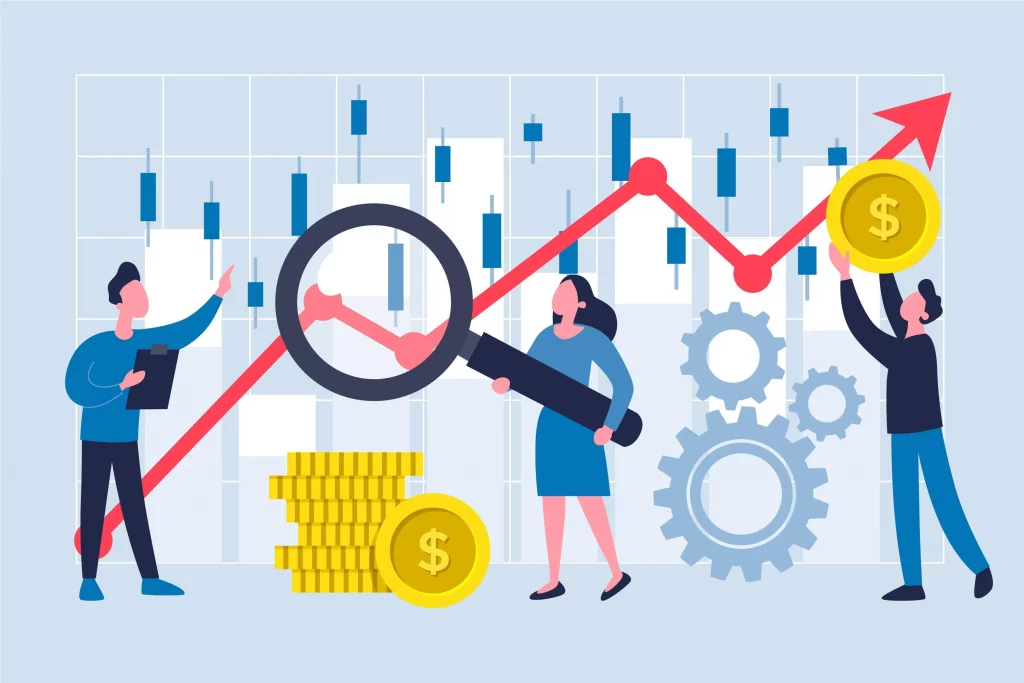
By deeply understanding customers, businesses can build the most suitable marketing strategies and plans to attract and satisfy them. During the market research process, businesses can approach target customers using two methods:
Primary Market Research
Primary market research is a market research method where a business approaches customers or hires a third party to collect customer information or get feedback and reviews from customers about their product/service.
With this method, businesses can survey customers in various ways, including interviews, using questionnaire surveys, or even conducting observations to gather information. It is important to combine these methods to collect detailed information and verify the results through direct interaction with customers.
Secondary Market Research
Secondary market research is a method where businesses collect information from existing sources. These sources can include data from government organizations, chambers of commerce, trade associations, and other organizations.
When using this method, businesses can find information about customers or delve deeper into customer insights. This can be done by reading reports related to the field of operation, studying documents on consumer trends, or tracking materials on customer behavior.
>> See more: An accurate and effective strategy for identifying a target market for your business
2.3 Identify target customers by researching the business’s current customers
Researching current customers is a crucial part of helping a business gain a deeper understanding of its clientele. Through this, the business can identify commonalities and prevalent issues that customers often face.
During the process of researching current customers, a business can ask itself several important questions, such as:
- Who are the business’s current customers?
- What are the main problems current customers are facing?
- Why do customers choose to use the products/services provided by the business?
- What specific needs do the business’s customers have?
- What common characteristics do current customers share?
Identify which commonalities bring the most profit to your business’s sales and marketing campaigns. It’s possible that other customers also share similar characteristics with your existing customer base.
2.4 Identify Target Customers by Researching Target Market Segments
To better understand their target customers, businesses can conduct research on the target market segments they are aiming for.
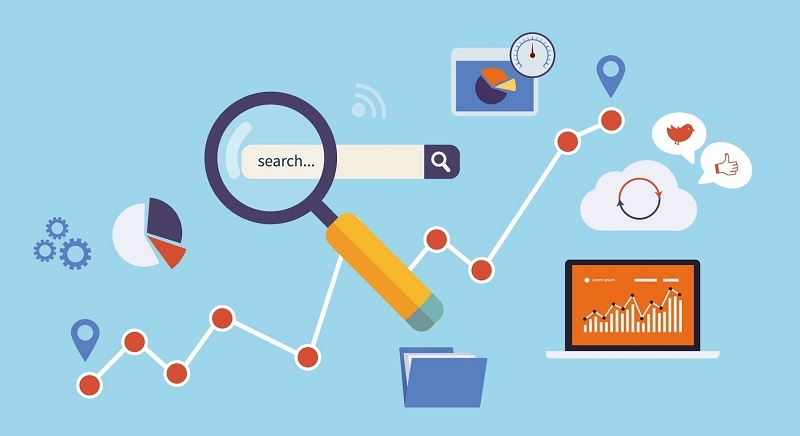
In general, there are 3 common methods for classifying target markets that businesses should research to better understand their target customers, including:
Classifying the Target Market by Demographics
When classifying the target market by demographics, businesses can conduct a detailed analysis of the target customers’ basic information. This helps save time and resources on customers from different segments, or to find potential opportunities in untapped customer groups.
Examples of basic customer information for demographic market classification may include:
- Occupation
- Marital status
- Education level
- Ethnicity
- Religion
- Living situation (if your audience are homeowners or renters)
- Monthly or annual income
Classifying the Target Market by Customer Behavior
Classifying the target market by behavior focuses on how customers take action. Below are examples of customer behavioral characteristics that businesses might be interested in:
- Purchasing habits
- Spending habits
- Customer mood
- Interactions with the business
Classifying the Target Market by Customer Psychographics
Classifying the target market based on customer psychographics helps businesses better understand the personalities and psychological traits of their customers. Below are examples of customer psychographic factors that businesses might be interested in:
- Personality traits
- Values
- Attitudes
- Interests
- Lifestyles
- Psychological influencers
- Subconscious and conscious beliefs
- Motivations
- Priorities
2.5 Identify Target Customers by Researching Competitors
Researching competitors also helps businesses effectively identify their target customers.
To analyze competitors in detail, businesses need to consider some important information about them, including:
- General information about the competitor: Includes company size, leadership team, investors, suppliers, partners, number of customers, and the market share the competitor holds.
- Competitor’s products and services: Learn about the features and characteristics of the products and services the competitor offers, as well as their pricing. Understand the strengths and weaknesses of their products and services to compare with your own.
- Competitor’s communication channels: Understand how competitors position their brand, their communication messages in marketing campaigns, the content strategy they use, and the marketing activities they carry out.
- Competitor’s customers: Includes customer opinions and feedback about the competitor, the market and segments the competitor is focusing on, where their customers are typically found, and opportunities your business can leverage to compete effectively.
3. Steps to Identify Target Customers
Step 1: Collect information about target customers
For businesses that have been operating for a while, reviewing customer data can provide valuable information about the most important customers. Specifically, businesses can consider: For each product, there is a group of customers who buy the most, so what are the characteristics of this group? Or what are the characteristics of the customer segment that frequently spends the most money with the company – they might buy multiple products, buy repeatedly, etc.
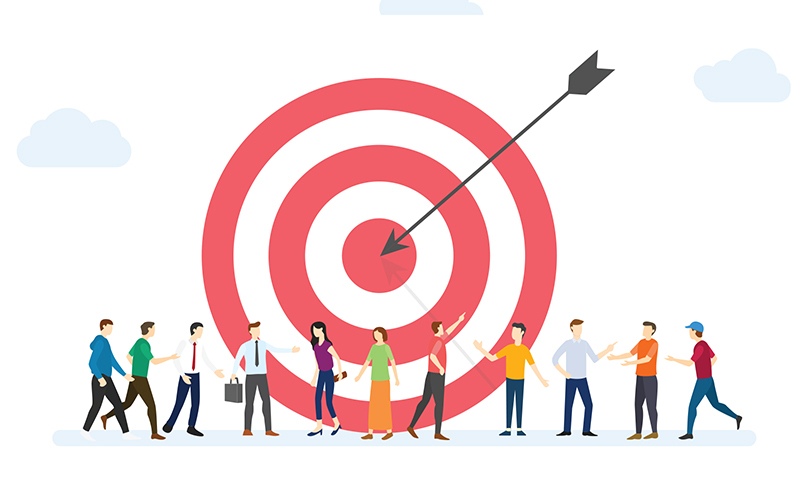
Step 2: Describe the target customer
The 5W – 1H question model is a way to analyze customers in detail by asking many related questions. Below are the question groups in this model:
- Who group: answers basic characteristics such as gender, age, occupation, etc.
- What group: are questions about life such as which customer problems the company’s product can solve, preferences for products and services, etc.
- Why group, with the goal of finding the customer’s motivation to buy: why do they need this product?
- Where group answers questions related to location: office, home, where they buy the product, where they use the product.
- When group are questions about time.
- How group needs to uncover how frequently customers buy and how they pay.
Step 3: Create a detailed customer persona
To perform this step, you need to group the collected information into the following customer segments:
- Demographics (including age, gender, income, and education)
- Psychographics (including lifestyle, choices, and personal profile)
- Behavioral data (including spending habits)
- Profit potential (barriers to purchase)
Step 4: Test
From the customer personas created in step 3, businesses should run test marketing campaigns. The results from these test campaigns will show the business which customer groups are most potential and suitable for the business.
Businesses should note to test and improve products and services after having a complete customer persona. A few small changes like packaging design or advertising campaigns can also increase sales.
4. Common Mistakes When Identifying Target Customers
- Targeting a market that is too broad
A common mistake many business owners make is targeting an audience that is too broad. Often, they may feel that trying to reach as many people as possible is good for business. However, if a business simplifies its target audience to “everyone,” the marketing message can become so vague that most customers will find it irrelevant or unappealing. It is important for businesses to narrow down their target audience to a more specific segment.
- Targeting a market that is too narrow
Besides targeting a market that is too broad, another mistake is targeting a niche that is too narrow. If a business doesn’t go “deep” enough in defining its audience, it may end up attracting only a very small customer segment. Defining specific demographic factors can become so complex that reaching this customer group becomes difficult, and even if the business manages to reach them, they may not generate significant revenue for the business.
- Reaching people who cannot buy your product
Consumers may be interested in what a business sells, but this doesn’t mean they will become your customers. Some businesses often make the major mistake of targeting an audience that cannot become actual customers. For example, although children may have the “power” to influence their parents’ purchasing decisions, marketing directly to children is not always an effective strategy.
- Defining the target customer too vaguely
When defining target customers, the more specific, the better. If the information about your audience is too vague or if you don’t know exactly what you’re looking for, you will have difficulty implementing effective marketing strategies.
- Focusing too much on demographics
When building strategies to reach a target audience, most people tend to focus on demographic factors such as age, gender, marital status, and education level. While this information is valuable, if a business focuses too much on it, they may overlook the psychological aspects of their target audience. Thinking less about what they look like and more about how they think would be a smarter strategy.
- Focusing on broad customer segments while ignoring personalization
When building strategies to reach a target audience, most people tend to focus on demographic factors such as age, gender, marital status, and education level. While this information is valuable, if a business focuses too much on it, they may overlook the psychological aspects of their target audience. Thinking less about what they look like and more about how they think would be a smarter strategy.
- Relying on intuition rather than research
Businesses often tend to define their target customers based on subjective thoughts rather than reality, but this should be avoided. Always base your business’s opinions and conclusions on objective facts, along with conducting rigorous and detailed research on target customer personas.
5. The relationship between target customers and the customer journey
In modern marketing, the target customer and the customer journey are closely related and complement each other. If the target customer is correctly identified, the business can map out the buying journey more accurately, thereby optimizing each touchpoint to increase conversion rates. Conversely, analyzing the customer journey also helps the business gain a deeper understanding of the target customer persona.
5.1. Who the target customer is in the buying journey
The target customer is the person the business wants to influence throughout the Awareness, Purchase, and Loyalty stages. Correctly identifying the customer’s demographic, psychological, and behavioral characteristics will determine which channels, messages, and stages the business should focus on.
5.2. The customer journey reflects “how” they make decisions
- In the Awareness stage: Target customers need educational content that explains the problem.
- In the Consideration stage: They compare products/services → the business needs to provide detailed information, reviews, and case studies.
- In the Decision stage: Customers are interested in price, promotions, and after-sales policies.
- In the Loyalty stage: The business must retain them with customer care services and appreciation programs.
5.3. Illustrative example
A human resource management (HRM) software company:
- B2B target customer: HR managers of medium & large enterprises.
- Customer journey:
-
- Awareness: Searching for information on “human resource management solutions”.
- Consideration: Comparing HRM software from 3–4 providers.
- Decision: Contacting for a demo, negotiating prices, reviewing support policies.
- Loyalty: Renewing contracts, upgrading features.
- Thus, we can see the target customer as the “traveler on the journey,” while the customer journey is the “path” that the business needs to optimize.
The relationship between the target customer and the customer journey is like a driver and a map. Correctly identifying the target customer helps businesses build a suitable customer journey, while researching the journey provides a more accurate reflection of the target customer. By combining both, businesses can increase marketing effectiveness, save costs, and enhance the customer experience.
6. Comparing B2B and B2C Target Customers
In business, identifying the target customer heavily depends on the type of enterprise. The target customer in a B2B (Business to Business) model has completely different characteristics compared to a B2C (Business to Consumer) model. If a business does not clearly distinguish between them, its marketing and sales strategies can easily go in the wrong direction, leading to wasted costs and resources.
Characteristics of B2B Target Customers:
- Scale: Usually businesses, organizations, or departments.
- Decision-Making Unit (DMU): Involves multiple people and approval levels (director, accountant, department head).
- Purchase Motivation: Focuses on efficiency, long-term benefits, and cost-saving potential.
- Purchase Cycle: Long, with multiple evaluation steps, often tied to a contract.
- Information Needed: Technical data, ROI reports, product features, after-sales service.
Characteristics of B2C Target Customers:
- Scale: Individuals or households.
- Decision-Making Unit: One or a few people, quick decisions.
- Purchase Motivation: Heavily based on emotions, brand, trends, and immediate experience.
- Purchase Cycle: Short, sometimes just a few minutes or days.
- Information Needed: Price, promotions, user reviews, visual experience.
Comparison table of B2B and B2C target customers:
| Criteria | B2B Target Customers | B2C Target Customers |
|---|---|---|
| Audience | Businesses, organizations, departments | Individuals, households |
| Decision-maker | Multiple people, multi-level approval (DMU) | One or a few people, quick decision |
| Purchase Motivation | Efficiency, ROI, cost savings, long-term relationships | Emotion, immediate needs, brand |
| Sales Cycle | Long, multi-step, clear contracts | Short, often an immediate purchase |
| Information Needed | Features, ROI reports, after-sales service | Price, promotions, reviews from other customers |
B2B and B2C target customers have distinct differences in purchasing behavior, decision-making processes, and information needs. For a business to succeed, it needs to adjust its marketing messages, outreach channels, and sales strategies to suit each type of customer.
7. Examples of Target Customers from Major Corporations
Examples of Vinamilk’s target customers include both individuals and businesses. For individual customers, the age range is diverse, from children, teenagers, and adults to the elderly, and also includes infants. Vinamilk’s target customers in the business segment are typically agents and stores.
TH True Milk targets a range of individual customers, including homemakers, teenagers, children, the elderly, and families with above-average incomes.
Vinfast targets consumers who want to buy good quality cars, but at the same time, it is also important that the price is affordable for them.
Coca Cola, a famous brand, has target customers who are both male and female, aiming for all segments of the market.
These are 5 essential methods for identifying target customers that businesses cannot overlook. Be sure to save this article and apply these insights to your own customer identification process. We wish you success!
- Hotline: 083 483 8888
- Facebook: https://www.facebook.com/1officevn/
- Youtube: https://www.youtube.com/@1office-chuyendoisodn
















