


 12/05/2026
  353 views
A target market is the foundation for a business to determine who to focus on selling to and build a suitable strategy. But what is a target market and how can you identify it accurately? This article will help you understand everything from the concept to its application.
Mục lục
1. What is a target market?
A target market is a group of customers with shared demographics, behaviors, interests, or needs that a business targets when developing products, creating marketing messages, and implementing sales activities. This is the group of people most likely to buy a product or service – and therefore, the audience a business should focus its resources on reaching.
Correctly identifying the target market helps a business answer core questions: Who needs the product? Where are they? What are their consumer behaviors? What influences their purchasing decisions?
A target market can be segmented by criteria such as age, income, geographic location, lifestyle, or life stage. This makes it easier for a business to design a suitable outreach strategy and increase conversion rates.
For example: A toy brand might identify its target market as boys aged 9–11. However, in their communication strategy, they also need to reach the target audience of parents – the ones who make the actual purchasing decisions.
2. Benefits of a target market for businesses
Clearly defining a target market brings many practical benefits to a company’s development and operational strategy. Instead of spreading resources thin to reach a mass audience, businesses can focus on the right potential customers – thereby improving marketing effectiveness, optimizing costs, and creating a distinct competitive advantage. Here are some key benefits:
- Understand customer needs
Understanding customers is the first and most crucial factor that every business aims for. The process of target marketing helps businesses group customers with similar characteristics and select a suitable target market. This helps marketers more accurately identify the needs and wants of their target customer persona and what influences their purchasing decisions.
- Helps the brand stand out
Marketing to a specific audience helps you get closer to your target customers and stand out from your competitors. As a result, your brand will become more widely known and have a broader reach. This means that when your brand is well-known, customers will buy more from you, especially if they have had a positive experience.
- Improve products and services
When a business segments its target market, it can understand its customers better. By focusing on a specific customer group, the business will know what problems their customers face and how the company’s product helps solve them. Customer feedback and suggestions will help improve the quality of products and services to best meet customer needs.
For example: a toothpaste brand might introduce teeth whitening strips for customers aged 35 and older. The target marketing team might discover that people in this age group develop dental issues, and such products could attract more customers.
- Improve customer relationships
Reaching the right people with the right needs at the right time creates a better customer experience. When they feel understood, their engagement and loyalty to the brand will be higher. This is the foundation for building sustainable relationships and developing a loyal customer base in the long term.
| You can also refer to: Effective Customer Relationship Management (CRM) Software for Businesses |
3. Common ways to define a target market
To define your target market, you need to reflect the outstanding features of your product or service when evaluating consumers. Below are some factors you need to consider to identify the market you are aiming for.
3.1. Defining the target market by geography
Classifying the target market by geography is a simple and effective market classification method chosen by many businesses. By describing the actual location of target customers, identifying customers by geographic location will provide you with information such as: where they live, where they work, geographical features, etc.
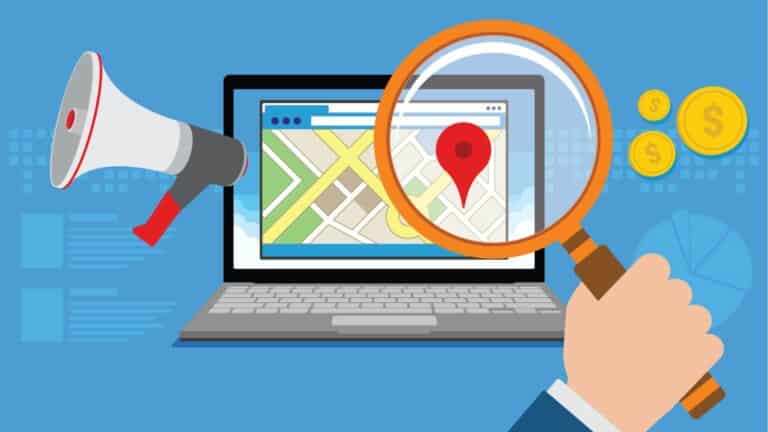
Examples of classifying the target market by geography include:
- Postal code
- Province, city
- Country
- Radius around a specific location
- Climate
- Urban or rural
Additionally, consider whether your target customer group uses the product or service in the same place they purchase it.
3.2. Defining the market by psychographics
Sometimes customers don’t fit into a specific group based on external characteristics, but rather on internal attitudes and values. These are common psychographic characteristics. Psychographics describe the intrinsic personal qualities of the groups within your target market. This includes things like: hobbies, leisure activities, and their preferred sources of information.
3.3. Defining by demographic factors
Demographics involve identifying who your target customers are based on categories such as: age, gender, employment status, life stage, family structure, religion, and their income. Below are a few examples of demographic descriptions for your target market:
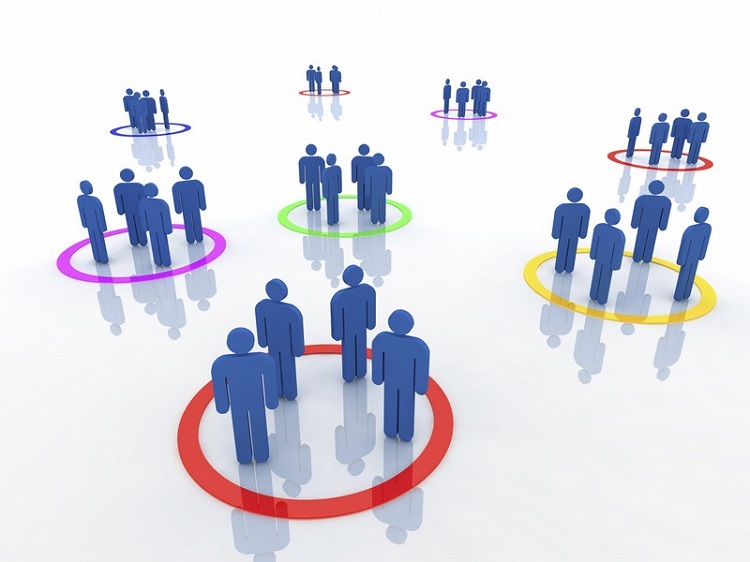
Examples of customer information that help you classify the target market by demographic factors include:
- Occupation
- Marital status
- Education level
- Religion
- Ethnicity
- Living situation (if your audience are homeowners or renters
- Monthly or annual income
For B2B businesses, some demographic factors that can be analyzed include:
- Organization size
- Industry
- Job function
3.4. Defining the market by customer behavior
Behavioral patterns determine customers’ purchasing habits. When you examine the behavioral patterns of the brand’s market, ask yourself what qualities your consumers are looking for in the item or service and why they want to buy it. Therefore, businesses need to determine when and how often customers purchase and use your service to develop appropriate advertising and marketing strategies for each customer group.
Read more: What is Market Segmentation? 5 Steps for the Most Accurate Market Segmentation
4. 6 steps to effectively define a target market
Most businesses today make some mistakes when targeting specific audiences or people interested in their company. However, this is hardly an effective way to intentionally reach a specific audience. To truly understand and define your market, you can refer to the 6 common steps below.
Step 1: Identify the customer’s problem
The first step in defining a target market is for the business to understand its current customers and identify why they support your company. When reviewing these figures, you need to understand which type of customer generates the most business and which products or services they are most interested in. This will help you better understand customer insights and how to approach others like them.

Step 2: Analyze competitors
Analyzing competitors will help the business understand their strengths and weaknesses compared to your own products and services. Once you understand your competitors, you can minimize risks and develop an effective strategy when defining your target market.
Evidently, by thoroughly researching your competitors, the business can minimize its costs and resources and create a competitive advantage. This will help your business move faster and easily surpass its competitors.
Step 3: Evaluate your own products and services
While approaching your target audience, the business needs to review the products and services it currently offers. From there, to develop a strategy to attract new customers, you need to know the information, benefits, and features of the product. This means you know what customers expect to receive and whether they will be satisfied with your products or services if they use them.

When you know where your company currently stands, you can more easily determine better marketing approaches for potential customers. This will make it easier to find the types of people who will benefit most from your business.
Step 4: Focus on a niche market
Today, most businesses tend to focus on a niche market for a specific group of audiences or customer segments. Once a niche market is identified, the business can more easily penetrate larger markets to fully meet the specific preferences and needs of customers. This will help the business save on advertising budgets, increase sales revenue, and build a group of customers loyal to your brand.
Step 5: Evaluate the effectiveness of the target market
Once the business has defined its target market, you then proceed to evaluate the effectiveness of your chosen market by answering the following questions:
- Are your customers benefiting from the products/services your business provides? What is their satisfaction level?
- Are customers willing to pay for your products/services?
- Do customers understand the business’s advertising messages? Which messages reach the most customers?
If customer groups within the target market provide positive feedback and reviews about the product and they receive significant benefits from using it, it means you have achieved initial success in developing your intended market.
In cases where they have mixed or negative reviews, you should focus on listening and incorporating that feedback to address and improve those shortcomings, thereby increasing customer satisfaction with the product.
| Pocket this essential tip: The Most Effective Method for Businesses to Reach Potential Customers |
Step 6: Make a decision on your target market
All your research and evaluation will be meaningless if you don’t act on it and know how to use it. The final step in finding your target audience is to decide who you will approach. From that data and analysis, you can freely choose the precise demographics to build suitable Marketing strategies for each target group.
When making a decision, you need to ensure that your customers can afford your company’s products and services. Additionally, you must determine if there is a demand for your company among the chosen demographic and whether there is enough variety among your products and services so that the target audience does not lose interest.
Remember that you can approach many different markets, but you should only do so after conducting proper research and taking the time to analyze whether your business is a good fit for the chosen audience.
| >> Read more: What is the PESTEL Model? Applications & Business Examples |
5. Examples of Target Marketing
To better understand the target market, you can review the three examples below:
5.1. Nike’s Target Market
Nike provides products for athletes and other consumers who want to exercise regularly. They offer clothing, equipment, footwear, and accessories. They work with athletes and audiences interested in fitness, but we know that a good target market definition cannot be that broad. Let’s break down two of their segments:

- Young Athletes – Children who exercise regularly and play sports as they grow up are a very large and growing category for Nike. Nike enters this market through sports leagues and federations, as well as with endorsements from famous sports stars like LeBron James.
- Runners – By focusing on new types of shoes, Nike shows that it targets consumers based on both demographics and lifestyle. Nike launches shoes and apparel designed to help passionate runners stay on the road a little longer.
5.2. Apple’s Target Market
What about a company that dominates both the B2B and B2C spaces? How can it develop a target market with so many customers? Apple is a prime example of innovation and product design.
But how does that apply to finding a target market? With its many product offerings, Apple has a little something for everyone. Here are two of their target markets:
- Tech Enthusiasts – A customer group that launched their brand decades ago, tech enthusiasts still receive attention from Apple. With the launch of new technology categories (including wearables, Apple TV, and HomePods), Apple has shown it is still creating value for this segment. There is also a huge ecosystem play, where owning a suite of Apple products allows for better interoperability between your technologies.
- Healthcare – One market Apple has its eye on is healthcare. By focusing on the appeal of having information at your fingertips with mobile phones and iPads, they have positioned healthcare workers to communicate with patients more conveniently.
Apple doesn’t seem to exclude many people from its target market and has positioned itself to benefit both consumers and businesses—even with similar products like the iPad. Its success lies mainly in understanding the value of different segments rather than excluding people from them.
5.3. McDonald’s Target Market
McDonald’s target market is very broad and includes many different types of customers. Young professionals represent one of the chain’s more prominent target market segments—and that trend is reflected in many of the company’s location remodeling activities. Some McDonald’s franchises have been revamped to look sleeker, more modern, and more appealing to millennials.

“Full nest” families with children over six represent another important base for the chain. The steps the franchise takes to attract this specific segment are most clearly reflected in the Happy Meal options the company offers.
But there is one factor that underscores almost every target market McDonald’s tries to attract—social class. The chain makes a conscious effort to resonate with lower, working, and middle-class customers.
6. Conclusion
Hopefully, the content of this article will help users better understand the target market, as well as its importance for every business. When a business identifies the market and customers it is targeting, you can quickly create effective messages for the best marketing approach. This helps the business increase sales profits and effectively advance its business goals.
For more detailed information, please contact us via:
- Hotline: 083 483 8888
- 1Office Fanpage: https://www.facebook.com/1officevn
- Youtube: https://www.youtube.com/c/1OfficeNềntảngquảnlýtổngthểDoanhNghiệp
















