


What is Customer Management? Process & Management Methods


Customer management plays a crucial and indispensable role for every business, especially in the context of an increasingly competitive market. Therefore, to gain a greater competitive advantage, businesses need to implement effective customer management solutions. In the article below, 1Office will explain in more detail the concept of customer management, why it is important, the process of carrying out related activities, and the most effective methods to help businesses manage customers.
Mục lục
What is customer management?
Customer management is an effective way for businesses and business organizations to optimize opportunities and order conversion rates through various approaches, interactions, and communication with customers. From there, the company can collect customer information and provide appropriate support services to enhance performance, improve sales quality, and develop the product brand.

Customer management is a crucial task that directly affects a company’s revenue because customers are the primary source of profit and value for the organization. Without customers, a business cannot survive, so caring for and maintaining customer relationships is essential for every company.
Why do businesses need to manage customers?
The outstanding benefits that businesses gain through methodical customer management are:
- Collecting information and data on customer habits and behaviors helps businesses make more accurate business decisions.
- Understanding customers helps businesses develop effective sales, marketing, and customer care strategies, thereby increasing revenue.
- Effective customer management helps retain and attract new customers, while also increasing the customer retention rate.
- Strengthening customer trust in the business and its products/services, thereby encouraging customers to become brand ambassadors and generating effective word-of-mouth marketing.
- Listening to customer feedback, needs, and desires helps businesses improve the quality of their products/services most quickly, thoroughly meeting customer demands.
The customer management process
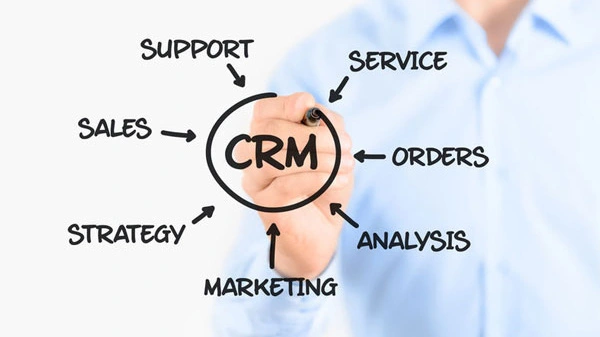
Step 1: Collect customer information
Data collection is the most crucial step to begin the customer management process. This information can include personal details, demographic information (such as age, gender, address, occupation, etc.), financial status, or any other information useful for business operations.
Here are some methods businesses can use to collect customer information:
- Create information registration forms on the website.
- Ask customers about their preferences when they register.
- Use website cookies to track visitors, personalize pages, and distinguish between page views and unique visits.
- Use location data from customers when they download an app or register on social media.
- Observe customer activity on social media.
- Provide a free Wi-Fi page to track the websites customers visit.
- Offer free learning materials in exchange for customers’ email addresses.
Step 2: Establish a customer database
Simply collecting data is not enough; businesses need to organize and build a customer database. The customer database should be managed on a system and centralized on a single platform so that the business can easily access, review, and use it.
A helpful suggestion for businesses is to organize customers by criteria such as residential area, demographic characteristics, engagement level, etc. In some companies, each customer is even given a unique identifier, allowing employees to access the entire profile to understand the customer’s transaction history.
Step 3: Analyze customer data
Data analysis plays a crucial role in optimizing a business’s sales and marketing strategies by understanding customers’ purchasing habits, preferences, and lifestyles.
Customer data analysis consists of 4 stages:
- Stage 1: Identify potential customer profiles and segments.
- Stage 2: Understand and confirm customer needs, wants, and challenges.
- Stage 3: Classify customer groups based on characteristics and consumer behavior.
- Stage 4: Build detailed customer profiles.
By analyzing customers, businesses can effectively focus on implementing marketing campaigns tailored to specific customer groups.
Step 4: Manage Customer Data
To optimize data, customer information needs to be supported and enhanced through regulated management and monitoring activities. However, manual customer data management can lead to errors, data inconsistencies, difficulties in management, and significant risks.
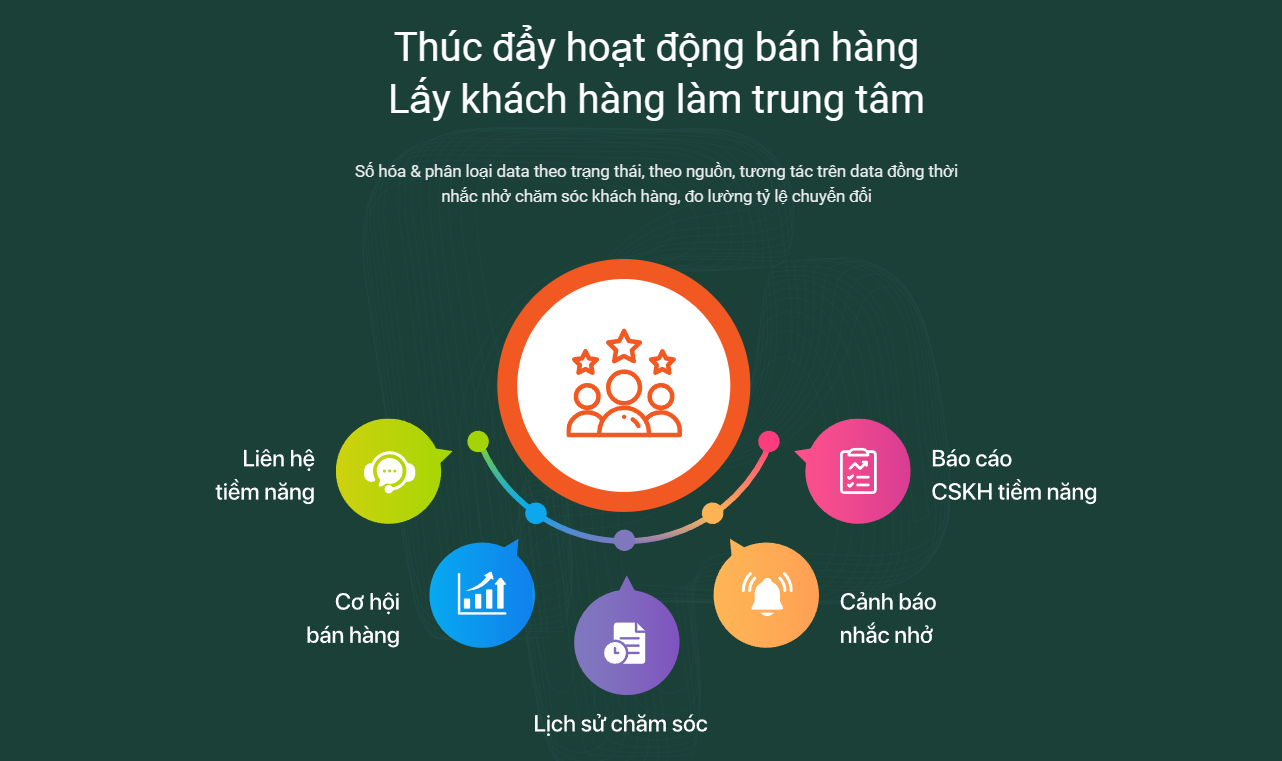
One of the solutions many businesses choose is to use effective CRM software, such as 1CRM from 1Office. With automation features, timely data updates, and a robust management system, CRM software fully meets the needs of businesses in customer management.
Experience a free demo of 1CRM features!
You should also note that having too much data can create difficulties and hinder the decision-making process for the business. All data collected from customers must have a clear purpose. Here are some questions you can ask to optimize customer data analysis:
- Does the data accurately reflect the company’s overall objectives?
- How will each piece of data be analyzed?
- How does the collected data affect the customer experience?
If you are collecting customer information through automated software, consider how the data will be used. Don’t collect data just because you can; focus on collecting only the data that is truly necessary.
Step 5: Effectively Use the Customer Database
After fully defining the implementation steps, businesses should use that information to focus on meeting customer needs and wants:
- Enhance marketing activities by understanding the behavior of potential customers.
- Improve products or services through valuable feedback on their quality.
- Optimize promotional programs and special offers in the most flexible way.
- Create personalized shopping experiences for each customer.
- Discover creative ideas to develop new products or services.
- Use collected customer data to create engaging and unique content.
8 Effective Customer Management Methods
Customer Classification
Customer data needs not only to be stored but also to be organized and classified into separate groups for convenient optimization by group. This helps businesses focus more on the most promising customer segments. Below are suggestions on how to classify customer information for management:
- Current Customers Group: Includes customers who are currently using the business’s products/services.
- Potential Customers Group: Includes customers who are likely to purchase or use the business’s products/services in the future.
- Past Customers Group: Includes customers who have purchased or used the business’s products/services in the past.
- Churned Customers Group: These are customers who have used the business’s products/services but have chosen to stop using them.
- Key Customers Group: Includes customers who play a significant role in driving the business’s growth (e.g., VIP customers, partners…).
- Loyal Customers Group: Includes customers who have used the business’s products/services for a long time and on a regular basis.
Understand customer needs

First, businesses need to have a deep understanding of their customers’ needs and desires regarding their products, services, or brand. To do this, the sales department needs to work closely with the customer care department to research and analyze all information, profiles, review histories, and feedback from customers. This is not only an effective customer management method but also helps businesses build excellent business development plans and sales scripts for the Sales team.
Personalize customer care activities
Caring for and interacting with customers has become one of the most important factors in customer management, requiring significant investment in both effort and finances to ensure their absolute satisfaction.
Providing timely customer care when they need it not only creates a positive impression of the business’s product quality but also helps build customer trust and satisfaction. Therefore, in addition to regular working hours, it is extremely necessary to establish a customer care team to resolve their issues quickly.
>>> See more: Top 11+ Most Popular Free Trial CRM Software
Understanding and grasping customer psychology is considered one of the most basic and important skills in customer care. Although each customer’s needs may differ, their common desire is to experience the highest quality service possible.
To understand customer psychology, you need to answer the following questions:
What do customers need?
What do customers want?
How do customers feel?
What difficulties are customers facing?
When a business can meet these needs and address these issues, it will create a positive impression with its customer care capabilities, thereby enhancing the customer experience and increasing profits for the business.
Secure customer information
During the process of working and transacting with customers, businesses must always commit to the absolute security of their personal information. This helps customers value the business more and feel more satisfied compared to other competitors in the market.
However, many businesses still store customer information and data using traditional manual methods or unsecured storage media, leading to the risk of information loss or leakage when some employees leave the company. Therefore, it is very important to carefully research and select suitable and reliable storage tools to avoid the risk of customer information and data being stolen. This is also a useful customer management method for businesses.
Conduct professional employee training
All employees in the sales and customer care departments of a business need to be thoroughly and professionally trained to provide customers with the best impressions and experiences during the process of approach, communication, interaction, and transaction completion.
If these two departments are not properly trained, employees in each department will work ineffectively, leading to a more negative customer experience and evaluation of product or service quality. This can cause the business to lose a large number of potential customers.
Build an omnichannel connection system
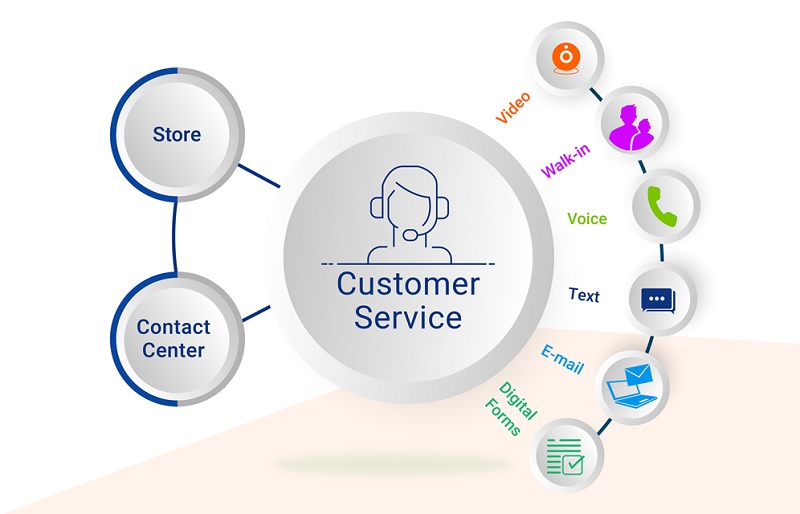
An omnichannel connection system is a model for interacting with customers across various channels, including both offline and online. According to a PwC survey, 80% of customers want a seamless, omnichannel experience. They want to interact through multiple channels, from websites and mobile apps to physical stores and social media channels.
When implementing multi-channel sales, using an omnichannel connection system is a solution that helps businesses operate more effectively while saving time and costs. CRM software also provides various features such as automating customer support, marketing, and managing and analyzing customer data. As a result, these systems create a seamless and consistent customer experience.
Survey & Evaluate customer satisfaction levels
You can use online survey tools like Google Forms or Microsoft Forms to collect feedback from customers after they have experienced the product. For businesses that want to conduct their own surveys, they can do so via email to measure consumer satisfaction.
After experiencing a business’s product and feeling satisfied, consumers often take positive actions such as rating the product on websites, writing positive reviews, sharing advertisements with others, and continuing to use the product. To measure the level of customer satisfaction with your product and to have a direction for changing and improving the product appropriately, you need to use the following methods:
Apply CRM customer management software
CRM (Customer Relationship Management) software is an incredibly useful tool that helps businesses effectively implement processes for managing potential, current, and loyal customers. CRM solutions support businesses in collecting, storing, consolidating, and classifying all customer information throughout the communication and interaction process. This enables businesses to build the most suitable and effective customer care and management strategies and methods.
1CRM – The leading solution for effective customer management
1Office’s CRM software is known as a module within the 1Office business management software. With a customer base of over 8000+ businesses and 500,000+ users, 1Office is arguably one of the most popular comprehensive business management software solutions in Vietnam today, and 1CRM is a key part of that.

When using 1Office, your business will have access to a range of key features, such as:
- Manage customer information on the software; customer data files are always available on the system, making it easy for employees to look up and search.
- Each specific customer data entry is assigned to the employee in charge, making it easier than ever for managers to monitor work.
- Create order and contract information directly on the system.
- Integrate with smart features such as: sending emails, making calls or texting customers, and e-signing directly on the software. You can use the digital signature software to sign documents and contracts anytime, anywhere, quickly and easily.
Experience a free demo of 1CRM’s features!
———————————————
We hope the useful information about customer management methods shared by 1Office above will help you gain a clear understanding and a general overview, enabling you to quickly choose the most suitable approach for your business.




