13/05/2026
  327 views
The days when selling groceries involved mental calculations are long gone. More “modern” stores would write down receipts and hand them to customers. In today’s Industry 4.0 era, is this method still applicable?
Grocery stores are trying to transform and modernize their operations. During this process, what difficulties are encountered in grocery store management? Should business management software be used for managing grocery stores? Let’s find out with 1Office in the article below.
Mục lục
What is grocery store management?
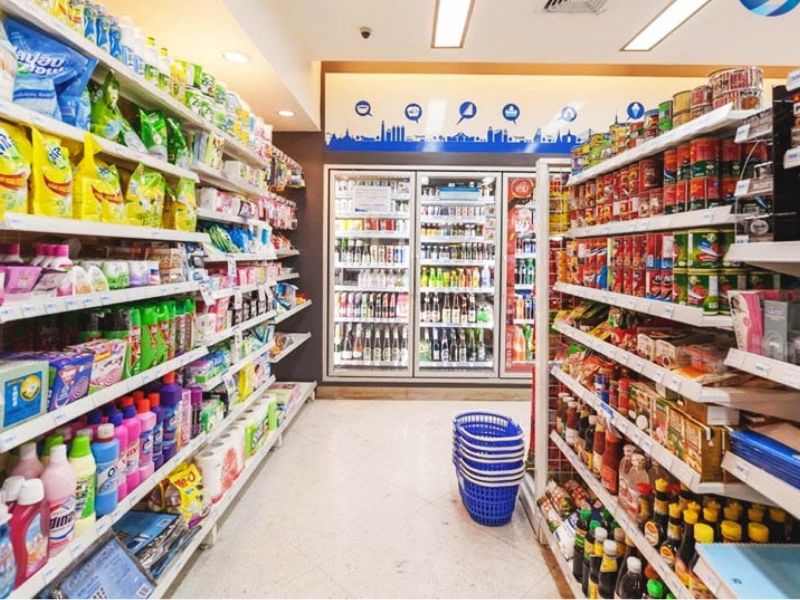
A grocery store is a place that provides essential goods for our daily lives. In big cities, we can easily buy them at convenience stores or mini-marts. But in rural areas, we can only buy them at grocery stores. So, what are the development opportunities for grocery stores that are still managed in the traditional way?
Issues for grocery store owners
Running a grocery store, convenience store, or mini-mart involves a large number of items. How do you categorize your products? What is the import price? What is the selling price? How much old stock is left in the warehouse? A series of questions are posed to business owners.
Stores often use traditional methods to calculate revenue and profit, such as bookkeeping and Excel spreadsheets. But is this calculation method still suitable for today’s world? What are the limitations of this business method? Let’s explore the difficulties in grocery store management below.
Difficulties in grocery store management
Overwhelmed by the quantity of goods, difficult to control
When it comes to running a grocery store, there will certainly be a lot of items. For small stores, the number of items can be in the hundreds. But for large stores or supermarkets, the number of items can reach the thousands. Not to mention that product prices change constantly. Do you get overwhelmed by the “pile” of goods in your store?
Slow checkout, time-consuming during peak hours
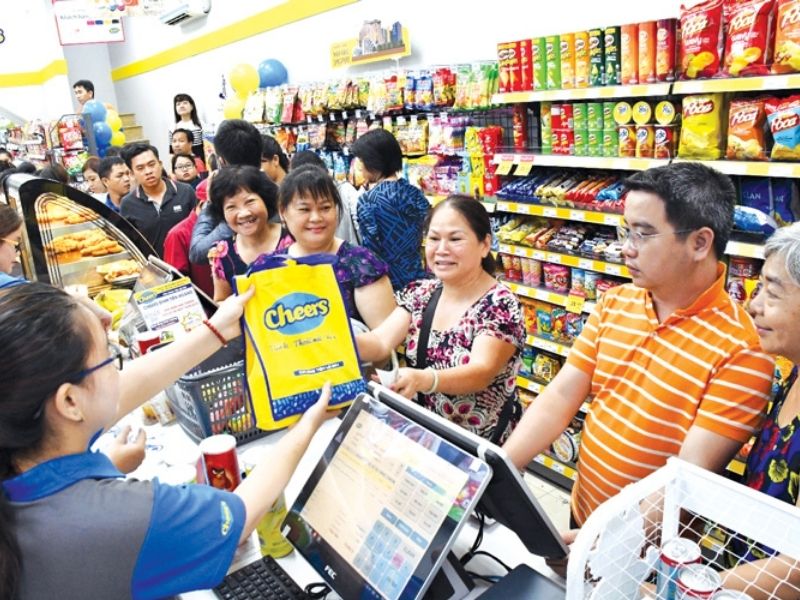
Not only are the items diverse, but each item also has many different models, types, and prices. Take beer for example, there are many brands like Bia Ha Noi, Heniken, Saigon, etc. Each type of beer has a different price. How can the store owner or sales staff keep track of everything effectively?
If you are checking out multiple customers at the same time with hundreds of items, how can a ledger record everything accurately? Mistakes are very likely to happen.
Not to mention when many customers come in to buy at the same time. In that “chaotic” situation, you might misremember prices. In that case, wouldn’t your business be taking a loss?
Difficulty controlling inventory, unclear if items are in stock or out of stock
You might say that ledgers will help you track items, right? Ledgers help to some extent, but with a huge amount of goods, what is the inventory level? How much stock has been imported? Can you keep track of it all?
Because there are so many goods, knowing the inventory level of each item is a real challenge for store owners. Many stores only restock an item when it runs out, or when a customer asks for it, they’ll get it the next day. That mindset isn’t wrong. But it’s only suitable if you don’t want to grow your store and just want to remain a small-scale business.
Read more: How to manage internal revenue and expenditure for small businesses
Never able to leave the store
You get used to sitting in the store and selling; only you know the store’s situation. What’s the price of this product? Is that product still in stock? But you’ll realize the problem when one day you’re busy and have no one to manage the store for you. Then you have to close the store because no one can manage it for you.
Additionally, if you want to expand your store business, hiring more staff is a given. If you still manage your grocery store the traditional way, it could take a whole month to train a new employee to remember every item and its price.
Read more: Top 5 best business management software for small and medium enterprises today
How to manage a grocery store effectively
Build a modern sales management model
Grocery stores that want to expand their business scale need their owners to change their business and management models. Replace traditional management methods with modern ones. This will allow them to keep up with the current era.
Grocery stores need to change their store layout. The display and arrangement of products should be more convenient for management. Customers should be able to choose products themselves without supervision from sales staff.
Use modern management equipment
After arranging your merchandise scientifically, you should use smart devices like barcode scanners, receipt printers, etc. This helps you process payments quickly, efficiently, and avoid errors. Customer service will be improved and enhanced.
You should install a monitoring system in blind spots and areas you cannot see. This not only makes it easier for you to manage the store but also ensures security for your customers.
Applying sales management software to payments
Using software for business is the most effective method. You will save a significant amount of time and have better control over sales operations. The software will always update the quantity of goods remaining in stock.
All product information, stock quantity, and prices are continuously updated on the software. This helps store owners manage all information logically and in detail. Moreover, the software also provides revenue reports. From there, store owners can balance their inventory and finances.
See more: How to manage a gold shop for new business owners
Applying 1Office to grocery store management
Applying software to manage a grocery store is a suitable choice if you are looking to expand your store’s scale. 1Office software is a comprehensive solution for your store. It will be a powerful tool to assist you from sales to store management.
Easily control inventory import and export operations
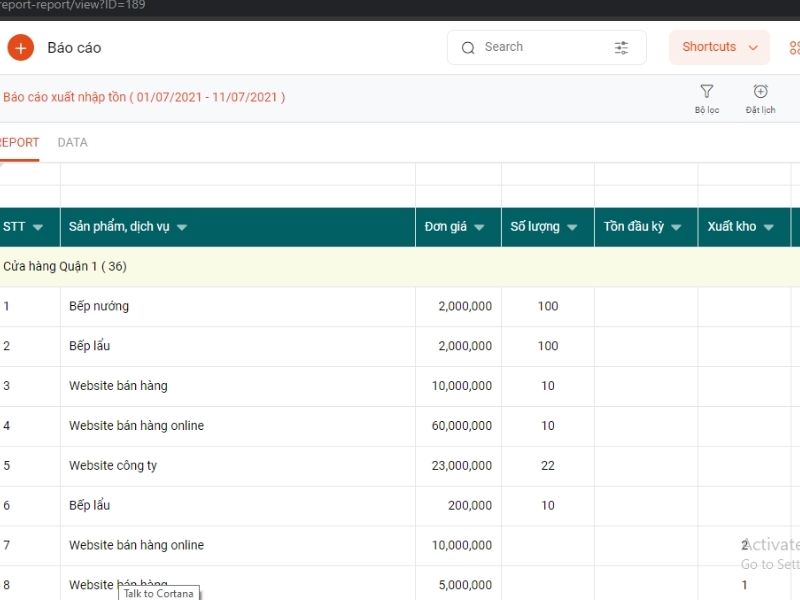
For every order sold, the stock quantity is updated immediately in the inventory. Therefore, it’s easy to control which items are still in stock and which are out. The stock-taking process also becomes much easier. From this, employees or store owners can plan their inventory procurement accordingly.
Fast and accurate daily reports
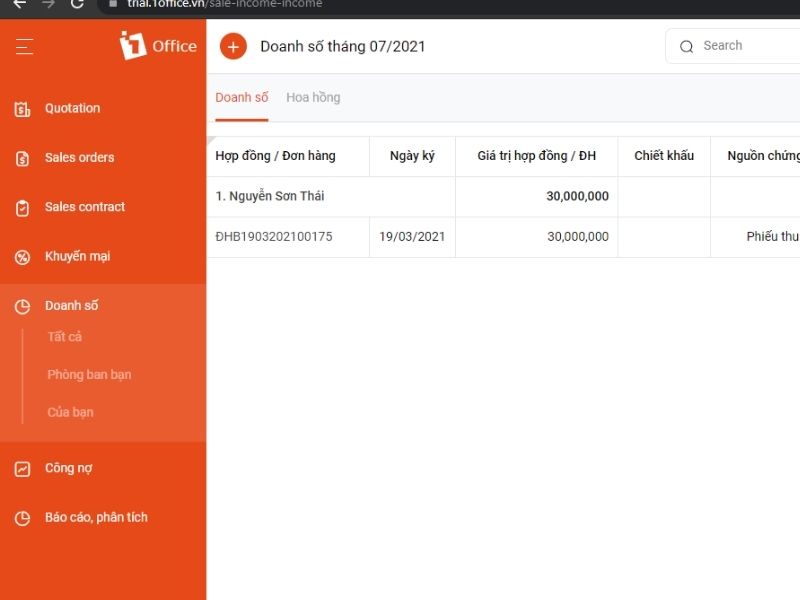
Thanks to the feature of compiling reports by day, week, month, and quarter, monitoring the store’s situation becomes easier. From there, you will have analyses and assessments of the store. Make the right decisions that are suitable for your store. The right decisions at the right time are always the best choices.
Sell quickly, avoid losses
Having many customers is no longer a concern. Instead of wasting time checking the price of each product, writing it down, or using a calculator to total the amount, using grocery store sales software will help you avoid confusion, errors, and enhance positive customer feedback for your store.
After scanning the product’s barcode, the software will immediately update the order data, including product information, price, etc. The receipt will be printed right after the total amount is calculated. You can both control the sold items well, and customers can easily re-check the goods they have purchased.
Calculate the store’s revenue
Grocery stores often have customers buying a few individual items. Often, the owner doesn’t know the revenue, profit, or loss. With detailed reports from 1Office, you will know your business situation immediately.
See more: Top 5 best business management software for small and medium enterprises