


 11/05/2026
  132 views
For a leader to guide an organization to success, one of the indispensable factors is meeting facilitation skills. A quality meeting will mobilize collective strength, direct members towards a common goal, and thereby create a foundation for the business’s development. To help leaders conduct meetings effectively, 1Office provides readers with A-to-Z skills for organizing and facilitating meetings, along with a detailed meeting agenda template in the following article.
Mục lục
- 1. Why do leaders need meeting facilitation skills?
- 2. Principles of Meeting Organization
- 3. What skills are needed to run an effective meeting?
- 4. Sample Meeting Agenda Content
- 5. KPIs & How to Measure Meeting Effectiveness
- 6. What are the steps in the post-meeting process?
- 7. Effective Meeting Culture
- 8. 1Office Software – A solution to enhance meeting organization skills
- 9. Frequently Asked Questions
1. Why do leaders need meeting facilitation skills?
Meeting facilitation skills are the ability to prepare, plan, and organize to ensure a meeting runs smoothly and effectively communicates necessary information to attendees.
Whether you are a leader or an employee, you have likely attended meetings that dragged on without reaching any conclusion. Ineffective, unfocused meetings are the root cause of wasted time, budget, and organizational resources. A common sentiment among employees is a reluctance to participate in hour-long “lectures” when they could be using that time for more productive tasks.
Therefore, the facilitator’s meeting skills play a crucial role in determining the success or failure of the meeting. A leader’s ability to organize and facilitate meetings will help:
- Ensure everyone clearly understands the information
Effective meeting facilitation skills help leaders communicate goals, strategies, and action plans clearly and concisely. Attendees will receive the correct and complete information needed and understand their responsibilities, thereby saving time and resources for the organization.
- Unify members’ opinions
An organization is a diverse collection of individuals with different viewpoints and perspectives. Therefore, to guide members toward a common goal, a crucial element of an effective meeting is to unify the opinions of all parties. Meeting facilitation skills involve receiving, synthesizing, and processing different opinions to reach a final consensus.
- Resolve outstanding issues
Organizations often have many lingering issues related to their operational structure and processes. Meetings are a time for everyone to come together and find solutions. A skillful leader will know how to untangle these knots right within the meeting.
2. Principles of Meeting Organization
To organize and facilitate a quality, effective meeting, managers need to adhere to the following principles
2.1. The meeting must have a clear objective
For a meeting to be successful, the first element that must be ensured is a clear objective. Without clear direction from the start, it’s easy for the meeting to drag on aimlessly, and attendees won’t know what information they need to grasp or what their role is.
Therefore, before organizing a meeting, you need to carefully consider the following factors:
- Is this meeting really necessary? Can the information be exchanged through other means (email, phone call, text message, etc.)?
- What content is the meeting intended to convey? What value should it bring to the attendees?
- What results does the meeting need to achieve? What problem needs to be solved?
2.2. The meeting must have a specific agenda
If you don’t want to hold a wasteful, ineffective meeting, you must master the time! To control the content and duration of the meeting, the organizers need to create a specific meeting agenda. This document will help the facilitator track and monitor the meeting’s timing.
This agenda will provide all necessary information related to the meeting, helping the leader facilitate effectively and anticipate potential situations.
2.3. The meeting must follow a logical flow
To ensure a complete, clear, and seamless flow of information to attendees, you must establish a logical flow for the meeting. Your task is to determine how long the introduction should last, how much time should be allocated to the main points, and when the meeting should conclude.
Additionally, to avoid disrupting the flow of information for attendees, the content sections should be arranged logically and scientifically. For example, the introduction of delegates should take place after the purpose of the meeting has been announced.
Read more: 4 Thinking Skills for Managers – Qualities that Make an Excellent Leader
3. What skills are needed to run an effective meeting?

3.1. Meeting Planning Skills
The success of a meeting largely depends on the preparation phase. If prepared thoroughly and carefully, the meeting will be highly effective. To carry out the preparation, the organizer needs meeting planning skills, which include the following:
Define the meeting’s objective
As mentioned above, the meeting’s objective is a crucial element to clarify in the plan. A clear objective should state the reason for gathering everyone, the information to be conveyed, and the problem to be solved.
Determine the meeting’s context
- Time: It’s necessary to determine the start and end times of the meeting and the time allocated for each content section. The set times must be strictly adhered to ensure the meeting stays on schedule.
- Location: The location must be announced in advance so attendees have time to prepare. Additionally, consider the meeting format (online or offline) for the convenience of the attendees.
- Attendees: These are the individuals summoned to attend the meeting. Be sure to select only those with the authority and responsibility for the meeting’s topics, those who can contribute ideas, and those directly affected by the decisions made, to avoid wasting resources.
Prepare materials
This includes the main content of the meeting, information to be prepared in advance for discussion, reports to be reviewed, etc.
Create the meeting agenda
To build the meeting agenda, the organizer needs to clarify the following factors:
- The main topics to be covered and the time allocated for each
- The sequence of tasks to be addressed
- Key issues for discussion and deliberation
- Method for reaching an agreement: collecting opinions/voting/…
3.2. Meeting Organization and Facilitation Skills
Start the meeting on time
An unchanging principle when organizing meetings is to adhere to the schedule. No one wants their time wasted by waiting. Starting the meeting on time shows that you are a professional and disciplined facilitator. Additionally, you need to stick to the timeframe for each section to ensure the meeting ends on time.
Presentation Skills
This is one of the most important skills in organizing and facilitating meetings. A good facilitator can lead the meeting smoothly by clearly and coherently communicating the issues.
For a smooth start, the chairperson should appear confident and energetic. This helps create a friendly atmosphere and build a connection with attendees right from the beginning of the meeting.
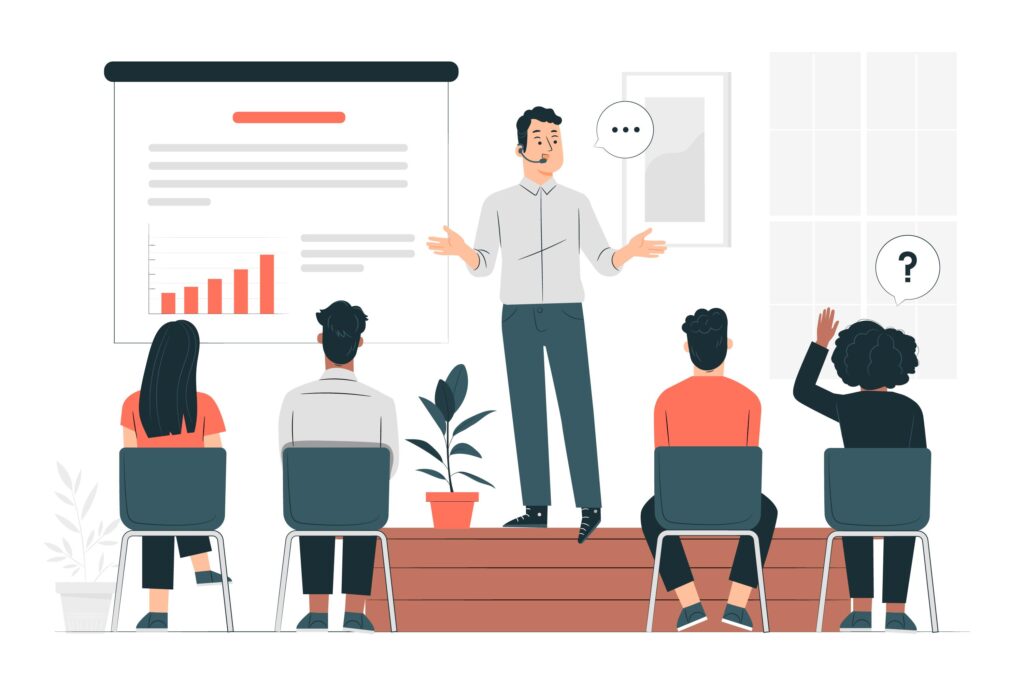
During the meeting, the chairperson should avoid rigidly reading prepared content verbatim. Summarize and rephrase the core ideas, and emphasize and delve into key issues to make them easy for everyone to grasp.
Additionally, body language is an effective “weapon” that makes your presentation more lively and helps create a connection with people. Utilize facial expressions, gestures, and demeanor to illustrate your ideas, and don’t forget to observe the attendees’ expressions to make appropriate adjustments.
Communication skills
An effective meeting involves two-way interaction between all parties. To encourage members to exchange ideas during the meeting, listening and questioning skills are essential. The facilitator needs to focus on recording discussion points and feedback from attendees to grasp the main ideas, analyze the information, and ask probing questions if necessary.
Remember to listen and receive opinions with an open mind, on the basis of learning and development, to show respect for the attendees. During discussions, you need to maintain a positive attitude and avoid confrontational situations.
See more: Communication skills at work to help you achieve success
Attendee coordination skills
To organize and conduct a meeting professionally, the facilitator must establish order by defining the roles of the attendees. Assign specific functions to members and coordinate their tasks to ensure the meeting runs smoothly. There are many different roles in meetings, such as: meeting secretary, logistics coordinator, delegate, observer, etc.
3.3. Situation handling skills in meetings
Many situations can arise during a meeting, requiring the facilitator to have flexible improvisation techniques.
Conflict situations between members
Conflict situations often stem from disagreements in members’ viewpoints, and in the worst-case scenario, can lead to arguments, discord, and even internal strife. Therefore, the leader must handle it skillfully to resolve the conflict. Follow these steps:
- Keep a “cool head” and a calm, objective attitude
- Gently attract the attendees’ attention and restore order, avoiding a commanding tone
- Reiterate the importance of the meeting and the need for everyone’s cooperation to achieve the common goal
- Consider and analyze each opinion objectively and call for a vote
Situations where the meeting runs over time
This is a situation of “running over schedule” which can stem from both objective and subjective reasons. To handle this, the first thing you need to do is review the remaining content and consider what can be shortened or omitted.
Next, the chairperson needs to re-emphasize the importance of the meeting and the urgency of resolving the issue to reassure the attendees.
If the meeting’s agenda items cannot be resolved in the remaining time, consider organizing a follow-up meeting to ensure the quality of the discussion.
Situations where the meeting is quiet
A meeting with a gloomy, dull atmosphere is a sign that attendees are not truly focused or contributing. You need to address this situation immediately by:
- Stirring up the atmosphere by introducing debatable topics
- Encouraging communication and interaction among members
- Empowering attendees with different roles, letting them take turns “leading” the meeting
- Organizing a mid-session entertainment activity if it aligns with the team or company culture

3.4. Meeting conclusion skills
To conclude a meeting, the facilitator will need to perform the following tasks
- Summarize the meeting’s content and message concisely and clearly
- State the results achieved, including: issues that have been agreed upon, tasks that have been completed, and decisions that have been made
- Provide an evaluation and feedback on the meeting in aspects such as content quality, timing, and everyone’s contributions
- Bring up issues that require further attention
- Assign responsibilities and tasks to specific members or departments
4. Sample Meeting Agenda Content
To help executives develop effective meeting organization and management skills, 1Office provides you with a comprehensive file of detailed meeting agenda content templates.
Download the Sample Meeting Agenda Content HERE
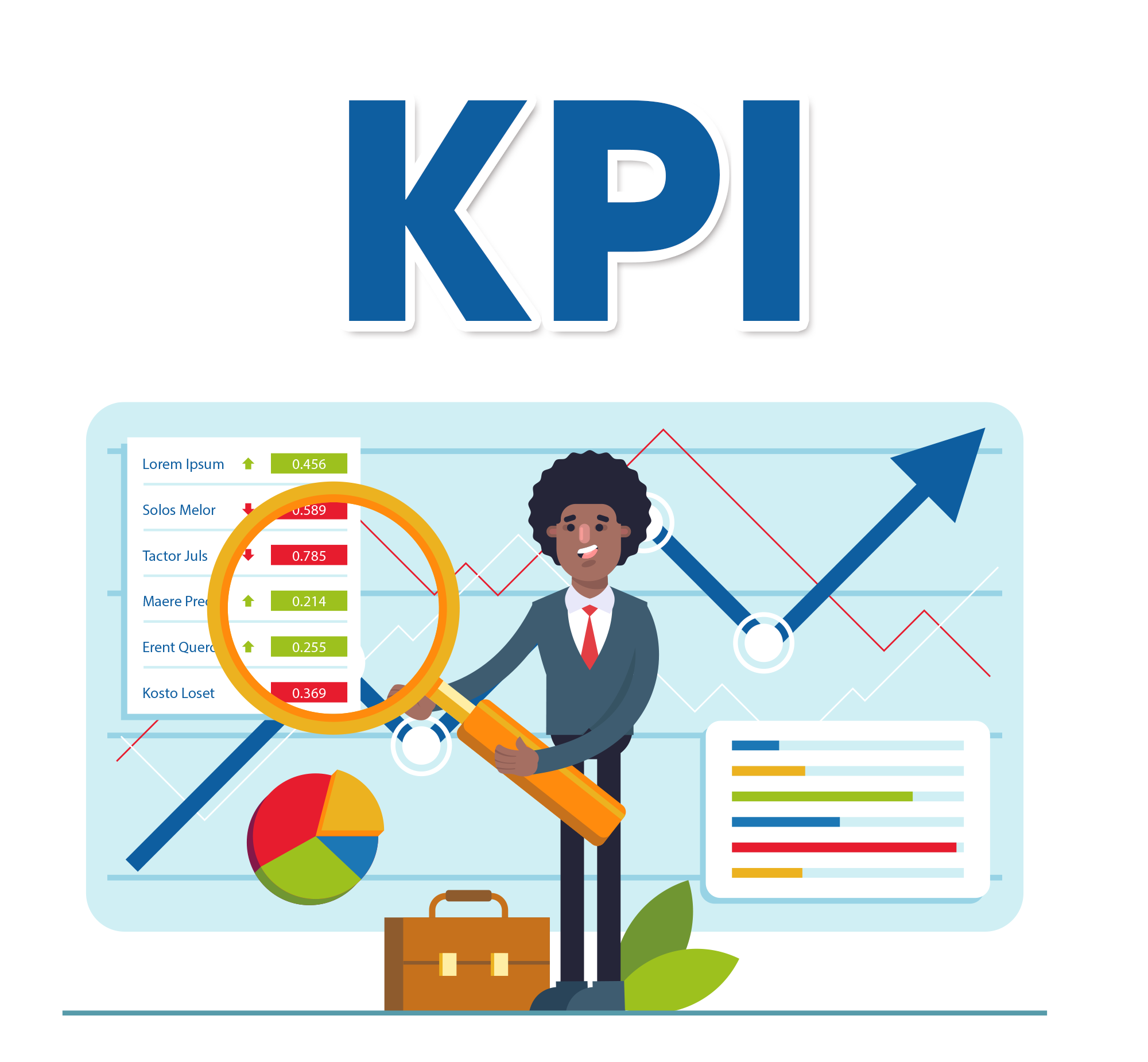
5. KPIs & How to Measure Meeting Effectiveness
To assess whether a meeting provides value, businesses need a clear KPI system instead of relying on feelings. These metrics not only reflect the effectiveness of the meeting but also help managers gradually improve meeting quality over time.
Key KPIs to track:
- Actual vs. scheduled meeting time: If meetings consistently run over, it indicates poor preparation or weak time management.
- Percentage of agenda items covered: What percentage of the agenda was completed during the meeting? If it’s below 70%, the coordination needs to be reviewed.
- Participant engagement level: Measured by the number of opinions, questions, or responses. A situation where many people are silent is a sign of a “low-engagement meeting”.
- Quality of decisions made: It’s not just about discussion; there must be a clear final outcome (Yes/No/Next Step).
- Post-meeting satisfaction rating: Conduct a quick survey (via Google Form or an internal app) to gauge participants’ feelings.
By combining these KPIs, businesses can objectively measure meeting effectiveness, turning meetings into a decision-making tool rather than a “waste of time”.
6. What are the steps in the post-meeting process?
The end of a meeting doesn’t mean the work is done. In fact, research shows that 80% of a meeting’s effectiveness lies in the post-meeting phase – where ideas, discussions, and decisions are transformed into concrete actions. If a business skips this step, it’s easy to fall into the trap of “many meetings, but nothing gets resolved”.
To ensure the meeting truly creates value, the post-meeting process should include the following steps:
6.1. Record Meeting Minutes
-
Summarize the key decisions that were agreed upon.
-
List specific tasks along with their deadlines.
-
Note down outstanding ideas and unresolved issues to be addressed in the next meeting.
Having clear Minutes of Meeting (MoM) helps prevent “misremembering – misunderstanding” among members.
6.2. Assign Clear Responsibilities
-
Identify who is the Person in Charge (PIC) for each task.
-
Set specific deadlines, avoiding vague terms like “as soon as possible”.
-
Define the criteria for task completion to measure results.
The “Who – Does What – By When – To What Standard” principle will help put work into practice.
6.3. Follow-up & Progress Review
-
Establish a weekly or mid-term check-in mechanism.
-
The meeting host/PM needs to monitor progress and send reminders if there are signs of delay.
-
Acknowledge and quickly report the completion status in subsequent meetings.
This approach ensures that tasks are not “stalled” or forgotten after the meeting.
6.4. Distribute Post-Meeting Documents & Results
-
Send the minutes, presentation files, or related data to all attendees.
-
Share with absent members as well so they can stay informed.
-
Create a shared folder (Google Drive, 1Office, Notion, SharePoint) for storage and future reference.
Transparency in information helps everyone work in sync and avoids information “getting lost”.
7. Effective Meeting Culture
Besides KPIs and processes, the most fundamental and sustainable factor is meeting culture. A good process can help improve immediate efficiency, but only when a meeting culture is formed can a business build good habits, shared discipline, and a long-term spirit of transparency.
Meeting culture doesn’t just happen; it requires persistence, consistency, and commitment from both leadership and staff. It shapes how everyone prepares for, participates in, and behaves during each meeting.
7.1. Start on time & end on time
- Respecting the group’s time is the foundation of discipline.
- Latecomers disrupt the flow of the meeting; meetings that run too long delay other work plans and reduce productivity for the entire day.
Businesses can apply measures such as symbolic fines or deducting overtime to increase punctuality awareness.
7.2. Prepare in advance
- Documents, agendas, and data to be shared should be sent at least 24 hours before the meeting.
- Attendees have time to read in advance, ask questions, and provide insightful opinions instead of passively listening to reports.
This also helps avoid repeating issues that are already clear.
7.3. Don’t repeat & don’t meet too often
- Avoid turning meetings into a place for reading data reports (the software system already handles this).
- Focus on discussing solutions or making important decisions.
- Maintain a reasonable frequency: only meet when truly necessary, instead of maintaining them out of “habit”.
7.4. Encourage everyone to participate
- The facilitator needs to allocate speaking time reasonably, encouraging even the quieter members.
- Techniques like round-table sharing (letting each person speak briefly) or silent brainstorming (everyone writes down ideas first) can be applied.
- This creates fairness and avoids a situation where a few individuals “dominate the conversation”.
7.5. Respect differences
- Don’t interrupt or dismiss opinions based on feelings.
- Counterarguments should be based on data, logic, or practical experience.
- Respect helps create an environment of psychological safety, where everyone dares to present creative ideas without fear of judgment.
8. 1Office Software – A solution to enhance meeting organization skills
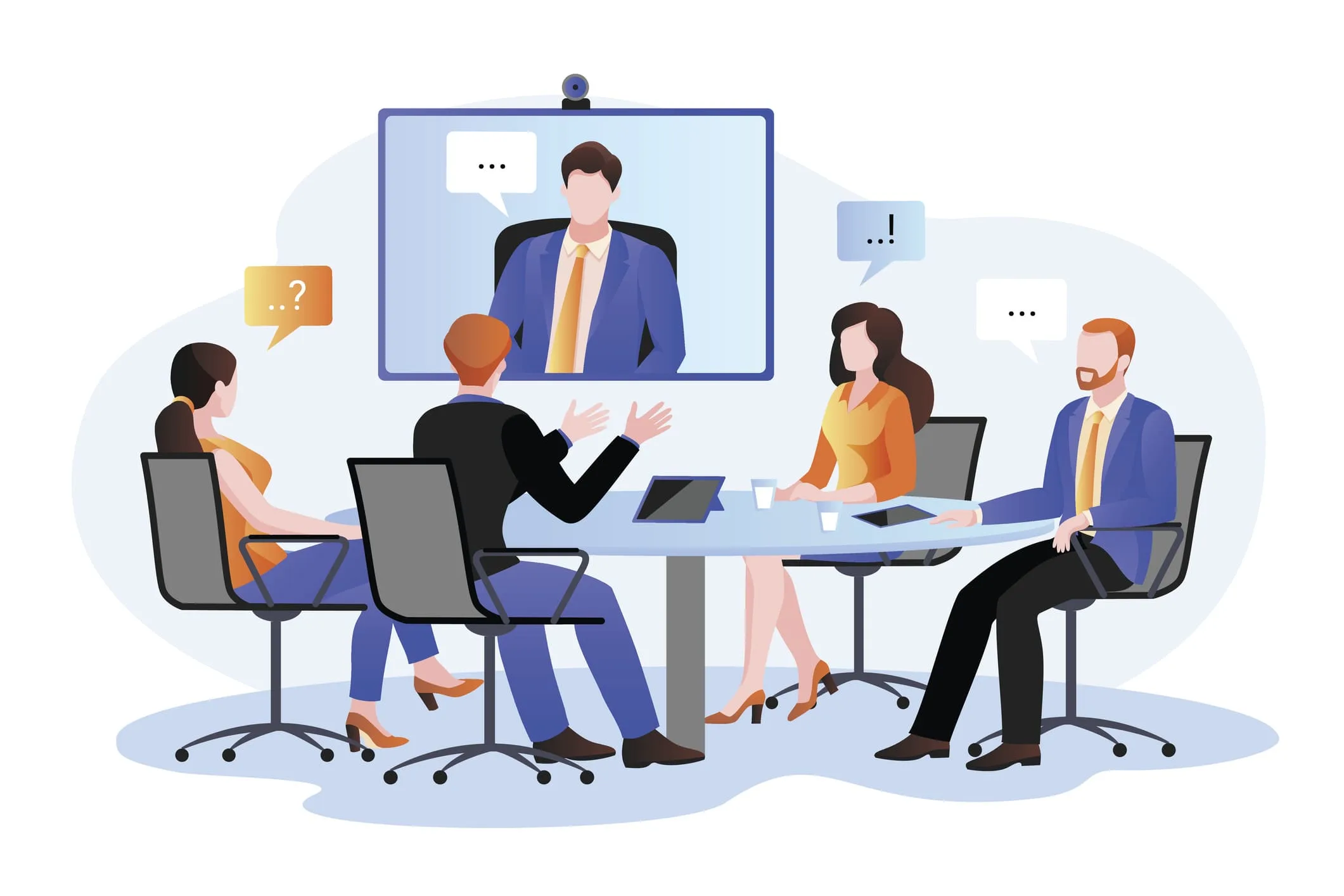
To coordinate and organize an effective meeting, the leader’s meeting facilitation skills are a prerequisite. However, the success of a meeting also depends heavily on human and environmental factors. Therefore, to improve meeting organization and facilitation skills, managers must know how to apply software technology to the meeting organization process to optimize the experience for attendees.
Understanding this, 1Office has developed a system to support process and work management for businesses. The 1Office software provides all-in-one synchronized features, allowing employees to communicate directly on the software with a dedicated internal network module. This provides businesses with the most effective and convenient solutions for managing and exchanging work anytime, anywhere.
This article from 1Office has provided readers with effective meeting facilitation skills. For a free consultation and a trial of the 1Office sales management software, please contact us using the information below.
9. Frequently Asked Questions
How to keep a meeting from going off-topic?
The facilitator should finalize the objective, stick to the agenda, and set time limits for each item. When a meeting has a clear structure, participants will find it easier to focus.
What should be done when there are too many opinions in a meeting?
The facilitator should group opinions by main issues, prioritize topics directly related to the meeting’s objective, and summarize each part before moving on to the next.
How to handle it when a participant goes off-topic?
The facilitator should gently interrupt and steer the conversation back to the main topic. For important but untimely points, they can be noted down to be addressed after the meeting.
How to help participants focus better in online meetings?
Is there any software that helps businesses manage and conduct meetings better?
Yes. If your business wants to manage meeting schedules, record content, compile minutes, and track post-meeting tasks all on one system, you can consider 1AI Meeting, part of the 1Office AI Agents ecosystem, which supports audio recording, speaker separation, content summarization, and converting meeting conclusions into tasks for easier tracking.
For more detailed information, please see:
- Hotline: 083 483 8888
- Fanpage: https://www.facebook.com/1officevn/
- Youtube: https://www.youtube.com/channel/UCeTIRNqxaTwk0_kcTw6SxmA
















