09/05/2026
  914 views
Bạn đang cần lập biên bản thỏa thuận bồi thường thiệt hại nhanh chóng, chính xác và hợp pháp? Trong bài viết này, 1Office sẽ tổng hợp 4+ Mẫu biên bản thỏa thuận bồi thường file Word, có thể dễ dàng điền thông tin, kèm hướng dẫn chi tiết, phù hợp với nhiều tình huống thực tế.
Mục lục
- 1. Biên bản thỏa thuận bồi thường thiệt hại là gì?
- 2. Cơ sở pháp lý của việc bồi thường thiệt hại tại Việt Nam
- 3. Các trường hợp cần lập biên bản thỏa thuận bồi thường
- 4. Detailed guide to drafting a compensation settlement agreement
- 5. Damage Compensation Agreement Record Template (Download)
- 6. Key considerations when drafting a compensation agreement
- 7. Frequently Asked Questions about Compensation Agreements
1. Biên bản thỏa thuận bồi thường thiệt hại là gì?
Biên bản thỏa thuận bồi thường thiệt hại là văn bản ghi nhận sự thống nhất tự nguyện giữa các bên liên quan (thường là người lao động gây thiệt hại và người sử dụng lao động) về mức độ thiệt hại, hình thức, số tiền và cách thức bồi thường. Văn bản này được lập bằng văn bản viết và có chữ ký xác nhận của các bên, nhằm chính thức hóa kết quả thương lượng.
Trong quan hệ lao động, biên bản thỏa thuận bồi thường có vai trò pháp lý quan trọng theo Điều 129 và Điều 130 Bộ luật Lao động 2019 (có hiệu lực từ 01/01/2021, vẫn áp dụng đầy đủ đến 2026):
- Là căn cứ xử lý trách nhiệm vật chất, đặc biệt khi người lao động gây thiệt hại về tài sản, thiết bị, dụng cụ hoặc tiêu hao vật tư vượt định mức.
- Phải đảm bảo không vi phạm pháp luật, tôn trọng nguyên tắc công bằng, cân nhắc lỗi, mức thiệt hại thực tế và điều kiện tài chính của người lao động.
- Có giá trị pháp lý như chứng cứ, cho phép thực hiện bồi thường mà không cần qua cuộc họp xử lý chính thức nếu các bên đồng thuận.
1.1. Ý nghĩa và tầm quan trọng trong giải quyết tranh chấp
Biên bản thỏa thuận bồi thường thiệt hại đóng vai trò then chốt trong việc giải quyết tranh chấp lao động một cách nhanh chóng, hòa giải và hiệu quả:
- Thúc đẩy hòa giải tự nguyện: Giúp các bên tránh phải thực hiện quy trình xử lý phức tạp theo Điều 71 Nghị định 145/2020/NĐ-CP, từ đó tiết kiệm thời gian và chi phí.
- Bảo vệ quyền lợi hợp pháp: Đảm bảo người bị thiệt hại (thường là doanh nghiệp) nhận được bồi thường kịp thời, đồng thời ngăn người lao động chịu mức bồi thường quá nặng, ví dụ tối đa 03 tháng lương cho thiệt hại do sơ suất không nghiêm trọng dưới 10 tháng lương tối thiểu vùng.
- Minh bạch, giảm rủi ro tranh chấp: Văn bản rõ ràng giúp hạn chế khiếu nại sau này tại cơ quan lao động hoặc tòa án; nếu xảy ra tranh chấp, biên bản là bằng chứng pháp lý quan trọng chứng minh thỏa thuận tự nguyện.
- Tăng cường quan hệ lao động: Thể hiện sự tôn trọng lẫn nhau, góp phần duy trì môi trường làm việc ổn định, hài hòa giữa người lao động và doanh nghiệp

1.2. Phân biệt với các loại văn bản khác
Dưới đây là sự khác nhau giữa biên bản thỏa thuận bồi thường và các văn bản dân sự khác như biên bản thương lượng hay hợp đồng bồi thường, giúp bạn nắm rõ chức năng và giá trị pháp lý của từng loại:
- So với biên bản thương lượng: Biên bản thương lượng chỉ ghi nhận quá trình thảo luận, ý kiến của các bên trong buổi họp, chưa có kết quả thống nhất cuối cùng. Trong khi đó, biên bản thỏa thuận bồi thường là văn bản chính thức ghi nhận kết quả cuối cùng, với cam kết cụ thể về bồi thường và hiệu lực thi hành ngay sau khi ký.
- So với hợp đồng bồi thường: Biên bản thỏa thuận bồi thường thường được lập sau khi thiệt hại đã xảy ra, tập trung vào khắc phục một sự việc cụ thể. Ngược lại, hợp đồng bồi thường (hoặc hợp đồng trách nhiệm vật chất) thường ký trước hoặc kèm hợp đồng lao động, quy định trách nhiệm chung, chi tiết dài hạn, mang tính dự phòng. Biên bản ngắn gọn, trực tiếp; hợp đồng có thể là phụ lục, quy định quyền – nghĩa vụ chi tiết hơn.
Việc lập và sử dụng đúng biên bản thỏa thuận bồi thường thiệt hại giúp doanh nghiệp và người lao động giải quyết trách nhiệm vật chất một cách minh bạch, hợp pháp, đồng thời giảm thiểu rủi ro tranh chấp kéo dài. Doanh nghiệp nên tham khảo ý kiến chuyên gia pháp lý để đảm bảo tính hợp lệ.
2. Cơ sở pháp lý của việc bồi thường thiệt hại tại Việt Nam
Dưới đây là các quy định pháp luật cơ bản về bồi thường thiệt hại mà các bên cần nắm khi lập biên bản thỏa thuận:
2.1. Quy định trong Bộ luật Dân sự 2015
Bộ luật Dân sự 2015 (BLDS 2015) là cơ sở pháp lý chính cho trách nhiệm bồi thường thiệt hại ngoài hợp đồng, quy định chủ yếu tại Chương XXIII. Các điều khoản này bảo vệ quyền lợi người bị thiệt hại do hành vi xâm phạm của người khác.
- Điều 584: Trách nhiệm phát sinh khi có hành vi xâm phạm quyền lợi hợp pháp (tính mạng, sức khỏe, danh dự, nhân phẩm, tài sản, quyền lợi khác) gây thiệt hại, trừ trường hợp pháp luật quy định khác.
- Điều 585: Nguyên tắc bồi thường: Toàn bộ, kịp thời, nhằm khôi phục tình trạng ban đầu; có thể thỏa thuận hình thức (tiền, hiện vật, khôi phục), mức bồi thường giảm nếu không có lỗi hoặc lỗi vô ý.
- Điều 589-593: Quy định chi tiết về xác định thiệt hại vật chất, sức khỏe, tính mạng, danh dự, nhân phẩm, với mức bồi thường tối đa dựa trên lương cơ sở.
2.2. Văn bản chuyên ngành liên quan
Ngoài BLDS 2015, một số luật chuyên ngành hướng dẫn chi tiết trách nhiệm bồi thường trong các lĩnh vực cụ thể:
- Luật Giao thông đường bộ 2008 (sửa đổi 2018): Bồi thường tai nạn giao thông về tài sản, sức khỏe, tính mạng; bảo hiểm trách nhiệm dân sự tham gia khi có.
- Luật Đất đai 2024: Bồi thường khi Nhà nước thu hồi đất hợp pháp, bao gồm giá trị đất, hỗ trợ di dời, ổn định cuộc sống.
- Luật Thương mại 2005: Bồi thường thiệt hại do vi phạm hợp đồng thương mại; bao gồm tổn thất trực tiếp và lợi ích bị mất.
- Luật Trách nhiệm bồi thường của Nhà nước 2017: Bồi thường thiệt hại do cán bộ nhà nước gây ra trong hoạt động quản lý công vụ.
- Các luật khác như Luật Bảo vệ môi trường 2020 hay Luật Chất lượng sản phẩm, hàng hóa 2007 cũng áp dụng nguyên tắc từ BLDS 2015.
2.3. Điều kiện phát sinh trách nhiệm bồi thường
Theo BLDS 2015 (Điều 584), trách nhiệm bồi thường phát sinh khi hội đủ 4 yếu tố:
- Thiệt hại thực tế: Vật chất (tài sản hư hỏng, mất thu nhập, chi phí khắc phục) và tinh thần (xâm phạm danh dự, sức khỏe, tính mạng).
- Hành vi trái pháp luật: Hành vi xâm phạm quyền lợi hợp pháp gây thiệt hại, bao gồm cả vi phạm hợp đồng.
- Có lỗi: Cố ý hoặc vô ý; một số trường hợp áp dụng trách nhiệm vô lỗi (ví dụ: thiệt hại từ nguồn nguy hiểm cao độ).
- Quan hệ nhân quả: Phải chứng minh hành vi trái pháp luật là nguyên nhân trực tiếp dẫn đến thiệt hại.
3. Các trường hợp cần lập biên bản thỏa thuận bồi thường
Dưới đây là những tình huống thường gặp khiến các bên cần lập biên bản thỏa thuận bồi thường thiệt hại:
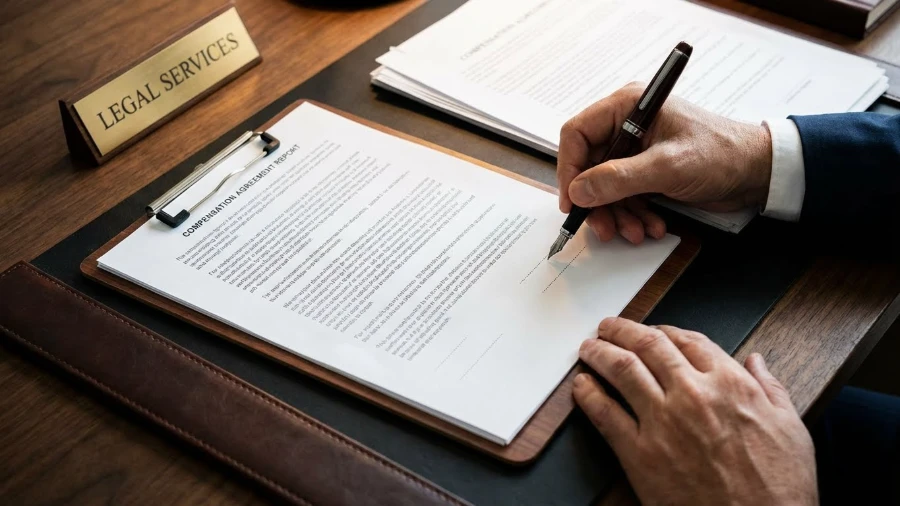
3.1. Bồi thường thiệt hại do tai nạn giao thông
Trường hợp phổ biến, đặc biệt với va chạm nhẹ hoặc thiệt hại rõ ràng. Biên bản thường lập ngay tại hiện trường hoặc sau khi xác minh, có công an hoặc nhân chứng chứng kiến.
- Thiệt hại sức khỏe, tính mạng: Chi phí điều trị, mai táng, mất thu nhập, bồi thường tinh thần (tối đa 100 lần lương cơ sở theo Điều 591 BLDS 2015). Các bên thỏa thuận cụ thể, bên gây thiệt hại cam kết chi trả, bên bị thiệt hại cam kết không khiếu nại thêm.
- Thiệt hại tài sản: Chi phí sửa chữa, thay thế hoặc giá trị hư hỏng (Điều 589 BLDS 2015). Biên bản ghi biển số, mô tả thiệt hại, mức bồi thường và phương thức thanh toán.
Biên bản giúp giải quyết nhanh, đặc biệt khi có bảo hiểm TNDS tham gia chi trả một phần.
1.2. Bồi thường thiệt hại về tài sản
Các trường hợp hư hỏng hoặc mất mát tài sản do hành vi cố ý hoặc vô ý thường được giải quyết bằng thỏa thuận, tránh tranh chấp kéo dài.
- Hư hỏng, mất mát tài sản: Nhà cửa, hàng hóa, thiết bị bị hư hại (ví dụ: ngập nước, va chạm vỡ kính, hỏng hàng hóa). Biên bản ghi chi tiết thiệt hại, chi phí sửa chữa, giá trị tài sản và mức bồi thường.
- Bồi thường khi trả lại tài sản: Trong quan hệ thuê, mượn hoặc giữ hộ, nếu tài sản hư hỏng hoặc mất mát, bên giữ tài sản bồi thường theo thỏa thuận, biên bản xác nhận tình trạng ban đầu và mức bồi thường bổ sung.
1.3. Compensation for damages due to breach of contract
In addition to penalties for breach of contract (Article 418 of the 2015 Civil Code, Article 302 of the 2005 Commercial Law), the parties can create a settlement agreement to record actual damages, especially for minor disputes or when a quick and amicable resolution is desired.
- Direct damages: Goods damaged due to late delivery, poor quality construction causing damage to the project.
- Indirect damages: Loss of expected profits due to breach of contract (Article 360 of the 2015 Civil Code).
The agreement should clearly state the damages, compensation amount, payment method, and a commitment to end the dispute.
1.4. Compensation for damages in other civil cases
In cases of infringement on personal rights or legitimate interests, a settlement agreement accompanied by a public apology is often created for a quick and transparent resolution.
- Infringement on honor, dignity, and reputation: For example, slander or insults on social media. The agreement records the amount of moral compensation (up to 10 times the base salary according to Article 592 of the 2015 Civil Code), a commitment to a public apology, and a promise not to re-offend.
- Damages from minor environmental incidents: For example, waste discharge causing personal pollution or crop damage. Strict liability applies (Article 602 of the 2015 Civil Code, 2020 Law on Environmental Protection), and the agreement specifies the damages and compensation amount.
- Damages related to private land: Disputes over encroachment, damage to property on the land, or transfer agreements causing damages. The agreement records the voluntary compensation amount between the parties (does not apply to state land acquisition under the 2024 Land Law).
Creating an agreement helps to quickly remedy the consequences, reduces the burden on the courts, and also serves as legal evidence if future disputes arise. The parties should record it clearly, have witnesses, and keep copies to protect their interests.
4. Detailed guide to drafting a compensation settlement agreement
A compensation settlement agreement has legal value similar to a civil transaction and can be used as evidence in court if a dispute arises. The drafting must be clear, detailed, and unambiguous to ensure its enforceability. Below is a step-by-step guide to creating the agreement.
Step 1: Fully identify the involved parties:
This introductory section is important for clearly identifying the subjects and ensuring the agreement’s legal validity.
- Information of the party causing damage (Party A) and the aggrieved party (Party B): Include full name, date of birth, ID/Citizen ID/Passport number, permanent/temporary address, and phone number. If it is an organization, include its name, tax code, head office address, and legal representative.
- Relationship between the parties (if any): For example: neighbors, owner – worker, buyer – seller.
- Witnesses or legal representatives: There should be at least two witnesses to increase objectivity. If a party is a minor or lacks civil act capacity, clearly state the guardian or legal representative.
This section helps to clearly define the rights and responsibilities of each party, forming the basis for the subsequent steps.
Step 2: Describe the incident causing the damage in detail:
This section aims to objectively record the events of the incident, serving as a basis for determining liability for compensation.
- Time and location: Record the exact date, time, and location of the incident (e.g., 3:00 PM on January 1, 2026, at XYZ Street, ABC District, Hanoi City).
- Cause of damage: Describe the act that caused the damage, stating whether it was intentional or unintentional, and which party accepts responsibility, if acknowledged.
- Supporting evidence: List photos, videos, police scene reports, assessment reports, cost invoices, or witness statements.
The description must be truthful and detailed to avoid disputes and provide a solid legal basis.
Step 3: Assess and determine the damages:
This is a crucial section for calculating the compensation amount, based on the principle of full compensation for actual damages (Article 585 of the 2015 Civil Code).
| Material Damage | Moral Damage |
|
|
Clearly list each item of damage with an estimated amount to serve as a basis for the agreement and record creation.
Step 4: Agree on the compensation amount and payment method:
This section records the results of the agreement, ensuring feasibility and transparency.
- Compensation amount: The total amount of money or specific items (e.g., 100,000,000 VND, including 70,000,000 VND for material damage and 30,000,000 VND for emotional distress).
- Payment method and deadline: A one-time payment upon signing the record or multiple installments with specific deadlines; by cash, bank transfer (specify account number), or in-kind.
- Late payment interest (if any): Applied as agreed, referencing the current legal interest rate (approximately 10%/year according to the 2015 Civil Code) if the obligation is not fulfilled on time.
Agreeing on the details of the amounts and payment methods helps prevent future disputes.
Step 5: Commitments and responsibilities of the parties:
This section confirms the obligation to perform and the termination of the dispute between the parties.
- Commitment to perform: Party A ensures full and timely payment; Party B confirms receipt and makes no further claims.
- Termination of dispute: After compensation is complete, the parties will not file a civil lawsuit or a criminal complaint (if there are signs of a crime but Party B voluntarily withdraws).
- Additional clauses: Confidentiality of information related to the incident; legal liability for breaching the record (additional compensation or contractual penalties as agreed).
Clearly recording commitments helps protect the rights of both parties and prevent future disputes.
Step 6: Signing and legal validity:
This section finalizes the record and confirms its legal validity.
- Number of copies: Usually made in 2 copies, with each party keeping 1 copy of equal legal value.
- Effective date: Effective from the date of signing; can be notarized/certified to increase its binding nature, especially for large amounts.
- Signatures: The parties and witnesses (if any) sign with their full names, including the date.
After signing, the parties keep the record and adhere to the agreement. A lawyer can be consulted to ensure legality. Creating a record helps resolve disputes quickly, amicably, and reduces the burden on the courts.
Detailed guide on the steps to draft a compensation agreement record
5. Damage Compensation Agreement Record Template (Download)
Below are damage compensation agreement record templates in Word format, ready to download and use:
5.1. General Template: Provides a standard record template, downloadable as a Word file
Instructions for using the compensation agreement record template
- Italicized sections: Replace with specific information for each case.
- Attach supporting evidence (photos of the scene, expense invoices, police reports, etc.).
- It is recommended to have at least 2 witnesses to increase legal validity.
- For large compensation amounts (>100 million VND) or cases involving health/life, it is recommended to have it notarized at a Notary Office or have signatures certified at the Commune/Ward People’s Committee.
- The template is suitable for most common cases: property damage, minor collisions, small civil disputes.
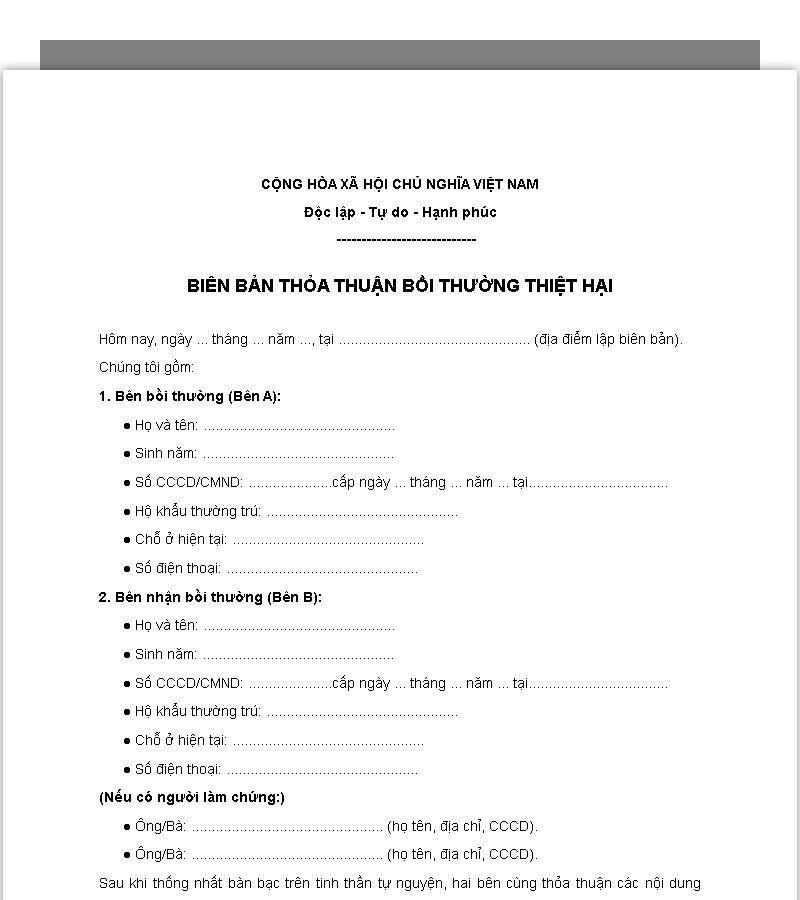
>>> Download the standard compensation agreement record template PDF file
5.2. Specialized Templates (with filling instructions)
(1) Traffic accident compensation record template
Instructions for filling out and using the record template
- Fill in the blank sections with actual information, describing the incident in detail to avoid disputes.
- Attach evidence: photos of the scene, investigation report (if any), repair invoices, hospital discharge papers, etc.
- It is recommended to have witnesses and fingerprints to increase legal value.
- For significant damages (serious injury or amounts >100 million VND), notarization at a Notary Office or certification at the Commune/Ward People’s Committee is encouraged.
- If the incident shows signs of a criminal offense, do not negotiate privately but notify the authorities.
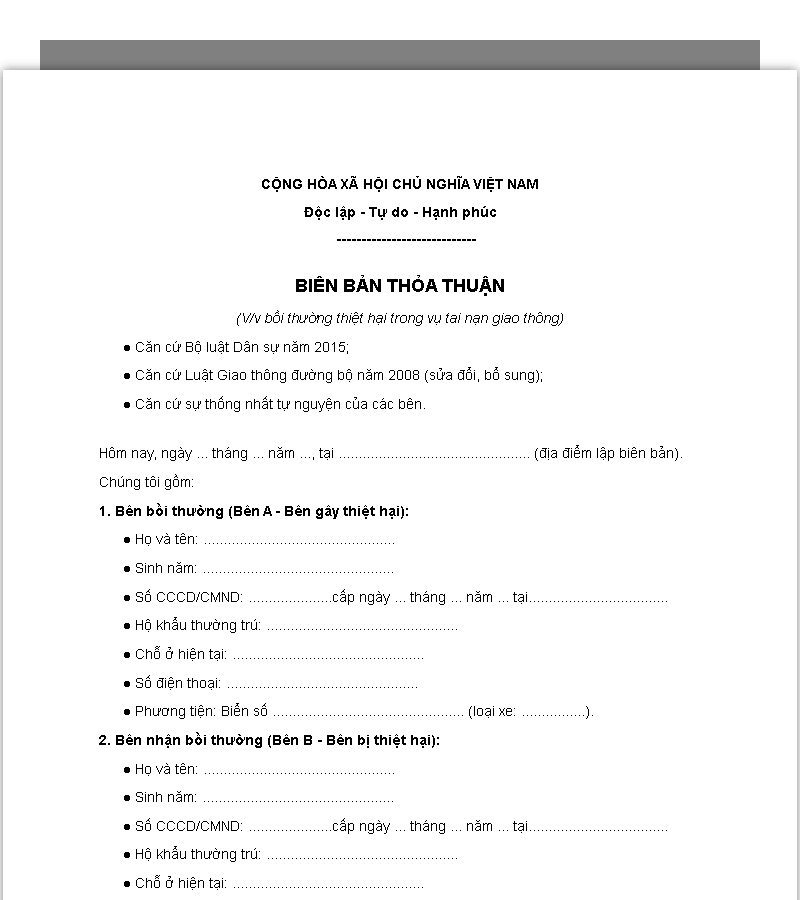
>>> Download the compensation agreement record template file
(2) Property damage compensation record template (e.g., damaged furniture)
Instructions for using the record template
- Describe the damaged property in detail and attach evidence: before/after photos, purchase invoices, repair quotes, etc., to avoid disputes.
- It is recommended to have at least 2 witnesses and fingerprints to increase legal value.
- For significant damages (over 100 million VND), notarization at a Notary Office or certification at the Commune/Ward People’s Committee is encouraged.
- The template is suitable for common cases such as damaged household appliances, goods in transactions, or minor collisions causing property damage.
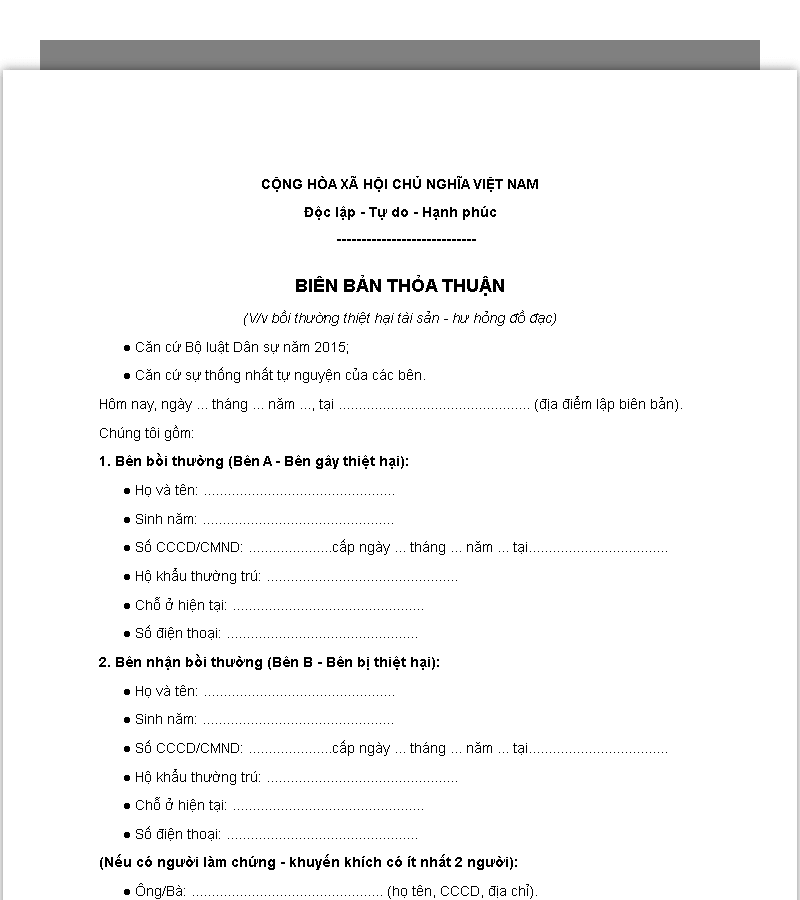
>> Download the property damage compensation agreement record template file
Instructions for filling out and using the land compensation record template
- Describe the land parcel in detail: parcel number, area, location, damaging act, and include evidence: Certificate of Land Use Rights, photos of the scene, crop inventory report (if any).
- Attach additional documents: land parcel map, crop price invoices, damage repair quotes.
- It is recommended to have witnesses and fingerprints or a seal to increase legal value.
- For significant damages or land use rights disputes, it is recommended to notarize at a Notary Office to ensure legal validity and prevent future disputes.
- This template does not apply to compensation for land acquisition by the State (under the Land Law).
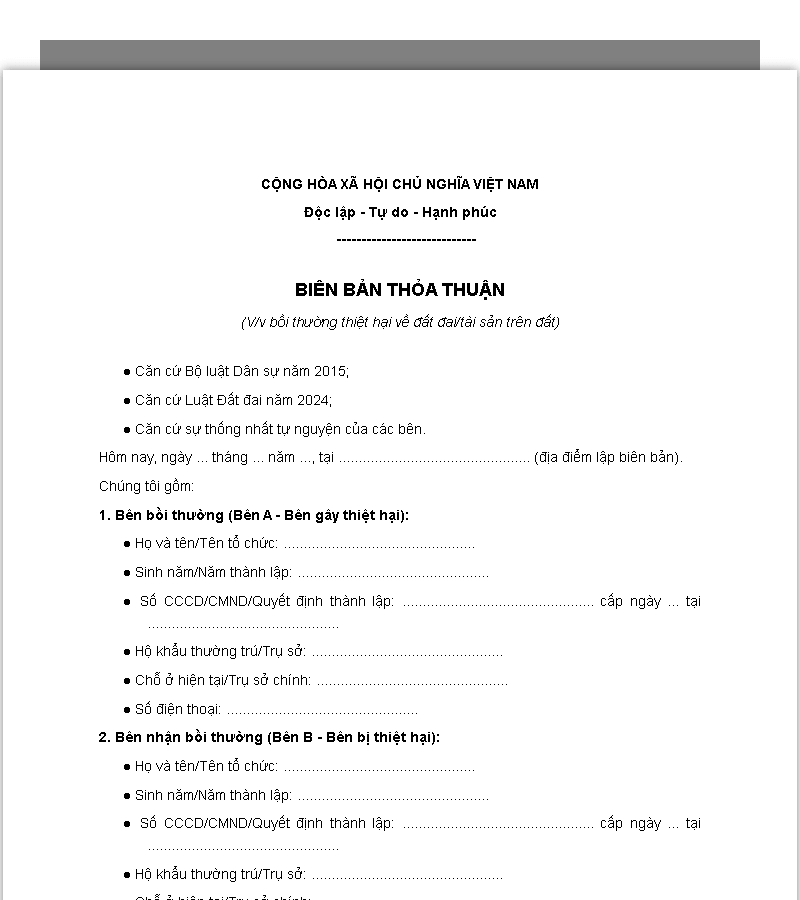
>>> Download the Land compensation agreement record template file
Note:
|
6. Key considerations when drafting a compensation agreement
A damage compensation agreement is a voluntary civil transaction that is legally valid if it complies with the law. However, the following points should be noted to avoid disputes or loss of rights:
Issue 1: Voluntariness and honesty
- The participating parties must be completely voluntary, equal, and act in good faith.
- There should be no coercion, deceit, or threats; if present, the agreement may be declared void by a court.
- The description of the incident and damages must be truthful; it is advisable to have a witness or draft the agreement at a competent authority.
Issue 2: Clarity and specificity
- Accurately record the amount, payment method, deadline, and each item of damage (material, moral).
- Avoid vague terms such as “adequate compensation” or “depending on the circumstances.”
- If there is interest for late payment, clearly state the rate according to the law (e.g., 10%/year).
Issue 3: Legality
- The content must not violate the law or social ethics.
- Do not agree to waive criminal liability.
- The compensation amount must be reasonable and not used to conceal violations.
- If it involves joint property, the consent of all relevant parties is required.
Issue 4: Sufficient evidence
- Attach photos of the scene, videos, invoices, quotes, police reports, and witness statements.
- Keep payment receipts or bank transfer statements.
- Notarize/authenticate the agreement to increase its legal binding force.
Issue 5: Pay attention to the statute of limitations
- The statute of limitations for filing a lawsuit to claim compensation is 3 years from the date the infringement of rights is known.
- Drafting the agreement early helps protect rights and avoid exceeding the statute of limitations.
Issue 6: Risks when no agreement is reached
- Do not force anyone to sign the agreement if they do not consent; the agreement will be void.
- The next steps could be: mediation at the commune/ward People’s Committee, an independent mediator, or filing a lawsuit in court.
- If the incident shows signs of a criminal offense, notify the police.
General note: A voluntary agreement helps resolve issues quickly, saves costs, and reduces the burden on courts. For complex cases or large sums of money, it is advisable to consult a lawyer before signing.

7. Frequently Asked Questions about Compensation Agreements
Question 1: Does a compensation agreement need to be notarized or authenticated?
According to the 2015 Civil Code, a compensation agreement is a voluntary document between parties and is not required to be notarized or authenticated. This document is still legally valid and can be used as evidence in court. However, to increase transparency, protect rights, and avoid disputes—especially for high-value compensation or property-related matters—it is advisable to have it notarized at a notary office or authenticated at the commune/ward People’s Committee to confirm the signatures and the content of the agreement.
Question 2: What should be done if one party fails to comply with the agreement?
A compensation agreement has the same value as a civil contract. If one party fails to comply, the other party has the right to:
- Send a written request to fulfill the obligation (which can be notarized or sent by post to serve as evidence).
- File a lawsuit at a competent court to demand enforcement of the compensation, including interest for late payment (if agreed upon or as stipulated by law).
- Request civil judgment enforcement once a legally effective verdict is issued.
According to the 2015 Civil Code (Article 360), the breaching party must compensate for all damages arising from the failure to comply with the agreement.
Question 3: Can the content of the agreement be changed after it has been signed?
Yes, a compensation agreement can be amended, or a new agreement can be drafted if all parties agree and sign to confirm.
Note:
- The amended content must not violate the law or social ethics.
- If the compensation amount is no longer appropriate (e.g., additional costs arise), the parties can request the court to adjust it.
A clear written amendment should be drafted to avoid future disputes.
Question 4: Is compensation in kind permissible?
Yes, the law allows for compensation in cash, in kind (replacing a damaged asset with an equivalent one), or by performing a specific task. If compensation in kind is not possible, the parties must pay in cash equivalent to the market value (depreciation may be deducted).
Question 5: Is damage compensation subject to tax?
Taxation depends on the type of tax and the nature of the compensation:
- VAT: Monetary compensation for damages does not need to be declared or paid.
- Personal Income Tax (PIT): Usually exempt if it is non-contractual compensation, for a work accident, insurance, etc.
- Corporate Income Tax (CIT): If the compensation is less than or equal to the actual cost of damages, it is not taxed; any excess amount is subject to corporate income tax.
With these Compensation Agreement Templates, you can quickly draft, store, and use them as legal evidence when needed, helping to resolve disputes favorably, quickly, and time-efficiently.