


 12/05/2026
  284 views
For businesses that need to store goods, establishing a warehouse management process is essential. When the warehouse operates according to this process, businesses will no longer have to worry about issues like long-term inventory or loss of goods. Let’s explore the goods dispatch process in more detail with 1Office to apply it to your business right away.
Mục lục
1. The Importance of Establishing a Goods Dispatch Process
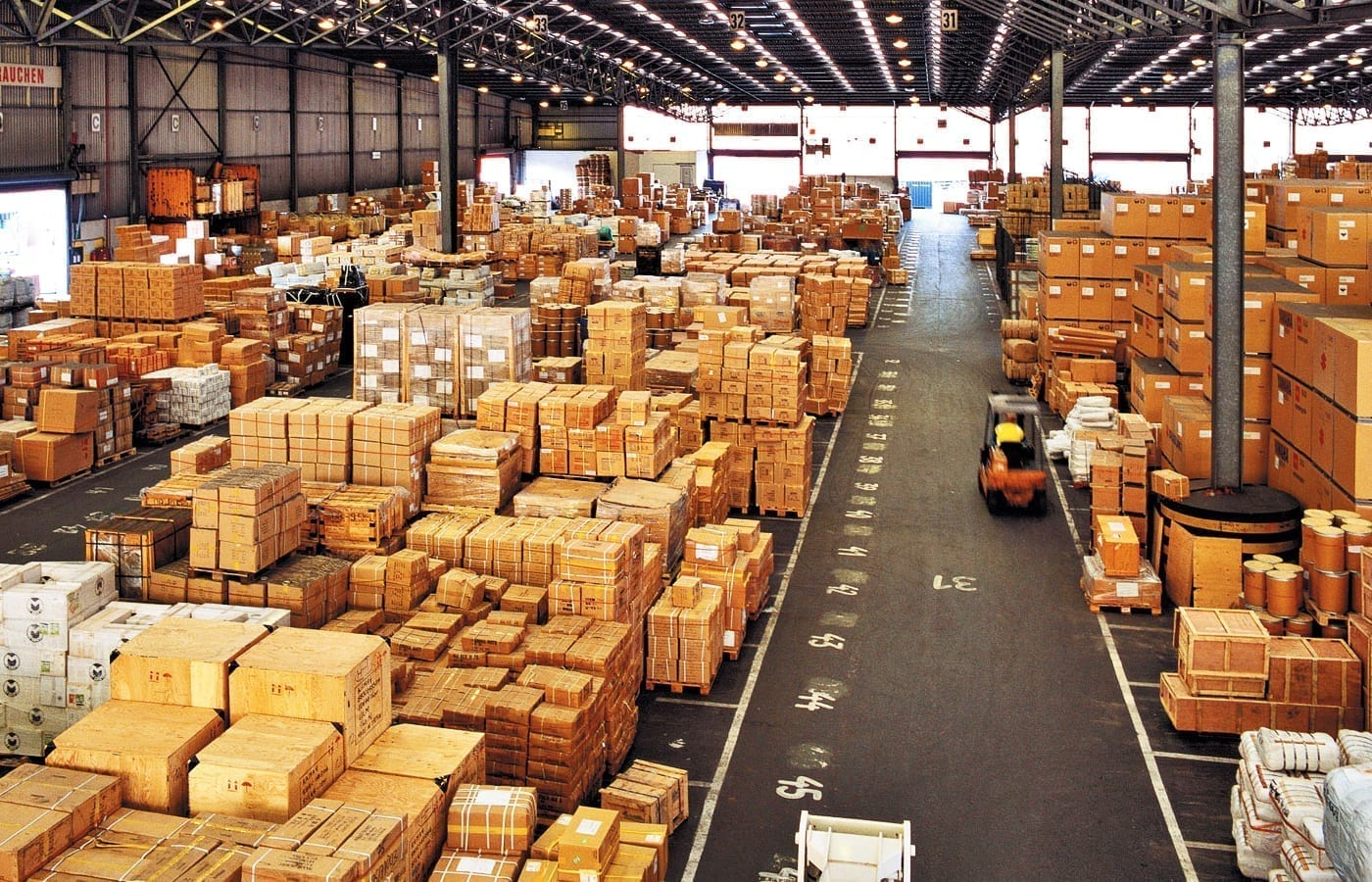
If a business does not establish a clear goods dispatch process, they may face the following main issues:
- Loss and shrinkage of goods: A lack of control will lead to the risk of goods being lost or unaccounted for, causing losses for the business.
- Reduced customer service quality: Customers may not receive their goods on time or as requested, leading to dissatisfaction and negatively impacting the business’s reputation.
- Increased costs and reduced operational efficiency: Inefficient inventory management can lead to wasted resources and increased costs, reducing the overall operational performance of the business.
Establishing a clear and effective goods dispatch process not only helps minimize the risk of goods loss, enhance customer service quality, and optimize costs, but is also a key factor in helping the business maintain stable and sustainable operations. Additionally, a good dispatch process helps the business comply with legal regulations, easily track and evaluate operational efficiency, and thereby promptly detect and resolve any arising issues. All of these contribute to building a solid foundation for the long-term development of the business.
2. The Standard 6-Step Goods Dispatch Process
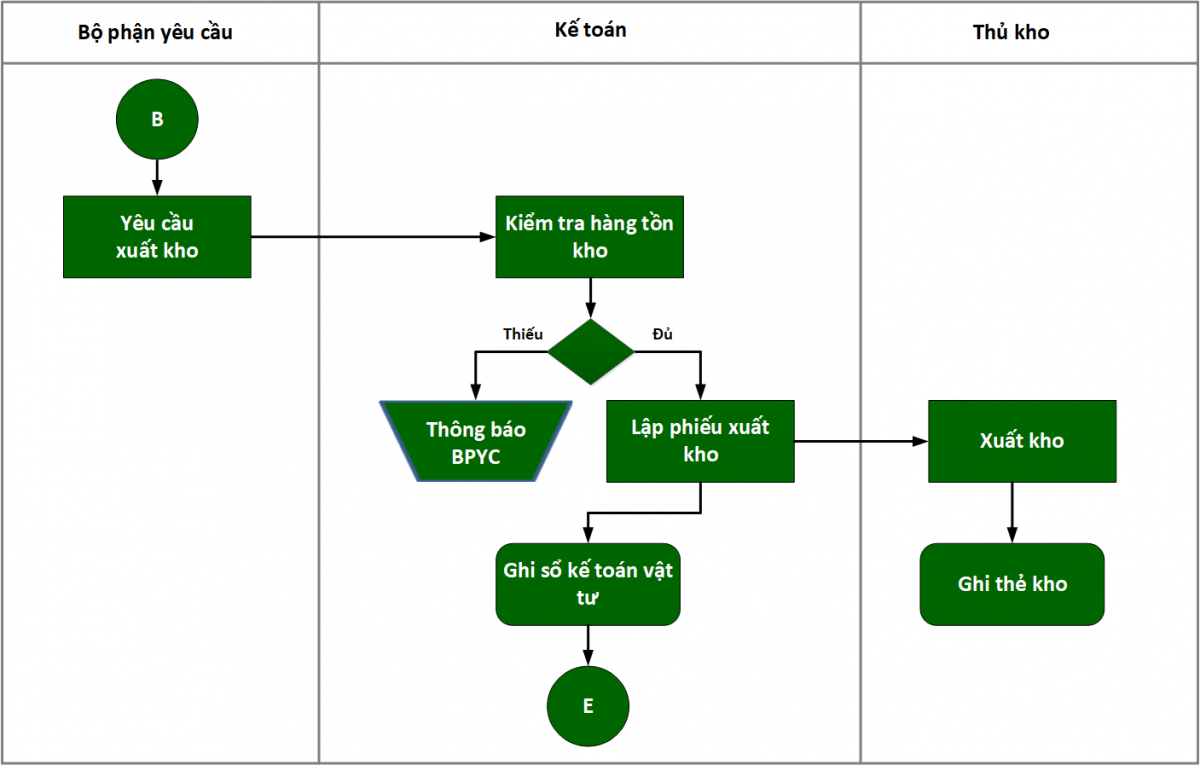
Step 1: Requesting Goods Dispatch
Relevant departments are responsible for creating a Goods Dispatch Request Form when needed. This form must be created by an authorized person, ensuring the dispatch request is appropriate and serves the general operations of the business. For example:
- For raw materials for production, the head of the production department creates the form.
- For finished products or commercial goods, the sales department is responsible.
This helps prevent unjustified requests and ensures that all dispatch activities serve the proper purpose and overall interests of the company.
Step 2: Approving the Goods Dispatch Request
After being created, the request form is sent to the appropriate management level for approval:
- Raw materials for production: Submitted to the director or the head of the Production Planning department.
- Commercial goods: The accounting or sales department can self-approve if authorized.
This ensures that the quantity of goods dispatched is necessary, avoiding waste or unnecessary shortages.
Step 3: Checking Inventory

The warehouse accounting department conducts an inventory check to ensure there are enough goods to meet the request. If a shortage is found, it is necessary to coordinate with relevant departments for timely resolution, such as:
- Importing additional goods of the correct quantity and type.
- Negotiating an extension of the sales contract if necessary.
Step 4: Creating the Goods Issue Note, Invoices, and Other Paperwork
The accountant creates a goods issue note based on the approved request form or sales invoice. The goods issue note is usually printed in at least 2 copies:
- One copy is kept in the book.
- One copy is given to the warehouse keeper to retrieve the goods.
Step 5: Dispatching Goods
The warehouse keeper prepares and arranges the goods according to the issue note. Before dispatch, it is necessary to check the quality and condition of the goods to ensure they meet requirements. If needed, assist with loading the goods onto the transport vehicle.
Step 6: Updating Dispatch Information

The warehouse accountant updates the dispatch data in the management software, while also recording the accounting entry and adjusting inventory levels. Periodically, the accountant and warehouse keeper must reconcile the figures to ensure accuracy, and promptly detect and handle any discrepancies.
Note: Tightly controlling the goods dispatch process not only helps optimize resources but also minimizes the risk of loss and increases the operational efficiency of the company’s warehouse.
3. Tips for Effectively Controlling the Goods Dispatch Process
To manage and control inventory dispatch effectively, businesses can refer to the experiences drawn from large enterprises as follows:
3.1 Perfecting the inventory dispatch process
Perfecting the inventory dispatch process helps businesses increase accuracy, minimize errors, and enhance customer service quality. Additionally, this process helps reduce costs, optimize resources, and comply with legal regulations.
A complete inventory dispatch process not only improves operational efficiency but also creates a solid foundation for the sustainable development of the business, ensuring timely responses to market changes and enhancing customer satisfaction.
3.2 Arranging the warehouse intelligently and scientifically
Applying barcodes or inventory tags
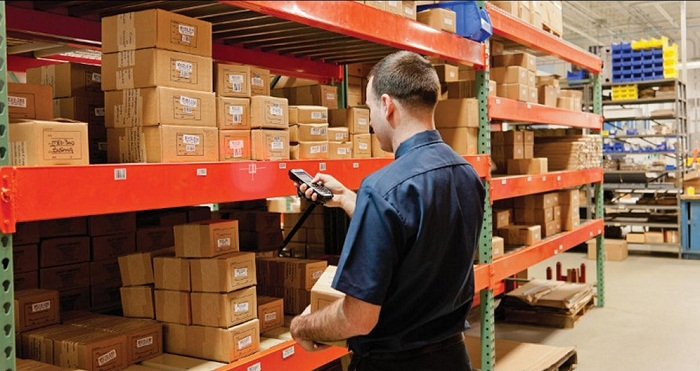
Applying barcodes helps increase accuracy, reduce errors, and improve inventory management. The stock-taking process also becomes faster, saving time and increasing efficiency. In addition, barcodes provide transparent information, making it easy to trace origins.
Planning storage locations
Each item needs a designated fixed location, shelves should be numbered and clearly labeled with signs. This not only helps employees find items easily but also maximizes storage space, especially in large warehouses or those containing thousands of different items.
One of the causes of inventory loss is allowing unauthorized personnel to enter the warehouse area. This poses a risk of theft, mistakes, or damage to the goods.
Solution:
- Only allow employees with relevant duties to access the warehouse.
- Equip staff with access cards and uniforms for easy identification.
- Incorporate this regulation into the warehouse management rules, ensuring strict enforcement.
3.4 Tightly manage import-export-inventory activities; conduct regular stock-takes
Periodic inventory checks are a necessary activity that helps businesses:
- Compare actual figures with reports.
- Detect errors promptly and handle them quickly.
- Review and classify damaged or deteriorated goods to devise appropriate handling measures.
Stock-taking activities not only enhance the effectiveness of warehouse control but also help businesses optimize the use of inventory.
3.5 Applying technology in inventory dispatch control
Applying technology is an inevitable trend in modern warehouse management. The 1Office CRM warehouse management software helps businesses:
- Tightly connect departments through an automated document system.
- Accurately track inventory by specific attributes: color, size, lot number, expiration date, etc.
- Flexibly calculate the cost of goods sold using various methods.
- Fully comply with regulations on documents and warehouse reports according to Circular 200 and Circular 133.
- Set material norms for production, calculate costs quickly.

Register for a free 1CRM Demo account!
To optimize the inventory dispatch process, the 1CRM module of 1Office provides an effective warehouse and sales management solution, helping businesses control inventory accurately and minimize errors. However, for smooth business operations, digitizing and automating inventory dispatch processes require support from work and human resource management tools. This is where 1Work and 1HRM by 1Office shine, delivering outstanding value to businesses.
1Work supports the digitization and automation of the inventory dispatch process through smart work management. Businesses can create dispatch notes, assign tasks, track progress, and check the status of goods in real-time. The integrated BI reporting feature provides a comprehensive overview of inventory and turnover rates, helping to detect and promptly resolve issues like shortages or surpluses. With 1Work, the steps in the inventory dispatch process are standardized, ensuring accuracy and saving time, thereby enhancing warehouse management efficiency.

Additionally, 1HRM optimizes human resources in warehouse management. This module supports the recruitment and training of warehouse staff, manages work schedules, provides automatic timekeeping via facial recognition, and evaluates performance through OKRs. The payroll feature, integrated with MBBank, ensures transparent salary payments, boosting work motivation. By building a professional operations team, 1HRM helps the goods dispatch process and inventory management become smoother and more efficient. Explore 1Work and 1HRM to elevate your warehouse management today!
—————————
The information above provides useful insights into the goods dispatch process, its importance, and effective control methods. We hope this information will help businesses better understand the process, enabling them to build suitable strategies and set the right direction for future development.
















