


 11/05/2026
  235 views
Selling to the wealthy is not just about providing a product, but also the art of building relationships and deeply understanding customer needs. Wealthy individuals often seek unique, luxurious, and high-value products, so understanding their psychology and tastes is crucial. To succeed in this field, salespeople need to develop excellent communication skills and strong persuasive abilities. Let’s explore with 1Office 10+ important principles to help you easily approach and win over this high-end customer segment!
Mục lục
1. Who are “the wealthy”? How to identify them?
When learning about the wealthy as a target audience, the first thing we need to do is identify their distinct characteristics. This not only helps you pinpoint the right customer group but also helps you build more effective sales strategies.

Outward Appearance
The wealthy often have distinctive signs in their style of dress and self-presentation. They typically choose high-end brands, custom-designed attire, or pieces from renowned fashion houses. Attention to detail in clothing and accessories is also a key identifying factor. Furthermore, owning expensive cars, luxury watches, or other lavish items is an indispensable part of their image.
Attitude and Communication Style
The wealthy often communicate confidently, politely, and get straight to the point. They listen more than they speak, focusing on the practical value of the product rather than dwelling on the price. Their language is concise yet meaningful, reflecting sophistication and decisiveness in their decision-making.
The wealthy often have relationships with entrepreneurs, investors, or famous individuals in their fields. They prioritize quality connections, appearing at exclusive events like exhibitions, auctions, or golf clubs. These relationships not only help them affirm their prestige but also expand opportunities for long-term collaboration.
2. The Shopping Habits of the Wealthy
Understanding the characteristics and shopping habits of the wealthy is key to building an effective sales strategy. The wealthy don’t just buy products; they seek special experiences. They love luxury stores and exclusive events like product showcases or VIP launches, where they feel celebrated. Additionally, they are often loyal to brands that have provided them with good experiences, which requires businesses to focus on maintaining long-term relationships and consistent service.
Furthermore, the wealthy always desire uniqueness and are willing to pay a premium for rare or customized products. This is an opportunity for sellers to design bespoke products with a personal touch, meeting their need for self-expression.
3. The Psychology of the Wealthy When Shopping
Once you understand the characteristics of the wealthy, the next step is to analyze their shopping habits and psychology. Grasping this will help you create more suitable sales strategies.
Prioritizing Experience
The wealthy don’t just shop; they seek experiences. They enjoy visiting luxury stores where they feel like they are participating in a special event. High-end brands often organize product demonstrations, showcases, or VIP events to capture their attention.
Loyal Customers
One of the prominent habits of the wealthy is their loyalty to the brands they love. Once they find a brand, they will continue to shop there if they have good experiences. Therefore, building long-term relationships with customers is crucial.

A Preference for Exclusivity
The wealthy often seek products that are exclusive or rare in the market. They want to feel like they are the sole owner of a particular item, and they are willing to pay more to achieve this. This creates an opportunity for you to develop unique products that stand out from the market.
See more:
- What is a Sales Strategy? 7 Steps to Build a Breakthrough Strategy
- The Basic 8-Step Sales Process to Double Employee Efficiency
- 5 Effective Selling Methods to Help Salespeople Become Best-Sellers
4. The Art of Selling to the Wealthy to Skyrocket Sales
Sell Value, Sell Experiences, Sell a Story
In any business transaction with wealthy customers, there’s one important sentence that anyone in sales must understand: Customers don’t buy products for their features or price; they buy because they like them and perceive the value the product brings. When wealthy people shop, it’s not just about acquiring material possessions, but also about experiencing differentiation, a sense of uniqueness, and the value the product offers.
You’ve probably heard a lot about expensive watches or luxury handbag collections. Do customers really care about features like the watch’s accuracy or the bag’s material? No, they buy them for the story behind them, for their scarcity, and because they represent their status and lifestyle.
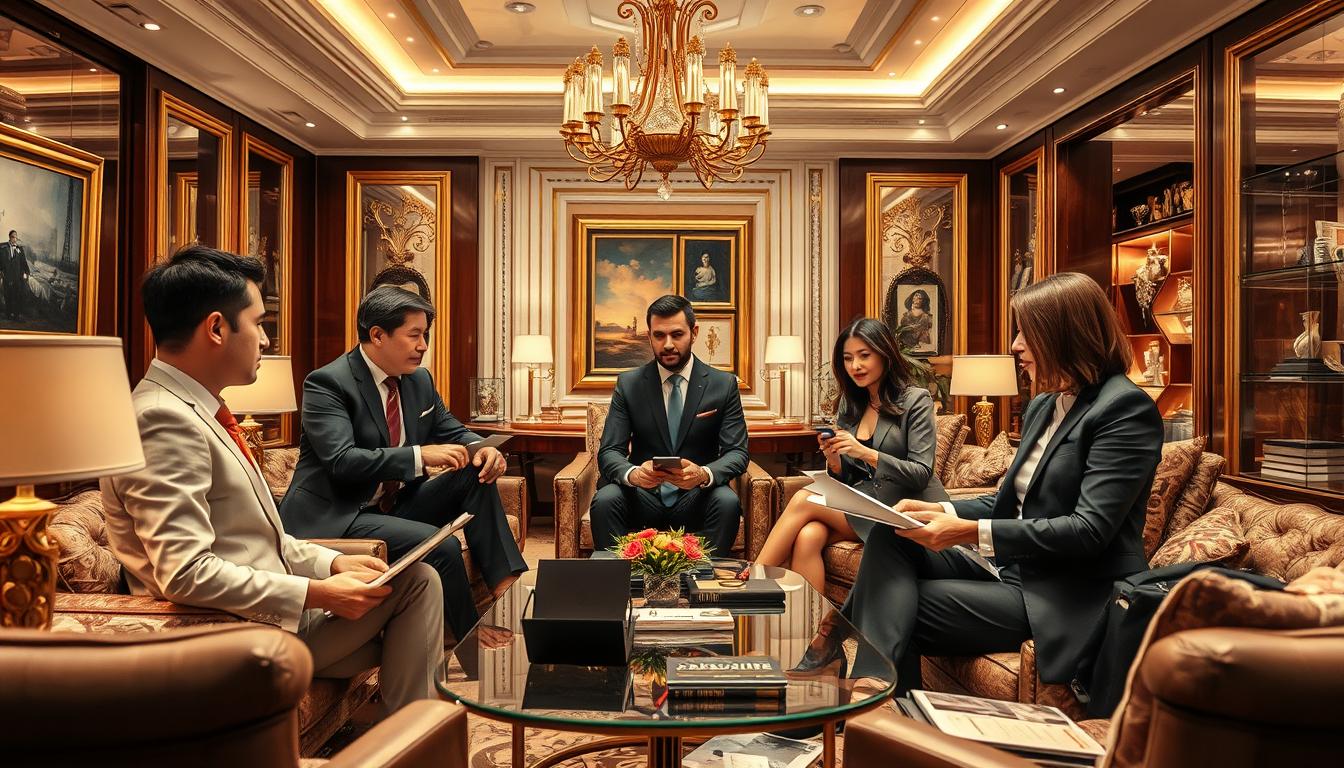
For example, when someone buys a Rolex, they aren’t just buying a watch to tell time. They are buying a symbol of success, a story of rising in life, of craftsmanship history, and the skill of artisans. Similarly, when a customer buys a Birkin bag, they don’t just buy it for the leather or the design. They buy it for the special feeling, for living in a story of exclusivity and luxury.
Therefore, when selling to the wealthy, you’re not just selling a product; you must know how to sell value and sell a story. Only when they see the connection between the product and these intangible values will they feel truly satisfied and willing to spend money.
Communicate sufficiently and correctly to win them over
One of the most important factors when selling to the wealthy is to communicate sufficiently and correctly to win them over. Wealthy customers, especially those with significant spending habits, are often very sophisticated in their communication. Therefore, to win them over, you must understand that communication is not about talking a lot, but about saying the right thing, saying enough, and saying it to the right person at the right time.
In communication, the first thing to pay attention to is listening. The wealthy, like anyone else, want to feel respected and cared for. So, instead of constantly talking about your product or service, take the time to listen to them. This will help you clearly understand their needs, preferences, and lifestyle, making it easier to offer suitable advice. Another important skill is respecting their personal space. Don’t rush them into a decision or pressure them to buy; this can create a sense of discomfort and coercion. Let them feel comfortable and in control of the decision-making process.

A useful communication tip is to use their language. Wealthy customers tend to use ‘specialized’ terms or concepts, so if you can communicate professionally and knowledgeably about areas they are interested in (such as art, investments, or luxury travel), you will easily build trust. Focus on sincerity and respect. Heartfelt compliments and sincere remarks about their success will help you build a good relationship.
Most importantly, always communicate at the right time and in the right way, ensuring the conversation revolves not just around the product but also around understanding and respecting the customer.
Be patient in building connections, don’t rush the process
One of the indispensable principles when selling to the wealthy is patience in building a connection. This is an art that very few people master, yet it is a crucial factor in determining your sales success. When selling to the wealthy, you cannot be hasty or ‘rush the process.’ High-end customers are not easily persuaded in a single meeting or phone call. They need time to build trust and feel secure in their decisions.
The reason is that wealthy individuals have often made significant financial decisions and are very cautious with their spending. They invest not only money but also in the long-term value the product provides. Therefore, you need to have patience to understand them, the values they are looking for, and to build a long-term relationship. This might involve monthly meetings, casual conversations about hobbies, or even consultation sessions that aren’t directly about the product. Certainly, the more time you give customers to engage and the more they feel your sincerity, the stronger the relationship will become.

A real-world example can be found in the luxury real estate industry. A real estate investor cannot decide to buy a multi-million dollar villa immediately. They need time to consider, evaluate, and feel whether the villa truly meets their requirements. During this process, the salesperson must always be by their side, ready to provide information, but without being pushy. Only when the customer feels comfortable and trusting will they be ready to sign the contract.
5. Strategies to Increase Success Rate When Selling to the Wealthy
Selling to the wealthy is a challenge that is not easy, requiring not only skill but also a deep understanding of their psychology, needs, and lifestyle. To increase your success rate, you need to apply clever and effective strategies. Here are the key strategies that can help you achieve this.
Create Scarcity and Elevate Product Value
Creating scarcity and elevating the value of a product is not just a marketing trick, but also reflects the true nature of the luxury items the wealthy seek: they need to have an intangible value that surpasses what the mass market can offer.
The wealthy don’t just look for products; they look for differentiation and a sense of exclusivity. An item that is too easy to own will no longer be appealing. They won’t feel proud to own it because, simply put, it doesn’t provide a feeling of being special. For a product to truly become a symbol of luxury, you must know how to create the feeling that it is not for everyone, but only for special people, customers who can afford it and derive the true value from that product.
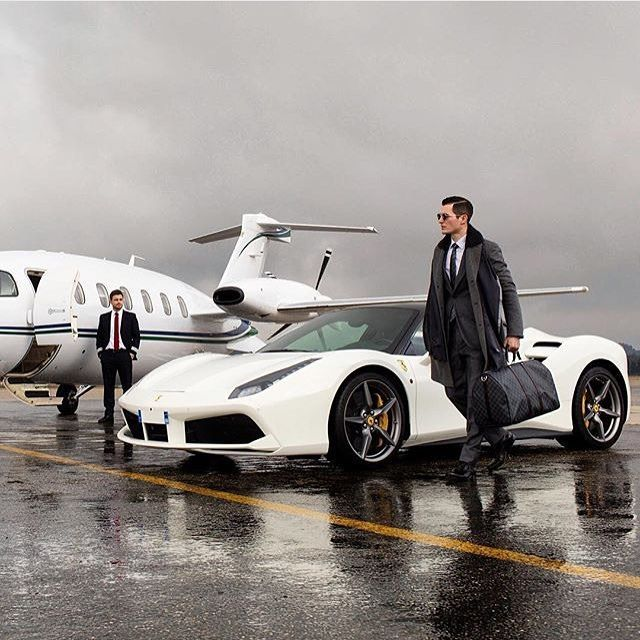
Consider luxury items like a Patek Philippe watch or a Bugatti car. These are not products that anyone can easily own. Patek Philippe, for example, only produces a limited number of watches each year, making the product extremely scarce and unique. This creates a sense of superiority, making the wealthy feel they are special when they own them. Every element related to design, materials, or engineering is meticulously perfected, but the most important thing is the scarcity and the feeling that “it can only be obtained if you are worthy.”
If a product is not scarce, it will lose its luxurious appeal and may even be considered mass-market, not valuable enough to serve as a foundation for the owner’s reputation and status. Therefore, creating scarcity and elevating product value is an indispensable strategy if you want to sell successfully to the wealthy.
Offer Exclusive Privileges for High-Spenders
Another important strategy when selling to the wealthy is to create exclusive offers and experiences specifically for high-spending customers. These customers don’t just want to own a product; they also want to feel prioritized and receive special care. They are not only looking for material value but also for recognition, an affirmation that they are special and deserve the best.
Providing special offers and exclusive experiences can be a key factor in increasing the success rate of selling to the wealthy. For example, a wealthy customer may not be interested in buying an item simply because it is beautiful or expensive, but if they know that the product is produced exclusively for a small group of people who can afford it, they will feel that the item is worthy of their status and lifestyle. Large companies, like Louis Vuitton or Chanel, always create limited-edition collections with a restricted number of products, reserved for special customers, thereby not only attracting customers but also building long-term loyalty.

Another clear example is high-end restaurants or luxury resorts offering special service packages for high-spending customers. These packages can include personalized services, VIP experiences that only high-paying customers can enjoy, such as having a private server, luxury car transportation, or even private parties. These experiences give the wealthy the feeling that they are receiving superior value, things that no one else can have.
In addition, after-sales service also plays an important role in maintaining long-term relationships with wealthy customers. They expect special care and priority in all matters, from warranties and customer care to product repair and maintenance services. For them, satisfaction comes not only from the product but also from the accompanying service, which makes them feel valued and served like royalty.
Use a Relationship and Referral-Based Approach
Reaching wealthy customers through relationships and referrals is an incredibly effective sales strategy. Wealthy individuals often trust products and services recommended by people they have done business with or from reputable connections within their community. This not only helps build trust but also creates a sense of security when shopping, as they believe the product has been vetted through reliable relationships.
A prime example is high-end brands like Rolex or Louis Vuitton, where VIP customers are often invited to private events, thereby increasing the likelihood of them recommending the products to their friends and family. Relationships within the affluent community can naturally expand sales opportunities without the need for massive advertising.
However, this strategy requires sincerity and patience. You are not just selling a product; you are also building long-term relationships, providing meticulous customer care, and demonstrating professionalism. Referrals from customers or partners can be a crucial bridge to reach this wealthy customer segment.
6. Conclusion
Selling to the wealthy is not just a commercial activity; it is an art. To succeed in this field, you need to thoroughly understand the psychology and needs of your customers, while also building a suitable sales strategy. We hope that with the information in this article, you will gain more useful knowledge to develop your business career.
















