10/05/2026
  191 views
Negotiation is a crucial skill in business, helping enterprises find common ground, protect their interests, and maintain long-term cooperative relationships. But what is negotiation, what are its characteristics, and how can it be applied effectively in practice? This article will help you understand everything from the concept to the forms, methods, and benefits of negotiation.
Mục lục
1. What is negotiation?
Negotiation is the process of interaction and discussion between parties to reach an agreement while resolving conflicts and addressing common interests. Initiated when differences or issues arise that need resolution, the negotiation process focuses on unifying the interests of the involved parties. Negotiations can range from brief bargaining sessions to processes that last for many years.
-

What is negotiation? 5 benefits of negotiation in business
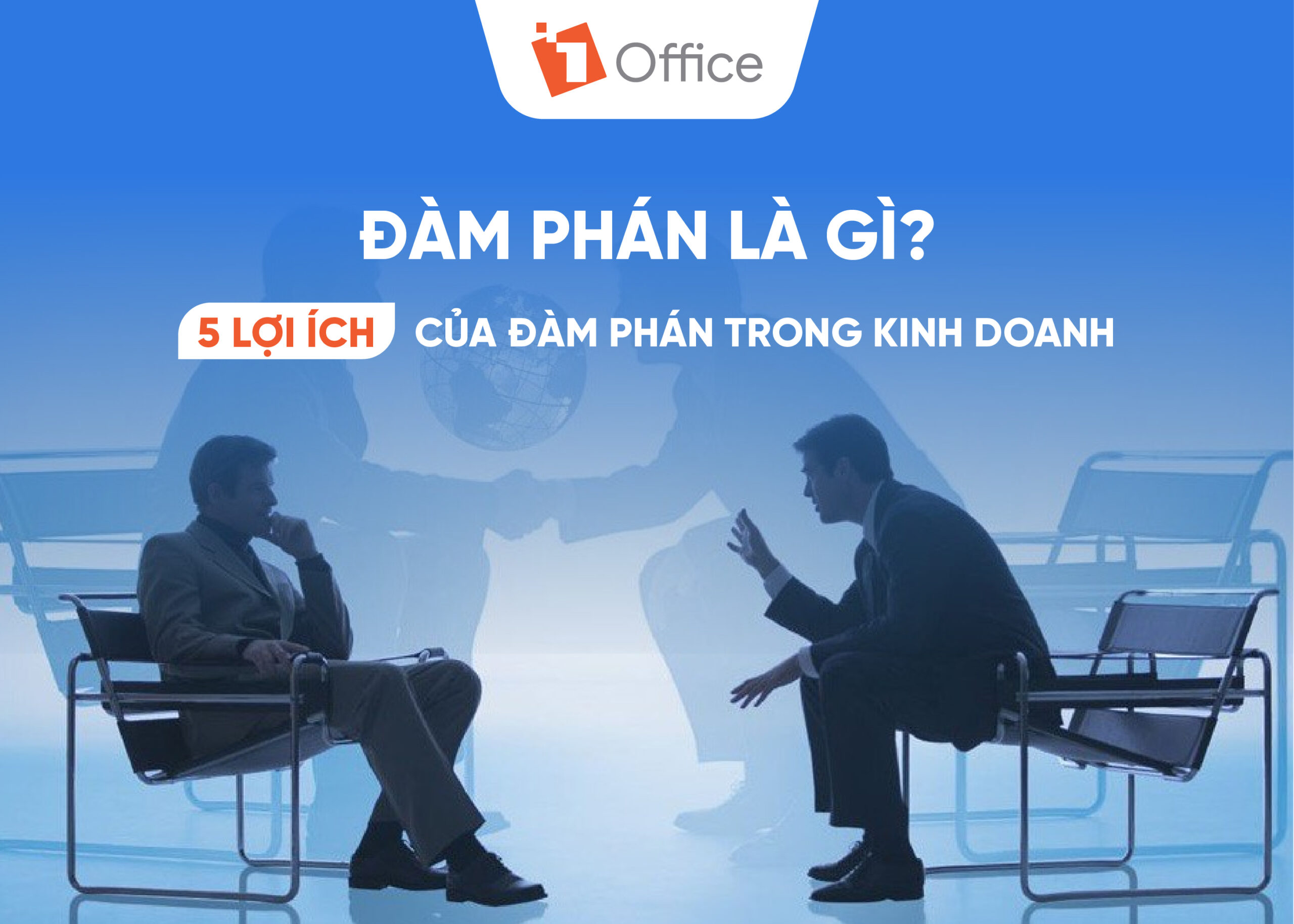
The goal of negotiation is to resolve conflicts of interest, which arise when parties seek common benefits but also face contradictions, conflicts, or opposing interests. During this process, all parties need to consider the interests of the other side, not just focus on their own individual benefits.
2. Characteristics of negotiation
Negotiation has the following key characteristics:
- Objective: Negotiation is conducted with the goal of reaching an agreement or resolving an issue. Each party may have different objectives, and achieving consensus can be the primary goal or depend on the specific situation.
- Bargaining: Negotiation involves a process of bargaining between parties. The parties present their viewpoints, demands, and interests, trying to find a common solution through information exchange and proposals.
- Dialogue: Negotiation requires the exchange of information and opinions between parties. Dialogue helps parties better understand each other’s perspectives, needs, and goals, creating conditions to find common ground and build an agreement.
- Two-way nature: Negotiation is an interactive process between two or more parties. Each party may have its own rights and objectives. The negotiation process aims to achieve consideration and compromise between individual and common interests.
- Flexibility: Negotiation requires flexibility and a willingness to change. Parties may need to adjust their positions and proposals to find a solution acceptable to both sides.
- Contrast: Negotiation often involves contrasting and conflicting viewpoints, goals, and interests between parties. This contrast can create pressure and challenges during the negotiation process, but it can also create opportunities to find creative and fair solutions.
3. Why is negotiation necessary in business?
According to a study conducted in the UK, it is estimated that businesses in the country lose about £9 million per hour due to a lack of negotiation skills. Based on this report, the conclusion is that with better negotiation skills, businesses could increase their overall profits by up to 7% annually.
-

Why is negotiation necessary in business?

Furthermore, the core objective of a negotiation is to achieve an optimal agreement for the organization. This means you are not only improving cost management but also optimizing profits. For example, if a leader successfully reduces investment costs by 10% through effective negotiation, this amount will directly increase the company’s profit margin.
4. Forms of negotiation in business
Negotiation is a diverse process with many different forms, serving the varied needs of businesses. With the constant changes in the business environment, the relationships between parties frequently move through different stages.
Negotiation can be divided into 2 basic forms, each with distinct benefits for the participating parties. They are:
- Win-Win negotiation
The final outcome of this form of negotiation is that both parties reach a decision that satisfies their interests without harming the other’s. Both partners are satisfied with the result and are willing to implement the joint commitments they have made.
Although there are differences and absolute consensus may not be achievable, both sides strive to find the best path for mutual benefit. While some points of dissatisfaction may arise, the overall outcome is still reasonable.
This form of negotiation is considered the most constructive. Win-Win negotiation allows each party to defend its position in a meeting based on common interests and a willingness to cooperate.
- Win-Lose negotiation
This type of negotiation often leads to a win-lose outcome due to the dominance of one party, which possesses a greater advantage over the other. In this situation, the negotiation process typically results in agreements that entirely benefit one side.
However, the Win-Lose model can create feelings of resentment and anger from the other party when they feel they are at a disadvantage. The negotiation can become tense and, in the future, may lead to reduced connection and interaction between the parties.
5. Basic negotiation methods
5.1 Negotiating transactions by correspondence
As a common negotiation method in business, transactions via correspondence are often seen as an important first step and help maintain long-term business relationships better than face-to-face meetings.
-

Negotiating transactions by correspondence

Advantages:
Cost-effective, decisions are made after careful consideration, and it’s possible to gather opinions from many participants. Correspondence also allows for simultaneous negotiation with multiple customers, and intentions can be skillfully conveyed through drafting letters.
Disadvantages:
The process is slow and can lead to missed opportunities, it’s difficult to grasp the customer’s true intentions, and there’s a lack of flexibility in handling situations.
With advancements in science and technology, especially when face-to-face meetings are difficult, negotiation via telex, fax, and other means has become popular. These methods are convenient and fast, allowing for attachments of explanations and notes without the risk of them getting lost. This could be a future trend.
When drafting, it’s important to be polite, accurate, prompt, and patient, adhering to standard correspondence etiquette to avoid misunderstandings. Experience shows that using correspondence in transactions can create a positive impression, and transactions with prior correspondence are often given priority over new customers.
=> Negotiation by correspondence is typically used for simple, small to medium-sized contracts.
5.2 Negotiating by phone
Today, with the continuous advancement of information and communication technology, negotiating by phone has become increasingly popular.
Advantages:
Saves time, ensures urgency and precise timing, and provides the ability to seize business opportunities quickly.
-

Negotiating by phone

Disadvantages:
High cost, especially unsuitable for many small businesses and small-scale negotiations. Business negotiations by phone do not create legal proof of agreements between parties. Therefore, phone negotiations are often combined with the use of telefax.
=> The phone negotiation method is often used to negotiate minor details in a contract or for simple, small-scale business contracts. The development of information technology has enriched the negotiation process in both content and form. A typical example is negotiation via the Internet. This is an ideal medium for communication, information exchange, and transactions. Internet negotiation allows for multilateral or bilateral negotiations with flexibility and global reach. This helps parties understand each other better, grasp the other’s needs, and reach business agreements.
5.3 Face-to-face negotiation meetings
The two previous negotiation methods may not yield the desired results. Because it is difficult for parties to thoroughly explain their viewpoints and accurately understand their partner’s expectations, achieving reasonable concessions becomes challenging. Transactions by correspondence or phone are only suitable for small-scale, non-complex contracts where parties can easily agree on the proposed terms. Correspondence and phone calls often serve as the initial step in the negotiation process. For large, complex contracts, thorough preparation is especially necessary before the official signing between the parties.
-

Face-to-face negotiation meetings

Traditional direct negotiation is the process of parties meeting face-to-face to discuss and agree on the terms of a contract.
Advantages:
During direct negotiations, parties have the opportunity to directly grasp the psychology and reactions of their counterparts through gestures, facial expressions, and body language. This allows them to explain and understand each other’s viewpoints and desires, creating conditions for detailed discussion and finding solutions that harmonize the interests of both sides.
The direct negotiation method often speeds up resolution and is sometimes the only way out for negotiations via correspondence and phone that have dragged on without achieving the desired results.
Disadvantages:
The direct negotiation method requires high costs for receiving, travel, and accommodation for the counterpart. When using this method, negotiators must be proficient in their field, have all necessary information prepared, and have a scientific negotiation plan. They also need to be flexible in handling unexpected situations. Organizing a direct negotiation requires selecting a suitable location and having an organizational plan for the negotiation.
=> This method involves high costs in both time and money, making it suitable for negotiating and signing large, complex contracts that require thorough discussion and detailed agreement between the parties before the official signing. To achieve success in business negotiations, the above methods should be used in combination and complement each other. When starting the communication process, negotiators should use correspondence. When details need to be confirmed quickly and promptly, businesses should use phone or electronic negotiation methods. And when a quick result is needed to conclude a prolonged negotiation, businesses should use the direct negotiation method.
6. Benefits of negotiation in business
6.1 Maintaining your own stance against various influences
In a negotiation, a strong leader must show determination and steadfastness in their position. The key principle is not to accept anything or any agreement that could diminish the company’s interests.
A professional negotiator will skillfully use their arguments to convince the other party of the value they will receive. They may also apply tact and transparency to resolve conflicts between the two sides.
These experiences help negotiators develop critical thinking and logical reasoning. This eliminates passive work habits and encourages more thorough preparation for all situations.
6.2 Presenting data in a persuasive manner
In negotiations, both you and the other party aim to persuade each other. If you are a professional negotiator, you will have the ability to:
- Clearly understand the partner’s strengths and weaknesses.
- Grasp the partner’s desires during the negotiation process.
- At the same time, clearly understand the goals your business is aiming for.
Collecting and understanding this information helps you identify points that can be conceded as well as non-negotiable conditions to achieve the final goal. This also gives you an advantage, helping you be more confident and steadfast during the discussion.
-

Benefits of negotiation in business

6.3 Ensuring suitable benefits for all participating parties
The benefit of a successful negotiation is a fair and upright agreement. If one party always has to suffer losses, the collaboration will be difficult to succeed.
Therefore, the negotiator needs experience and skills to protect the company’s views and interests while also ensuring that the interests of related parties are duly considered.
6.4. Accelerating the work process
In the business world, time plays a crucial role. This relates to the window of opportunity for a business to reshape its position in the market. Therefore, negotiations will help you optimize time, shortening the discussion process to quickly reach an agreement in business operations. An excellent negotiator needs to know how to negotiate quickly, without prolonging the process, while still ensuring the final effectiveness.
6.5. Maintaining good relationships between participating parties
This benefit of negotiation is often overlooked, but it opens up many new opportunities for the future. If the negotiation is conducted objectively, a successful agreement will create a solid foundation for future relationships.
Conversely, if an agreement is not reached and the negotiation is intense, it can lead to the destruction of the relationship between the parties. However, with an agreement reached harmoniously with fair costs and profits for both sides, the relationship can develop into a strategic partnership, accompanying the business’s growth.
7. Some notes on business negotiation
An important factor in the negotiation process is your gestures, attitude, and body language. According to studies, at least one-third of information is conveyed through the tone and expression of the negotiation participants. In particular, an optimistic expression and a positive attitude can quickly create a positive impression on the other party, helping you to conduct business negotiations successfully. However, the most important thing is an attitude of respect and concern for the other party, which will be reflected in your tone and expression. Let the other party feel your sincerity, respect, and seriousness during the negotiation process.
-

Some notes on business negotiation

One of the important skills when participating in business negotiations is the ability to listen carefully. Be considerate and maintain a balance between listening and speaking. Ensure that you have complete control over your actions and words. This helps you clearly understand your partner, their position, and their desires. Utilize all the knowledge you have to communicate effectively, as every word and action contributes to a better understanding of the other party. Apply questioning skills to encourage the other party to talk and ask detailed questions. Don’t forget to listen and take notes, as this will increase the effectiveness of the business negotiation.
To conduct a successful business negotiation, it is crucial to clearly define the objective and monitor it closely throughout the process. To achieve this, it is important to identify who will participate and to understand the personality traits of each member. Applying a suitable approach for each individual will make the negotiation smoother. Additionally, you need to know your objective clearly, because only by firmly grasping the objective can you achieve the desired outcome. Before starting the negotiation, try to break down the final objective into smaller goals and clearly define the content you want to discuss with the other party. The more specific the objective, the easier it will be for you to pursue and achieve the results you expect.
8. The professional business negotiation process
Negotiation is a core skill in business, helping enterprises achieve maximum benefits while maintaining long-term cooperative relationships. A professional negotiation process relies not only on personal finesse but also requires thorough preparation, strategic thinking, and flexible adaptability.
Below are 6 important steps in the professional negotiation process that managers and sales staff should master:
8.1. Preparation Before the Negotiation
The preparation stage is the foundation that determines 70% of a negotiation’s success.
Steps to take:
-
Define clear objectives: The business needs to clarify what it wants to achieve – for example, price, delivery time, contract terms, or long-term partnership opportunities.
-
Establish your walk-away point (BATNA – Best Alternative to a Negotiated Agreement): This is the best alternative if the negotiation fails. Knowing your BATNA helps you be more confident, avoid being pressured on price, or conceding too much.
-
Research the other party: Thoroughly learn about the other party’s scale, market share, strategy, and negotiation style.
-
Prepare data & supporting documents: Figures, reports, or real-life examples help increase persuasiveness and demonstrate professionalism.
8.2. Opening and Building Rapport
The opening stage determines the first impression and the atmosphere of the negotiation.
Key factors:
-
Create a friendly atmosphere: Start with light conversation, showing respect and a willingness to cooperate.
-
Establish ground rules: Clearly define the timeframe, main topics, and the desire to work towards mutual benefits.
-
Build trust: An open, honest, and listening attitude helps the other party feel at ease working with you.
Example: In international negotiations, understanding the other party’s culture (such as greetings, communication style, and level of directness) can help build a quick connection and avoid misunderstandings.
8.3. Presenting Proposals and Listening to the Other Party
When moving to the main content, present your proposal clearly, logically, and in a way that benefits both sides.
How to do it:
-
Present with a win-win approach: Instead of just saying “I need,” emphasize “this solution will benefit both parties.”
-
Use data and evidence: Specific numbers, real-life examples, or test results make the proposal more credible.
-
Listen actively: Ask – acknowledge – respond. When you correctly understand the other party’s needs and priorities, you can adjust your strategy to achieve better results.
8.4. Bargaining and Handling Conflicts
This is the most intense stage of negotiation, requiring flexibility, patience, and persuasive skills.
Principles to keep in mind:
-
Make strategic concessions: Don’t concede immediately; use concessions as “leverage” to gain other, more important benefits in return.
-
Control emotions: Avoid impulsive reactions, and maintain a calm and professional tone despite disagreements.
-
Find common ground: When conflicts arise, focus on shared goals instead of arguing about who is right or wrong.
-
Use the “strategic silence” technique: Sometimes, a few seconds of silence can prompt the other party to proactively make a concession.
8.5. Closing and Confirming the Agreement
An effective negotiation must have a clear outcome and specific commitments.
Steps to take:
-
Summarize points of agreement: Reiterate the main terms to avoid misunderstandings.
-
Confirm in writing: Whether it’s a memorandum of understanding (MOU) or a summary email, this helps ensure commitment and transparency.
-
Express willingness to cooperate: Thank the partner and propose the next steps, such as signing a contract, implementing a trial, or meeting again to finalize the details.
For example: A skillful closing statement like, “We believe this is the beginning of a long-term partnership between both parties,” both demonstrates vision and reinforces goodwill.
8.6. Post-Negotiation Evaluation and Improvement
Many businesses skip this step, even though it is a crucial stage for upgrading skills and strategies for future negotiations.
Actions to take:
-
Evaluate the results: Compare the achieved results with the initial objectives – in terms of value, time, terms, and the relationship.
-
Analyze strengths and weaknesses: Record the tactics that were effective and the lessons learned.
-
Share internally: Organize a debriefing meeting or update the company’s standard negotiation process.
Conclusion:
A professional negotiation process not only helps a business achieve economic benefits, but also builds reputation, image, and sustainable partnerships. Success in negotiation comes from thorough preparation, intelligent listening, and a strategic conclusion.
Negotiation ability is not just an important skill; it also plays a decisive role in the development of a company and business. Becoming a skilled negotiator is not always easy, but you can continuously improve by enhancing your knowledge and professional skills. Don’t forget to follow 1Office to stay updated with the most useful management and operational knowledge