


 10/05/2026
  173 views
Currently, case study templates are widely used in business marketing strategies due to their outstanding effectiveness in bringing products closer to customers. Sample case studies not only help prove the value of a brand’s image but also contribute to building trust and fostering customer loyalty. So, how can you create an engaging case study that increases conversion rates? Join 1Office to explore the 5-step process and see the most successful marketing case study examples in the following article.
Mục lục
- 1. What is a case study?
- 2. Why should you write a case study?
- 3. The outline of a case study
- 4. 5 Steps to Write a Case Study that Attracts 2X the Conversion Rate (+ Sample Case Study Examples)
- 5. Tips for creating a compelling case study
- 6. 5+ most successful marketing case study examples for 2026
- 7. How are case studies different from testimonials and success stories?
- 8. Frequently Asked Questions
1. What is a case study?
A case study is a real-life scenario describing how a business uses its products or services to solve a problem for its customers.
A case study provides a comprehensive look at the customer’s journey with a company’s product, starting from the “pain points” they face to how the company develops solutions to help them overcome their problems with specific results.
The purpose of a case study is to give readers an experience similar to that of your customers when using the product. A case study walks the reader through the difficulties and challenges they are facing, then presents a solution to the problem. This gives them a vivid, intuitive view of how your product works and the value it provides.
2. Why should you write a case study?
A case study is not just a story about a successful project; it is also a tool that helps businesses build trust, persuade customers, and demonstrate their practical capabilities. This is why every professional brand needs to invest in writing high-quality case studies.
Nurture customer loyalty
A case study not only creates an opportunity to interact with your customers but also helps reaffirm why they chose you and why they should continue to choose you. Reminding customers how you solved their problems helps nurture their love for the brand and their loyalty.
Boost sales
Case studies are an effective tool for the sales department to boost conversion rates and shorten the sales cycle. When using a case study during consultations, potential customers can easily relate to the story and desire a similar experience with the product. Therefore, a case study not only serves as a “testimonial” for the brand’s image but is also used as a key to accelerate the customer’s decision-making process.
Build customer trust
Reality shows that consumer trust in products advertised online is more “shaky” than ever. In 2020, only 14% of consumers said they believed that advertisements accurately reflected the quality of the product.
But that doesn’t mean they’ve lost faith in the products themselves. In fact, customers are just skeptical of how companies promote their products. That’s also why consumers today tend to trust reviews, testimonials, and third-party recommendations.
Therefore, case studies are the most effective strategy to demonstrate the true value that a business can bring to its customers. Case studies affirm the credibility and quality of products and services by leveraging “real people, real stories” from customers who have used the product. Once you have successfully “captured” consumer trust, the sales process becomes much easier.
3. The outline of a case study
| Title | A concise title that summarizes the product the customer used and the value your company provided. |
| Customer Introduction | Provide a general overview of your partner, including their industry, field, vision, and mission. |
| The Problem | Clarify the difficulties and challenges the customer was facing, as well as the factors preventing them from achieving their goals. |
| The Solution | Share how they found you, why they chose you, the solution they selected, and how it was implemented. |
| The Results | The results and benefits the customer achieved by implementing the company’s solution, supported by specific evidence and data. |
| Conclusion | Share testimonials, feedback from the customer, and the advice they have for other consumers. |
| Call-To-Action | Guide the reader’s action to increase the conversion rate. You can provide the business’s contact information and use registration buttons. |
4. 5 Steps to Write a Case Study that Attracts 2X the Conversion Rate (+ Sample Case Study Examples)
Step 1. Define the Goal and Topic
Before you start writing a case study, the first thing you need to do is define the goal for the article. Defining a clear goal will help the writer choose a suitable topic and develop the case study in the right direction.
A case study isn’t long enough to provide all the information about your product and business. Therefore, if you don’t want to “overload” the reader with information, the case study should focus on a single topic with a clear overall perspective.
Step 2. Choose a Customer to Collaborate With
Next, choose a customer – the “main character” of the case study – to feature their story.
When choosing a customer to collaborate with on the case study, consider the following factors:
- The customer’s level of product or service usage
- Their feedback and experience using the product
- The results the customer has achieved
- Their level of support and willingness to share their story
To get this information, seek support from your sales and customer care departments. They interact with customers daily and can suggest suitable candidates.
Step 3. Develop Interview Questions
A set of interview questions is how the writer can approach and gather information from the customer to use as material for the case study. If you know how to ask the right questions, you can collect “valuable” information and develop it into an engaging and attractive case study.
Below is a set of 15+ questions you can use in your interview:
| What problems were they experiencing? |
|
| What helped them make their decision? |
|
| How did your solution help them? |
|
| What results did they achieve? |
|
B4. Develop the case study content
Once you have all the necessary information from the client, it’s time to start developing the content for the case study. A well-crafted case study needs to closely follow the outline we provided above. Here is a specific example of the process for developing each section of the outline:
Title: A quality title needs to clarify
- Who is the subject?
- What was accomplished?
- What was the result of the collaboration?
Example:

Client Introduction: Clarify the industry specifics related to the client’s challenges, while also highlighting the values they pursue.
Example:
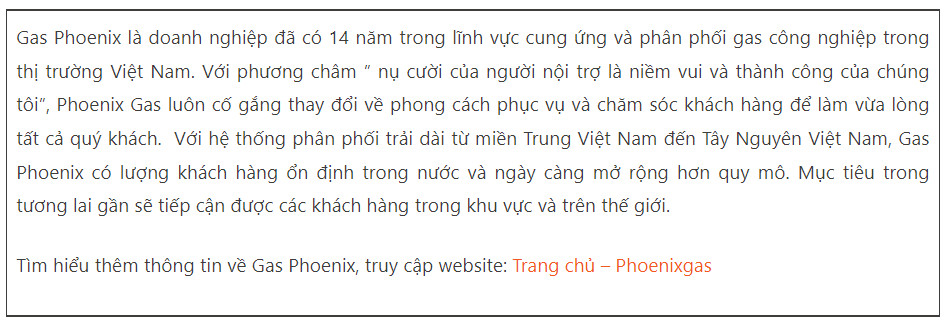
- The Problem: This is a crucial element to focus on when writing a case study because it addresses the client’s “pain points,” making it easier to create empathy with the reader. Additionally, delving deep into the client’s difficulties and challenges will help you emphasize the role and importance of your product/service in solving their problem.
Example:

The Solution: Now is the time for your product to shine! This section needs to clearly explain how your product/service solves the client’s problems, specifying these elements:
- How the client found the product
- Why they chose your product
The solution they selected - How the solution was implemented
To better visualize this section, refer to the following example:

The Results: To demonstrate the effectiveness of the solution, you need to clarify the changes the solution brought to the client. Specifically, in this section, share the results the client has achieved since they started using your product/service. This can be shown through their progress towards their goals, changes in the metrics they are tracking, and more.
Example:

Conclusion: Summarize the main points of the case study and connect them back to your company’s product/service. Also, provide additional necessary information to enhance the brand image through the client’s testimonial.

Example:
CTA: The CTA is the key to increasing customer conversion rates. After reading the case study, provide a way for customers to take a conversion action by contacting you.
Refer to the detailed case study sample above here:
Gas Phoenix chooses 1Office as a partner in its corporate digital transformation journey
In addition to closely following the outline to develop the case study, pay attention to the following while writing:
- In each section, include quotes from the client interview to increase authenticity
- Focus on the client and the results they achieved
- Use clear, easy-to-understand language, and limit the use of technical jargon
B5. Finalize & promote the case study
After you have a complete case study, the writer needs to send it to the client to get their approval. Next, distribute the case study across all your media channels to reach your target customers. An engaging and compelling case study can be more effective than any large-scale advertisement.
5. Tips for creating a compelling case study
Don’t let your case study be just a dry report. A few small tips on storytelling, presentation, and perspective can captivate readers from the very first lines.
Provide specific evidence
Don’t let your case study be filled with just words. Readers remember you most easily through images and numbers. Therefore, flexibly combining content with specific evidence not only makes the article more engaging but also enhances the authenticity of the case study. Some content you can use to make your case study more attractive and memorable:
- Images of the client, the collaboration process, the agreement signing ceremony, etc.
- Charts and diagrams illustrating the client’s growth after using the solution
- Videos of the product/service in use
Present in various formats
Videos, infographics, social media posts, or SEO articles can all be formats for a case study. Diversify the way you deliver case studies to customers to keep them from getting bored. Currently, video case studies are the most popular method chosen by many businesses because of the practicality, visual appeal, and vibrancy they offer. Remember that no matter what format you present the case study in, the content is still the most important factor in winning over customers.
Don’t try to be the main character
The customer is the center of the case study, so let them shine. Make them the “main character” in the case study by letting them tell their own story. The business plays the role of a supporting arm to help the customer overcome obstacles and achieve breakthrough success. Therefore, don’t get bogged down in advertising the product; instead, use a humble tone. This is the spirit that a successful case study aims for.
6. 5+ most successful marketing case study examples for 2026
If you have a clear understanding of the process for creating a successful case study, follow these successful marketing case study examples to shape your own writing style. These case study examples were created by 1Office in collaboration with outstanding clients who chose us to accompany them on their digital transformation journey.
These sample case studies have helped bridge the gap between 1Office and potential customers, while also affirming the position and value of the #1 business management software on the market.
7. How are case studies different from testimonials and success stories?
The three concepts “case study,” “testimonial,” and “success story” are all tools for telling stories about customer success – but each serves a different purpose.
A case study is an in-depth analysis that describes the context, problem, solution, and results in detail. It helps businesses demonstrate their capabilities, processes, and real value with specific data. For example, Airbnb once published a case study on optimizing the user experience: they found that customers tended to leave the page if room photos were not appealing enough, so they implemented a free professional photography service for hosts. As a result, the booking rate increased by over 40% – clear proof of a data-driven strategy.
In contrast, a testimonial is more emotional and personal. It is a brief statement from a real customer, expressing their satisfaction or the benefits they received. For instance, on Shopify’s homepage, the shoe brand Allbirds shares: “Shopify helped us reach $1 million in revenue in just 8 months.” – a simple but persuasive comment due to its authenticity and specificity.
A success story, on the other hand, is an inspirational narrative that focuses on the journey of overcoming challenges rather than on data. A prime example is LEGO, which was on the brink of bankruptcy in 2003, underwent a complete restructuring, and launched the LEGO Ideas community – where users submit new product ideas. This community engagement helped LEGO make a spectacular recovery and become one of the world’s largest toy brands.
In summary, case studies are analytical and demonstrative, testimonials are authentic and emotional, and success stories are inspirational and brand-building. Businesses should combine all three to strengthen their credibility, connect emotionally, and build lasting trust with customers.
This article from 1Office has provided readers with the most effective process for implementing a case study and successful marketing case study templates. We hope this information has provided a comprehensive view of a standard case study template and helped readers “pocket” some tips for writing engaging and effective case studies.
8. Frequently Asked Questions
How is a case study different from a testimonial?
A testimonial is usually a short comment from a customer. A case study is more detailed, clearly showing the context, problem, solution, and results achieved.
How is a case study different from a success story?
A success story leans towards telling an inspirational success narrative. A case study focuses more on data, the implementation process, and the real value the business has created for the customer.
When should a business create a case study?
A business should create a case study when it has real customers, clear results, and wants to use that content to increase credibility for marketing or sales.
Do small businesses need to create case studies?
Yes. Small businesses should especially create case studies if they want to build trust with new customers, especially when their brand is not yet strong or they don’t have many resources for large-scale communication.
Why do case studies help increase conversion rates?
Case studies help customers see real results, understand how the business solved the problem, and have a stronger basis for trust before making a decision.
For more details, please visit:
- Hotline: 083 483 8888
- Fanpage: https://www.facebook.com/1officevn/
- Youtube: https://www.youtube.com/channel/UCeTIRNqxaTwk0_kcTw6SxmA
















