


 11/05/2026
  11371 views
For any organization or business, administration plays a particularly important role in enhancing operational efficiency and creating a foundation for sustainable growth. However, effective business administration is a challenging task, requiring managers to have extensive knowledge as well as good management skills to solve many arising issues. So, let’s join 1Office to learn more about what business administration is, its methods, and the common mistakes of Startup businesses in this article.
Mục lục
- 1. What is business administration? The development stages of a business
- 2. Common mistakes businesses make in management and operations
- 3. 6 Key Components of Successful Business Management
- 4. Top 4 Outstanding Trends in Business Management Today
- 5. The Relationship Between Business Management and Organizational Culture
- 6. Comparing Business Management in Small Businesses and Large Corporations
- 7. Enhance business management efficiency with 1Office software
1. What is business administration? The development stages of a business
Business administration plays an important role in the development and success of a business organization. It involves coordinating, interacting, and focusing resources to achieve goals, optimize performance, and generate sustainable profits.

- What is business administration? 6 GOLDEN principles of business administration for Startups

1.1 What is administration? What is business administration?
Administration is the process of planning, organizing, directing, and controlling the activities of an organization or business to achieve set goals. Administration includes the coordination of resources and human personnel to ensure the highest efficiency and performance in the organization’s operations.
So, what is business administration? Business administration is the process of managing and operating a business or company. It involves strategic planning, organizational structuring, financial management, human resource management, marketing, production management, and other activities to achieve business goals and generate profit.
| >> Read more: Business Management Skills: Definition and Examples |
1.2 Corporate Governance Example
Zô Group is a company specializing in recruitment and human resource supply. Currently, the company supplies over 10,000 workers to more than 300 clients in all industries nationwide. With its expanding business scale and growing number of personnel, Zô Man company realized the need to optimize its operational methods and corporate governance to digitize record-keeping procedures, enhance work efficiency, save time, and increase flexibility in its operational management processes.
After researching various methods, Zô Man decided to use a comprehensive management software, specifically the product from 1Office. Currently, the business is completely satisfied with the technology solutions that 1Office provides, from digitizing records, personnel management, and work management to handling requests, forms, and operational management processes. This has helped enhance work performance, optimize operations, and has brought satisfaction to the company.
| >> Read more: Zô Group Kicks Off Implementation of 1Office Business Management Software |
1.3 How to Operate a Business at Each Stage of Development

- How to operate a business at each stage of development
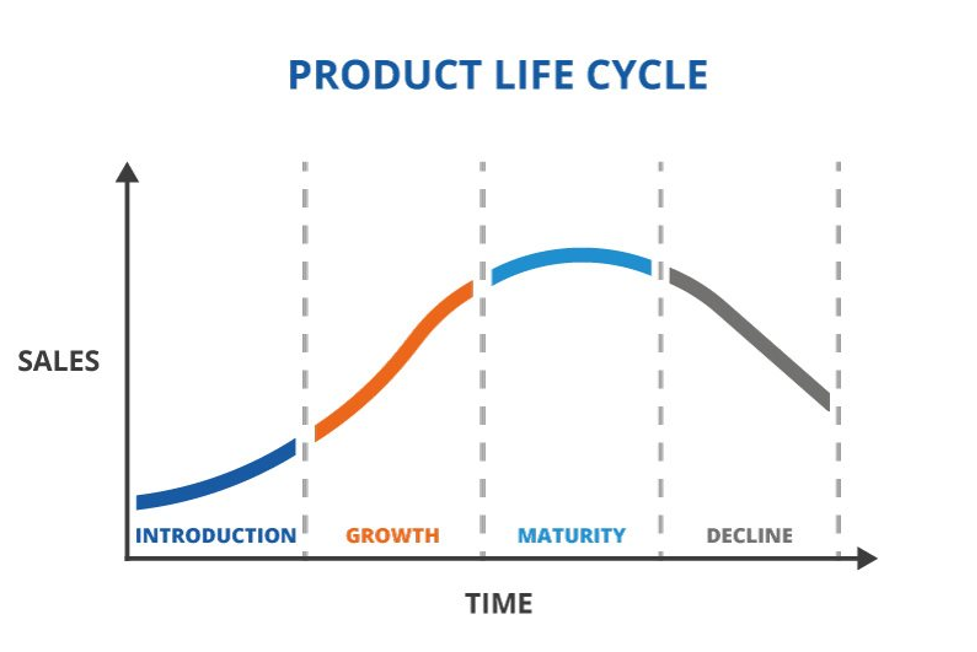
1. Startup Stage (Startup):
This stage begins when a new business is established and is looking for ways to create a new product or service. Operating a startup business often involves getting started, identifying potential markets, seeking funding, and building a team of employees.
2. Growth Stage (Growth):
When a business is in a period of growth and expanding its scale of operations, management during this growth stage often involves product development, market expansion, attracting more customers, and building management systems and human resources organization.
3. Maturity Stage (Maturity):
When a business has achieved stability in its operations, business management often involves maintaining and optimizing production, distribution, and financial management processes.
4. Decline or Restructuring Stage (Decline/Restructuring):
This is the stage where a business begins to face difficulties in its operations and needs to implement restructuring measures to improve the situation. During this stage, a manager’s work often involves re-evaluating the business model, cutting costs, and optimizing the organizational structure.
| >> Read more: Henri Fayol’s 14 golden principles of business management |
2. Common mistakes businesses make in management and operations
- Lack of a detailed plan:
This is a common mistake for newly established businesses that lack a detailed and clear plan for all activities. Startups often focus on product development while neglecting to create plans for business, marketing, financial management, and other administrative aspects. This can lead to poor decision-making, a lack of focus, and difficulty accessing investment capital.

- Classic mistakes of Startup businesses in management and operations
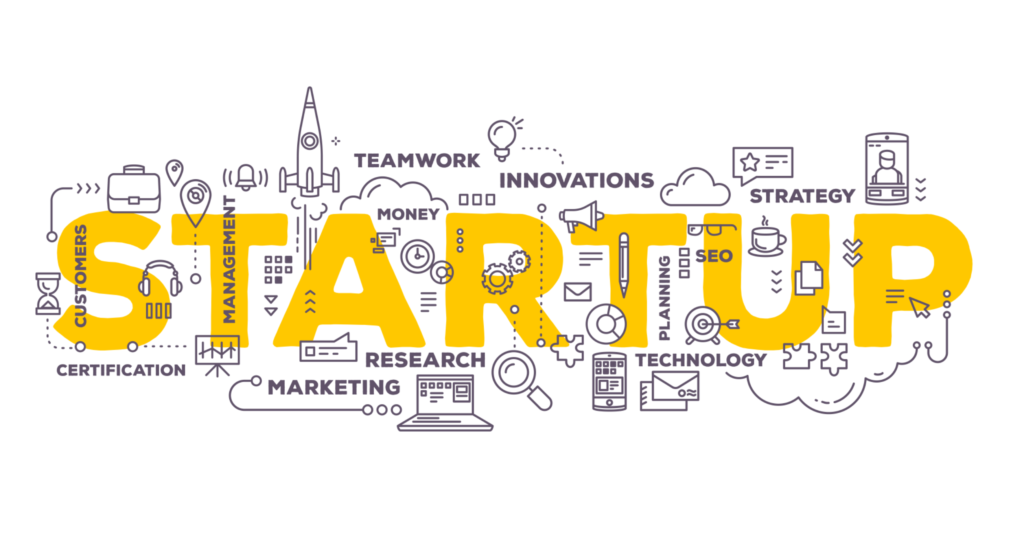
- Inadequate market research:
Another mistake is the lack of research and a clear understanding of the target market. Startups may be confident that their product is remarkable, but if there is no market demand or they fail to correctly understand customer needs, success will be very difficult. Researching the market, studying competitors, and listening to customer feedback are crucial for shaping a startup’s strategy and product development.
- Ineffective financial management:
This is a very common error in the management of Startups and businesses in general. Overusing capital or lacking a clear financial plan can lead to financial depletion and limited growth potential. Startups need a detailed financial plan and must track and control their financial resources to ensure stability and continued operations.
- Not building the right team:
A diverse, skilled, and dynamic team is crucial for meeting the business’s needs. Choosing unsuitable team members or those lacking the necessary skills can impact the ability to execute strategies and achieve goals.
- Lack of flexibility and adaptability:
Startups often face uncertainty and rapid changes in the business environment. However, a common mistake is the inability to adapt and be flexible in response to these changes. Businesses need to be ready to change and adjust their strategies and operations to meet market demands.
| >> Read more: 7 effective ways to manage a business in the 4.0 era |
3. 6 Key Components of Successful Business Management

- The most successful business management principles

3.1 Financial Management
Financial management is the process of managing and directing a company’s financial resources. It includes collecting and analyzing financial information, managing cash flow, financial planning, and managing financial risks. A skilled corporate financial manager will help the business maintain financial stability, enhance investment and development capabilities, and ensure the ability to repay debts quickly.
Some financial management principles that managers need to understand include:
- Organize financial resources in a detailed, clear, scientific, and systematic manner
- Manage income and expenses carefully and accurately (expenditures must be less than revenue)
- Effectively utilize existing capital to generate more profit (money makes money)
- Balance risk with performance and profit potential.
- Always have a contingency plan to minimize potential adverse situations.
3.2 Asset Management
Asset management involves managing and optimizing the use of a company’s assets. This ensures that assets are used efficiently, achieve maximum profitability, and minimize waste. Asset management includes tracking, maintenance, assessment and valuation of assets, planning for investment and replacement, and managing asset-related risks. Specifically, this includes:
- All fixed assets in the company must have their own set of records
- Fixed assets must be classified, numbered, and have individual tags for tracking
- Each asset must be managed by its original cost, accumulated depreciation, and remaining value on the accounting books
- For fixed assets that are not in use but have not been fully depreciated, the company must continue to manage and record depreciation.
- Manage fixed assets that are fully depreciated but still in business operations as regular fixed assets.
3.3 Project & Task Management
This is the process of planning, organizing, coordinating, and controlling activities within a specific project or task. This includes defining objectives, assigning tasks, creating plans, tracking progress, evaluating performance, and managing risks. Effective project and task management helps ensure that projects and tasks are completed on time, within budget, and achieve their set goals. Some project management principles include:
- Demonstrate management responsibility and leadership behavior
- Create a collaborative and positive environment for the project team
- Focus on value, navigate complexity, and optimize risk solutions
- Recognize, evaluate, and handle system interactions
- Adapt to the context, embrace adaptability and resilience
- Enable change to achieve the desired future state
3.4 Human Resource Management

- Human resource management in a business

This is a crucial process in managing and developing human resources within a company. It includes recruitment, training, performance evaluation, compensation, and employee development. Effective human resource management helps build a talented workforce, enhance employee satisfaction and commitment, and ensure the company has sufficient manpower to achieve its business goals.
- In a business, manage the work, not the people
- Focus on and leverage employees’ strengths
- Create a comfortable, encouraging environment instead of a critical one
- Listen to allow employees to express their views
- Have policies and compensation packages for each employee
3.5 Customer Management
This includes tasks such as: building customer relationships, meeting customer needs, providing quality service, and fostering customer loyalty. Effective customer management helps businesses increase customer satisfaction, strengthen customer relationships, and build a positive corporate image. These principles include:
- Establish positive relationships and build loyalty with customers
- Have special incentive and promotion programs for each customer segment
- Clearly understand and grasp their needs and desires to offer suitable solutions
- Use software to support customer relationship management
3.6 Risk Management
Risk management is the process of identifying, assessing, and managing potential risks in business operations, including classifying, measuring, mitigating, and accepting risks. Effective risk management helps businesses cope with negative impacts and seize positive opportunities in a rapidly changing business environment. Businesses need to:
- Anticipate potential risks that may occur in the near future.
- Define the role of each employee in the corporate risk management strategy.
- Invest wisely in tools that support business management.
| >> Read more: 6 steps to build a risk management process for businesses |
4. Top 4 Outstanding Trends in Business Management Today

- Current trends in Startup business management

1. Technology Application – The Rise of Artificial Intelligence (AI)
Technology, especially artificial intelligence (AI), is becoming a significant trend in Startup business management. Online software tools are being applied to enhance workflows, optimize operations, and provide reliable analytical information.
2. Success Driven by Employee Experience
Startup business management today focuses on building a favorable and creative work environment to attract and retain talent. Businesses concentrate on developing their staff by providing learning opportunities, personal development, and creating a desirable place to work.
3. Optimizing Processes, Simplifying Cumbersome Structures
Every business constantly seeks to optimize workflows and simplify cumbersome structures. This helps enhance efficiency, minimize waste, and create a flexible and effective work environment.
4. Measuring and Evaluating Performance Based on Data
Startup business management is increasingly focusing on measuring and evaluating performance based on digital data. By using technology and analytical tools, Startups can track and assess the success of their activities, thereby optimizing decisions and improving work performance.
5. The Relationship Between Business Management and Organizational Culture
Business management is inseparable from organizational culture – an element often described as the “soul” of a collective. If management is the system of rules, mechanisms, and methods that help a business operate, then culture is the glue that binds people together, shaping behavior and decision-making. These two factors not only support but also complement each other, creating a solid foundation for long-term development.
5.1. Organizational Culture Shapes Management Style
-
A business with a culture of transparency will promote a management style that favors open information, encourages employees to contribute ideas, and thereby enhances democracy in operations.
-
In a business that values a culture of innovation, managers need to adopt an open leadership style, empower employees more, encourage staff to experiment with ideas, and accept controlled risks.
-
With a highly disciplined culture, the management system will focus on process compliance and strict control, ensuring stability and efficiency in operations.
5.2. Business Management Maintains and Develops Culture
Beyond being influenced, management also plays a role in reinforcing and shaping organizational culture in a positive direction:
-
Through HR policies (recruitment, training, rewards, discipline), managers cultivate the core values the business desires.
-
Through operational mechanisms and internal communications, management helps spread a common spirit, creating unity in perception and action throughout the entire system.
-
Through the role-modeling of leaders, management helps reinforce behavioral standards, shaping employee conduct in line with the desired cultural orientation.
5.3. Synergy Creates Sustainable Value
Culture and management are two parallel pillars that interact with each other:
-
Culture guides the thinking and actions of the management team.
-
Management, in turn, provides the mechanisms and tools to maintain and develop the culture.
When these two elements are in harmony, the business will achieve:
-
A cohesive team, with trusting and aligned employees.
-
High work performance, thanks to a positive work environment.
-
A long-term competitive advantage, by having both an effective management system and a distinct cultural identity.
It can be said that business management and organizational culture are two sides of the same coin: one creates structure and systems, while the other provides inspiration and motivation. A harmonious combination will determine the sustainable success of the business in the market.
6. Comparing Business Management in Small Businesses and Large Corporations
Management in small businesses and large corporations differs fundamentally in scale, organizational structure, operating methods, and complexity. Understanding these differences helps managers choose the appropriate approach, thereby optimizing operational efficiency.
6.1. Management in small businesses
-
Lean structure, few hierarchical levels: Departments often handle multiple functions, helping to save costs and shorten processes.
-
Direct leadership involvement in operations: The head of the company often handles strategic planning, operational supervision, and decision-making.
-
Flexible and agile: Decisions can be made and implemented immediately, easily adapting to market changes.
-
Limitations: Lack of financial, human, and technological resources; management systems are not specialized; prone to dependency on key individuals (such as the business owner or founder).
6.2. Management in large corporations
-
Multi-layered system, clear hierarchy: Management is organized by levels, with a clear separation between strategic planning and operational execution.
-
Standardized processes: Management activities are carried out according to unified regulations and policies, ensuring consistency throughout the system.
-
Abundant resources: Capable of investing in technology, high-quality personnel, and large-scale projects.
-
Strict risk control: Thanks to established processes, management tools, and specialized teams.
-
Limitations: Prone to bureaucracy; a cumbersome apparatus makes decision-making slow and less flexible in response to rapid market changes.

In summary, there is no “absolutely better” management model; it depends on the specific scale and development goals. Managers need to clearly understand the strengths and weaknesses of each model to adjust their management approach accordingly, ensuring business efficiency and long-term competitiveness.
7. Enhance business management efficiency with 1Office software
To cope with potential risks in operational processes and the challenges of business management amidst the digital transformation trend, companies need flexible, adaptive solutions tailored to their business situation and market demands. Some of these solutions include using business management software to improve processes, investing in training and upskilling employees, and establishing good policies and benefits to retain staff and create organizational stability.

- Enhance efficiency with 1Office business management software
Applying technology – 1Office business management software is the most effective method to help businesses advance quickly and further while keeping up with trends in the 4.0 era. This software is used by many Vietnamese businesses to improve operational processes, enhance information management capabilities, save time and effort, and provide a comprehensive view of business activities. It features task and project management, human resource management, leave request management, sales management, and a CRM (Customer Relationship Management) system.
However, when choosing to use the 1Office all-in-one business management software, businesses need to consider factors such as the company’s scale, and the software’s flexibility and customizability to ensure it is a good fit. The article above has provided you with the concept of what business management is as well as important management content. If you want to learn more about our management software solutions, please contact us via:
- Hotline: 083 483 8888
- Facebook: https://www.facebook.com/1officevn/
- Youtube: https://www.youtube.com/@1office_toiuutunggiay
















