


 11/05/2026
  629 views
Liabilities are a crucial item on the balance sheet, reflecting the financial obligations a business must pay to various stakeholders. If you want to understand what liabilities are, what they include, and how they are classified and calculated, this article will help you quickly grasp everything from the concept of liabilities to more effective management methods.
Mục lục
- 1. What are Liabilities?
- 2. Factors Affecting Liabilities
- 3. Formula for Calculating Liabilities
- 4. Conditions for Recognizing Liabilities
- 5. What debts do businesses typically have to pay?
- 6. Liabilities in the 7 Most Common Business Models
- 8. Safe Accounts Payable Ratios by Industry
- 9. How to manage debt to avoid risks
- 10. Differentiating between liabilities and owner’s equity
- 11. Frequently Asked Questions about Liabilities Management (FAQs)
- 12. Conclusion
1. What are Liabilities?
Liabilities are a present financial obligation of a business, arising from past transactions, which the entity is obligated to settle using its resources (cash, assets, or services) in the future.

To optimize cash flow management, accountants typically classify liabilities based on their maturity dates and nature:
Classification by payment term:
- Short-term liabilities: Obligations that must be settled within 12 months or one operating cycle (e.g., employee salaries, taxes, supplier debts). This group of liabilities requires high liquidity to avoid reputational risk.
- Long-term liabilities: Debts with a payment term of more than one year (e.g., long-term bank loans, bonds). This group is often associated with investment plans and strategic financial leverage.
Classification by nature and counterparty:
- By nature of liability: Financial liabilities, trade payables, taxes payable, and other payables.
- By counterparty: Payables to sellers, payables to employees, payables to banks, payables to the state, etc.
- By origin of liability: Liabilities arising from operating activities, liabilities arising from investing activities, etc.
Managing this portfolio systematically helps businesses leverage legitimate appropriated capital while ensuring long-term financial security.
>> See more: Smart Capital Raising Methods for Building a Strong Financial Foundation
2. Factors Affecting Liabilities

- Scale of liabilities: This represents the total amount a business owes its partners, where financial capacity determines the scale of liabilities. If a business allows many invoices to be paid late, its scale of liabilities will be larger.
- Debt payment term: This is the period within which businesses must settle their liabilities. It is determined from the time the business signs a credit purchase invoice until that invoice is paid.
- Business policy: Businesses with a deferred payment purchasing policy typically have more liabilities than those with an immediate payment policy.
- Goods pricing policy: This is a factor agreed upon between the business and its suppliers. An attractive incentive policy will help the business settle its liabilities quickly, and vice versa.
- Business cycle: This is the period from when a business purchases raw materials and goods to when it sells products or services and collects payment. The longer the business cycle, the more working capital a business needs to finance its operations, often leading to higher liabilities compared to businesses with shorter cycles.
- Economic and political situation: This affects a business’s ability to raise capital. In a recessionary economy like the current one, it becomes more difficult for businesses to raise capital, which can lead to an increase in their liabilities.
- Exchange rate: When exchange rates fluctuate, businesses may face liabilities denominated in foreign currencies, leading to an increase in total liabilities.
3. Formula for Calculating Liabilities
3.1 Average Liabilities Formula
The average monthly total liabilities are calculated using the following formula:
| Average monthly liabilities = Total balance of the Total Liabilities account on the balance sheet at the end of each day / Total number of days in the month |
Note:
- This formula is applied to calculate the average total monthly liabilities of credit institutions and foreign bank branches.
- This total balance is calculated as the total amount that the business is obligated to pay to creditors at a specific point in time.
The average total liabilities for the accounting period is calculated using the following formula:
| Average accounts payable for the period = (Accounts payable at the beginning of the period – Accounts payable at the end of the period) / 2 |
Additionally, businesses can calculate the average annual accounts payable by summing the average accounts payable for all months of the year.
3.2. Debt-to-Equity Ratio Formula
The debt-to-equity (D/E) ratio is a crucial financial indicator that helps businesses assess their financial structure.
| Debt to Equity = Total Liabilities / Shareholder’s Equity |
This formula shows the percentage of equity that the business is using to finance its debts.
- High debt-to-equity ratio: Indicates that the business uses a lot of borrowed capital to finance its operations. This can lead to financial risk if the business is unable to pay its debts.
- Low debt-to-equity ratio: Shows that the business uses more equity to finance its operations. This reduces financial risk for the business, but may also limit its growth potential.
4. Conditions for Recognizing Liabilities
According to Vietnamese Accounting Standard No. 21 – Revenue and Other Income, a liability is recognized when the business has an obligation to pay another party a sum of money or other assets in the future, and that debt is likely to be settled.
Specifically, the conditions for recognizing liabilities include:
- The business has an obligation to pay another party a sum of money or other assets in the future. This obligation can arise from purchase contracts, loan agreements, labor contracts, etc.
- The debt is likely to be settled. This means the business has the financial capacity to pay the debt.
>> See more: Collection of the latest debt reconciliation minutes templates for 2023
5. What debts do businesses typically have to pay?
A business’s debt portfolio is very diverse, including financial obligations arising from daily operations to long-term investment plans, requiring strict classification to ensure solvency.
Below are the common liabilities in businesses:
<img class="size-large wp-image-39677" src="https://1office.vn/wp-content/uploads/2023/10/no-phai-tra-trong-doanh-nghiep-1024×683.jpg" alt="Types of liabilities
Short-term liabilities:
- Amounts payable to suppliers for goods and services.
- Amounts payable to employees for salaries, bonuses, insurance, etc.
- Amounts borrowed from banks.
- Amounts payable to tax authorities.
- Other short-term liabilities such as amounts payable to service providers, amounts payable to customers, etc.
Long-term liabilities:
- Amounts borrowed from banks or other financial institutions with a repayment period of more than one year.
- Amounts payable to suppliers for goods and services on an installment basis with a repayment period of more than one year.
- Liabilities arising from the business issuing bonds to investors.
- Amounts received from customers as deposits to guarantee the performance of sales contracts, service provisions, etc.
- Other long-term liabilities, such as amounts payable to service providers, provisions, etc.
Businesses need to closely monitor and manage their liabilities to ensure solvency and mitigate financial risks.
6. Liabilities in the 7 Most Common Business Models
Manufacturing Businesses
In the manufacturing sector, liabilities are not just financial obligations to suppliers. They are also a strategic tool that helps businesses maintain stable operations, especially amidst a volatile supply chain and constantly changing market demands.
1. The role of liabilities in the supply chain
Manufacturing businesses often have to import or domestically purchase raw materials, components, machinery, packaging, etc. Paying the full order value immediately can “lock up” cash flow early, affecting other activities such as paying salaries, marketing, or equipment maintenance.
By extending payment terms reasonably (e.g., 30–60 days), businesses can:
-
Maintain cash reserves to support continuous production.
-
Utilize the time to convert raw materials into sellable products, collecting payment before the debt is due.
-
Reduce the need for short-term bank loans, thereby saving on interest costs.
2. Strategy for negotiating accounts payable with suppliers
A common mistake is for businesses to accept default payment terms without negotiation. In reality, if you have a good partnership history and a reliable payment record, you can:
-
Negotiate longer payment terms during peak production seasons.
-
Request phased payments tied to delivery progress.
-
Combine mixed payment methods: pay a portion in cash, with the remainder via bank transfer after acceptance.
Example: A furniture manufacturing company signs a contract to purchase raw materials with a 45-day payment term, while their production and sales cycle only takes 30 days. This ensures the business always has cash reserves to import materials for the next order.
3. Risk management related to accounts payable
If not managed tightly, accounts payable can create liquidity pressure or damage credibility with suppliers. To reduce risk:
-
Classify suppliers by importance and prioritize on-time payments for strategic groups.
-
Use financial management software / ERP to track payment schedules and send alerts when due dates are approaching.
-
Maintain a safe short-term debt to current assets ratio, avoiding having assets “frozen” in inventory.
4. Applying technology to optimize accounts payable management
Today, many manufacturing businesses have adopted accounting software integrated with CRM or ERP to:
-
Automatically record purchase invoices.
-
Link data with the warehouse department to confirm quantity and quality before payment.
-
Generate cash flow forecast reports to aid in making reasonable purchasing and payment decisions.
Managing accounts payable in a manufacturing business is a balancing act between maintaining cash flow, ensuring continuous production, and preserving supplier relationships. When strategically planned and supported by technology, accounts payable is no longer a burden but becomes financial leverage, helping businesses optimize working capital and increase competitiveness.

Accounts payable of a manufacturing business
Retail Businesses
1. Specifics of accounts payable in the retail industry
Retail businesses often source goods from multiple suppliers with high frequency and a wide variety of products. Accounts payable acts as a “financial cushion,” helping to maintain a stable supply of goods while ensuring cash flow for other activities like marketing, renting space, or expanding sales points.
2. Optimizing capital turnover through accounts payable
When managed effectively, accounts payable can become financial leverage:
-
Sell all goods and collect payment before paying the supplier.
-
Utilize the “float” period between receiving goods and payment to turn over capital.
-
Reduce inventory risk by avoiding holding stock for too long, which freezes capital.
Example: A cosmetics chain negotiates a 45-day payment term, while on average, each product sells out in 25 days. This provides them with enough working capital to import new, trendy products without needing a bank loan.
3. Strategy for negotiating with and selecting suppliers
-
Choose partners with flexible return policies to reduce inventory risk.
-
Negotiate payments based on goods sold rather than the entire order.
-
Leverage large purchasing power to get preferential payment terms or price discounts.
4. Applying technology in management
- Use a POS system integrated with inventory management to track goods and payment deadlines for each supplier.
- Set up automatic alerts for low stock or upcoming payment due dates.
- Analyze sales data to forecast demand and plan optimal procurement.
 Accounts payable for retail businesses
Service Businesses
1. Specifics of accounts payable in the service industry
Service businesses typically do not need to procure large quantities of goods, but they have many recurring operating expenses such as office rent, software subscriptions, temporary staff, and marketing-communication costs. Most of these are recorded as short-term accounts payable, requiring strict management to avoid cash flow pressure.
2. Leveraging accounts payable to maintain service quality
-
Sign phased payment contracts with auxiliary service providers (design, advertising, content production, etc.).
-
Use post-payment methods for software or technology solutions to reduce initial cost pressure.
-
Allocate fixed costs based on actual cash flow received from customers.
Example: An event management company pays only 50% of the cost to the sound and lighting provider after the event is completed, instead of paying the full amount beforehand. This helps them maintain liquidity and reduce risk.
3. Financial risk management
-
Create a detailed cash flow plan to ensure funds are always available for on-time payments.
-
Prioritize payments to strategic partners to maintain reputation and long-term relationships.
-
Avoid signing contracts that exceed projected payment capacity, especially during peak seasons.

Construction Businesses
1. Specifics of accounts payable in the construction industry
The construction industry involves large contract values, long project durations, and heavy reliance on raw materials. Accounts payable primarily arise from subcontractors, material suppliers, and transportation services. Managing these liabilities is crucial for ensuring project progress and financial efficiency.
2. Benefits of effective accounts payable management
-
Maintain project progress without needing to inject capital too early.
-
Utilize the ‘buffer’ period between receiving payments from the client and the due date for paying suppliers.
-
Allocate capital reasonably across different project items, avoiding concentrating funds in a single item.
Example: A construction company signs a contract to pay for materials after 60 days, while the client provides a 30% advance on the project value at commencement. This allows them to purchase raw materials and cover labor costs without needing a short-term loan.
3. Supporting tools and solutions
-
Construction project management software to track progress, costs, and cash flow.
-
A contract management system to ensure strict adherence to payment terms.
-
Financial forecasting reports to help detect potential capital shortages early and plan timely responses.
 Liabilities of a construction company
Technology/Software Companies
1. Industry specifics
Technology companies, especially in the software sector, typically do not invest heavily in raw materials but have a high proportion of costs in technical personnel, research & development, server infrastructure, software licenses, and marketing. Liabilities often arise from outsourced services, deferred license payments, or contracts for maintaining technology infrastructure.
2. Strategic use of liabilities
-
Adjust payment schedules for infrastructure services to prioritize capital for product development and deployment.
-
Negotiate deferred license fee payments during the testing or market expansion phase to reduce capital pressure.
-
Implement performance-based payments for marketing or outsourced costs to ensure spending is tied to effectiveness.
3. Risk management
-
Set aside a budget to pay for essential items, avoiding disruptions to critical services.
-
Clearly agree on contract terms regarding penalties, access rights, and responsibilities for late payments.
-
Prioritize payments for core services before settling secondary accounts.
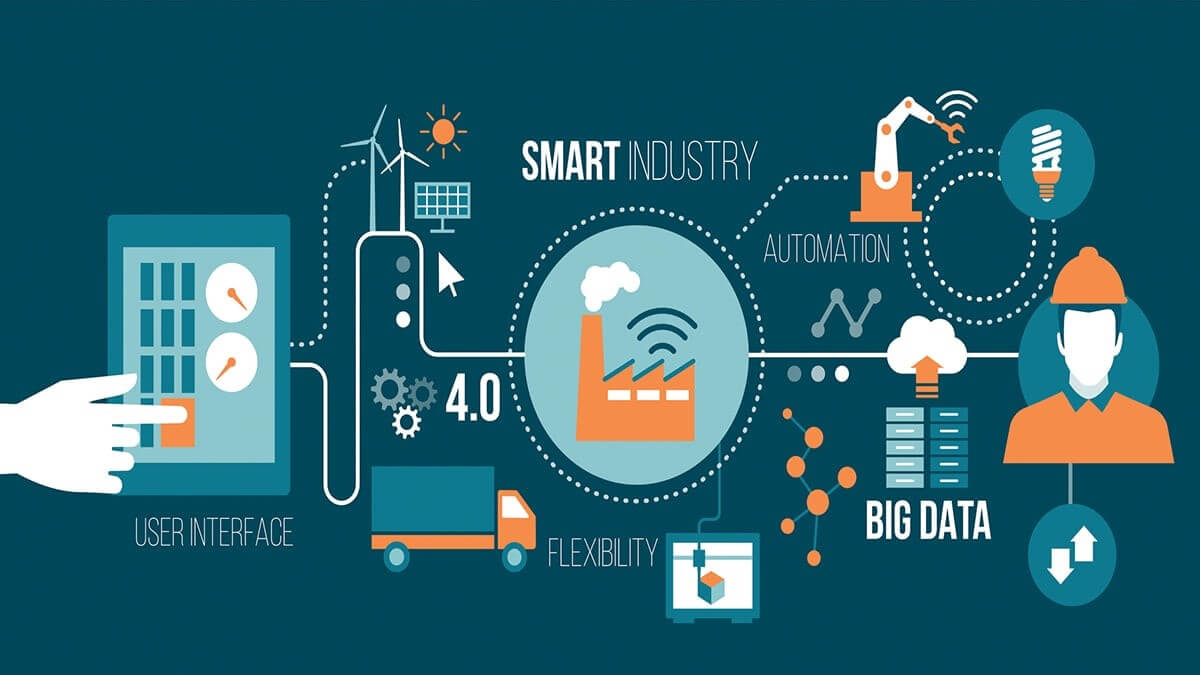 Liabilities of a software company
F&B Industry
1. Specifics of liabilities in the F&B industry
The F&B industry requires fresh ingredients, a stable supply chain, and the ability to respond quickly to customer demand. Additionally, businesses must maintain regular operating expenses such as rent, staff salaries, marketing costs, and equipment maintenance. Liabilities in this sector are often concentrated in accounts payable to ingredient suppliers, transportation units, and maintenance and repair services.
2. Leveraging liabilities to optimize cash flow
-
Purchase goods on deferred payment terms, using daily sales revenue to pay for ingredients without affecting the budget for other activities.
-
Negotiate return or exchange policies for ingredients nearing their expiration date to minimize waste.
-
Arrange periodic payments with equipment suppliers and maintenance services to spread out cash flow.
3. Minimizing risk
-
Analyze actual sales data to adjust inventory levels and avoid excess stock.
-
Develop a list of multiple suppliers for key ingredients to reduce risk if one supplier encounters issues.
-
Establish clear contract terms regarding quality, delivery times, and contingency plans for supply chain fluctuations.
The F&B industry requires fresh ingredients, a stable supply, and regular operating costs such as rent, personnel, brand promotion, and maintenance. According to the Vietnam Food & Beverage Business Market Report 2023, the total industry revenue reached over 590,000 billion VND, an increase of 11.47% compared to 2022. Additionally, nearly 44.8% of F&B businesses reported that raw material costs account for 30% or more of their cost of goods sold, with some even exceeding 50%, which squeezes profit margins (See details here)
This figure highlights the significant financial pressure F&B businesses are facing—profit margins are shrinking, while cash flow is easily eroded by rising input and operating costs.
 Liabilities of an F&B company
Logistics & Supply Chain Management Industry

Debt management is a crucial process that helps businesses control their liabilities and ensure timely payments. Effective debt management will help businesses limit financial risks, enhance their reputation, and improve their competitiveness in the market. Here are some smart debt management methods that businesses should master:
Define debt management objectives: What are the debt management objectives? Does the business want to reduce, maintain, or increase its debt? Clearly defining objectives will help the business establish a suitable direction and debt management plan.
Calculate payment capacity: Businesses need to calculate their payment capacity to ensure they can pay off debts on time. Payment capacity is calculated based on factors such as cash flow, assets, owner’s equity, etc.
Track and analyze debts: Businesses need to regularly track and analyze their accounts payable to promptly identify any emerging issues. Analyzing debts will help the business better understand its debt structure, payment capacity, and potential risks.
Establish a debt management policy: Businesses need to establish a debt management policy that aligns with their business situation and objectives. The debt management policy should include regulations on debt limits, payment terms, interest rates, etc.
Negotiate with creditors: In cases of difficulty in making debt payments, the business can negotiate with creditors to adjust debt limits, payment terms, interest rates, etc.
10. Differentiating between liabilities and owner’s equity
Liabilities are capital that a business must repay to external parties, while owner’s equity is capital owned by the business. Liabilities and owner’s equity are two important factors in assessing a company’s financial situation.
| Characteristics | Liabilities | Owner’s Equity |
| Concept | A present obligation of the enterprise arising from past transactions and events, which the enterprise must settle using its resources. | The capital owned by the business, formed from the owner’s contributed capital and other sources. |
| Content | Includes debts that the business must pay to external parties, such as accounts payable to suppliers, salaries payable to employees, bank loans, etc. | Includes the owner’s contributed capital, capital accumulated from business operations, and other capital sources. |
| Source of Formation | Formed from past transactions and events, such as purchasing goods and services on credit, borrowing capital, etc. | Formed from past transactions and events, such as capital contributions, accumulation of profits, etc. |
| Position on the Balance Sheet | Recorded in the Liabilities section. | Recorded in the Equity section. |
| Term | Can be short-term and long-term sources of capital for the business. | Is a long-term source of capital for the business. |
Comparison table of liabilities and owner’s equity
11. Frequently Asked Questions about Liabilities Management (FAQs)
Is a high increase in liabilities a bad sign for a business?
Not necessarily. An increase in debt can indicate that the business is expanding or using financial leverage to invest in profitable projects. However, debt is only beneficial when the rate of return is greater than the interest expense and the business can still ensure timely debt repayment cash flow.
How can you quickly distinguish between short-term and long-term debt?
The biggest difference is the payment term:
- Short-term debt: Must be settled within 12 months or one business cycle (such as salaries, taxes, payments to suppliers).
- Long-term debt: Has a payment term of over 1 year (such as bank loans for machinery investment, bond issuance).
Which indicators most accurately assess the health of liabilities?
You should focus on 3 key indicators:
- Debt-to-Equity Ratio (D/E): Measures the level of dependence on borrowed capital.
- Interest Coverage Ratio: Indicates whether profits are sufficient to cover interest expenses.
- Cash Conversion Cycle: Assesses the speed of capital turnover for debt repayment.
What should a business do to mitigate risks when liabilities increase?
Businesses need to create detailed cash flow plans, tighten spending approval processes, and diversify funding sources. Negotiating extended payment terms with suppliers is also an effective way to reduce short-term liquidity pressure.
How can you manage dozens of debts simultaneously?
The optimal solution is to use an automated system to record and classify debts from all departments onto a centralized dashboard. For example, 1Office software helps to fully automate the debt management process:
-
Automated Alerts: The system automatically sends reminders when debts are approaching their due dates, avoiding the risk of overdue payments and loss of credibility.
-
Real-time Data Retrieval: Connects data from all departments to a central dashboard, helping managers understand the debt structure to make accurate financial decisions.
12. Conclusion
It can be said that “liabilities” are one of the most important financial obligations that a business needs to monitor and manage closely to ensure solvency and mitigate financial risks. We wish your business success!
















