11/05/2026
  374 views
CFA is considered one of the most prestigious certifications in the finance industry, but not everyone fully understands its true value or whether the journey to pursue it is right for them. In this article, you will gain a clear understanding of what CFA is, why you should study for it, the exam requirements, and what you need to prepare before you begin.
Mục lục
1. What is CFA?
The CFA (Chartered Financial Analyst) charter is a prestigious international professional certification in the finance and investment field, awarded by the CFA Institute. It assesses in-depth knowledge of investment analysis, portfolio management, and professional ethics, serving as the gold standard for finance professionals worldwide.

The CFA charter is awarded by the CFA Institute in the United States, a non-profit organization with over 167,000 members in 165 countries worldwide. The program consists of 3 levels, each focusing on a different area of specialized knowledge:
- Level 1: Foundational knowledge of professional ethics, financial analysis, macroeconomics, microeconomics, accounting, and statistics.
- Level 2: Corporate finance analysis, asset valuation, securities analysis, portfolio management, and professional ethics.
- Level 3: Portfolio management, risk management, professional ethics, and writing investment analysis essays.
2. The Value of the CFA Charter
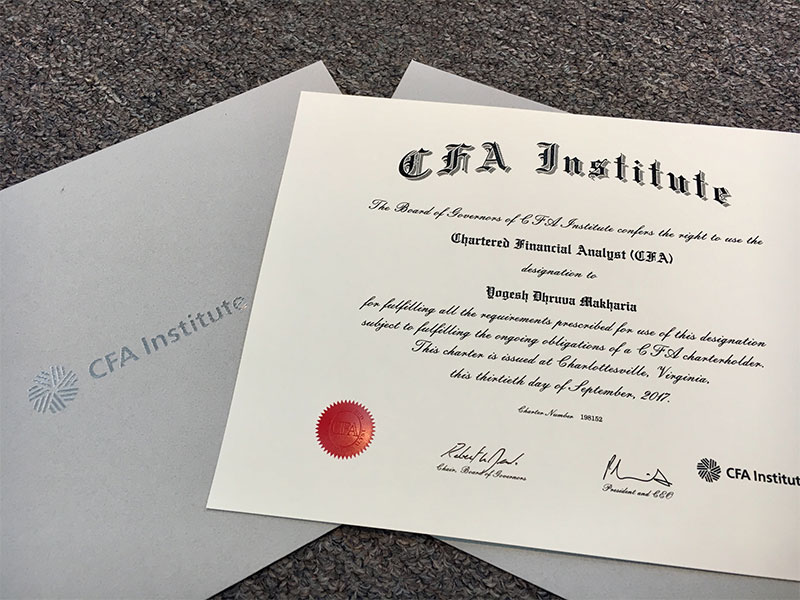
The CFA charter is one of the most powerful credentials in finance and is recognized globally. It is an incredibly valuable investment in your career.
- CFA is the “gold standard” in the field of investment and financial analysis.
- CFA is the “golden proof” of competence, ethics, and professionalism in the investment analysis field, thereby affirming your standing in the eyes of partners, clients, and employers.
- CFA is the “golden key” that helps you easily access high-level positions in the finance industry, such as investment analyst, fund manager, chief financial officer, etc.
After becoming a member of the CFA Institute (holding the CFA charter), charterholders must pay annual dues and sign a commitment to adhere to the Institute’s Code of Ethics and Standards of Professional Conduct. In case of violating these Codes and Standards, the charterholder risks having their CFA charter permanently revoked.
See more:
- What is a PMP Certification? Exam Overview and Study Methods
- What is ISO? Its Uses and Popular ISO Standards
3. Why Study for the CFA?
The CFA charter offers significant benefits to its holders. Here are the main reasons to study for this certification:
- Enhance Professional Competence: The CFA program provides in-depth knowledge and skills in various financial areas such as financial analysis, asset valuation, portfolio management, professional ethics, and more. The program will help you become a reputable expert capable of effectively solving complex financial problems.
- Open Up Advancement Opportunities: The CFA charter is a “golden” key that helps you access high-level, desirable positions in the finance industry, such as investment analyst, fund manager, chief financial officer, etc. It helps enhance your competitiveness and establish a strong position in a professional work environment.
- Attractive Income Level: According to a survey by the CFA Institute, CFA charterholders earn an average salary that is 50% higher than those without the charter. Another report from Salary Expert indicates that in Vietnam, the average income for CFA charterholders is over 440 million VND per year, varying depending on job position, experience, and individual capabilities.
- Expanded Professional Network: Participating in the CFA program helps you connect with a global community of finance professionals, building an extensive network. This opens up opportunities to learn from the experience of predecessors and find new opportunities in the industry.
- Global Recognition: The CFA charter is recognized in over 165 countries worldwide, making it easy for you to convert to equivalent qualifications in other countries. In Vietnam, if you hold a CFA charter, you can take a conversion exam to obtain a professional license in the securities and fund management sectors.
4. Who Needs the CFA Charter?
For individuals aiming to pursue a career involving tasks such as financial market analysis, investment and asset management, or consulting for financial institutions, the CFA charter is an excellent choice.
However, earning the CFA charter requires a high level of effort and determination from candidates. You need to invest time, effort, and money to study for the exams and complete the program. The decision to pursue the CFA depends on your career goals and personal capabilities. If you are looking to advance your career in the finance industry and are ready to invest in your future, studying for the CFA is a wise choice.
- A Comprehensive Guide to Analyzing Corporate Financial Statements
- What is a Financial Statement? Things You Need to Know About Financial Reports
5. CFA Exam Requirements
To take the CFA exam, you need to meet the following conditions:
Educational Qualifications:
- Hold a bachelor’s degree (or equivalent) from a recognized university or college.
- Final-year university students can also register for the exam, but must provide their diploma before receiving the CFA charter.
Work Experience:
- Have at least 4 years of full-time work experience in finance or related fields.
- Work experience can be accumulated before, during, or after completing the CFA program.
CFA Institute Membership Registration:
- Becoming a member of the CFA Institute is a mandatory requirement to take the CFA exam.
- You can register for membership online on the CFA Institute website.
Completion of the CFA Program:
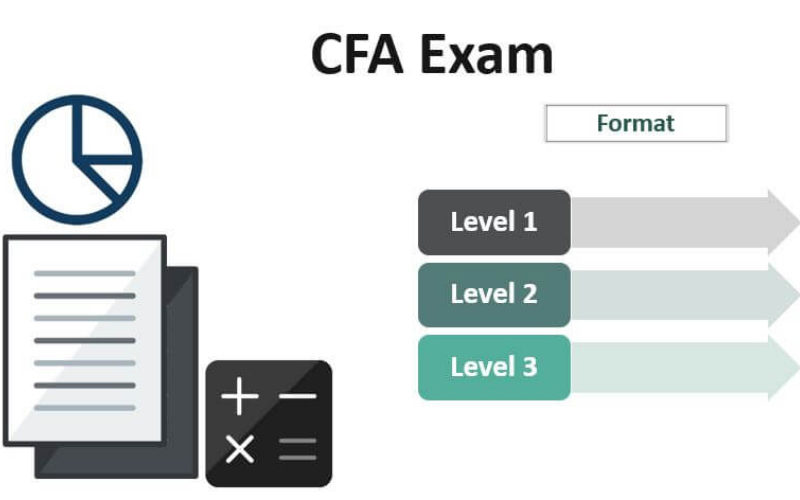
- The CFA program consists of 3 levels, each with its own curriculum and exam.
- You need to complete all levels and meet other requirements to be awarded the CFA charter.
CFA exam requirements may change over time. You should refer to the updated information on the CFA Institute website to ensure you meet all requirements. CFA Institute Website: https://www.cfainstitute.org/
6. The CFA Curriculum
The CFA training program consists of 10 subjects, divided into 3 levels:
| Subject | Content |
| 1. Ethical and Professional Standards | Trains and enhances the professional ethics and capabilities of investors in daily practice. |
| 2. Quantitative Methods | Provides basic calculation tools for interest rates, rates of return, cash flow values, as well as statistical, probability, and testing tools. |
| 3. Economics | Equips learners with an overview of microeconomics and macroeconomics, analysis of systemic risk, and forecasting of economic trends in the financial market. |
| 4. Financial Reporting and Analysis | Learn the basic concepts and skills of financial statement analysis and assessing a company’s financial health. |
| 5. Corporate Finance | Provides knowledge of corporate financial management and projects that affect the “health” and operations of a business. |
| 6. Equity Investment | Provides equity security valuation tools: discounted cash flow, P/E valuation, net asset valuation, etc. |
| 7. Fixed Income | Studies various types of fixed-income securities, portfolio benchmarks, and other related topics. |
| 8. Derivatives | Learn about the forward market, futures market, and options market. Analyze and use derivative instruments in investing. |
| 9. Alternative Investments | Analyzes alternative investment types such as real estate, private equity, and commodities. |
| 10. Portfolio Management and Wealth Planning | Provides in-depth analysis of portfolio management and various investment strategies, how to manage asset portfolios, asset correlations, and general market risks. |
7. Frequently Asked Questions
How many people in Vietnam have a CFA charter?
According to data from the CFA Institute, as of November 2023, Vietnam has nearly 700 CFA charterholders. The number of CFA charterholders in Vietnam has been growing steadily in recent years, indicating increasing interest from the Vietnamese financial community in the CFA program.
How long is a CFA charter valid?
The CFA charter is valid for life. However, to maintain your CFA membership and use the CFA designation, you need to meet the following requirements:
- Pay the annual membership fee.
- Complete at least 30 hours of Continuing Professional Education (CPE) each year.
- Adhere to the CFA Institute’s Code of Ethics.
How much does it cost to study for the CFA charter?
The cost of studying for the CFA charter includes: The CFA exam registration fee for each level and CFA review costs (courses, materials, etc.). The total cost of studying for the CFA charter can range from $10,000 to $20,000.
How long does it take to study for the CFA?
On average, the study time for each CFA level can range from 12 to 18 months. To complete the CFA program, you need to dedicate at least 3 years.
8. Conclusion
The above is all the content about “What is CFA? Things to know about this charter” that 1Office wants to share with its readers. If you are dreaming of reaching the pinnacle of the finance industry, the CFA charter is the goal you should aim for. Start your journey to conquer the CFA today to open the door to success