


 11/05/2026
  324 views
Human resource management plays a key role in ensuring a business operates effectively and develops sustainably. This is the process of planning, recruiting, training, and developing the workforce to achieve business goals. The following article from 1Office will help you understand what human resource management is, its role, functions, and the challenges to overcome in this field.
Mục lục
- 1. What is Human Resource Management?
- 2. The Role of Human Resource Management in a Business
- 3. Objectives of Human Resource Management
- 4. Functions and Responsibilities of Resource Management
- 5. Popular Human Resource Management Models Today
- 6. Challenges in Human Resource Management
- 7. 1HRM – The Human Resource Management Solution from 1Office
- 8. Conclusion
1. What is Human Resource Management?
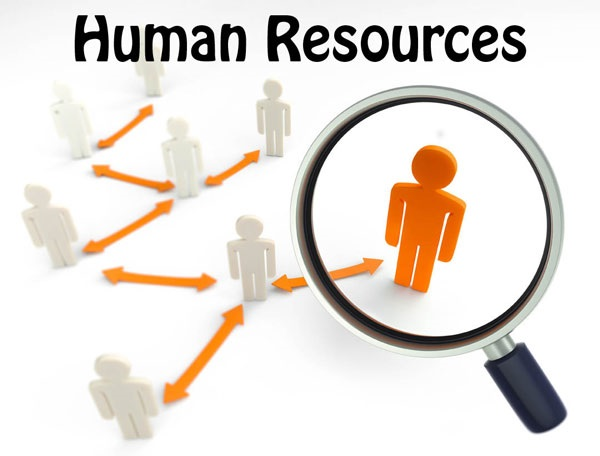
Human Resource Management (HRM) is the process of recruiting, developing, managing, and retaining a workforce to achieve an organization’s goals. It includes activities such as recruitment, training, performance evaluation, policy development, and fostering a corporate culture to optimize work performance.

Human resource management is a crucial and fundamental function in administration, as people are the core resource and center of development in every business. If the sales department is considered the spearhead that brings in profit and revenue, then HR is the solid foundation that helps the business grow. Therefore, ensuring employees have the right capabilities and qualities for each position, while also supervising, leading, and ensuring compliance with labor laws and employment regulations, is the primary task of managers.
2. The Role of Human Resource Management in a Business
Most businesses place great emphasis on human resource management, as it is a decisive factor in their success or failure. No activity can achieve optimal efficiency without effective human resource management.

Human resource management is closely related to organizing, supplying, and allocating personnel to suitable positions within the company’s organizational structure. In the current economic context, the importance of human resource management is further highlighted by the following factors:
- The strong development of the market economy has created fierce competition among companies, forcing businesses to continuously improve and develop their organizations, in which the human element plays a key role.
- The rapid advancement of technology and the process of international economic integration require companies to be flexible and quickly adapt to market changes. Therefore, researching and managing human resources is crucial for businesses to better understand their employees and enhance work efficiency.
3. Objectives of Human Resource Management
Human resource management is divided into the following four main objectives:
- Societal Objectives: These are measures aimed at meeting the ethical and social needs and challenges of the company and its employees. This includes legal issues such as equal opportunity and equal pay for equal work.
- Organizational Objectives: These measures ensure organizational efficiency, including providing appropriate training, hiring the right number of employees for specific tasks, and maintaining a high employee retention rate.
- Functional Objectives: These principles help the HR department operate effectively within the organization. This includes ensuring all human resources are allocated and utilized to their fullest potential.
- Personal Objectives: These resources support the individual goals of each employee, including opportunities for learning, career development, and maintaining job satisfaction.
4. Functions and Responsibilities of Resource Management
4.1 Recruitment and Selection
The first function of human resource management is to ensure a sufficient number of employees for all areas of the company’s operations. This process begins with identifying the company’s staffing needs, analyzing job positions with personnel shortages, and creating a recruitment plan to meet those requirements.
Tasks to be performed during recruitment include:
- Forecasting and planning for future workforce needs.
- Evaluating job positions, defining requirements and tasks to improve performance.
- Implementing the recruitment process to find and select candidates who match the job requirements.
- Managing employee records and handling information related to the labor force.

4.2 Employee Training and Development
The human resource development and training function is carried out through teaching activities and creating conditions for employees to improve their qualifications, capabilities, and skills to maximize their potential, thereby bringing greater value to the business.
Tasks to be performed to ensure the human resource training function include:
- Organizing specific career orientation activities.
- Coaching, training, and developing human resources.
- Focusing on professional skill development activities.
4.3 Performance Evaluation
The process of evaluating job performance applies not only to new employees but to all employees in the company. The human resource manager will review and check to identify who is not working effectively and productively, then implement appropriate encouragement or reminders. This creates a bit of pressure on employees, motivating them to improve and helping to ensure the company’s overall work is completed better.

4.4 Salary and Benefits Management
This final function focuses on protecting and promoting employee rights within the business environment, including issues of salary, bonuses, benefits, and insurance. HR managers play a crucial role in proposing and implementing strategies related to human resource management. They ensure fairness and protect the rights of all employees, while also helping to build an effective and positive work environment.
They also have to handle issues that arise between employees and management, seeking solutions that satisfy both parties and achieve the best possible consensus. Their task is not only to resolve conflicts but also to communicate important information from leadership to all employees, helping to create a comfortable and transparent work environment.
5. Popular Human Resource Management Models Today
- Clerical Model: Often applied in small and medium-sized enterprises, this model collects information, reports, and data from daily operations. The HR department manages employees according to regulations, rules, and under the direction of the leadership. In this model, the role of the HR manager can be limited and more passive.
- Legal Model: This model manages human resources through legislation, emphasizing fairness and transparency while minimizing conflicts among employees. This model is often effective in multinational corporations or companies with foreign elements and expatriate staff.
- Financial Model: This is a model where businesses rely on stable financial policies such as salaries, bonuses, commissions, and benefits to manage human resources. This makes the work environment attractive and motivates employees.
- Managerial Model: HR managers understand and share goals and values, working with line managers to solve business problems. Personnel in the HR department act as coaches, providing training in functions such as recruitment, compensation, rewards, and employee evaluation.
- Humanistic Model: With the goal of creating a comfortable work environment, this model encourages employees to work with a high sense of responsibility, enhancing performance. This environment also retains employees and attracts new talent.
- Behavioral Science Model: This model focuses on studying human behavior to better understand the needs and desires of employees. From there, businesses can design suitable and scientific HR management processes, leading to high efficiency.

6. Challenges in Human Resource Management
Every organization, regardless of industry or size, can face challenges in human resource management. As businesses focus on improving employee experience and culture, the challenges faced by HR professionals are increasing in both number and nature.

Here are the most pressing human resource management challenges.
- Attracting Talent: Fierce competition in the labor market and the growing demand for suitable talent.
- Compensation and Benefits Policies: Offering competitive compensation and benefits packages to attract and retain talent.
- Change Management: Adapting to major changes in work methods, organization, and technology, while supporting employees through the transition.
- Reskilling and Upskilling: Keeping pace with digital transformation and bridging the skills gap for the current workforce.
- Employee Engagement: Ensuring employees find their work challenging, engaging, and rewarding to retain them.
- Onboarding Process: Creating an engaged and long-term committed workforce to avoid new employee turnover.
- New Employee Training: Providing quality training programs so new employees can grasp and perform their jobs well.
- Employee Retention: Preventing employees with critical skills from leaving the company and minimizing the negative impact on the organization.
- Benefits and Compensation: Designing attractive benefits and compensation packages to attract and retain talented employees, while ensuring their satisfaction and motivation.
- Employee Mental Health: Ensuring the health and safety of employees to comply with labor laws and enhance overall employee benefits.
- Employee Experience: Managing and monitoring employees’ perceptions of their job, workplace, and manager to improve the overall experience.
- Measuring HR Management Effectiveness: Evaluating and tracking the performance of the HR department to ensure they are saving the company time and money.
- Improving Digital Skills for Employees: Providing appropriate training plans and programs to make the best use of new technologies.
- Leadership Development: Training and preparing leaders to minimize conflicts and disagreements within the company.
- Diversity Management: Harmonizing differences in culture, age, gender, nationality, and ethnicity within the business.
- Remote Human Resource Management: Effectively managing remote employees in the context of the rising trend of flexible work.
- Building an Employer Brand: Defining and communicating the company’s mission, vision, and values to attract suitable candidates.
7. 1HRM – The Human Resource Management Solution from 1Office
1HRM is one of the three main modules of the comprehensive digital transformation platform 1Office, designed to provide a modern and effective human resource management toolkit for businesses. With 1HRM, businesses can easily manage personnel, from recruitment, training, and performance evaluation to compensation and benefits management. This module helps optimize HR processes, enhancing employee engagement and work efficiency.

Key features of 1HRM that help businesses manage human resources comprehensively:
- Supports the entire process from posting jobs and receiving applications to interviewing and hiring.
- Stores and updates detailed employee information, helping track development and personal data.
- Automatically records working time with various timekeeping methods, minimizing errors and saving time.
- Automatically calculates salaries, allowances, and deductions, ensuring accuracy and timeliness.
- Tracks and evaluates work performance, helping improve work quality and identify training needs.
- Sets and tracks KPIs and goals, ensuring all members are aligned with the company’s common objectives.
Benefits of using 1HRM for businesses
- Implementing 1HRM helps businesses save time and costs through the automation of HR management processes. Instead of using multiple different software or performing manual tasks, businesses only need a single solution to manage all employee-related activities. This not only reduces operational costs but also increases work efficiency.
- 1HRM enhances HR management efficiency by providing a comprehensive and detailed overview of all employee-related activities. Management and reporting tools help managers easily track and evaluate work performance, thereby improving management quality and making better decisions about employee training and development.
- With high automation and integration capabilities, 1HRM helps businesses quickly adapt to market changes and demands. This enhances the company’s competitiveness by optimizing HR management processes, increasing productivity, and minimizing personnel-related risks.
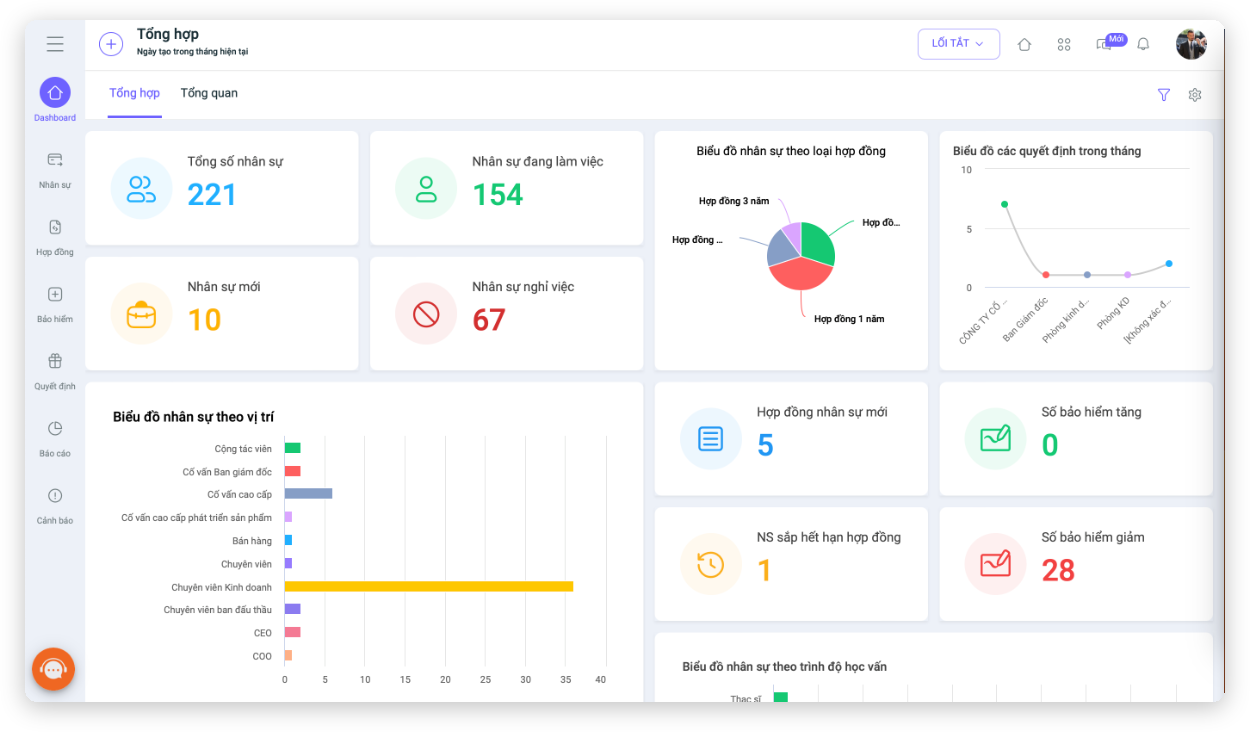
1HRM is not just an HR management tool, but also a strategic solution that helps businesses improve operational efficiency and optimize human resource management. If you need more information or support regarding 1HRM, please contact our support team or register for a consultation and demo below.
Get a Free Consultation and Demo Account
8. Conclusion
The above is a complete summary of the concept of human resource management, along with its functions and roles. We hope this article has helped you gain a clearer understanding of this field. Don’t forget to follow 1Office to stay updated with useful information for your business management.
















