


What are Employee Benefits? Optimizing Employee Benefits in the Company


Currently, alongside factors like salary and bonuses, work environment, etc., the benefits package is also one of the particularly important factors influencing a candidate’s decision to apply and an employee’s tenure with a company. This article by 1Office will provide information and help you answer questions such as: what are benefits? how many types of benefits are there? how to optimize a benefits package for a business?
Mục lục
1.1. What are benefits?
Benefits are policies and compensation packages designed to ensure financial security, healthcare, and provide necessary amenities for individuals. These policies are typically applied to two main groups:
- Employee benefits: Compensation packages for workers in an organization or business. This package often includes social insurance, healthcare, salary and bonuses, paid leave, and other support to improve working conditions and ensure financial stability for employees.
- Social welfare: These are policies for citizens within a country, aimed at ensuring social security. These programs often include: health insurance, unemployment insurance, retirement pensions, and other financial support to help citizens stabilize their lives and cope with potential economic risks.
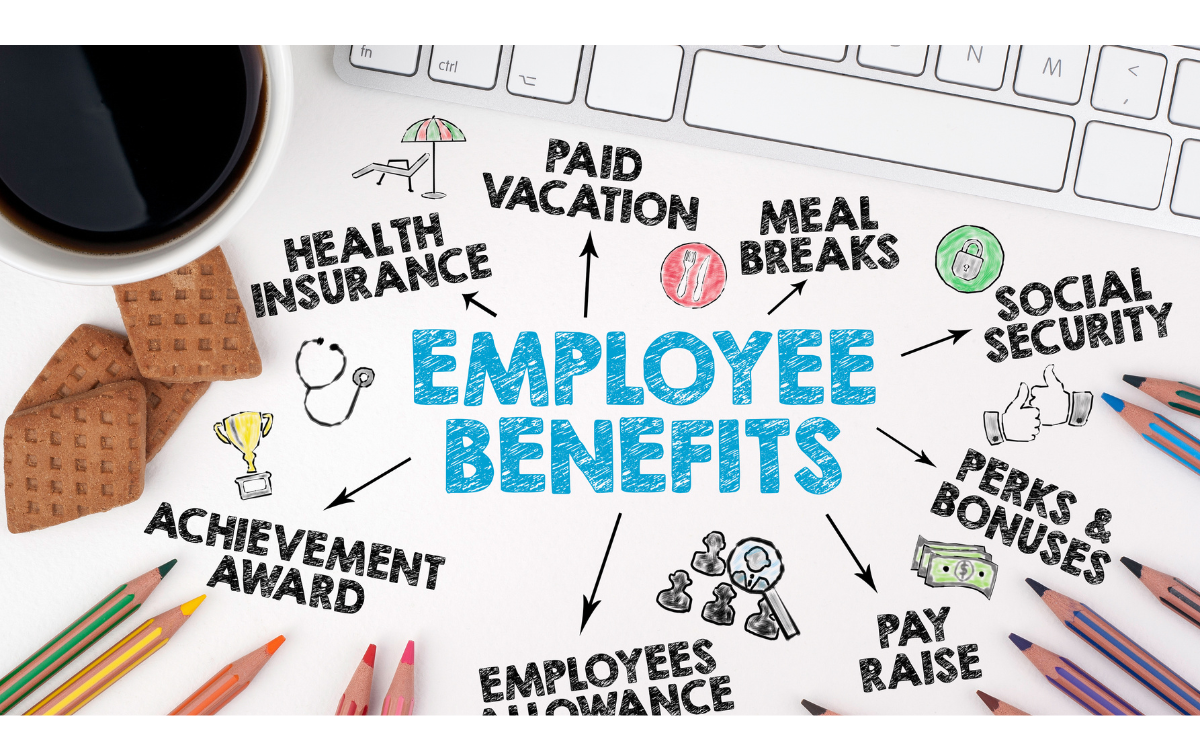
1.2. Employee benefits
Employee benefits are defined by the International Labour Organization (ILO) as “The various facilities, services, and amenities established by commitment to enable workers to work in a healthy environment, as well as to take advantage of available benefits to improve their health, morale, and productivity.”
In businesses, benefits are a set of policies and compensation packages that companies provide to ensure rights, improve quality of life, and retain employees. These policies not only comply with legal regulations but are also designed to fit the culture and financial capacity of each business.
Benefits often include participation in mandatory social insurance, such as health insurance, unemployment insurance, and retirement insurance, which help protect employees against life’s risks. Additionally, salary and bonus schemes, paid leave, travel, and other benefits are also an important part of the benefits package aimed at motivating and encouraging employees.
Typically, benefits can account for up to 30% of an employee’s financial compensation. Currently, in many developed countries, when employee wages/salaries are high, organizations and businesses tend to increase benefits to encourage dedication and retain talent.
1.3. Welfare fund

Typically, in businesses, the welfare fund is a sum of money set aside by companies or organizations from their annual profits to care for the material and spiritual well-being of their employees. This fund is often used to cover welfare activities such as: supporting employees in difficulty, visiting sick employees, organizing trips, giving rewards, providing gifts on holidays, and covering expenses for weddings and funerals, along with other welfare-related costs as regulated by the Ministry of Finance.
According to legal regulations, the welfare fund is usually appropriated from the company’s after-tax profit. In Vietnam, under the Law on Enterprises (2020), the appropriation rate for the welfare fund typically does not exceed 5% of the after-tax profit (this rate may vary depending on the period and specific regulations).
The welfare fund is usually established, managed, and regulated by the company’s internal financial policies, developed with the consensus of trade unions and employee representatives. This is different from mandatory contributions like social insurance, health insurance, or unemployment insurance, which the company must pay according to regulations.
1.4. Welfare Salary
Welfare salary, also known as the 13th-month salary, is a bonus agreed upon in advance between the employee and the company. Employees typically receive this bonus at the end of the year or at a specific time, based on the company’s business results and the employee’s performance and target completion.
If the company incurs losses or the employee does not complete their tasks, this bonus may not be paid.
1.5. Welfare fixed assets

Welfare-related fixed assets are physical assets that a business invests in to serve the welfare needs of its employees, such as vehicles and facilities for their work and daily life. These assets are valued at 30 million VND or more, are used for over one year, and are not exclusively used within a single production cycle.
Businesses can depreciate these fixed assets in accordance with the regulations of the Ministry of Finance. With some exceptions for assets serving general welfare purposes, such as canteens, shuttle buses, and parking garages, that are also used in the production and business process, businesses can depreciate them and include the cost in business expenses based on the asset’s usage time and level.
1.6. The Welfare State
The welfare state is a socio-political model in which the government plays a leading role in protecting the rights and providing welfare services to its citizens. The state is fully responsible for creating and protecting jobs for workers while ensuring social security policies. This is implemented through social policies and services, including healthcare, education, social insurance, and other support to improve the quality of life for the people.
The welfare state not only provides social benefits but can also be supported through cooperation between public and private organizations, businesses, charitable organizations, or individuals.
The goal of the welfare state is to create a just society where everyone has the opportunity to access basic resources and services to improve their lives and achieve personal development.
2. Types of Employee Benefits in a Business
2.1. Mandatory Benefits
Mandatory benefits are defined by the Labor Code and the Law on Social Insurance of Vietnam as benefits stipulated by law that businesses are required to provide to their employees.
Mandatory benefits include the basic welfare regimes related to the contribution of 5 types of compulsory social insurance for employees as prescribed by law, such as:
- Sickness allowance: This allowance is paid to employees when they are unfortunately sick, have an accident (not a work-related accident), or have to take time off work to care for a sick child under 7 years of age.
- Occupational accident and disease allowance: Employees who have an accident during work or suffer from occupational diseases caused by the work environment will receive an allowance from the occupational accident and disease insurance fund.
- Maternity benefits: Female employees are entitled to maternity benefits when giving birth or adopting a child. Male employees are also entitled to this benefit when their wife gives birth.
- Pension benefits: When employees reach retirement age and have contributed to social insurance for the required number of years, they will receive a monthly pension.
- Survivorship benefits: When an employee unfortunately passes away, their relatives will be entitled to survivorship benefits, including a funeral allowance and a monthly or lump-sum survivor’s allowance.
Below is a summary table of the latest regulations on contribution rates, contribution levels, and participants for social insurance (SI), health insurance (HI), and occupational accident and disease insurance (OADI). This information is updated according to the current regulations in the Law on Social Insurance 2014, the Law on Employment 2013, Decree 58/2020/ND-CP, and Decree 143/2018/ND-CP.
| Type of insurance | Employee’s contribution | Employer’s contribution | Total contribution rate | Participants | Contribution salary base |
| Compulsory Social Insurance (SI) | 8% | 17% | 25% | – Employees with contracts of 1 month or more
– Cadres, civil servants, public employees |
– Minimum monthly salary: Equal to the regional minimum wage (currently from 4,160,000 VND, according to Decree 38/2022/ND-CP)
– Maximum: 20 times the base salary |
| Health Insurance (HI) | 1.5% | 3% | 4.5% | – Employees
– Cadres, civil servants, public employees – Members of poor households, pupils, students |
– Calculated based on monthly salary, not lower than the regional minimum wage and not exceeding 20 times the base salary (currently 360,000 VND/month) |
| Occupational Accident
& Disease Insurance |
0% | 0.5% | 0.5% | – Employees working under contracts of 1 month or more | – Minimum monthly salary: Equal to the regional minimum wage
– Maximum: 20 times the base salary |
| Unemployment Insurance (UI) | 1% | 1% | 2% | – Employees working under contracts of 3 months or more | – Minimum monthly salary: Equal to the regional minimum wage
– Maximum: 20 times the base salary |
2.2. Voluntary Benefits
Voluntary benefits are the allowances, support policies, or perks that a company provides to its employees in addition to the mandatory benefits required by law. These benefits aim to motivate, increase satisfaction, and retain employees.
Voluntary benefits can be divided into two main types: cash benefits and indirect benefits.
Cash Benefits
- Salary and Bonus Schemes: This is an additional amount on top of the basic salary, paid when employees complete tasks, achieve good results, exceed work targets, or have innovative ideas during their work.
- Lunch and Travel Allowances: Companies provide allowances for lunch and travel expenses to help employees reduce their financial burden. This support typically ranges from 500,000 VND – 1,000,000 VND, depending on the company.
- Childcare Allowance: Companies may offer additional support to employees with young children to help them alleviate the financial pressure of childcare and upbringing.
- Holiday Bonuses: On major holidays such as April 30th, September 2nd, and New Year’s Day, companies often pay bonuses to boost morale and motivate employees.
- Tet Bonus: This is an important year-end bonus that provides employees with extra funds for Tet holiday spending. Typically, companies will award at least one month’s salary, or an amount based on the employee’s seniority and work performance.
- Periodic Salary Increases: Companies may increase salaries once or twice a year to encourage employee development and long-term commitment. Additionally, some companies may offer immediate salary raises for outstanding employees.
Indirect Benefits
These are non-monetary benefits that play a crucial role in improving the quality of life and work for employees, helping to maintain job satisfaction and motivation. Some common indirect benefits include:
- Health Insurance for Employees and Families: Many companies now offer premium health insurance packages for employees and, in some cases, extend them to their relatives. This helps reduce the burden of medical and healthcare costs for employees.
- Annual Leave: Companies may offer employees more than the statutory number of leave days, typically 15-20 days of annual leave per year, along with some other special leave days.
- Periodic Health Check-ups: Companies can organize regular health check-up programs to help employees monitor and take care of their health. Some large corporations arrange check-ups at major hospitals, ensuring the best quality of medical care for their employees.
- Company Trips and Team-building: Benefits like quarterly or annual company trips or team-building activities help connect employees, improve team spirit, and provide staff with an opportunity to relax after stressful workdays.
- Other Benefits: Some other benefits include internal training programs, stock awards, gym and spa packages, and mental health care.
3. The Importance of Employee Benefits
3.1. The Importance of Benefits for Employees
- Financial and Life Security: Benefits like health insurance and social insurance help employees and their families feel secure, protected from risks, and ensure income in unfortunate situations, allowing them to focus on their contributions.
- Improved Mental and Physical Health: Thanks to benefit schemes, employees’ health is ensured, they receive medical care, and experience reduced anxiety and stress, which helps staff focus better on their work and increase productivity.
- Enhanced Standard of Living: In addition to the basic salary, supplementary benefit packages such as health insurance, paid leave, bonuses, etc., contribute to improving employees’ quality of life.
- Increased Performance and Company Loyalty: When employees feel cared for and supported, they tend to be more dedicated and loyal to the company, contributing to a positive, united, and collaborative work environment.
3.2. The Importance of Employee Benefits for Businesses
- Attract talent and reduce recruitment costs: With an attractive benefits policy, businesses can easily attract quality candidates, thereby minimizing the cost and time spent on recruiting and training new personnel.
- Retain top employees: Good benefits help increase employee satisfaction, reduce turnover and resignation rates, and enhance the commitment and stability of the workforce.
- Increase productivity and work efficiency: When their well-being is ensured, employees tend to work with better morale and take fewer sick days, thereby improving labor productivity and work efficiency.
- Develop corporate culture: A benefits policy helps businesses build a healthy and positive work culture, encouraging commitment and unity, which in turn promotes the sustainable development of the company.
4. Factors Affecting Employee Benefit Schemes
Company size and financial resources
Large enterprises often have a greater ability to offer diverse benefits because they have substantial resources and can easily access different benefit packages. Additionally, the ability to provide benefits also depends on the company’s financial situation. Businesses with high profits and strong capital can more easily afford extended benefit packages, including health insurance, bonuses, and other employee support services.
Corporate culture and values
Companies that value human development tend to build good benefit programs to create a positive work environment, retain talent, and increase employee satisfaction. This can include benefits related to training, skill development, or mental health support.
Industry and job specifics
Some industries require businesses to provide more specialized benefits to ensure the health and safety of their workers. For example, heavy industries, construction, or manufacturing often need to provide accident insurance, health insurance, and occupational safety support programs.
Competition in recruiting and retaining talent

In a competitive labor market, offering attractive benefits is a key factor in helping businesses attract potential candidates. At the same time, for companies wishing to maintain a stable workforce, investing in a benefits scheme is extremely important and necessary.
Legal requirements and government regulations
Each country has different regulations regarding the benefits that businesses must provide and guarantee for their employees. Some benefits are supported by the government through tax reductions, such as health insurance and educational benefits. This incentivizes businesses to offer benefits to reduce financial costs and enhance their appeal to employees.
Trends and expectations from employees
Current trends show that most employees, especially the younger workforce, are increasingly interested in soft benefits such as: work environment, flexible working hours, mental health care, and work-life balance. Businesses need to constantly keep up with these trends to meet employee expectations, thereby increasing satisfaction and engagement.
Cost and effectiveness of benefit programs
Providing benefits requires businesses to carefully calculate implementation costs, as well as the long-term effectiveness. At the same time, evaluating the effectiveness of benefit programs also plays an important role, helping businesses optimize spending and adjust benefit policies appropriately.
5. Process for Building an Employee Benefits Program
Building a benefits scheme for a business is a crucial process to ensure that benefits not only meet needs and general trends but also align with the company’s financial capabilities and strategic goals. This process includes several systematic steps to identify, establish, and implement benefit programs optimally. Here is an 8-step process that you can reference and apply in your business:
Step 1: Analyze and assess the current situation
Before building a benefits program, businesses need to evaluate their current programs and the company’s situation regarding employee benefits:
- Assess employee needs: Collect data on employees’ desires, needs, and satisfaction levels with the current benefits scheme. This can be done through surveys, interviews, or focus group discussions.
- Identify existing benefit programs: Review the company’s current benefit programs, including: mandatory/voluntary insurance packages, bonuses, paid leave, etc.
- Analyze cost and effectiveness: Calculate the current costs the business is paying for benefit programs, while also considering the financial and non-financial benefits and effectiveness of these programs on employee performance and engagement.
Step 2: Define benefit goals and strategy

Based on the results of the current situation analysis, the business needs to clearly define its objectives for the benefits scheme. Key objectives may include:
- Talent retention objective: Benefits can be used as a tool to attract and retain talent. If the business operates in highly competitive fields or industries, this objective should be considered a top priority.
- Objective to enhance satisfaction and performance: Benefits should be designed to balance employees’ work and personal lives, thereby improving morale and work performance.
- Legal compliance objective: Businesses must ensure that their benefits schemes comply with current state laws regarding insurance, compensation, and the minimum legal rights of employees.
Step 3: Determine the budget
The business will need to determine a suitable budget based on its current situation and costs:
- Budget forecasting: Consider the company’s financial capacity and forecast the necessary budget to provide effective benefit programs.
- Budget allocation: Allocate spending for each type of benefit, such as health insurance, performance bonuses, or personal development support programs. At the same time, the business also needs to consider the balance between tangible and intangible benefits.
Step 4: Design and build the benefit program
Based on the established goals and budget, the business will proceed to design a detailed benefits program and scheme, including:
- Develop basic, mandatory benefit packages: These are mandatory benefits such as health insurance, social insurance, leave policies, and maternity leave.
- Design supplementary benefit packages: This includes non-mandatory benefits such as enhanced healthcare programs, performance bonuses, tuition assistance, and benefits for employees’ families, etc.
- Make benefit programs flexible: Currently, some businesses allow employees to choose flexible benefit packages based on their individual needs, for example, choosing between childcare subsidies or travel support.
Step 5: Research and benchmark the market
The business will need to research the market and other companies in the same industry to ensure its benefit program is competitive:
- Market survey: Review the benefit programs that competitors or similarly sized businesses are implementing. This helps the business understand the standard level of benefits in the industry and improve its own policies.
- Compare and adjust: Based on the survey results, the business can adjust its benefit programs to ensure competitiveness, attract, and retain employees.
Step 6: Implement and communicate internally

Once the benefit programs have been designed and built, implementation and communication to all staff are crucial so that employees understand and benefit from the new policies:
- Effective communication: Use internal channels such as email, the company intranet, or meetings to explain the new schemes and benefits, how to enroll, or any required actions.
- Guidance and support: The business needs to ensure that relevant departments, especially the HR department, have all the necessary information and expertise to answer questions and assist employees in enrolling and using their benefits.
Step 7: Monitor and evaluate effectiveness
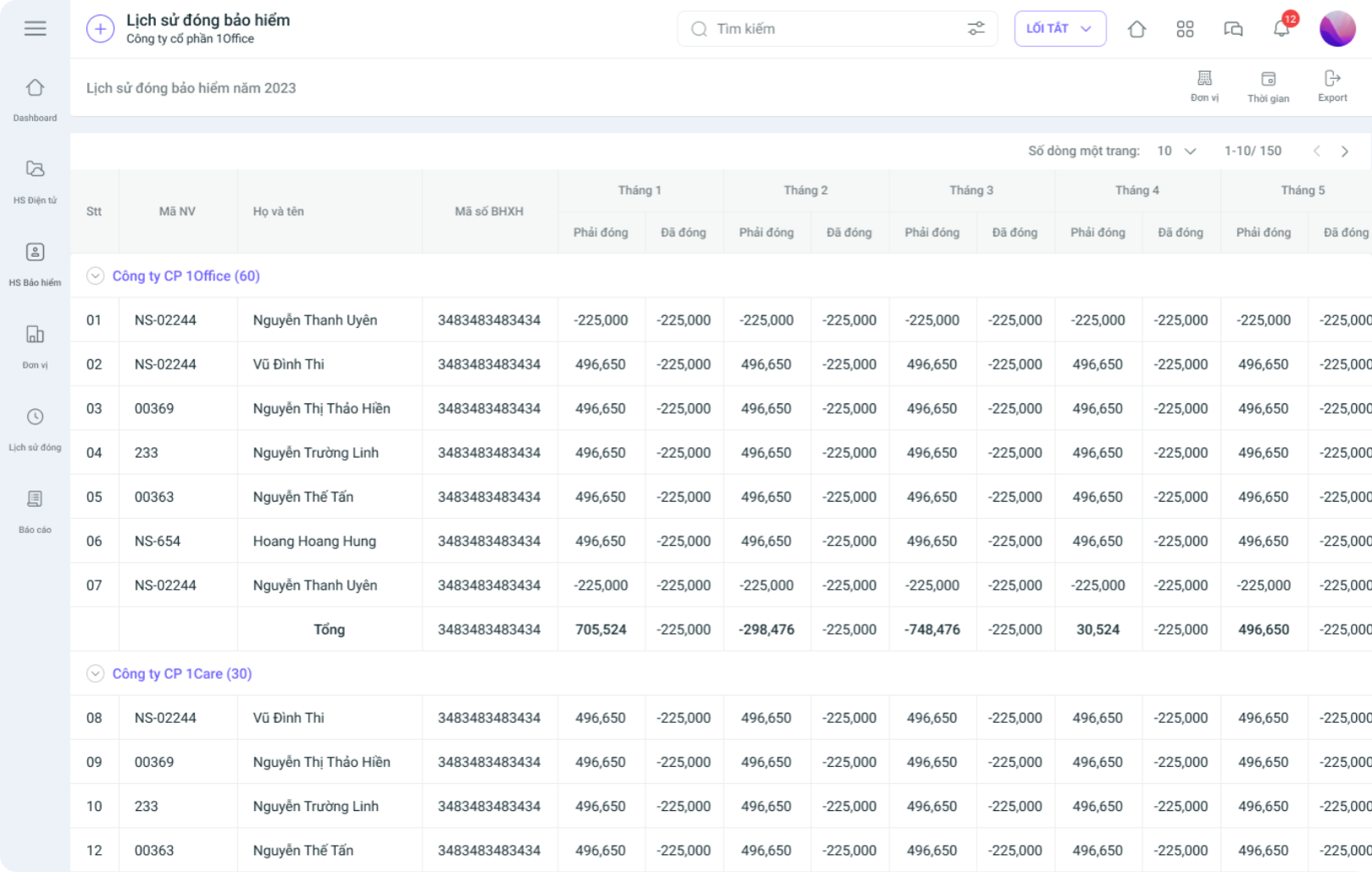
After the benefit programs are officially launched, the business needs to monitor and evaluate their effectiveness to make timely adjustments:
- Measure employee satisfaction: Conduct regular surveys to gather employee feedback on their satisfaction with the provided benefits. This helps the business identify the strengths and weaknesses of the programs.
- Track productivity and performance: You need to assess whether the benefit programs help improve work performance, reduce turnover rates, and boost employee morale and motivation.
- Make necessary adjustments: Based on the results gathered from monitoring, the business can adjust and optimize the benefit program, including enhancing or cutting benefits that are not delivering the desired results.
Step 8: Update according to trends and laws
Benefit programs need to be continuously updated to align with legal changes and new trends in the labor market:
- Legal compliance: Ensure that benefit programs always comply with the latest regulations on employee rights.
- Keeping up with trends: Businesses need to monitor and adopt modern benefit trends such as mental health care, flexible working hours, etc., to attract and retain a young workforce
6. Methods for optimizing employee benefits
To optimize employee benefit programs, businesses need to focus on creating practical value while ensuring alignment with employee needs and desires. Here are some effective methods you can apply:
Survey and listen to employee feedback: Conduct regular surveys to clearly understand the actual needs and desires of employees regarding benefit programs. From there, businesses can adjust and provide suitable benefits to increase satisfaction levels.
Customize benefits by employee group: Different employee groups (by age, seniority, or job position) will have different benefit needs. For example, younger employees may be interested in some new benefit trends such as:
- Remote work, flexible working hours
- Lunch support/free food at the office
- Eliminating dress code or uniform regulations if possible
- Commuting support
Enhance health and mental well-being benefits: Comprehensive healthcare programs such as regular check-ups and psychological counseling support will help improve employee productivity and performance
Focus more on career development opportunities: Investing in training, providing clear career paths, and supporting skill enhancement will help employees feel engaged, motivated, and improve their work skills.
Regularly evaluate and adjust: Benefit programs need to be evaluated regularly to assess the effectiveness they actually bring to employees. At the same time, businesses should make appropriate adjustments according to changes in the labor market and employee aspirations.
Apply technology software to benefits management: Comprehensive benefits management systems like 1Office’s 1HRM Toolkit allow businesses to automate the tracking and management of benefit packages, insurance, salary, bonuses, and additional benefits. Employees can easily access and check their benefits through the platform, while businesses can easily monitor the effectiveness of benefit programs, thereby minimizing errors and increasing transparency.
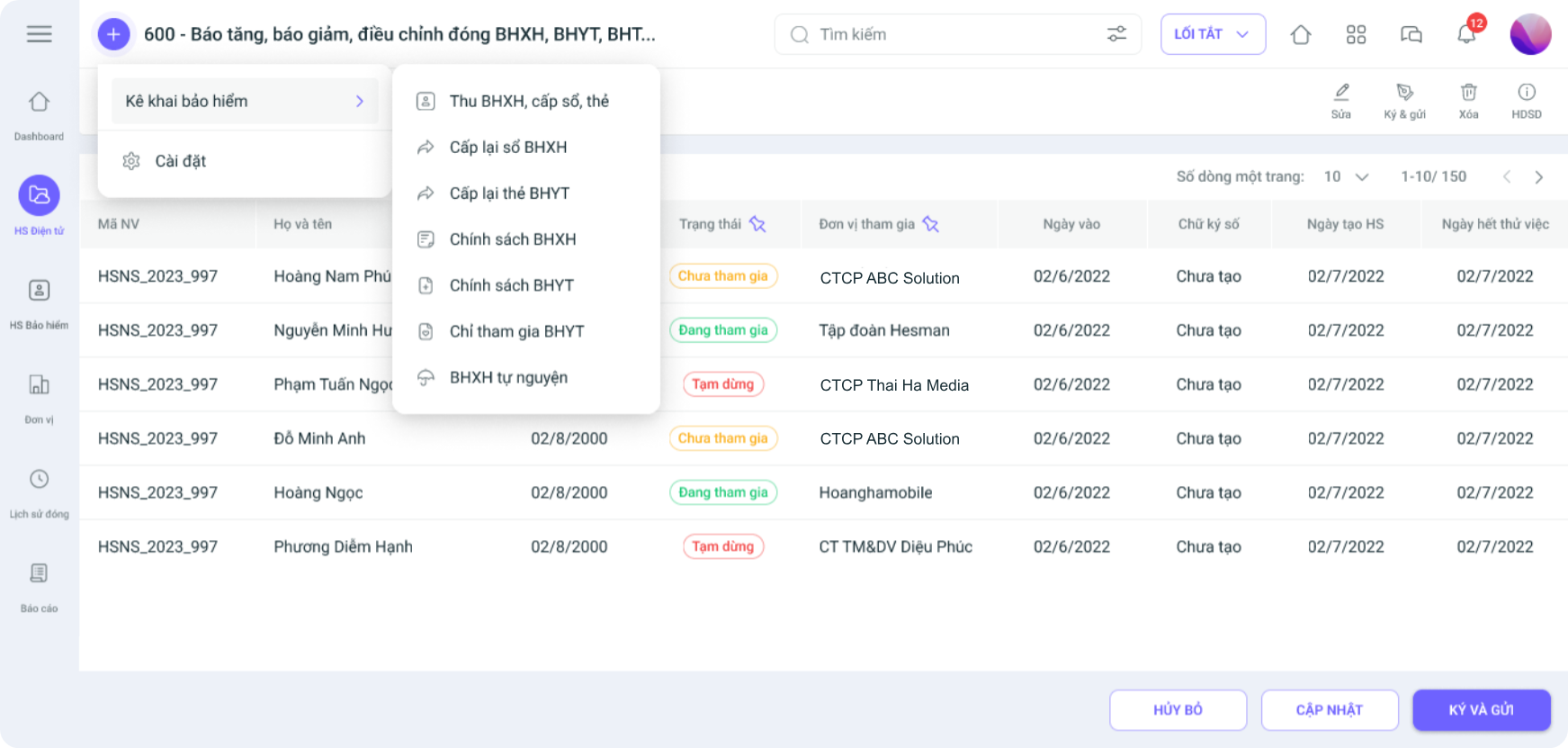
Register for a free feature demo!
Benefits are a crucial factor in building a positive and sustainable work environment for a business. A well-planned, effectively managed, and systematic benefits program will increase employee satisfaction, engagement, and work performance. Therefore, businesses need to focus on investing in and continuously improving their benefits programs to meet employee aspirations and create a competitive advantage in the labor market.




