


 12/05/2026
  268 views
In business, pricing strategy is a crucial tool that helps businesses optimize revenue, create a competitive advantage, attract customers, and maintain market share. The following article by 1Office will provide you with a comprehensive overview of common pricing strategies, how to apply them effectively, and the factors to consider when building a pricing strategy that suits your business.
Mục lục
- 1. What is a Pricing Strategy?
- 2. Common and Effective Pricing Strategies for Businesses
- 3. The Importance of Building a Pricing Strategy
- 4. Factors Influencing Pricing Strategy
- 5. Steps to define and build a pricing strategy
- 6. Frequently Asked Questions About Pricing Strategy
1. What is a Pricing Strategy?
A pricing strategy is a collection of methods, tactics, and plans that a business uses to determine the price for its products or services. The goal of a pricing strategy is to optimize revenue, increase market share, or build the brand’s position in the market.

Besides internal factors within the business (business objectives, production costs, etc.), pricing strategy is also influenced by external factors such as customer behavior, market competition, economic trends, etc., which vary by stage.
2. Common and Effective Pricing Strategies for Businesses
Cost-Based Pricing
Cost-based pricing is a strategy applied by adding a certain profit margin to the total production cost of a product. With this method, businesses can easily set prices without needing extensive market data. However, this strategy may overlook other important factors that could make the price unattractive, such as customer behavior, competitors, etc.
Example: A t-shirt manufacturing company might calculate a production cost of 100,000 VND and add a desired profit of 40,000 VND, making the final price of the product 140,000 VND. This is one of the common strategies in the consumer goods manufacturing industry.
Value-Based Pricing
This strategy focuses on setting product prices based on the value perceived by the customer, rather than on production costs. If a business can demonstrate the unique values, superior features, and differentiation of its product, it can justify setting a higher price. This strategy requires a deep understanding of consumer psychology and behavior, along with a strong marketing strategy to highlight the product’s value.
Example: Apple often applies this strategy when selling the iPhone. Although the production cost is much lower than the selling price, customers are willing to pay a high price for the value in design, features, and brand.
Competitive Pricing
With competitive pricing, a business sets its product prices based on the prices of its competitors. This is particularly suitable in a crowded market where price plays a decisive role in attracting customers. However, if a business only follows competitors’ prices without considering its internal costs, it may risk its profitability.
Example: Supermarket chains like Big C or Lotte Mart, and brands in the fast-moving consumer goods (FMCG) industry, often use this strategy when setting prices for consumer products, basing them on the prices of nearby competitors.
Penetration Pricing
Penetration pricing involves setting a low initial price to help a business quickly attract customers and capture market share. This is a common method for new products aiming to establish a market presence. This strategy can lead to short-term losses and create low price expectations among customers, making it difficult to raise prices later.
Example: Uber used a penetration pricing strategy when it first launched, offering low-cost services to attract customers before adjusting prices after gaining sufficient market share.
Skimming Pricing
For products that are exclusive or highly innovative, especially technology products, businesses often set a high initial price to capture profits from the customer segment willing to pay the most. Over time, the price is lowered to attract other customer groups and sell off remaining inventory. This strategy yields quick profits but may limit the customer base in the initial phase.
Example: Major tech companies like Samsung and Apple often use a price skimming strategy when launching new product lines, selling at a high price initially and then reducing it once the product has gained market share.
Segmented Pricing

Segmented pricing allows businesses to flexibly set different prices based on target customer segments, geographic locations, or distribution channels. For example, a product might be priced higher in developed markets but lower in rural areas. However, businesses need to be careful to avoid causing misunderstanding or negative reactions from customers who notice the price differences.
Example: Airlines like Vietnam Airlines and Vietjet often use segmented pricing, applying different ticket prices for various customer groups such as tourists, business travelers, or families.
Dynamic Pricing
This is a strategy of adjusting prices flexibly in real-time, based on factors such as supply and demand, time, or even market conditions. Dynamic pricing helps businesses optimize revenue but can confuse customers if prices change too frequently. The tourism and e-commerce industries are common sectors that apply this method.
Real-world example: Travel companies like Traveloka, Agoda, or Booking.com use dynamic pricing, changing hotel prices in real-time based on customer demand.
Bundle Pricing Strategy
The bundle pricing strategy is used by combining multiple products or services into a single package at a more favorable price than buying them separately. This method not only increases the customer’s perceived value but also helps sell less popular products. However, if applied too frequently, it can devalue the company’s brand.
Example: Phone companies like Samsung or Apple often offer promotional bundles when customers purchase a phone and add accessories at a reduced price, such as headphones or a phone case.
Promotional Pricing Strategy
This is a strategy of temporarily reducing prices to stimulate purchasing demand or clear out inventory. This strategy is an effective way to quickly increase sales and attract new customers. With this strategy, businesses need to be cautious to avoid devaluing the product in the eyes of consumers or creating a habit of waiting for sales.
Real-world example: Black Friday is a prime example of a promotional pricing strategy, where major brands like Amazon and Walmart offer significant discounts to attract shoppers.

3. The Importance of Building a Pricing Strategy
More than just determining product prices, a pricing strategy is a strategic tool that plays a decisive role in a company’s revenue and business performance.
Optimizing Revenue and Profit
An effective pricing strategy helps a business optimize its revenue stream by balancing production costs, product value, and the customer’s ability to pay.
Example: The skimming pricing strategy is applied in the initial phase, especially for high-tech products, helping businesses quickly recover capital and maximize profits from customer groups willing to pay a high price. Meanwhile, the penetration pricing strategy is often used when a business wants to capture market share in a highly competitive market.
Increasing Competitiveness
In a market where new competitors constantly emerge, a pricing strategy plays a crucial role in positioning the brand and product. A competitive price helps a business attract potential customer groups, especially when other strategies like product quality or service are not significantly outstanding or different.
Example: Brands in the FMCG (Fast-Moving Consumer Goods) industry frequently launch promotional strategies and major deals to boost sales, while also making it difficult for competitors to retain customers.
Enhancing Market Access
A flexible pricing strategy is key to allowing a business to meet the diverse needs of different customer segments. This is particularly important in industries such as transportation, education, or services, where prices are often adjusted for specific customer groups like children, students, or the elderly.
Building and Reinforcing Brand Value/Image
For many high-end brands like Gucci, Chanel, or Apple, a high pricing strategy not only helps optimize profits but also reinforces the customer’s perception of the product’s value and class. A suitable pricing strategy will help a business build trust and shape its brand in the minds of its target customers.
Driving Purchasing Behavior, Increasing Conversion Rates
Price is one of the key factors influencing purchasing behavior. For example, a psychological pricing strategy, such as listing a price at 99,000 VND instead of 100,000 VND, has been proven to significantly impact the purchase decision. This not only helps businesses increase conversion rates but also creates a better impression of the product’s value.
Adapting to Market Changes
The market is constantly changing and fluctuating with factors such as inflation, changing customer demands, or the development of new technologies and inventions. A flexible pricing strategy helps a business adjust and mitigate risks. For example, many technology and entertainment service companies now use the Freemium Pricing model to retain their existing customer base and expand their market.
4. Factors Influencing Pricing Strategy
Pricing strategy is a crucial part of business operations, directly affecting a company’s profitability and competitiveness. The factors that influence pricing strategy include:
Production and Distribution Costs
Production cost is a crucial basis for determining a product’s pricing strategy. Businesses will need to fully calculate costs such as raw materials, labor, transportation, and promotion and marketing expenses. To ensure profitability, the selling price is usually set by adding a desired profit margin.
Market trends and competitors
The market and competitors are external factors that directly influence pricing strategy. Researching competitors’ selling prices and strategies helps businesses understand competitive price points and determine the price sensitivity of their target customer base.
Product features and value
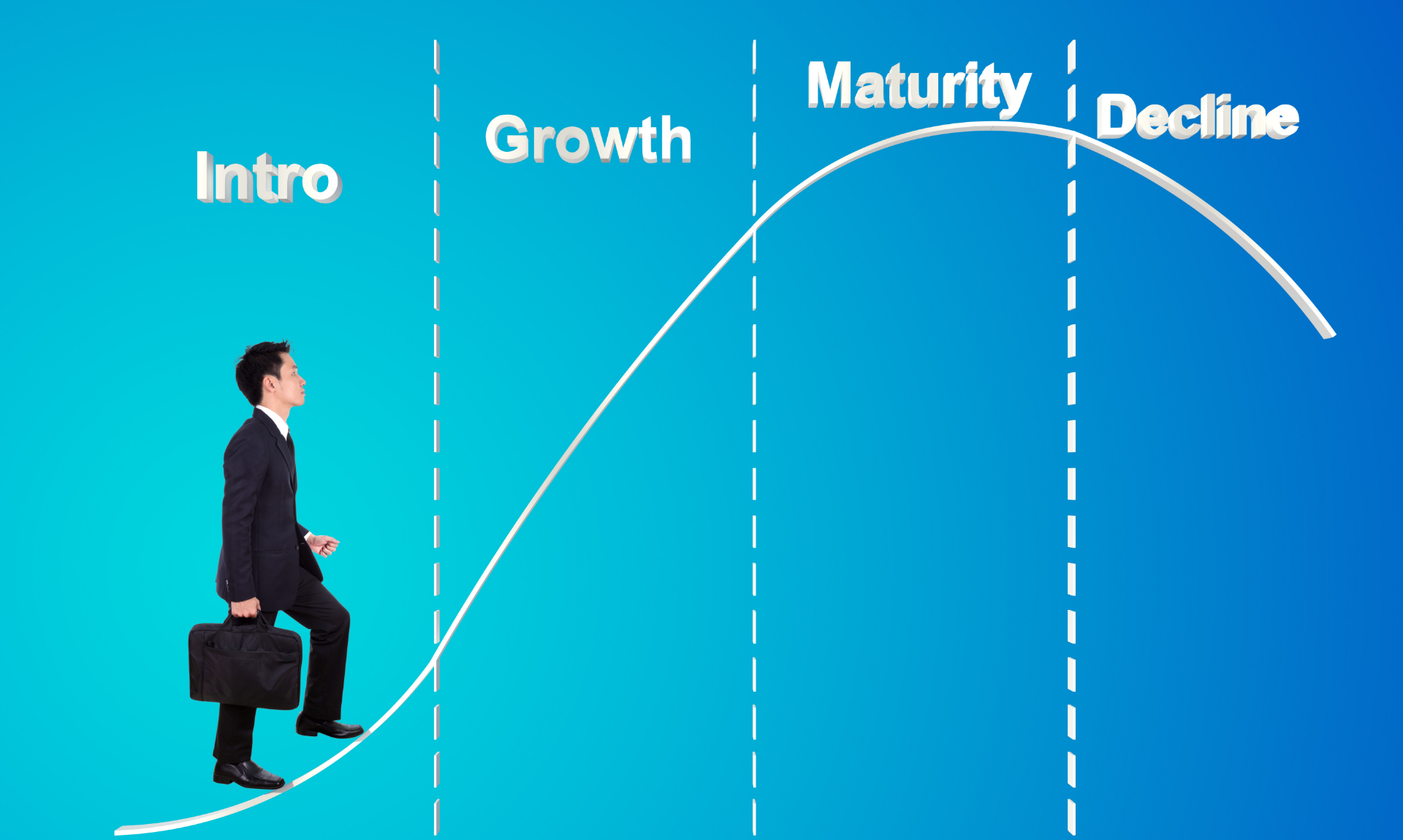
The more unique and valuable a product is, the higher its selling price can be. Additionally, the product life cycle is also a major factor influencing how a business develops its pricing strategy.
Customer behavior and psychology
The customer is the central element in every pricing strategy. Spending psychology, financial capacity, and price sensitivity all significantly affect their purchasing decisions.
Economic and legal situation
Factors such as inflation, taxes, and government regulations can strongly impact a business’s price points and pricing strategy. For example, during an economic recession, businesses often have to lower prices or launch promotional programs to maintain revenue.
Technology and digitalization trends
Applying modern technology helps reduce production costs and increase productivity, thereby allowing businesses to build more competitive pricing strategies. Additionally, the trend of online shopping also encourages businesses to use flexible pricing strategies, such as real-time dynamic pricing.
5. Steps to define and build a pricing strategy
5.1. How to define a pricing strategy in Marketing
Define Marketing objectives
Defining objectives plays a guiding role in a business’s pricing strategy. Depending on specific goals such as increasing conversion rates, enhancing brand awareness, or brand positioning, businesses can adjust their pricing strategy accordingly.
Evaluate and analyze the customer base
By analyzing and researching the target customer base—age, gender, behavior, interests, etc.—businesses can identify and answer questions during the pricing strategy development process, such as:
- How much are customers willing to pay for the product?
- At what price point will customers question the product’s true value?
- If the price is lowered, will the percentage of customers buying the product increase?
- What price point will customers consider too expensive?
Read more: An effective and proper customer analysis process
Analyze competitors
Analyzing and researching competitors’ pricing strategies will help a business adjust its own strategy to avoid losing its competitive edge. At the same time, it also helps the business identify the additional value it provides.
Evaluate market trends
Each industry and sector at a specific time will favor different marketing and pricing trends. These trends will provide important information about customer purchasing behavior, buying decisions, and price sensitivity. Businesses can learn about online shopping trends, social media, and other traditional media channels that customers use. This helps in adjusting the pricing strategy to suit these channels.
Consider internal and external factors
Businesses need to evaluate factors such as financial resources, competition level, product positioning, and the product life cycle to devise the most suitable pricing strategy for the situation.
Evaluate the pros and cons of each pricing strategy
Based on the analyzed data, businesses need to select and build the most suitable pricing strategy by analyzing the pros and cons of each strategy. This evaluation will allow the business to mitigate risks and have an appropriate response plan if issues arise during implementation.
5.2. An effective process for building a pricing strategy
Building a pricing strategy is a multi-step, interconnected process aimed at ensuring a business can optimize profits, compete effectively, and meet market demands. Below is a detailed 6-step process that you can effectively apply in your business:
Step 1: Determine production and business costs
In this step, the business needs to determine the costs to establish a base price for the product, including:
- Production costs: raw materials, machinery, labor, factory, etc.
- Distribution costs: Transportation, storage, goods management, warehousing, etc.
- Marketing costs: Advertising, event organization, promotions, etc.
- Management and operational costs: Office supplies, office rent, employee salaries, etc.
Classifying and controlling costs helps determine the minimum price that the business needs to achieve to avoid losses.
Step 2: Analyze market potential
Market analysis helps businesses predict the quantity of products consumed, potential opportunities and risks that may arise, and at the same time, gain a better understanding of:
– The size and latest trends of the market
– The growth rate of the industry and market
– Price elasticity of demand (ED): Analyze consumer sensitivity to price changes
- ED > 1: Demand is sensitive to price, competitive pricing is needed.
- ED < 1: Demand is not sensitive, a higher price can be set.
- ED = 1: Price has a normal impact on demand.
Step 3: Determine a reasonable price range and competitive price point
In this step, the business will need to answer the following questions:
- Minimum price: At what price will the business break even?
- Maximum price: What is the highest price consumers are willing to pay for the product?
- Competitor’s price: What is the market price for similar products?
Determining a reasonable price range will help the business balance between profit and competitiveness.
Step 4: Build a pricing strategy based on the product structure
Based on the analysis results and the value of each product or service, the business can build specific strategies such as:
- Bundle pricing strategy: Combine high-priced and low-priced products to increase revenue.
- Segmented pricing: Classify prices by customer segment (premium, standard).
- Dynamic pricing strategy: Adjust prices based on time, location, or events.
Step 5: Finalize the pricing strategy and implement
After building the strategy and determining specific price points, the business will need to:
- Create price lists suitable for each customer segment.
- Develop promotional programs to increase the customer’s perceived value.
- Ensure a mutually beneficial relationship between the business, customers, and distributors.
6. Frequently Asked Questions About Pricing Strategy
6.1. Differentiating between pricing strategy and pricing method
| Criteria | Pricing Strategy | Pricing Method |
| Concept | A long-term tactic and plan for setting and adjusting prices to achieve specific business goals such as increasing revenue, capturing market share, or strengthening the brand. | Specific formulas or approaches used to calculate the price of a product or service. |
| Objective | To optimize revenue, business efficiency, meet market demands, and maintain a competitive advantage | To ensure a reasonable price, balancing costs, profits, and the value received by the customer. |
| Scope | Strategic in nature, covering the entire market or a specific segment. | Technical in nature, focusing on pricing for each specific product or service. |
| Influencing Factors | – Business goals (increasing market share, brand building).
– Competitors. – Customer psychology. |
– Production costs (direct and indirect).
– Perceived value by customers. – Competitors’ prices. |
| Timeframe | Long-term, usually applied throughout the product/service lifecycle. | Short-term, focusing on pricing at specific points in time |
| Example | – Penetration pricing strategy: Setting a low price to quickly capture market share.
– Skimming pricing strategy: Setting a high price at the launch of a new product to maximize profits from high-end customer groups. |
– Cost-based pricing: Selling price = Production cost + Desired profit.
– Value-based pricing: Selling price is based on the price customers are willing to pay. |
| Flexibility | Can be adjusted according to market strategy, but is usually stable for a long period. | Easily changed, depending on cost fluctuations or customer behavior. |
| Application | Used in setting marketing strategies, brand positioning, and long-term business planning. | Applied when calculating specific prices for each product/service in the short term. |
| Relationship | Pricing strategy is the overall direction, and the pricing method is the implementation tool for setting an appropriate price. | It is a part of the pricing strategy, helping to specify the strategy through numbers and calculations. |
>>> Read more: What is product pricing? 15+ Effective strategies with examples
6.2. Which pricing strategy is the best?
Currently, there is no single pricing strategy that is considered absolutely the best for every business. To determine the best pricing strategy for your business, you need to analyze and consider factors such as:
- Business type and business objectives
- Characteristics of the target customer group
- Competitive environment and industry
- The brand positioning the business is aiming for
- Product lifecycle and production costs
- The business’s finances and capabilities
The best pricing strategy is the one that best fits the business’s specific context, situation, and challenges. To optimize effectiveness, businesses should combine thorough market analysis, test different strategies, and make flexible adjustments based on real-world data.
6.3. How do you determine the selling price of a product?
Product pricing requires businesses to combine cost analysis, market research, and business strategy. This process allows businesses to set a reasonable selling price, ensuring business efficiency while also being attractive to customers:
- Determine and calculate production and distribution costs
- Analyze product value
- Market research: trends, customers, competitors
- Select a suitable pricing strategy
- Test, evaluate, and optimize
















