


 12/05/2026
  206 views
The C2C model is becoming increasingly popular due to its cost-effectiveness, and many experts predict it will continue to grow strongly in the future. So, what is C2C? What are the benefits of applying C2C in business? All will be answered in this article shared by 1Office.
- What are the B2B and B2C models? Comparing the differences between the B2B and B2C models
- What is B2B? Characteristics and popular B2B business models
- What is the PESTEL model? Applications? Illustrative examples in business
Mục lục
1. What is C2C?
-

What is C2C? The business model of the future in 2023
C2C (Consumer To Consumer) is a business model where individuals can transact directly with each other through online platforms or third parties such as social media sites or intermediary auction websites.
The C2C model can be seen on online marketplaces like Lazada, Sendo, Shopee, and Chợ Tốt,… where consumers can post classifieds and sell their products.
However, these e-commerce platforms often do not provide direct payment and shipping services. Instead, users typically use third-party services like MoMo and AirPay for payments, along with Giaohangtietkiem and GHN for product shipping.
2. Characteristics of the C2C model
C2C is a marketplace for transactions between consumers without the involvement of businesses. Therefore, it has its own unique characteristics:
-

Characteristics of the C2C model
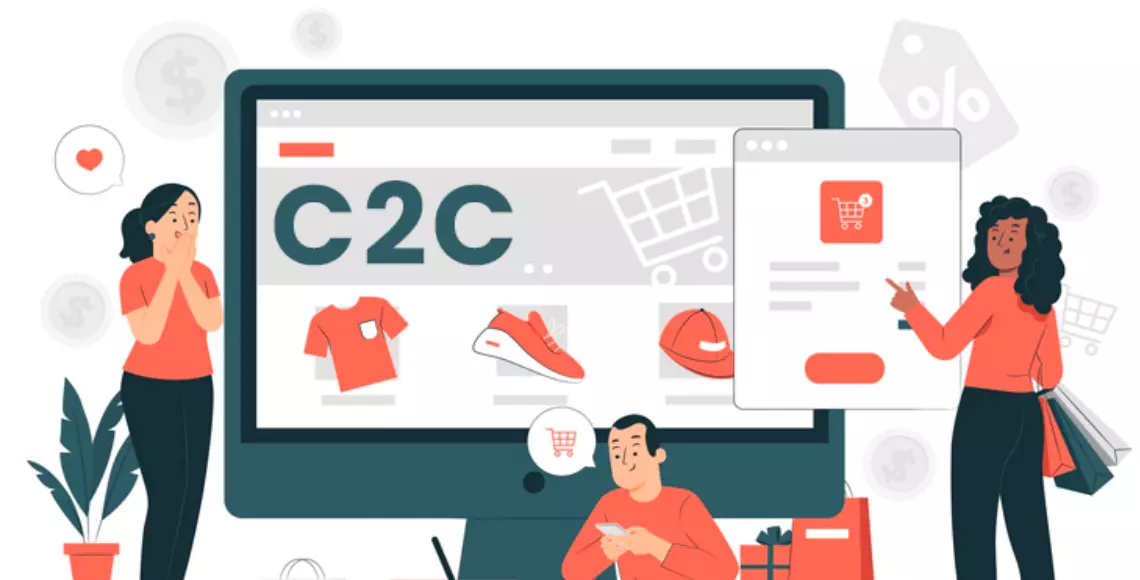
- Competition in products and business items: C2C is a business model based on transactions between individuals, allowing customers to freely exchange and trade products with each other. These individuals are often not manufacturing businesses, and the products they trade may no longer be available on the primary market but still attract interest and popularity.
- Higher profit margins for sellers: Individual sellers can enjoy higher profit margins, as there is no involvement from manufacturers, retailers, or wholesalers.
- Lack of control over quality and payment: Due to the absence of intervention from manufacturers, retailers, or wholesalers, products traded in the C2C model often do not undergo strict quality control, and this can even extend to the payment process.
3. Common activities in the C2C model
Currently, there are many e-commerce platforms that help buyers easily find the products they want while also providing sellers with opportunities to reach potential customer groups. To generate revenue, most C2C platforms charge sellers a fee, either as a flat rate or a small commission percentage, to list their products on the site.
-

Common activities in the C2C model
Specifically, the main activities in the C2C model are:
- Auctions: The auction activity in the C2C model allows sellers to set a floor price for their products. Users who want to buy the item participate in the bidding process, and the person with the highest bid wins the right to own the product. One of the prime examples of auctions in C2C is eBay.
- Exchange transactions: This is a process where users agree to and exchange products or information with each other, often by trading an item for another of equivalent value.
- Support services: Transactions in the C2C model often occur between strangers. Therefore, support services have emerged to improve quality, facilitate convenient payments, and build trust. A prime example is Paypal, an online payment service that supports payments in C2C transactions.
- Selling virtual assets: Virtual assets here refer to in-game items that players own. Players can exchange and conduct trade transactions with other players for use.
4. Benefits and risks of the C2C model
4.1 Benefits of the C2C model
Applying the C2C model brings certain benefits to both buyers and sellers. The benefits that the C2C model offers are:
-

Benefits of the C2C model
- High profit, low cost: Eliminating intermediaries (wholesalers and retailers) from the transaction process helps sellers earn higher profits from their sales, while buyers have the opportunity to find lower prices for the products they need.
- Wide product selection: Sellers on C2C platforms offer many unique and diverse products with various options. With easy online search, buyers can access a wide range of choices, helping them make smart purchasing decisions. This creates a diverse and comprehensive shopping market, benefiting both sellers and buyers in the transaction process.
- Direct interaction capability: In the C2C model, buyers and sellers interact directly with each other, allowing buyers to ask specific questions about products, negotiate prices, and provide feedback or ratings for sellers. This feedback is often used to build trust between buyers and sellers.
The C2C model also provides more detailed information about products, including their unique features, helping customers gain a deeper understanding of the product.
4.2 Risks of using the C2C model
Although buyers and sellers often enjoy a lot of freedom in C2C transactions, this model also has some disadvantages and risks, which are:
- Quality management is not strictly enforced: Because C2C platforms are not directly involved in the production and sale of goods, managing the quality of products on the website becomes difficult and is not strictly regulated.
- The payment process can be difficult: Not all C2C models integrate credit card payment systems, so payments may have to be made in cash or through a separate payment platform, which may incur transfer fees.
- Fraud rate: There are no regulations like in traditional business models, so C2C platforms can experience many cases of fraud, making both buyers and sellers vulnerable. Therefore, buyers need to be cautious of sellers who request unreasonable payment methods and should not disclose too much personal information. Conversely, sellers need to ensure they receive full payment before shipping, but also need to comply with verification requests from customers.
5. Examples of popular C2C models in Vietnam
Below are some typical examples of what C2C is to give you a more general overview of this business model:
-

Examples of popular C2C models in Vietnam
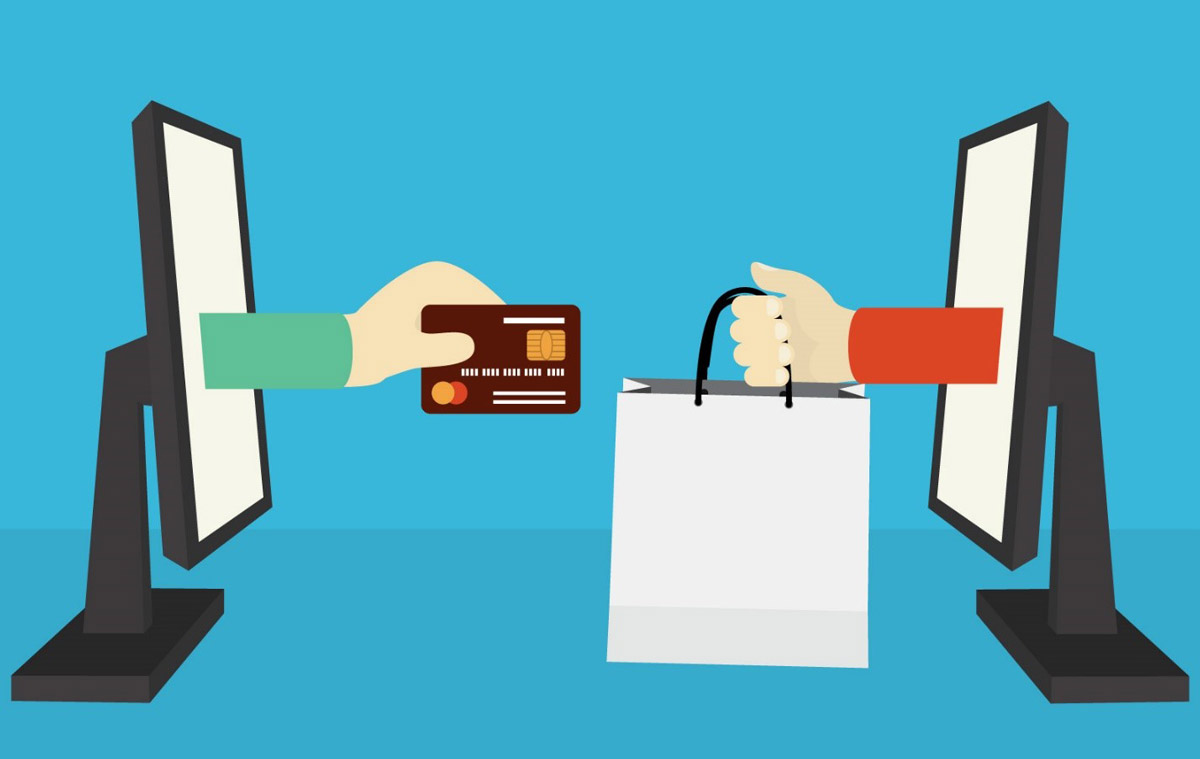
5.1 Shopee’s C2C model:
Currently, Shopee is a C2C e-commerce platform that is growing strongly in Vietnam, attracting millions of users to participate in daily transactions.
Shopee features many attractive large domestic and international stores, with policies that protect both buyers and sellers, along with easy transaction and product return processes.
Furthermore, Shopee has also launched Shopee Mall stores – official stores that have undergone thorough checks to ensure customer rights. By implementing attractive promotional programs and affordable prices, Shopee has become the most beloved shopping channel today.
5.2 Lazada’s C2C model:
Lazada is one of the long-standing e-commerce platforms, specializing in electronic products. To do business on Lazada, sellers must provide certification documents for product quality to ensure customer rights.
In recent years, Lazada has expanded its network into many other product categories, making it easier for users to choose products according to their needs.
5.3 Tiki’s C2C model:
Tiki is an e-commerce platform especially for “bookworms” and office supplies.
Initially, Tiki operated on a B2C business model, focusing on connecting manufacturers/publishers with customers, ensuring product quality and copyright. However, Tiki later expanded to the C2C model and diversified its product categories.
Despite its expansion, Tiki still maintains a strict commitment to business papers and related documents to verify the authenticity of products from sellers. At the same time, Tiki also controls prices to ensure that products do not have a significant price difference compared to the market price.
6. The future of the C2C business model in 2023
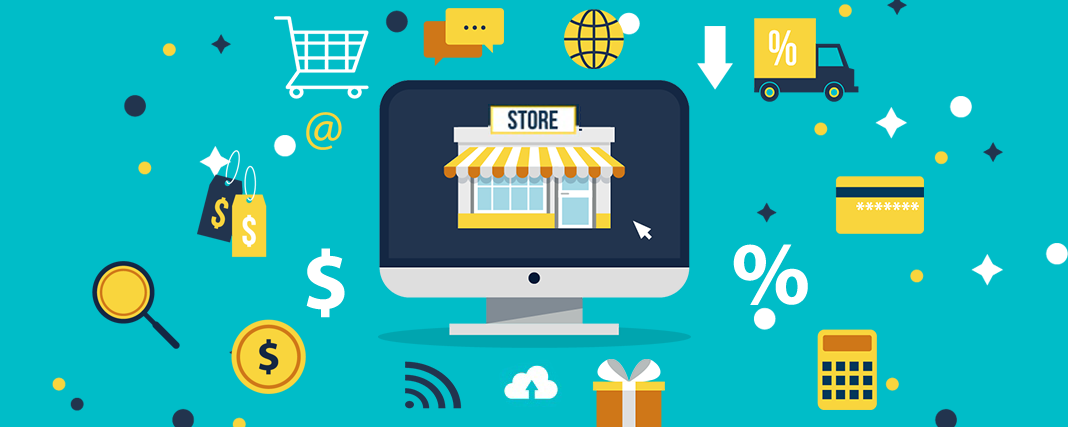
The future of C2C platforms is promising, with continued growth expected in the coming years. Here are some potential developments and trends in the future of the C2C business model:
-

The future of the C2C business model in 2023
- AI technology integration
In the development process of C2C platforms, more advanced technologies will be integrated into the business model. For example, artificial intelligence and AI can be used to identify and predict the behavior of both buyers and sellers, thereby helping to optimize marketing strategies and provide better product recommendations. Virtual reality (VR) technology can also provide a richer shopping experience, allowing buyers to view products visually before making a purchase decision.
- Expansion into new markets
Although C2C platforms have established themselves in many areas, there is still room for expansion into new markets. As the popularity of C2C platforms continues to grow, they can expand their services to emerging markets to attract a large number of potential customers. These new markets offer exciting opportunities for C2C platforms, with untapped market development potential.
- Collaboration with traditional business models
C2C platforms have the potential to collaborate with traditional business models, such as local stores and dealers, to create a more seamless shopping experience for consumers. Traditional business models can benefit from collaborating with C2C platforms by providing consumers with access to a more diverse range of products at more attractive prices.
Furthermore, C2C platforms can also establish partnerships with payment service providers and other services, such as shipping, to offer a more complete and convenient range of services for users.
- Focus on sustainability
As consumers become more environmentally conscious, the importance of promoting sustainable practices within the C2C model is expected to grow. C2C platforms are expected to focus more on sustainability, providing a platform for exchanging goods that promotes sustainable production and consumption.
————————
Thus, the C2C business model is currently one of the most widely applied business models today. The information above is everything 1Office wanted to share with you about what C2C is, as well as the characteristics, operations, and future of this business model. We hope that through this article, your business has found the right direction. We wish you success!
- Hotline: 083 483 8888
- Facebook: https://www.facebook.com/1officevn/
- Youtube: https://www.youtube.com/@1office-chuyendoisodn
















