


 11/05/2026
  139 views
Corporate culture is a crucial factor contributing to a company’s success. It is necessary to invest in building and maintaining a strong corporate culture to compete effectively and develop sustainably in today’s increasingly fierce business environment. In the article below, 1Office shares with you 3 examples of corporate culture from major companies and the lessons that come with them.
Mục lục
- 1. How important is corporate culture?
- 2. 3 Typical Examples of Corporate Culture in Vietnamese Companies
- 3. Develop Corporate Culture with 1Office
- 4. Challenges in Building Corporate Culture in Vietnam
- 5. Comparing Vietnamese and International Corporate Cultures
- 6. Trends in Corporate Culture Development in the New Era
- 7. Frequently Asked Questions
1. How important is corporate culture?
Mary Barra, CEO of General Motors, once said, “Corporate culture is the factor that determines the success or failure of an organization.” Corporate culture plays a crucial role throughout the development process of a business/organization. It is not only the foundation that reflects the behavior and attitude of people working within the same company but also the unique identity that expresses the direction of the entire enterprise.

1.1 Unifying Direction
Corporate culture acts as a guiding compass for all company personnel. During their time working at the company, employees can clearly understand the common goals and purposes and work together to build the business according to agreed-upon actions. Furthermore, the work environment becomes more structured, helping each individual understand their role and responsibilities within the organizational structure.
1.2 Attracting and Retaining Talent
A growing business cannot thrive without skilled and high-potential personnel. A strong company culture with a unique identity creates a positive work environment, helping employees feel comfortable within the company collective. This allows the company to stimulate creativity among its staff and encourage innovative work processes that align with the company’s direction. With a healthy and developmental environment, the business will attract potential candidates who share the same vision and are ready to journey with the company for its continued growth.
1.3 Improving Operational Efficiency
When personnel clearly understand the company’s common goals and are willing to contribute, they will work more effectively. They can bring in large, high-profit contracts for the company. Moreover, corporate culture fosters interaction and collaboration among all employees, improving communication between departments. Easy communication during the work process will help improve productivity and work quality.
1.4 Enhancing Brand Reputation
A business with a good culture, friendly, and competent employees will build a positive image in the eyes of customers, partners, and the community. This helps customers feel more comfortable when using the company’s products. By making a good impression on customers, the business has the opportunity to attract more potential customers, increase its competitiveness in the market, and aim for sustainable development.
2. 3 Typical Examples of Corporate Culture in Vietnamese Companies
Corporate culture not only contributes to business development but is also a factor in creating a healthy work environment to retain potential candidates. However, it is also a double-edged sword that can greatly affect your business if built and developed incorrectly.
=> Read now: 9 mistakes in corporate culture that can “corrode” a company from within.
To give readers a deeper and more multi-faceted view of corporate culture, 1Office presents 5 typical examples of corporate culture that have shaped the success of large corporations.
2.1 Example of Vinamilk’s Corporate Culture
Vinamilk is a major brand that currently holds a large share of the Vietnamese milk market. To achieve the success it has today, Vinamilk relies on a strong and effective corporate culture.
The Visible Layer of Vinamilk’s Corporate Culture
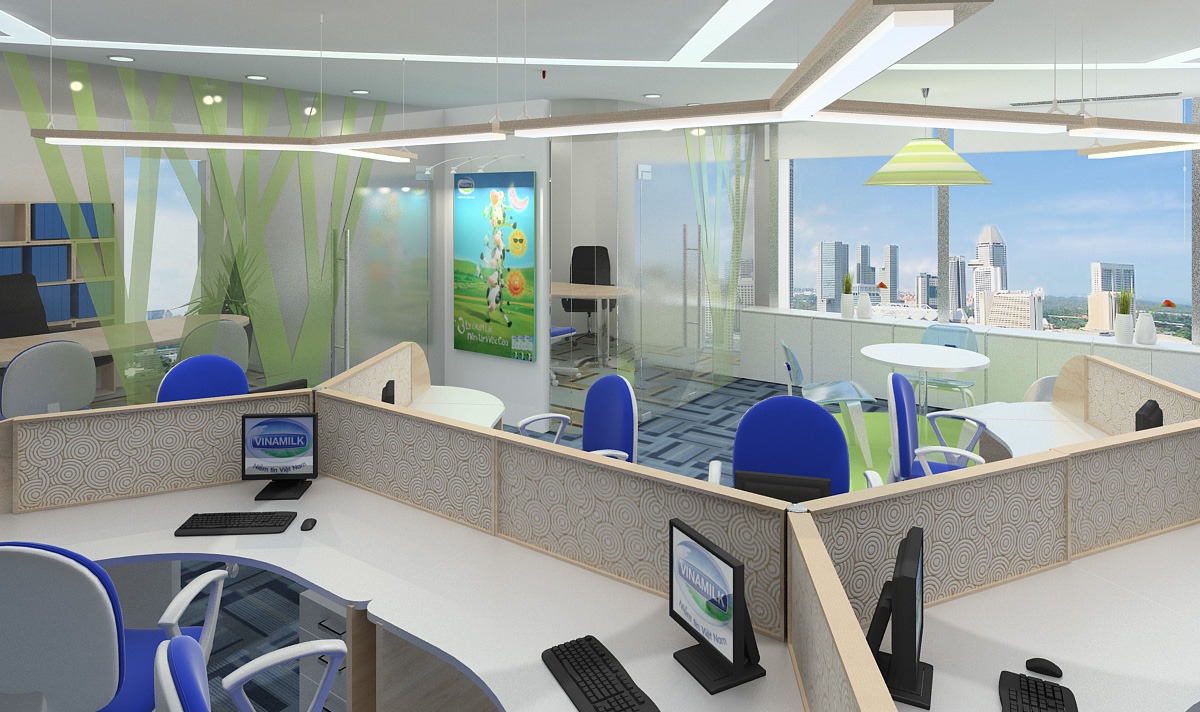
The visible layer of corporate culture is what everyone can easily see and is also what Vinamilk aims to express. The first element of this cultural layer is Vinamilk’s two main colors: blue and white. To reflect the corporate spirit, these two colors are not only featured in the logo, products, and website but are also the dominant colors in the office design.
Vinamilk always demonstrates that the creativity of its personnel goes hand in hand with the company’s development. With the symbol of the Vinamilk ship sailing with its crew towards the open sea, under the motto “Bravely change – Ready to conquer,” this major enterprise expresses its desire to bring Vietnamese milk to the global stage. Furthermore, the traditional song titled “Everyone is a Navigator” not only reflects the vision, mission, and core values of the entire company but also embodies the spirit of prioritizing personnel for the company’s development.
The Intermediate Layer of Vinamilk’s Corporate Culture
At this cultural level, Vinamilk wants its personnel to understand and work based on the values, philosophies, and beliefs that the company aims for. With the mission of providing the community with top-quality nutrition, Vinamilk aims to become Vietnam’s leading symbol of trust in nutritional and health products that serve human life.
With the business philosophy of always considering customers as the center and meeting all their needs, Vinamilk constantly improves quality and innovates daily to create products that are most loved in every region and territory.
The core values that shape Vinamilk’s corporate culture
At this cultural level, Vinamilk is guided towards more solid directions on its development path, helping the company continuously enhance its value. From there, it realizes the goal of bringing Vietnamese milk to the global stage. This affirms that Vinamilk’s corporate culture model is excellent and worth learning from.
6 important principles in Vinamilk’s corporate culture
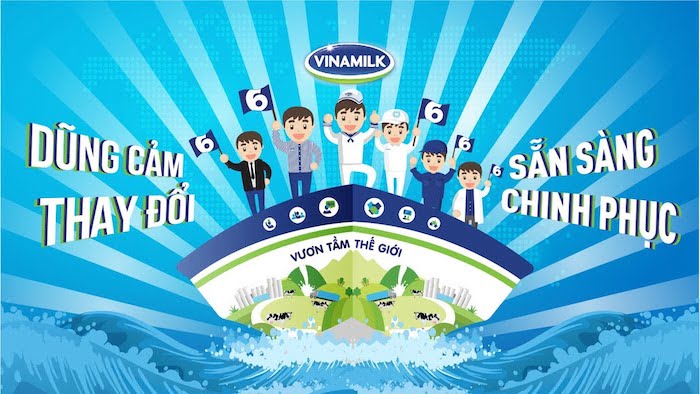
The first step in the journey of building a corporate culture is to create a handbook named “Vinamilk Voyage.” This book is considered Vinamilk’s culture handbook, distributed in an online version to connect all employees. The culture handbook outlines 6 principles that express the company’s culture. Specifically, these 6 principles are as follows:
- Responsibility: When a problem occurs, the first cause is always yourself; do not blame others.
- Results-oriented: People communicate and agree with each other using quantifiable measures.
- Creative and proactive: Never say “no”; instead, always relentlessly seek at least two solutions.
- Cooperation: Adults do not need to be supervised by other adults; they need collaborators. Therefore, employees should cooperate with each other based on principles of equality.
- Integrity: You must be responsible for all your actions and words, and not distort the truth.
- Excellence: You must be a person of deep and broad knowledge, have high expertise, and be an expert of international standards in your field.
2.2 Example of Viettel Group’s Corporate Culture
Viettel is the Military-run Industry and Telecoms Group. This group is a workplace for many people, not only young individuals but also those with extensive experience. As a dream workplace for many, what is Viettel’s company culture like?
To facilitate the expression and training of its corporate culture, Viettel also has its own Corporate Culture Training Document. It has 4 main parts, from general to specific:
- Part I: Let’s Remember: Corporation Name; History of Formation and Development; Milestones of Formation and Development.
- Part II: Let’s Think: Mission; Goals and Qualities of Viettel Employees.
- Part III: Let’s Act: Actions that Express HR Culture; Necessary HR Actions.
- Part IV: Let’s Commit: Employee Commitment; Corporation Commitment.
The success of Viettel Group through each period is closely linked to Viettel’s culture. There are times when we act and execute based on this culture. This has allowed the company to develop and follow the right path, even in the most difficult circumstances. Chairman and CEO of Viettel Group, Tao Duc Thang, shared: “Viettel’s culture lights the way for Viettel’s people. ‘Lighting the way’ means that in difficult, uncertain, and dark times, our culture helps us make decisions.”
6 cultures Viettel Corporation aims for
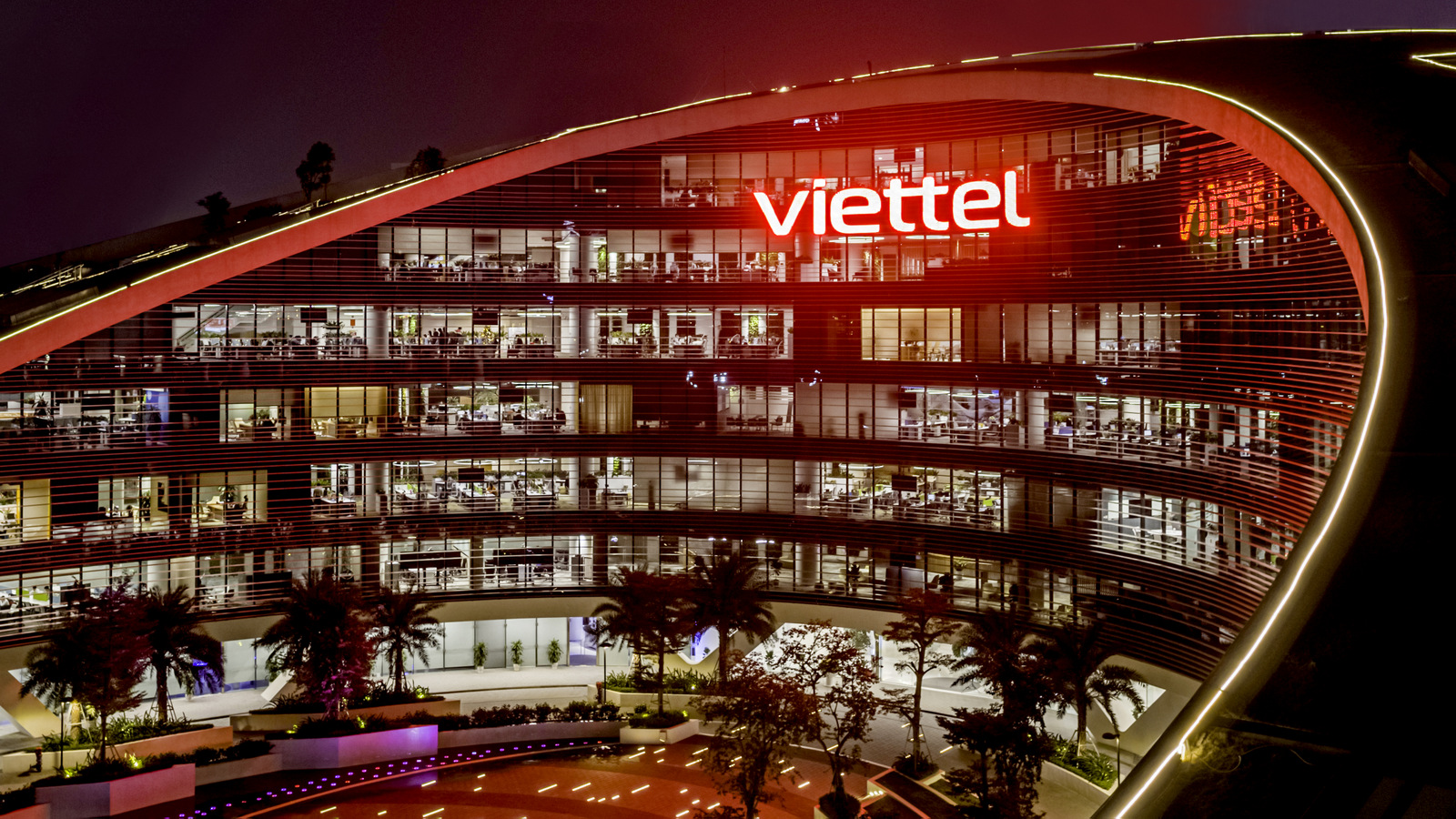
Viettel has established 6 corporate cultures that every Viettel employee must firmly grasp. These 6 cultural rules are as follows:
- Customer-centric culture: A business strategy based on putting the customer first and as the core element of business operations to deliver positive experiences and build lasting relationships.
- Digital culture: This is gradually formed on the company’s digital transformation roadmap as it applies technologies to its operations. Establishing a digital culture can help the company adapt, survive, and thrive in a volatile, globalized world.
- Quality culture: A set of habits, beliefs, and behaviors related to quality that Viettel Construction members strive for to ensure a differentiation in quality, enabling the company to survive and grow.
- Learning culture: The practice of employees continuously seeking, sharing, and applying new knowledge and skills to improve individual and organizational performance.
- Execution culture: The practice of proactively taking actions to achieve the organization’s common goals.
- Risk management culture: The practice of always proactively identifying, analyzing, and assessing risks before making decisions.
2.3 Vingroup’s Corporate Culture: An Example
Vingroup is one of the largest multi-industry private economic groups in Asia. In Vietnam, Vingroup is considered a leader in the national economy. The company prides itself on being a gathering place for the elite of Vietnam and international colleagues—individuals who are disciplined in thought and action, talented and courageous, patriotic with national pride, benevolent, and possess a fierce and thorough work ethic for noble purposes.
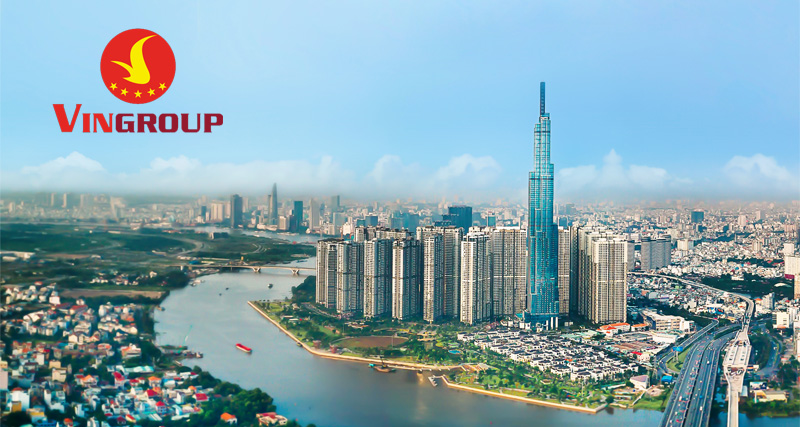
Vingroup always aims for the goal of “Elite People – Elite Products/Services – Elite Life – Elite Society.” To achieve this, Vingroup has successfully built a strong corporate culture with the desire for the brand to continuously reach new heights, striving for a sustainably developed Vingroup and a bright future.
Vingroup’s 6 Core Values
Vingroup uses its 6 core values: “CREDIBILITY – HEART – INTELLECT – SPEED – EXCELLENCE – HUMANITY” as a guiding principle for all its actions.
- CREDIBILITY: Protect credibility as one’s own honor; always be fully prepared with implementation capabilities and strive to ensure commitments are met.
- HEART: Place the heart at the foundation; always uphold the law, maintain ethics; and be customer-centric.
- INTELLECT: View creativity as vitality, a lever for development; promote a spirit of daring to think and act; advocate for building a “learning organization.”
- SPEED: Adhere to the principle of “speed and efficiency in every action,” practicing “quick decisions – quick investment – quick deployment – quick sales – quick change and adaptation.”
- EXCELLENCE: Set the goal: Elite People – Elite Products/Services – Elite Life – Elite Society.
- HUMANITY: Build relationships with a humanistic spirit; value employees as the most precious asset; create “harmony” based on fairness, integrity, and the strength of unity.
Thanks to these core values, Vingroup’s corporate culture has created a professional, dynamic, and creative work environment. All employees are encouraged to maximize their potential and dedicate themselves to the company’s overall development. With a people-centric corporate culture, Vingroup has built long-term trust and loyalty with its staff. Employees always feel proud to work in a dynamic, creative environment full of development potential.
Furthermore, Vingroup’s corporate culture is also geared towards the company’s common goal of creating high-quality products and services, contributing to improving people’s lives and building an increasingly developed Vietnam. Thanks to these factors, Vingroup’s corporate culture has significantly contributed to the group’s success. The group has affirmed its position in the international market, becoming a source of pride for the Vietnamese people. Vingroup’s corporate culture is a prime example of building an effective corporate culture that contributes to business success.
3. Develop Corporate Culture with 1Office
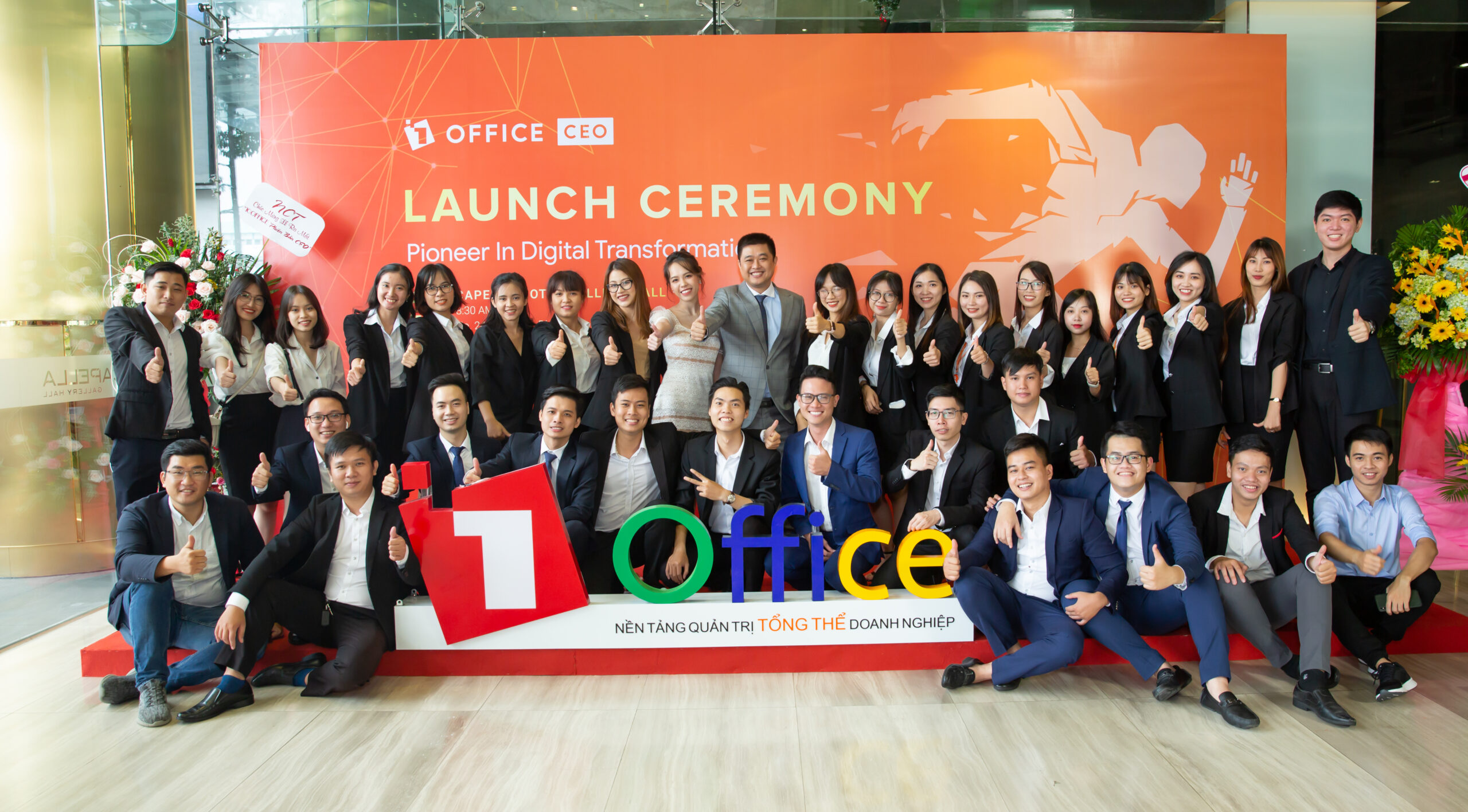
1Office provides a leading business management solution in Vietnam, helping you connect and exchange information with colleagues and partners conveniently. Trusted by many businesses of all sizes, 1Office is constantly evolving with the desire to accompany businesses into the future. With the 1Work ecosystem, businesses will experience the best internal communication platform.
- Easy internal communication environment: With 1Office, businesses can clearly delegate communication management permissions. With an attractive interface, the person in charge can easily draft various internal topics with diverse post types such as announcements, polls, event creation, and more. Additionally, internal communication with 1Work emphasizes interactivity, allowing every individual to comment and share reactions to posts.
- Build independent communication channels directly on the software: Helps create and categorize chat groups by individual, department, or team.
- Embody the spirit of “Every employee is a crucial nucleus of the organization”: Through 1Office, each individual and their direct manager can track that person’s career progression, creating motivation for advancement and recognition. Furthermore, the business can monitor work processes at the company in real-time, thereby implementing appropriate reward and disciplinary policies for employees.
4. Challenges in Building Corporate Culture in Vietnam
Building corporate culture in Vietnam is a complex process that requires perseverance and commitment from leadership to every employee. Some notable challenges include:
- Generational differences in the workplace: Vietnam’s current workforce combines multiple generations: Gen X, Millennials, and Gen Z. Each group has different values, perspectives, and working styles. For example, Gen Z values flexibility and creativity, while previous generations prioritize stability and discipline. This creates a barrier to unifying common cultural values.
- Overemphasis on short-term goals: Many Vietnamese businesses prioritize revenue growth and market share expansion, leading to culture being overlooked. Culture is often mentioned only as a “slogan on the wall” without concrete actions to maintain and develop it.
- Difficulty in measuring and maintaining cultural values: Unlike revenue or profit, culture is difficult to quantify with numbers. Businesses often struggle to assess the effectiveness of cultural engagement activities, which limits long-term maintenance.
- Prevalence of traditional management mindset: In many places, a “top-down command, bottom-up compliance” culture still exists. This stifles creativity, makes employees hesitant to propose new ideas, and makes it difficult to create an open environment ready for change.
Thus, the biggest challenge comes not only from people but also from the management mindset. To succeed, businesses must view culture as a long-term foundation, not a short-term campaign.
5. Comparing Vietnamese and International Corporate Cultures
Vietnamese corporate culture has its own unique characteristics, but when compared to international models, both its strengths and areas for improvement become apparent.
Strengths of Vietnamese corporate culture:
- High spirit of unity, especially during crises.
- Ability to adapt quickly to market fluctuations.
- Employee loyalty to the company is still considered relatively high compared to many countries.
Gaps compared to international culture:
- Limited transparency: Some businesses have not yet established transparent reporting and control mechanisms.
- Overemphasis on relationships: In many cases, hiring and promotion decisions are influenced more by relationships than by competence.
- Lack of focus on employee experience: Factors such as long-term benefits and work-life balance have not received adequate attention.
Businesses can learn from the cultures of global corporations:
- Build transparent and fair mechanisms for evaluation and rewards.
- Encourage diversity & inclusion, creating an open environment where all employees have a voice.
- Invest in well-being (physical and mental health) to retain talent for the long term.
If Vietnamese culture can combine its traditional identity (collectivism, flexibility) with an international spirit (transparency, fairness), it will create a sustainable and globally competitive model.
6. Trends in Corporate Culture Development in the New Era
The world is changing rapidly with digital technology, globalization, and workforce fluctuations. Corporate culture must therefore “evolve” to fit the new era. Some prominent trends include:
- People-Centric Culture: Businesses are focusing not only on profit but also on the employee experience. A fair, flexible, and respectful work environment will retain talent more sustainably than any salary.
- Digital Culture: From work management to internal communication, technology has become an indispensable part. Businesses need to encourage employees to familiarize themselves with digital tools while fostering a mindset ready for change.
- Social Responsibility & Sustainable Development (CSR, ESG): Customers and employees are increasingly concerned about a company’s contributions to the community, environment, and society. Corporate culture must now be linked to social responsibility, transparency, and sustainability.
- Hybrid Work & Remote Work: Remote work and hybrid models are becoming the standard. Corporate culture needs to adapt to ensure engagement among employees, even when they are not in the same space.
- Emphasis on Diversity & Inclusion: Diversity in age, gender, culture, background, etc., is considered a driver of creativity. Businesses need to encourage and respect differences to promote innovation.
Corporate culture in the new era is not just internal; it’s also a commitment to the community, employees, and customers. Businesses that lead in building a new culture will have a superior competitive advantage.
7. Frequently Asked Questions
In this article, 1Office has shared 3 examples of corporate culture from major businesses in the Vietnamese context. We hope readers can gain a more comprehensive view of corporate culture. From there, you can apply these insights to help build a corporate culture that suits your company, aiming for sustainable development.
1Office is always ready to accompany you on the journey of building an effective corporate culture. Please contact us for the best consultation and support. We wish you success!
For all inquiries, please contact:
- Hotline: 083 483 8888
- Facebook: https://www.facebook.com/1officevn/
- Youtube: https://www.youtube.com/@1office-chuyendoisodn
















