


 12/05/2026
  282 views
The dizzying growth of businesses today requires employees to spend more time completing assigned tasks, even their personal time. With high work intensity, people’s physical and mental health declines. So how can you achieve work-life balance? Check out the article 1Office shares below.
Mục lục
1. Work-Life Balance is Also an Art
Life is becoming more developed and modern, which means the cost of living is also rising. To meet consumer demands and living expenses, people today are forced to “sell themselves” to their jobs. They have to take on more tasks, heavier responsibilities, and even work continuously without weekends. Time for oneself and family has, at some point, been “claimed” by work. As a result, working individuals feel tired, stressed, and constantly under pressure from both work and life.
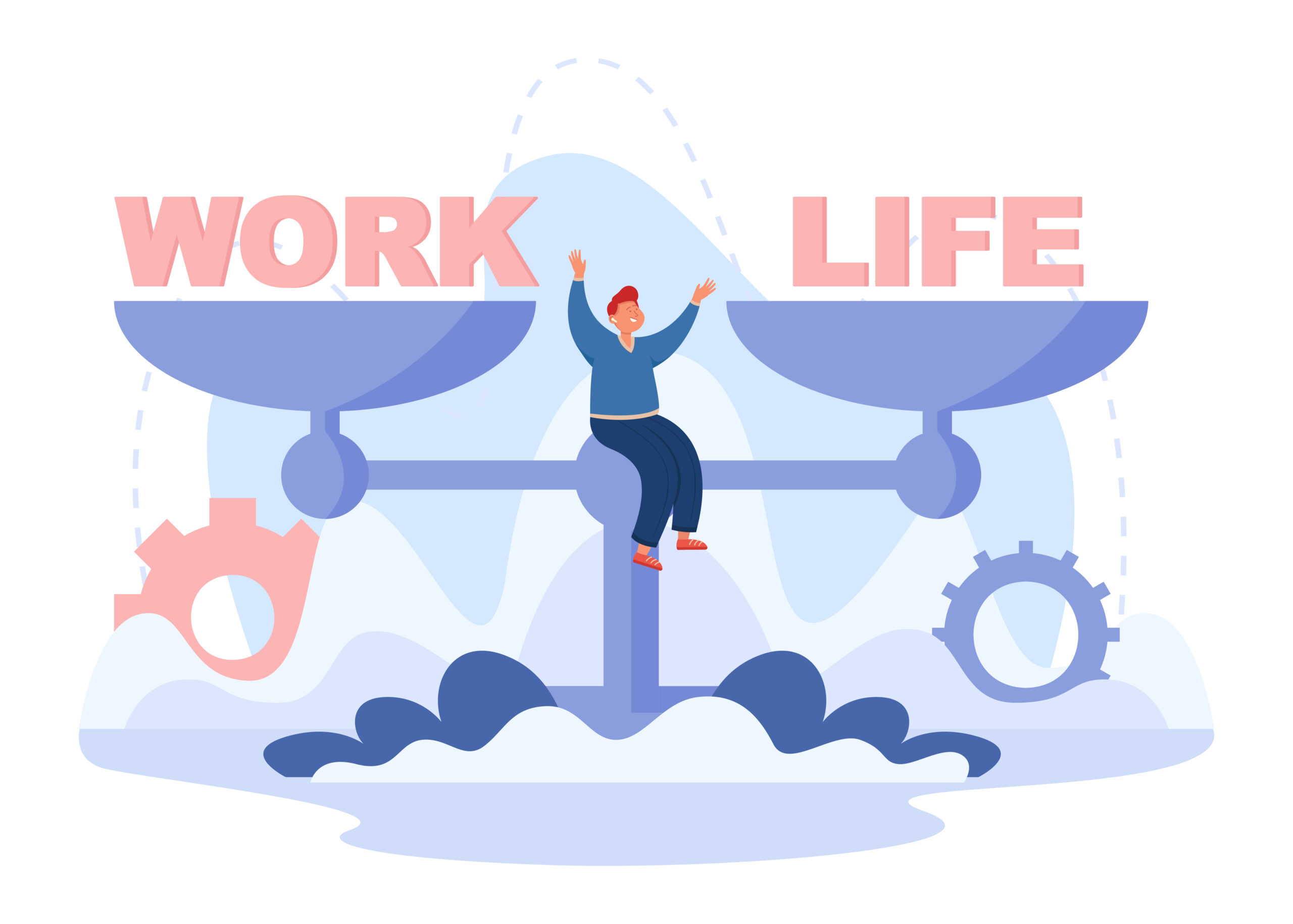
Therefore, balancing work and life in today’s context is truly an art that requires skill and subtlety. It’s not just about allocating time proportionally between work and other personal activities, but also about creating harmony between these two important aspects of life. Although it is difficult, the results are incredibly wonderful. You will feel happier, more fulfilled, and more energetic. At the same time, your work efficiency will become more stable, and your surrounding relationships will improve.
2. Causes of Life Imbalance and Some Accompanying Consequences
Achieving this balance is not easy. Many surrounding factors can affect it. Some of these include: The nature of your job; Family responsibilities; Personal hobbies, and even the culture of your workplace, … Whatever the cause, the result of creating an imbalance in personal life is not good and should be avoided. It can cause countless unexpected harmful effects.
Adverse effects on health and well-being: The first consequence of this life imbalance affects both your physical and mental health. You will always be in a state of fatigue, stress, and lack of motivation at work, …
Reduced work efficiency: Fatigue and stress make it difficult for you to concentrate and work effectively. This can lead to decreased productivity, making mistakes, and in more severe cases, you could lose your job.
Loss of surrounding relationships: When you don’t spend enough reasonable time with family, meet with social contacts, go out with colleagues, etc., these relationships can be affected. You may become distant, communicate less with them, and conflicts may even arise.
An imbalance between life and work causes many different consequences. You need to quickly find the main cause of this situation and resolve it.

3. 9 Tips for a Balanced Life for You
How to achieve a balance between work and life is a timeless topic of interest for every individual. The fast-paced life, high work pressure, and countless other responsibilities make many people feel “suffocated” and lose their balance in life. Below, 1Office brings you 9 tips for maintaining a balance between work and life. We hope you can try them out and apply them successfully.
3.1 Learn to say “NO”
Saying “NO” may seem simple, but it is extremely important. It not only helps you control your time but also focus on what is truly necessary. Instead of nodding in agreement to every request, learn to politely decline unnecessary tasks to make time for yourself, your family, and your passions. Don’t be afraid to turn down additional work or projects if you are already overloaded. Taking on too many responsibilities will leave you exhausted, reduce your productivity, and negatively affect your mental health. Explain your reasons clearly and politely, for example, that you are busy with another important project or need to spend time with your family. Moreover, this is also a way to assert yourself and protect your values. Remember that you are not obligated to meet every request, and you have every right to choose what you want to do and spend your time on.
3.2 Take Breaks in Between
Working continuously for long periods can lead to exhaustion, reduced concentration, and decreased work efficiency. To address this, take a 5-10 minute break after every 60-90 minutes of work. These short breaks will help you recharge, improve your mood, and boost your work performance. During your break, you can take a walk, do some light exercise, listen to music, read a book, or simply close your eyes and relax. These activities help reduce stress, improve blood circulation, and enhance concentration. Make taking short breaks a daily habit to improve your work efficiency and protect your health. With just a few short minutes each hour, you can make a huge difference in your life and work.
3.3 Take a Lunch Break
Lunch is not just for eating; it’s also a time to recharge and relax after a stressful morning of work. Instead of eating at your desk, take the time to go outside for some fresh air or chat with colleagues. Use your lunch break to do things you enjoy, such as reading, listening to music, taking a walk, or doing some light exercise. These activities help reduce stress, improve your mood, and enhance your concentration for a more productive afternoon.

3.4 Take Care of Your Health
Taking care of your health is a key factor in maintaining a balanced life. When you are healthy both physically and mentally, you will have the energy and motivation to pursue your goals, complete your work, and enjoy life to the fullest.
Start by building healthy habits: Eat a balanced diet, exercise regularly, and get enough sleep. Choose nutrient-rich foods, balance your food groups, and limit processed foods. Exercise for at least 30 minutes a day, 5 days a week. Get 7-8 hours of sleep each night to allow your body to rest and recover. In addition to diet and exercise, make time for personal hobbies and loved ones. Participating in activities you enjoy and meeting with friends and family helps you relieve stress, improve your mood, and strengthen social connections.
3.5 Set Clear Boundaries Between Work and Life
Establishing clear boundaries between work and life plays a crucial role in protecting your mental and physical health. When you spend most of your time on work, it’s easy to fall into a state of stress, burnout, and imbalance. To create effective boundaries, you can apply the following measures:
- Limit checking work emails or answering work calls after hours. Dedicate your time fully to yourself and your family. Turn off work email and phone notifications to avoid distractions.
- Avoid bringing work home. When at home, focus on resting, relaxing, and spending time with loved ones. Avoid bringing your laptop or work documents home.
- Make time for yourself and your family when you’re not working. Participate in your favorite activities, meet with friends and family, or simply spend time relaxing alone.
Remember, you are not obligated to be available for every work request at all times. Making time for yourself and your loved ones is just as important as performing well at your job. Set clear boundaries and stick to them to achieve a balanced and happy life.
In life, no one can shoulder every responsibility alone. Sharing the load when necessary is an effective solution to reduce pressure and help you overcome difficulties more easily. Don’t hesitate to seek support from those around you when you face challenges. Don’t be afraid to ask for help from colleagues, family, or friends. They can offer useful advice, help you complete tasks, or simply listen to you.
If you are facing a large workload, proactively delegate some tasks to others. A reasonable division of labor will help you save time and energy while improving work efficiency. Learning to cooperate and work in a team is also an effective way to share the load. When you work together, you can share responsibilities, support each other, and achieve common goals more effectively.
3.7 Manage Your Time to Balance Work and Life
Time management is an important skill that helps you complete work effectively, achieve your goals, and enjoy life to the fullest.
Take time to think about what you want to achieve in your work and life. Setting clear goals will help you stay focused and motivated to execute your plan. Break down large goals into smaller, more manageable tasks. Then, arrange the tasks in order of priority and deadline. Use a calendar or time management tool to track your progress. There are many time management tools that can help you track your progress and complete your work on time.
Not all tasks are equally important. Take the time to identify the most important tasks and focus on completing them first. Avoid wasting time on activities that are not important or do not add much value.

3.8 Nurture the relationships around you
Relationships with those around us play an important role in our lives. They are a great source of motivation, joy, and emotional support. A busy life can be distracting, but don’t forget to make time for the important people in your life. Spend time talking, sharing, and participating in common activities with family and friends. These moments together will help strengthen bonds, create beautiful memories, and reinforce relationships.
3.9 Simplify work operations
Take time to evaluate the tasks you are performing and identify those that do not provide real value or can be automated with technology. Eliminating tedious, repetitive tasks will help you focus on more important duties, thereby increasing your work efficiency. Additionally, a tidy and organized work environment will help you concentrate more easily and complete your work more effectively. Arrange your belongings scientifically, remove unnecessary items, and ensure adequate lighting.
Currently, 1Office is a software solution that helps automate up to 90% of work processes, reducing the workload and aiming to create a work environment of liberated leadership and happy employees. Contact us now for the best experience!
4. Some tips for beginners on balancing work and life
Listen to yourself
The first important thing is to listen to your own needs and desires. Identify what is truly important to you in life, both in your career and in other aspects. When you understand yourself well, you will find it easier to make appropriate decisions to achieve a balance between work and life.
Work-life balance is a journey
Balancing work and life is a journey, not a destination. It requires effort, perseverance, and continuous adjustment to achieve harmony between the important aspects of your life. Don’t let immediate worries and fatigue cause you to miss the opportunity to renew yourself and improve your life for the better.
Support each other when needed
Life is always moving and constantly changing, bringing ups and downs, and challenges for everyone. On this colorful journey, alongside joy and happiness, we cannot avoid difficulties and stumbles. In those moments, the role of mutual support becomes even more important, acting as a bond of love that helps us overcome all hardships.
Supporting each other when needed is not just about caring. It stems from understanding, empathy, and a desire to share with those around you. A sincere word of encouragement or a small gesture of concern can provide immense spiritual strength, helping others get back on their feet after a fall.
In this article, 1Office has shared with you 9 ways to balance work and life and some advice. We hope that readers can find and balance their personal space amidst the hustle and bustle of life.
Contact information:
- Hotline: 083 483 8888
- Zalo: https://zalo.me/nentang1office
- Facebook: https://www.facebook.com/1officevn/
- Youtube: https://www.youtube.com/@1office-chuyendoisodn
















