


 11/05/2026
  233 views
Apple is one of the most famous brands in the technology industry, attracting a large number of loyal customers. To achieve its current success, one cannot overlook Apple’s unique marketing strategies. Let’s join 1Office to learn in detail about Apple’s Marketing Strategy in the article below.
Mục lục
- 1. General Introduction to Apple
- 2. Who is Apple’s Target Audience?
- 3. Analysis of Apple’s Marketing Strategy
- 4. How does Apple apply the 4P Marketing Mix strategy?
- 5. The Impact of Apple’s Marketing Strategy on Consumer Behavior
- 6. What is Apple’s brand strategy?
- 7. Lessons from Apple’s marketing strategy for Vietnamese businesses
- 9. Frequently Asked Questions about Apple’s Strategy
- 8. Conclusion
1. General Introduction to Apple
Apple, also known as Apple Inc., is a technology corporation headquartered in Cupertino, California, USA. Founded in April 1976 by Steve Jobs, Steve Wozniak, and Ronald Wayne, the corporation was initially named Apple Computer, Inc., before officially changing its name to Apple Inc. in early 2007. Starting as a computer company, Apple has grown into one of the leading names in the global technology industry. Known for its innovation and excellent design, Apple currently ranks among the largest technology corporations in the world.
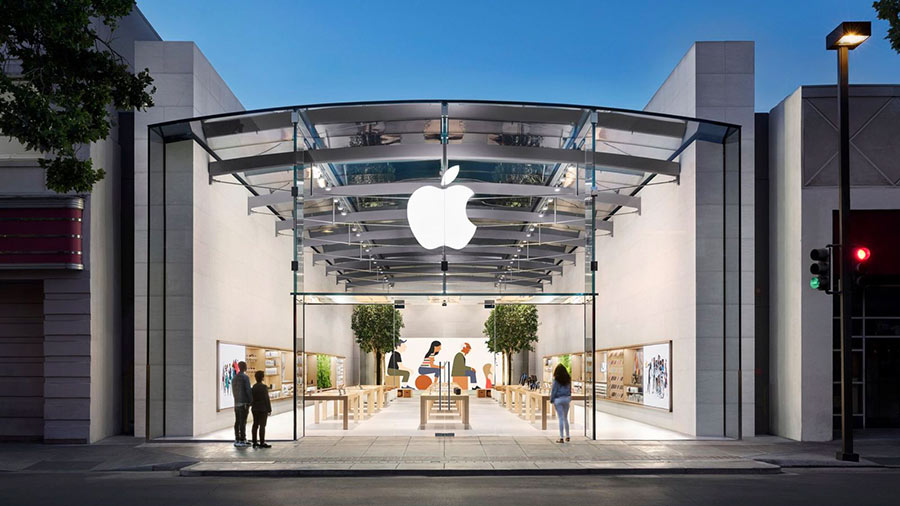
With a reputation and prestige built on excellent products, Apple has made a strong mark in the technology industry. Its prominent product lines include the iPhone smartphone, iPad tablet, Macbook laptop, Mac personal computer, iPod portable music player, Apple Watch smartwatch, Apple TV digital media player, AirPods wireless earbuds, AirPods Max headphones, and HomePod smart speaker.
Additionally, Apple is famous for its operating systems macOS, iOS, iPadOS, watchOS, and tvOS, along with applications and services like iTunes and the Safari web browser. From a relatively unknown company, Apple has demonstrated its strength through unique marketing and business strategies, while continuously innovating in design and product quality, making it a symbol of class and creativity in the technology industry.
2. Who is Apple’s Target Audience?
Apple focuses on the customer segment with upper-middle-class income and above and creative professionals, who prioritize user experience, aesthetics, and an optimized technology ecosystem over price.
Specifically, this customer group is divided into two main segments:
- High-end general users: Targeting individuals with stable financial capabilities who are willing to invest heavily in mobile devices in exchange for luxury, high security, and seamless connectivity. For them, an Apple product is not just a tool but also a symbol of a modern lifestyle.
- Creative professional community: This is a core customer base that includes graphic designers, video editors, photographers, and music producers. With superior hardware power and specialized software like Final Cut or the Adobe suite, MacBooks and iPads have become the gold standard, providing stable performance and the most accurate color display for professional work.
3. Analysis of Apple’s Marketing Strategy
Apple’s current global success and reputation are largely due to its creative and effective marketing strategies. So, what are the successful marketing strategies that Apple has implemented?
3.1 Differentiation Strategy – Focusing on Improving Product Quality
The differentiation strategy is the strategy Apple uses to uniquely position its products, creating a distinction from its competitors. This difference is clear when customers experience the product and it provides them with special benefits. This can be demonstrated through the product’s unique design, the brand’s strong reputation, product support policies, special product or service features, and many other factors.
Businesses often have to rely on competitive advantages, finances, and creativity to choose the factors that determine a product’s differentiation.
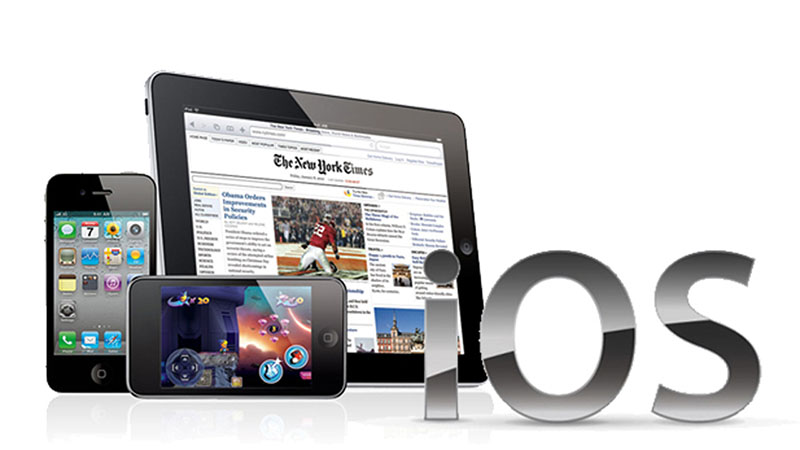
In Apple’s case, from Macbook computers to iPod music players, and mobile devices like the iPhone and iPad, the company has leveraged its USP (Unique Selling Proposition), which is its proprietary iOS and Mac operating systems. This helps them target a segment of the consumer market and convey a strong message that their products are superior to competitors in the market.
In summary, Apple has successfully used a differentiation strategy, demonstrated in the following ways:
Breakthroughs in product design
Apple has differentiated its products not only through outstanding features but also through unique design. Technology products like the iPod, iPhone, and iPad attract users not just for their excellent features, but primarily due to their special design.
For example: Apple’s iPod was not the first music player on the market, but it gained popularity thanks to its beautiful design, like a piece of jewelry for the user. Similarly, the iPad, with its elegant, thin, and light design, made a strong impression that keeps customers thinking of Apple.
Developing a proprietary operating system
Unlike other computer manufacturers that typically use the Windows operating system, Apple specifically chose the Mac operating system for its computer lines. This proprietary OS has attracted a large number of users and built loyalty, favored for its sophistication while ensuring high security, stability, and ease of use.
Apple also leverages this on the iPhone and iPad, which use the iOS operating system. The iOS operating system with high RAM capacity helps Apple’s phones and tablets operate more smoothly and efficiently than competitors using the Android operating system.
Differentiated product pricing strategy
Another important factor in Apple’s marketing strategy comes from its product pricing strategy. Steve Jobs, the company’s co-founder, applied a method of setting high prices that reflect the high quality of the products, while also ensuring profit maximization.
In reality, although the price of Apple products isFocusing on the customer experience is also an important marketing strategy for Apple.
Recognizing the importance of providing a positive customer experience, Apple has implemented a plan to organize free product experience programs to collect feedback and reviews from customers. Such programs attract a large number of customers to participate and contribute important opinions, helping this tech giant develop better products.
Apple leverages sophistication and minimalist design, focusing on the customer experience with products that are a perfect combination of marketing strategy and real customer needs. The customer is always at the center of Apple’s marketing strategies, with the understanding that customer service plays a decisive role in success and in boosting revenue and business profits.
3.3 Developing and connecting the user community
One of Apple’s effective marketing strategies is to develop and connect its user community.
A common reason when asked why they choose Apple products is the connection to the surrounding user community. Apple has built a large community of loyal users. The message of connecting users has created a bond, whether it’s with friends, colleagues, relatives, or even complete strangers. Owning and using an Apple product becomes like having a companion.
Furthermore, Apple’s extensive ecosystem provides the ability to connect users effectively. Anyone using the Mac or iOS operating system can easily share information, photos, or videos with others conveniently.
3.4 Perfection in every sales method
The customer experience at Apple’s retail stores is rated as “top of the line.” The company doesn’t need massive product PR strategies or overly aggressive advertising. Instead, Apple always focuses on practical factors, the real experiences that their target customers can have. This is the key that leads them to success.
According to market research by Nielsen, up to 70% of customers who walk out of an Apple store will buy at least one product. This demonstrates that Apple’s marketing strategy has prioritized the customer experience rather than just advertising. This has helped the brand attract a large number of customers and generate impressive profits.
3.5 Advertising content focused on customer benefits
Apple’s creative advertising strategies focus on showcasing the product’s benefits to the customer.
In its advertising campaigns, Apple has completely eliminated complex terms or jargon, replacing them with simple and direct content that emphasizes the benefits and necessity of the new features its products offer. Through this, Apple creates a simple yet impressive experience that helps customers feel the difference.
Apple’s marketing strategy doesn’t just stop at advertising; it also provides detailed information and pricing to help customers clearly understand and recognize the value of the product in their daily lives.
4. How does Apple apply the 4P Marketing Mix strategy?
Apple executes the 4P Marketing Mix model by perfectly combining groundbreaking technology products, premium pricing policies, and an exclusive distribution system to create a retail empire with a superior customer experience.
4.1 Apple’s Marketing Mix Strategy for Product
Apple’s product strategy focuses on diversification to meet the varied needs of the market. This diversity is not only reflected in its product lines but also creates uniqueness and quality. Apple continuously innovates with product lines such as the iPhone, Macbook, iPad, and many others, all targeting the high-end market segment. This not only provides diverse choices for consumers but also establishes Apple as a symbol of innovation and class in the technology industry.

Besides the product lines above, Apple also offers other accompanying services such as:
- Apple Care: This is Apple’s care and warranty service that gives users the opportunity to maintain, service, and care for their products. This service provides maintenance and support packages at various fee levels, helping users have a smooth and secure experience with their Apple products.
- Cloud storage service: Provides the ability to store data and content, helping customers browse and update personal information flexibly across multiple Apple devices and personal computers.
- Payment services: Apple offers payment services using the Apple Card credit card or Apple Pay, a cashless payment service
- Advertising services: Apple provides advertising services on its platform, allowing third-party partners to implement their advertising strategies.
Although Apple brings many different product lines to the market, the brand remains focused on improving and ensuring high quality for each product. Apple’s marketing strategy places great emphasis on research, and simple and convenient product design. This not only creates a positive user experience but also demonstrates a commitment to quality.
The brand continuously invests in upgrading products and services, ensuring that customers always receive the best experience. Apple products are designed for easy data synchronization, creating effective information management across their devices.
>>> Read more: Detailed analysis of Apple’s product development strategy
4.2 Apple’s Marketing Mix Strategy for Price
What’s special about Apple’s pricing strategy is its flexibility and creativity in product pricing. By focusing on quality and user experience, Apple sells not just a product, but a sense of uniqueness and class. By maintaining high prices, they create an image of luxury and quality, attracting customers seeking uniqueness and advancement. A deep understanding of market needs and desires has helped Apple maintain its position as a high-class, trustworthy brand.
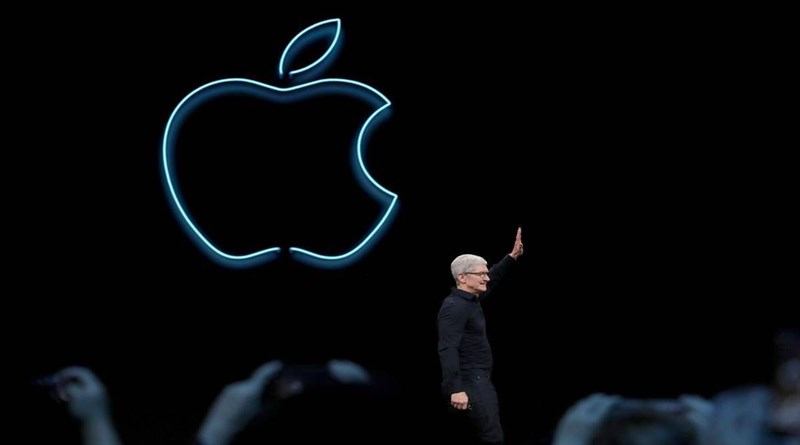
Here are the key pricing strategies that Apple has implemented:
Premium Pricing Strategy
Apple’s premium pricing strategy is a dominant market strategy where their products are not only considered for their practical value but are also highly valued for their perceived value and brand. Apple intentionally sets high prices to create an impression of luxury, uniqueness, and high quality in the minds of customers.
This brand sells not just products but also experiences and lifestyles. Apple’s premium pricing strategy helps build a strong brand image and creates customer expectations for quality and class. Despite the high prices, Apple attracts customers with the uniqueness, creativity, and high performance of its products, creating a strong incentive for customers to choose them.
This shows that, for Apple, price is not just a number but a crucial part of brand perception and product value.
Value-Based Pricing Strategy
Apple’s value-based pricing is a strategy the brand uses to focus on the customer’s perceived value of its products and services. Instead of just focusing on production costs, Apple places great emphasis on meeting customer wants and needs by providing unique features and experiences.
With a value-based pricing strategy, Apple creates an impression of uniqueness and high product quality. Their products are not just technology but symbols of lifestyle and class. The integration of new features and improvements into Apple products is done with the goal of increasing customer value, making them feel they are receiving a value that exceeds the price.
This shows that value-based pricing is not just how Apple determines product prices, but also how they build and maintain a positive relationship with customers, positioning them as savvy consumers who appreciate the true value of the product.
Psychological Pricing Strategy
Psychological pricing is a subtle strategy aimed at stimulating the mood and shopping desires of customers. In the business world, Apple is an excellent example of applying this effect to add value to its products and motivate purchases. In this way, they not only sell products but also create positive experiences and feelings, sparking anticipation and curiosity from customers. This helps Apple build a strong brand image and maintain customer loyalty while optimizing its sales.
One typical example is the “ending-in-9 effect,” where a product priced at $99.99 creates a more positive impression on the buyer, making them feel the product is a better value. Apple leverages such small details to create an impression and attract customers, which is a truly important part of their unique pricing strategy.
4.3 Apple’s Marketing Mix Strategy for Place (Distribution)
Apple has skillfully built a diverse distribution system, as a way to reach customers from many different angles. Apple’s distribution strategy includes:
- Official Website: Apple leverages its online power by distributing directly through its official website. This creates opportunities for customers to shop online and experience the convenience of internet purchasing.
- Online Retail: Apple also uses various e-commerce retail websites to reach a broader audience. Collaborating with online retailers helps them expand their influence and enhance market reach.
- Corporate Resellers: Apple integrates corporate resellers into its distribution strategy, creating customer touchpoints through reputable and professional partners.
- Apple Stores: Apple Stores worldwide are not just points of sale but also product experience spaces that enhance interaction and direct connection with customers.
- Local Retail Stores: Apple expands its presence through local retail stores, leveraging traditional sales networks to reach more consumers.
- Authorized Partners: They also collaborate with authorized partners, also known as resellers, to expand their scope and presence in the global market.
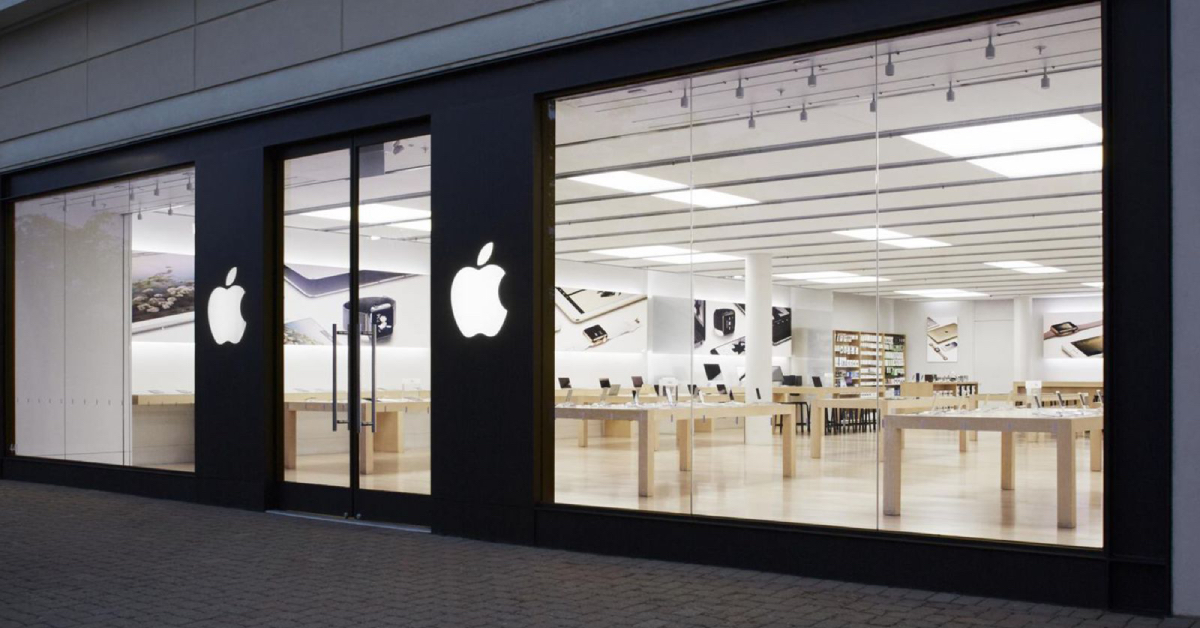
In the Vietnamese market, Apple has established two official exclusive distribution partners, Vinaphone and Viettel, two major network operators with a strong presence in the telecommunications industry. Additionally, they also collaborate with many leading retail distributors, such as Nguyễn Kim, Thế giới di động, Viễn thông A, and FPT, thereby expanding their customer reach.
For its international distribution system, Apple maintains an extensive global distribution network, making it easy for customers worldwide to access and purchase their products. This diverse distribution strategy is a crucial part of Apple’s marketing strategy, helping them expand their presence and optimize their reach to the target market.
4.4 Apple’s Marketing Mix Strategy for Promotion
The Apple brand has shone with creative and effective advertising campaigns, attracting large crowds of customers and strengthening brand recognition. Some of Apple’s typical promotional strategies in its marketing mix include:
Apple’s Marketing Campaigns – Differentiated Advertising
Apple demonstrated its strength in advertising through the “Think Different” campaign—a famous creation that marked a significant turning point in the brand’s history. Led by Steve Jobs and his creative team, this campaign was not just an advertisement but a declaration of difference and innovation.
In this campaign, Apple not only promoted its products but also celebrated the “crazy ones” and the unique thinkers who changed the world. By doing so, they built a solid brand image as a symbol of creativity and an extraordinary spirit.
The results of the “Think Different” campaign were not just impressive numbers like increased sales and stock value, but also Apple setting a new standard for how a brand can interact with its customers. This was highly acclaimed through many prestigious advertising awards, highlighting Apple as an influential and innovative brand.
Few Price Incentive Policies
In Apple’s marketing mix strategy, the brand consistently focuses on its value proposition rather than on price. This is evident in how Apple rarely implements price incentive policies and frequently emphasizes the special value that each product delivers.
This distinction creates a unique competitive edge and helps Apple maintain its advantage. Instead of focusing solely on price, the brand primarily emphasizes the outstanding features and benefits of its products, stressing that their uniqueness and high performance are the true value customers are willing to pay for. This ensures Apple always has a convincing answer to the question: “Why should I choose you over your competitors?”
5. The Impact of Apple’s Marketing Strategy on Consumer Behavior
Apple doesn’t just sell products; it sells experiences and a lifestyle. This special marketing strategy has created profound changes in the behavior of consumers worldwide.
Key impacts on customer behavior:
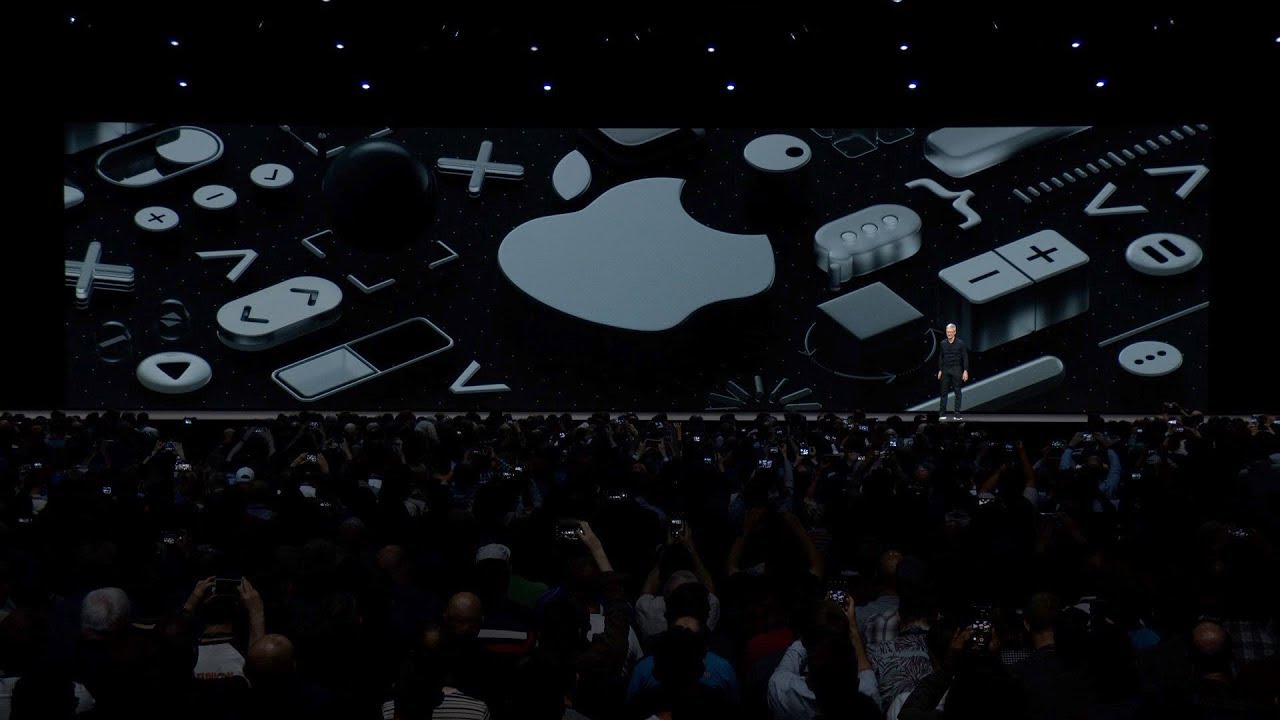
- Creating the Expectation Effect: Every Apple product launch event becomes a “tech show,” making customers wait in anticipation and willing to stand in long lines to own the new product.
- Building Symbolic Consumption Psychology: The iPhone, MacBook, AirPods, etc., are not just tools but have become symbols of status and lifestyle. Consumers choose Apple to express their identity.
- Fostering Brand Loyalty: The “iFan” community is always ready to defend the brand and recommend its products to others. This is the clearest evidence of the power of experiential marketing.
- Changing Tech Consumption Habits: Apple creates a demand for “periodic upgrades”—users always want to experience the latest version, even if their old product still works well.
Apple’s marketing strategy has turned customers into loyal fans rather than just buyers. This is a rare achievement that has helped Apple maintain its leading position for decades.
6. What is Apple’s brand strategy?
Apple’s brand strategy focuses on emotion and lifestyle rather than technical specifications. Apple positions itself as a symbol of creativity and class, creating differentiation through a minimalist design philosophy and a unique ecosystem to maintain absolute customer loyalty.
Apple positions its business philosophy in the “luxury tech” segment – high-end technology with a focus on fashion and lifestyle. Instead of competing on specs, Apple competes on brand class, user experience, and its product ecosystem.
Core elements of Apple’s premium positioning:
-
Timeless design: Each product has a minimalist, consistent style with premium materials (unibody aluminum, titanium, sapphire glass).
-
Higher-than-average prices: iPhones, MacBooks, and AirPods all have premium price points, becoming a symbol of “tech class.”
-
Closed ecosystem: iOS, macOS, iCloud, AirDrop, etc., provide a seamless experience that is difficult for competitors to replicate → increasing “switching costs” and making it hard for users to leave.
-
Premium retail experience: Apple Stores are designed like art showrooms, creating a distinct feeling from the moment you walk in.
-
Global consistency: Apple maintains a consistent positioning in every market, becoming a symbol of a modern lifestyle.
The result: Apple is not just a tech brand — it is a cultural icon that makes users feel proud to own its products.
6.2. The “simplicity is the ultimate sophistication” mindset in design & communication
Apple pursues the “Less is more” philosophy: Simplicity in its products, interfaces, advertising, messaging, and even its marketing strategy.
In product design:
-
Eliminating extra buttons → The iPhone was reduced to just one Home button (which was later removed entirely).
-
A flat, easy-to-see, easy-to-use iOS interface → targeting a diverse range of users.
-
Apple focuses on every small detail: rounded edges, materials, colors, and touch gestures.
In user interface & user experience (UX/UI):
-
The App Store, iMessage, FaceTime, etc., are all designed to be intuitive enough to use without instructions.
-
Apple always maintains simplicity to reduce the cognitive load on users.
In communication & advertising:
-
Apple almost never talks about technical specifications.
-
Advertising messages are always concise and emotional:
“Think Different”, “Shot on iPhone”, “Privacy. That’s iPhone.” -
Minimalist visuals: a white background, the product in the center, nothing cluttered.
-
Focusing on one core feature → helps customers remember it easily.
Why does Apple choose simplicity?
-
When there is too much information, simplicity becomes an advantage.
-
Minimalism helps the brand maintain a mature – luxurious – modern style.
-
When competing on specs becomes a “bloody” race, Apple chooses to play the game of emotion and experience.
This minimalist mindset helps Apple stand out completely from the rest of the market.
6.3. Building emotional value: Selling “class,” not products
What makes Apple the world’s most powerful brand isn’t its hardware — it’s the emotional value.
Apple sells to users:
-
a sense of creativity
-
a sense of being different
-
a sense of pride
-
the feeling of using “top-tier” technology
Some emotional values Apple conveys very well:
-
Creativity: Apple is for those who “Think Different.”
-
Personalization: Apple devices are tools to express personal style.
-
Emotional Connection: The ecosystem helps all products “connect” with users through data, photos, messages, and memories.
-
Peace of Mind: Users feel secure about privacy, quality, and stability.
Apple’s message is never about selling specs – they sell experiences:
-
Camera → they don’t talk about megapixels, but rather “Shot on iPhone.”
-
Chip → they don’t talk about speed, but rather “Powerful enough for you to be more creative.”
-
Mac → they don’t talk about RAM, but rather “The ultimate creative machine.”
7. Lessons from Apple’s marketing strategy for Vietnamese businesses
While not every business has the resources of Apple, its marketing philosophies can certainly be applied in Vietnam. Here are important lessons for businesses in Vietnam:
- Put the customer at the center: Apple focuses on the user experience rather than just talking about features. Vietnamese businesses also need to listen to and solve the real “pain points” of their customers.
- Build a distinct brand: Apple is associated with the message “Think Different.” Vietnamese businesses can create differentiation through brand storytelling, culture, or customer care services.
- Create a loyal user community: Apple has its iFans, and Vietnamese businesses can certainly build a group of loyal customers to increase word-of-mouth effects.
- Invest in quality and detail: From packaging to service, Apple does everything meticulously. This is an important lesson for increasing the perceived value of a product.
- Apply experiential marketing: Organize events, create experiential spaces, or launch emotionally resonant communication campaigns to make the brand memorable to customers.
The biggest lesson from Apple for Vietnamese businesses is: sell value and experiences, not just products. When customers feel they “belong” to the brand, they become the most natural and loyal advertising channel.
9. Frequently Asked Questions about Apple’s Strategy
How does Apple handle technical issues with new products to protect its brand?
Apple applies a “Proactive Defense” strategy. Instead of arguing, they typically investigate quietly and release software updates or free replacement programs (like for the butterfly keyboard issue). Prioritizing customer satisfaction over repair costs helps Apple maintain its reputation and absolute trust.
Why does Apple restrict third-party intervention in its operating system?
This is a “Total Control” strategy. Closing the ecosystem helps Apple ensure maximum security, software stability, and most importantly, compels users to use its own services, thereby optimizing revenue from the services division.
How does Apple’s Marketing strategy change in emerging markets?
In these markets, Apple does not lower the price of new products but uses an “Extended Lifecycle Strategy.” They continue to sell older iPhone models at more accessible prices. This helps Apple capture market share without diminishing its value as a premium brand.
What is the role of information security in Apple’s Marketing strategy?
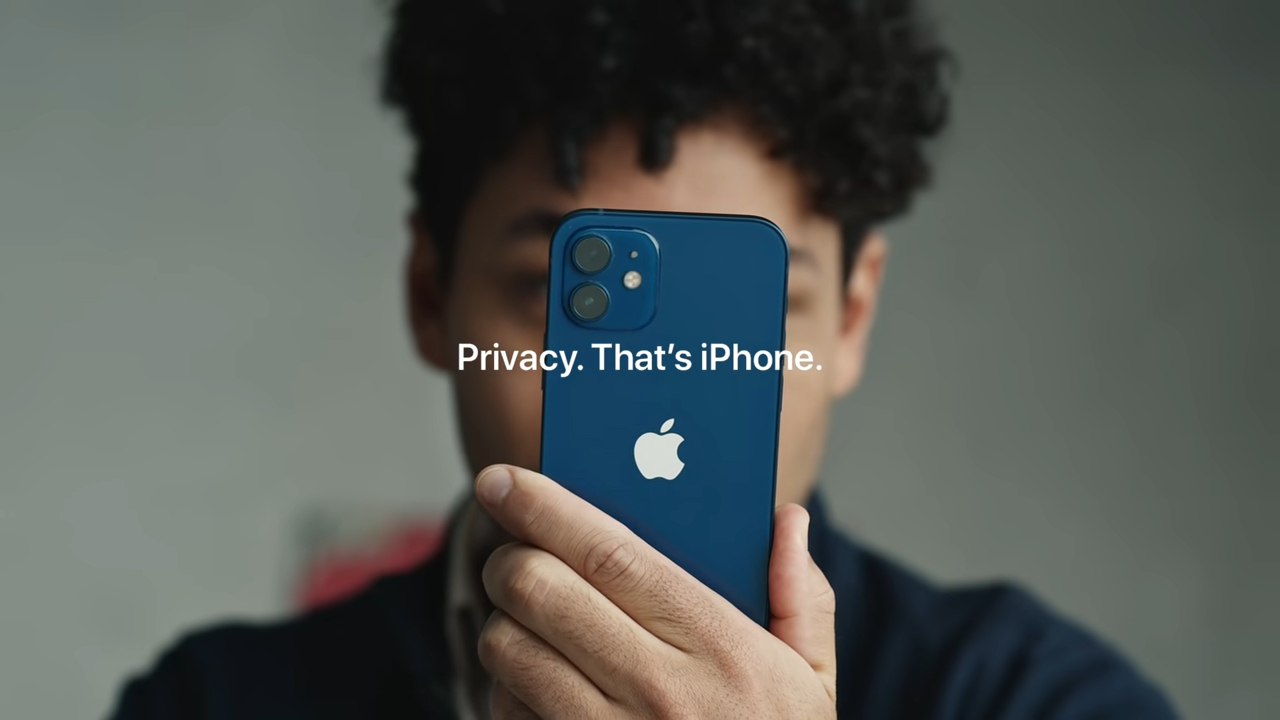
Apple turns “Privacy” into a premium product feature. Instead of treating security as a default element, Apple promotes it as a privilege exclusive to Apple users. The “Privacy. That’s iPhone” campaign directly addressed the modern customer’s concern about data collection.
How to apply Apple’s lean management mindset to small businesses?
The secret is “Cut to focus”. Businesses should eliminate underperforming product lines to concentrate their efforts on one outstanding core product.
Additionally, to manage this lean and professional approach, you can use 1Office 1Process. With the No-code feature, businesses can easily automate workflows from production to customer care, helping to save costs and operate smoothly without a cumbersome apparatus or a complex IT team.
Sign up for a free feature demo!
8. Conclusion
Apple is one of the “leaders” in the technology industry, leading the way with millions of loyal customers who are ready to trust and use its products. To achieve its current position, Apple has implemented effective marketing strategies such as:
- Focusing on improving product quality to create differentiation
- Emphasizing the customer experience
- Developing and connecting the user community
- Distinctive and unique advertising campaigns
We hope that through this article, your business has gained a deeper insight into the marketing strategies Apple has implemented. This can be a source of inspiration for researching and applying marketing strategies suitable for your business.
















