13/05/2026
  285 views
Production management helps factories, workshops, etc., operate smoothly within the business production system.

The production management profession plays an important role in most industrial sectors. It helps ensure production schedules are met, goods are of high quality, and production is efficient. 90% of enterprises and factories have a production management department. So, what is this profession, and what specific requirements are needed to perform it effectively?
Table of Contents:
- What is production management
- Necessary competencies for the production operations management profession
- Classification of the production management structure
-
- Management department
- Main production department
- Auxiliary production department:
- Ancillary production department
- Production service department
Mục lục
What is production management
A business needs the management and organizational skills of its leaders for the production process to run smoothly. Production management is one of the segments of production activities. This stage helps the company effectively manage employee work progress, proactively, and limit business risks. It involves establishing plans and coordinating production activities to create products that meet set requirements.
The primary goal of this is to ensure the ability to produce the correct quantity and quality of products on schedule. Additionally, it requires flexibility in meeting customer requirements and desires to optimize production.

Some specific roles in production management include: team leader, foreman, shift manager, production area manager, etc.
Necessary competencies for the production operations management profession
-
Professional competencies
This is an essential group of skills for the production management profession. These professional skills help managers control and resolve issues related to the technical aspects of the job.
Professional skills include:
- Ability to plan and manage the production system
- Ability to build staffing levels for the production department
- Forecasting production output
- Building internal interaction and cultural activities to boost morale and employee performance
-
Supportive competencies
Supportive skills are those outside of the core expertise, but they supplement and help supervisors and managers perform their duties well in production activities.
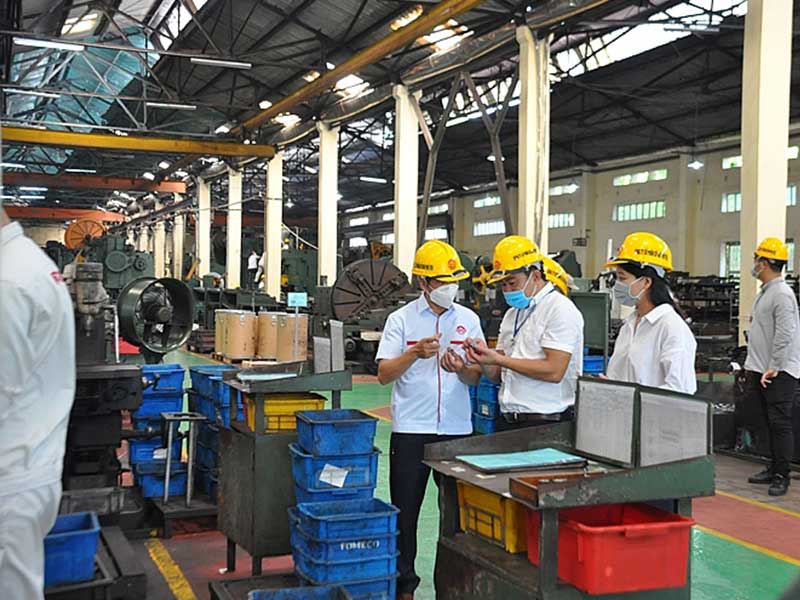
Some supportive skills a manager needs include:
- A scientific and professional management style and approach
- Crowd coordination skills
- Dedication and responsibility
- Knowing how to use technology tools to support management
Classification of the Production Management Structure
Depending on the specific nature of the production field, there will be a separate organizational structure for the production management division. The production organizational structure is closely linked to personnel, functions, expertise, space, and interrelationships. This structure is usually divided into:
-
Management Division
This is the head of the production division, responsible for advising and consulting with leadership on planning production goals and resources, and operating the production line to meet requirements. This typically includes workshop foremen, production department heads – deputy heads, etc.
-
Main Production Division
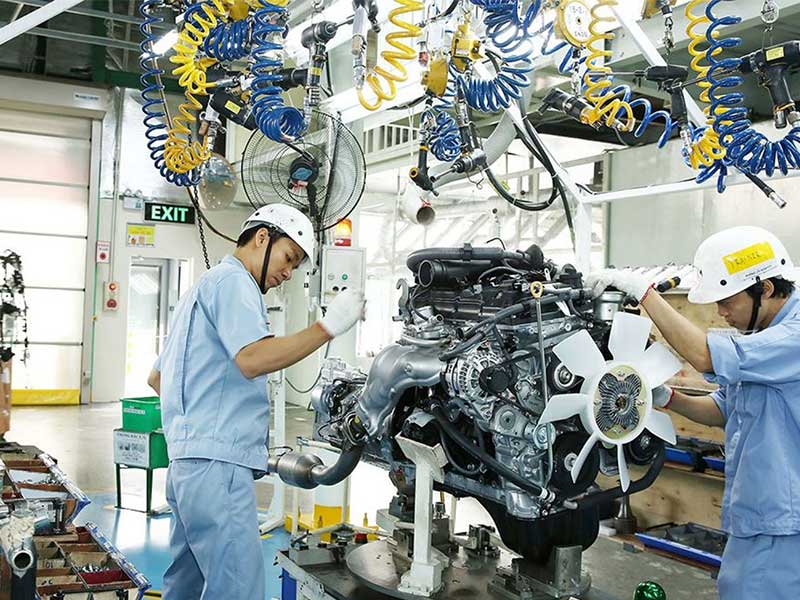
This is the department directly involved in labor to create the final goods. For example, in metal fabrication, this department directly processes iron ore, copper, etc., heating and shaping them into products.
-
Auxiliary Production Division
The role of this department is to support the main production team, operating continuously to ensure that production activities are not interrupted.
-
Sub-Production Division
This division utilizes leftovers and scrap materials from the main production activities to create value-added products, by-products, etc.
-
Production Service Division
This department is related to warehousing, internal and external logistics. This group ensures the supply, storage, distribution, and transportation of materials, raw materials, tools, and finished products for production and labor.
Conclusion:
Production management is a profession with great potential and challenges for development. The larger the scale of factories and workshops, the greater the pressure of managing production activities. Let 1Office – The comprehensive production management software help you. With cloud computing technology, saving data on a single system is simple and convenient. 1Office also helps managers digitize production processes, automate work reminders, and analyze and report on production progress in real-time. Contact us now at 083 483 8888 for the fastest consultation and support.