


 12/05/2026
  351 views
In the modern business environment, participating in a personal development course not only helps improve skills but also creates opportunities for career advancement. Especially for mid-level managers, who often face many management and leadership challenges, continuously enhancing their knowledge and skills is essential.
Mục lục
- Why are personal development courses important for managers?
- Benefits of taking personal development courses
- How to choose the right personal development course
- Top 5 personal development courses to enhance skills for mid-level managers
- The difference between online and offline personal development courses
Why are personal development courses important for managers?
When it comes to personal development, we are not just talking about learning new skills but also about self-awareness and self-improvement.
Improve leadership skills
One of the key reasons mid-level managers should take personal development courses is to enhance their leadership skills. Leadership skills include not only the ability to manage a team but also the ability to inspire, communicate effectively, and resolve conflicts.
Leadership is not just about giving orders and controlling, but also about building good relationships with employees. The courses will help managers master strategies to develop their teams, thereby optimizing work performance.
Enhance decision-making ability
Mid-level managers often have to make difficult decisions in a short amount of time. Taking courses will equip them with tools for data analysis, critical thinking, and strategic thinking to make wiser decisions.
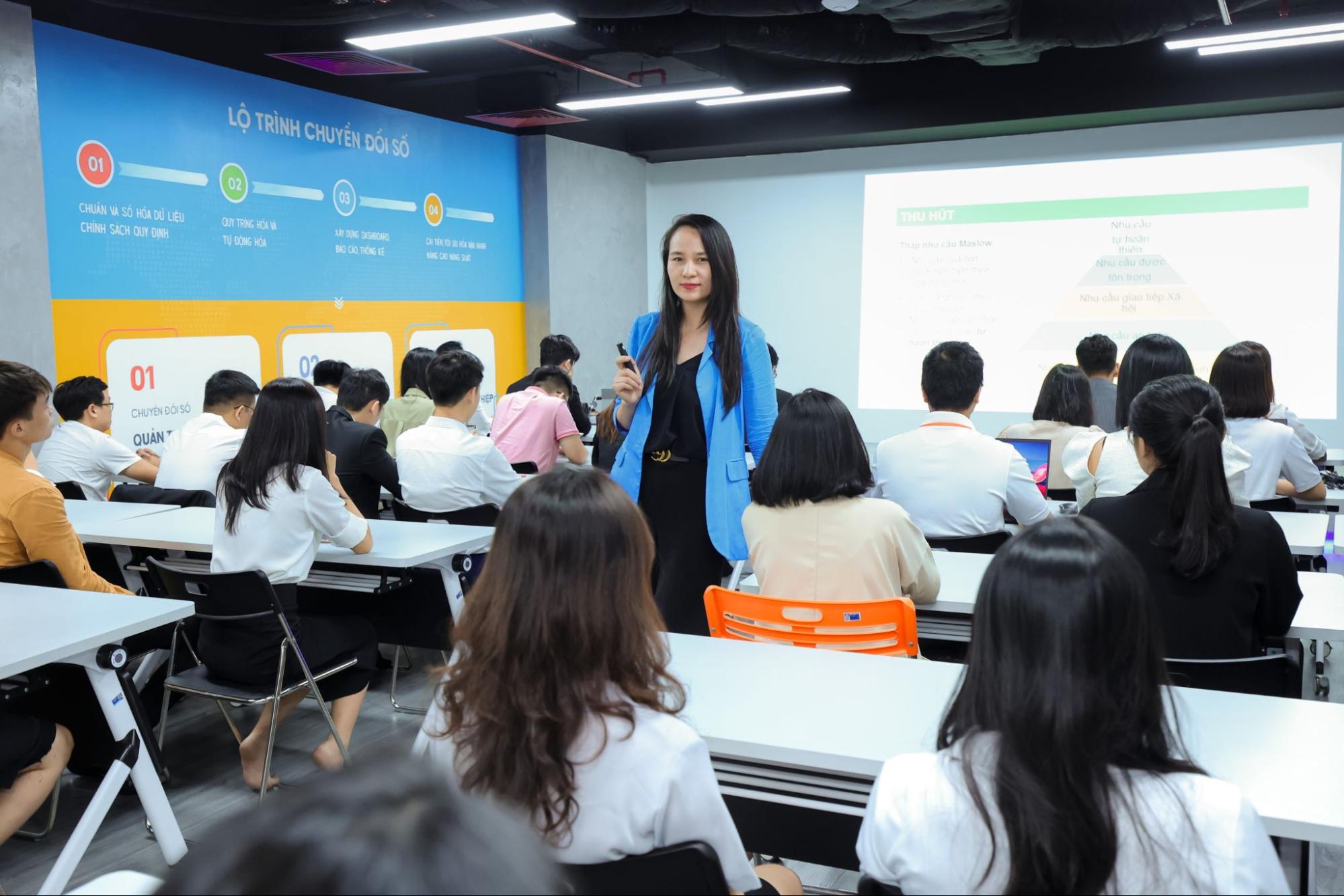
Making the right decisions is not only based on experience but also requires deep professional knowledge. Personal development courses provide managers with effective methods to evaluate information before making a final decision.
Develop innovative thinking
In today’s digital age, innovative thinking is a key factor that helps managers adapt and thrive in an ever-changing environment. Personal development courses encourage creativity and adaptability, helping managers overcome traditional barriers.
By participating in these courses, managers can find new perspectives on old problems, apply learned skills to real-world situations, and thereby create breakthrough solutions for the company.
Benefits of taking personal development courses
Taking personal development courses brings many benefits to mid-level managers, from improving personal skills to enhancing leadership capabilities.
Enhance strategic thinking
One of the key benefits is the ability to develop strategic thinking. Mid-level managers learn how to define long-term goals and optimize existing resources. This skill helps them build feasible action plans, guide their teams in the right direction, and minimize risks during implementation.
Improve leadership skills

Personal development courses help mid-level managers enhance their leadership abilities by learning how to manage people, build effective teams, and make quick, accurate decisions. This not only supports them in leading their teams but also helps motivate employees, contributing to the improvement of the organization’s performance.
Improve communication and relationship-building skills
Communication skills are enhanced through these courses, helping mid-level managers develop the art of persuasion, listening skills, and conflict resolution. These skills not only help them connect better with their teams but also strengthen their ability to collaborate with other departments in the company, creating a harmonious and effective work environment.
Develop creative and innovative thinking
Taking these courses also fosters creative thinking and innovation, which are crucial in a constantly changing market. With this skill, mid-level managers can find breakthrough solutions to problems, creating added value and a competitive advantage for the business.
Practice time and work self-management skills
The ability to manage one’s time is an undeniable benefit. The courses help mid-level managers learn how to organize their work reasonably and balance work pressure with personal life. As a result, they can increase their productivity while maintaining their mental and physical health.
How to choose the right personal development course
Not all courses are suitable for everyone. Therefore, choosing the right personal development course is extremely important. Here are the criteria you should consider:
Clearly define your personal goals

First, ask yourself what you want to improve or develop: leadership skills, strategic thinking, communication skills, or work-life balance? Defining specific goals will help you easily choose a suitable course, avoiding wasted time and resources.
Evaluate the reputation of the training organization
Choose reputable training organizations that are highly rated by many people. You should research the team of instructors, teaching methods, and practical implementation experience of that organization. This will give you confidence that the training content is highly applicable and genuinely useful.
Course content is relevant to your actual work
A good course should have content that is closely related to real-world situations, providing knowledge and skills that you can apply immediately to your job. Read the training program carefully and see if it addresses the problems you are currently facing.
Reasonable cost, worthy of the value received
The cost of the course is also a criterion to consider. However, you shouldn’t just choose the cheapest course; consider the value it offers. A course with quality content, a reputable team of instructors, and modern teaching methods is often worth a higher investment.
Flexible learning format and schedule

For mid-level managers, time is a critical factor. You should choose courses with flexible formats, such as online learning, blended learning (online and in-person), or evening and weekend classes. This makes it easier for you to participate without affecting your daily work.
Consider feedback and reviews from former students
Consult the opinions of those who have previously taken the course. Real feedback from former students will give you an objective view of the training quality and the practical effectiveness of the course.
Specific value commitment from the course
A quality course often makes clear commitments about learning outcomes, such as improved skills, increased work performance, or successful application of a management model. You should choose courses that are transparent about the value you will receive.
Top 5 personal development courses to enhance skills for mid-level managers
Below is a list of outstanding personal development courses that mid-level managers should not miss.
Course: “The Art of Effective Team Leadership”
Leadership is not just a skill but an art, and this course will help mid-level managers fully unlock their leadership potential. By joining the course, you will master how to delegate tasks intelligently, handle internal conflicts, and motivate your team to achieve higher performance.
With practical methods that can be applied directly to your work, this course helps you significantly improve your people management skills, thereby building a strong team and creating a positive work culture. As a result, not only will your team become more cohesive, but you will also become more confident in your leadership role, ready to face greater challenges.
Course: “Personal and Team Performance Management”
If you are looking for ways to make your team work more effectively, this is the course you need. It goes beyond just setting goals like KPIs or OKRs; this course also guides you on how to evaluate, provide feedback, and build personal development roadmaps for employees.

The practical applicability is a highlight of this program, as you can immediately improve team performance and enhance overall work results. After completing the course, you will become a professional manager who knows how to balance driving productivity with building team cohesion.
Course: “Communication and Influence Skills in Management”
In a corporate environment, communication is not just about conveying information but also a tool for building credibility and influence. This course focuses on developing diverse communication skills such as persuasion, negotiation, and relationship building.
The skills you learn will help you handle complex situations, from important meetings to resolving inter-departmental conflicts. After the course, you will not only be more confident in your communication but also have the ability to connect with and deeply influence your team, colleagues, and partners.
Course: “Strategic Thinking and Problem Solving”
Mid-level managers often face situations that require thorough analysis and strategic thinking. This course is the key to learning how to view problems from multiple perspectives, devise optimal solutions, and create effective long-term plans.
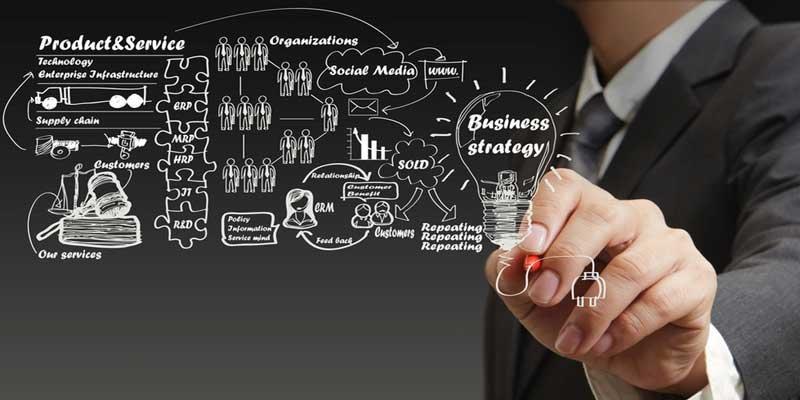
From data analysis to risk assessment, all content in the course is designed for you to apply directly to your daily work. This skill not only helps you handle challenges systematically but also enhances your personal capabilities, making you a key player in the company’s strategic decisions.
Course: “Innovation and Creativity in Management”
In an era where innovation is crucial for survival, this course provides the tools and methods for you to not only adapt but also lead change. You will learn how to encourage creativity within your team, develop breakthrough ideas, and apply innovative thinking to management.
When applied in practice, these skills help you solve problems more flexibly and effectively. At the same time, you will become a source of inspiration, motivating your team towards new achievements and contributing to the sustainable development of the business.
The difference between online and offline personal development courses
Depending on individual conditions and needs, choosing between online and in-person courses has its own pros and cons.
| Online Personal Development Course | Offline Personal Development Course | |
| Learning Method | Online learning via platforms like Zoom, Google Meet, or an LMS (Learning Management System). | In-person learning in a classroom, at a training center, or at a company. |
| Flexibility | Flexible in terms of time and location; suitable for busy individuals or those far from a training center. | Usually has a fixed time and location, requiring learners to arrange their schedules to attend. |
| Interaction | Online interaction via chat, video calls, or learning forums; the level of communication is often more limited. | Direct interaction with instructors and other students; creates more opportunities for networking and learning. |
| Learning Materials and Tools | Digital materials that can be downloaded or viewed directly on the learning platform. | Printed materials, visual lectures, and sometimes additional on-site learning support tools. |
| Cost | Usually lower in cost as there are no venue or travel expenses. | Costs are often higher, including expenses for the venue, class organization, and travel. |
| Experience Quality | Highly dependent on internet connection, learning devices, and the student’s proactivity. | A practical learning experience, with opportunities for in-class practice and direct feedback from the instructor. |
| Convenience | Lectures can be re-watched via video recordings, and materials are easily accessible at any time. | Limited opportunities to review; effectiveness depends on the student’s memory and note-taking skills during the session. |
| Suitable for | For individuals with busy schedules who prefer self-study and are proactive in acquiring knowledge. | Suitable for those who need direct support and enjoy an interactive, hands-on learning environment. |
| Networking Opportunities | Opportunities to connect with instructors and students from various locations in an online environment. | Increased opportunities to build relationships, interact in person, and form stronger connections with instructors and peers. |
| Post-Course Application | Depends on the student’s discipline and ability to self-apply the knowledge. | Receives direct practical guidance, making it easier to apply knowledge to real-world work. |
———————————
Participating in personal development courses is an essential investment for middle managers. It not only helps them enhance their personal skills but also creates opportunities to expand their professional network and develop an innovative mindset. Through this article, we hope middle managers will find useful information to select suitable courses for their self-development and to contribute positively to their organization. Wishing you success!
















