


 12/05/2026
  530 views
Scenario is a crucial approach that helps businesses prepare for potential future situations rather than just reacting when changes occur. But what is a scenario, what is its role in business, and how should a company start planning? This article will help you understand everything from the concept to the practical implementation process.
Mục lục
What is a Scenario? How to Plan Scenarios in Business
A scenario is a useful method for dealing with an uncertain future. By building scenarios based on potential trends and fluctuations, businesses can prepare for different situations and develop flexible strategies. In this article, 1Office will provide you with an overview of what a scenario is and its role in business today.
What is a Scenario?
Scenario is an English word meaning “script” or “hypothetical situation.” In the field of business management, a Scenario is often used to refer to situations, circumstances, or forecast charts about a possible future in a specific context.
By building scenarios based on potential trends and fluctuations, businesses can prepare for different situations and develop appropriate responses.
What is Scenario Planning?
Scenario Planning is a strategic planning method in business aimed at facing an uncertain future. It helps businesses prepare to respond to unexpected changes and situations by creating and studying various possible future scenarios.
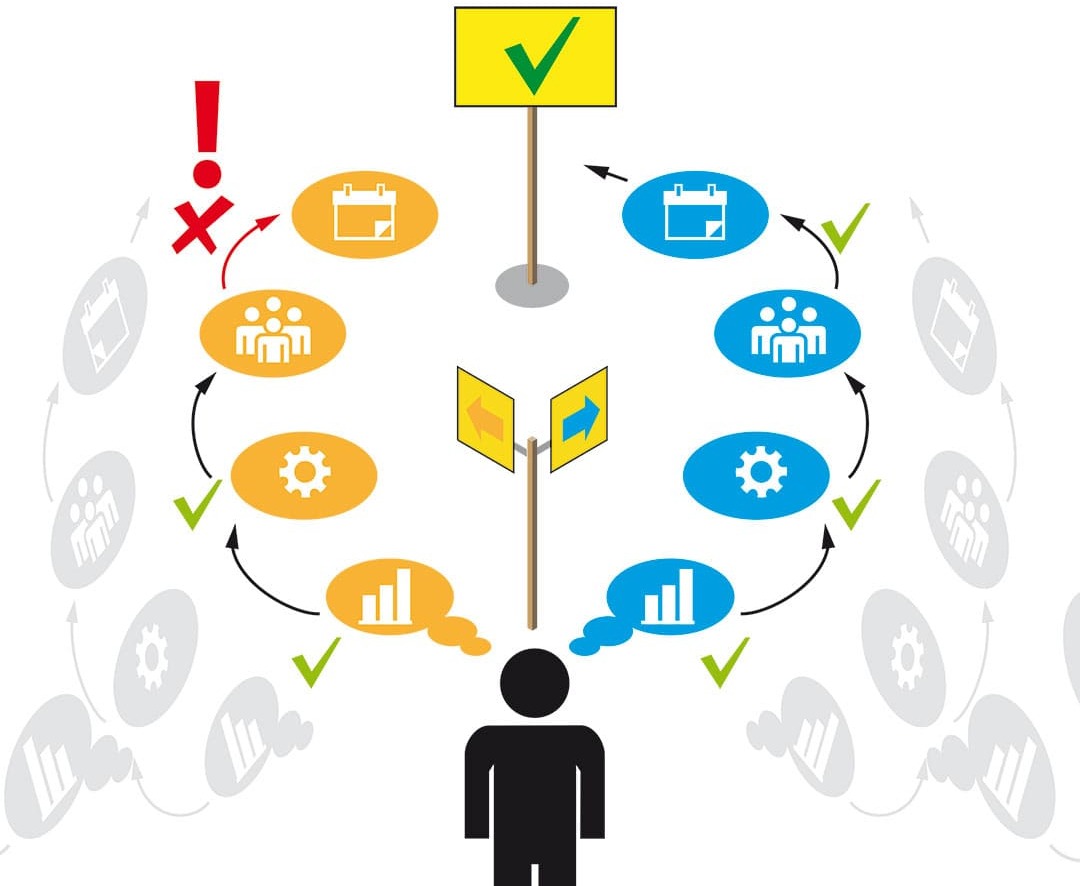
To explain it simply, imagine your business is traveling on a road toward a destination. However, that road doesn’t have just one single path but many different options you can choose from. Scenario Planning is the process of considering and exploring those potential options.
You create a series of different scenarios based on factors and situations that could occur in the future. Each scenario describes a different situation with independent variables and conditions. For example, one scenario might address a state of high and stable economic growth, while another might involve an economic recession and political instability.
Then, you assess the impact of each scenario on your business. This way, you can identify the potential risks and opportunities of each scenario and take appropriate preparatory measures.
Finally, based on the scenarios and assessments, you define your strategy and make appropriate decisions. You can also adjust your current strategy, invest in key areas, or make new strategic decisions to ensure the best response to future situations.
What is a Test Scenario?
A Test Scenario is a set of predefined steps and events to test the features, functionality, and performance of a specific system, software, application, or process. It sets up a hypothetical situation or a specific state and simulates the activities and expected outcomes within that scenario.
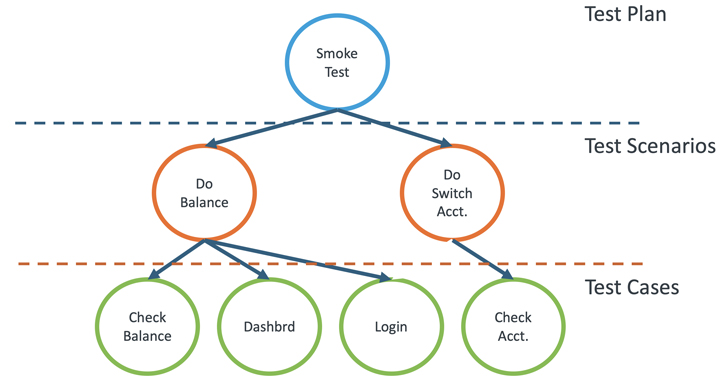
The purpose of a Test Scenario is to check whether the system or application performs correctly according to requirements, executes necessary functions, and can handle special states and situations. Test Scenarios help ensure the stability, reliability, and quality of a product or service.
A Test Scenario typically includes execution steps, user agents or actions, input conditions and data, along with the expected results that the system or application should achieve. A Test Scenario creates a testing framework to check and evaluate the performance and functionality of a product or system before it is deployed or put into use.
The Role of Scenarios in Business
The role of Scenarios in business is of interest to many managers, and below are the main roles of Scenarios:
- Expand capabilities and ways of thinking about the future: The Scenario Planning technique helps broaden a business’s vision and thinking about the future. It encourages the consideration and evaluation of potential situations, trends, and changes in the business environment. This helps the business better understand situations that may occur in the future and be ready for change.
- Identify inevitabilities in the near and distant future: When implementing scenario-based planning, a business can see inevitable factors and events in the near and distant future. This helps identify potential risks and challenges, thereby preparing appropriate solutions and strategies to deal with them.
- Avoid groupthink: Scenarios help avoid groupthink, which is inward-looking thinking focused only on the short-term interests of the business. Instead, it encourages diversity and creativity in the process of considering different scenarios and identifying long-term benefits for the entire business ecosystem.
- Challenge traditional ways of thinking: Scenario planning helps challenge traditional ways of thinking and break fixed mental models. It encourages flexibility and adaptability for the business in a changing environment.
Standard Scenario Planning Process
The steps for Scenario Planning typically include:
Step 1: Define Objectives and Scope
First, define the specific objectives you want to achieve through the Scenario Planning process. Clearly establish the project’s scope, including the operational area, timeline, and available resources.
Step 2: Research and Analysis
Conduct research and analysis of factors related to your business environment and industry. Collect data, assess trends, variables, and other key elements to identify factors that will influence the future.

Step 3: Identify Key Variables
Based on research and analysis, identify the key variables upon which the scenarios will be based. These are critical and uncertain factors that can significantly impact the company’s operations and strategy.
Step 4: Develop Scenarios
Create a set of different scenarios based on the identified variables. Each scenario should describe a different future situation, environment, or trend. These scenarios should be developed logically and be plausible.
Step 5: Assess Impacts
Assess the impact of each scenario on the company’s operations and strategy. Measure the potential outcomes, risks, and opportunities from each scenario to better understand the possible impacts and consequences.
Step 6: Define Strategies
Based on the scenarios and analysis, define appropriate strategies to cope with future situations. Determine directions, measures, and priorities to ensure the company’s flexibility and adaptability.
Step 7: Implement and Monitor
Implement the plan and strategy based on the identified scenario. Monitor and evaluate regularly to ensure that measures and decisions remain relevant to the changing situation.
Applications of Scenario Planning in Various Fields
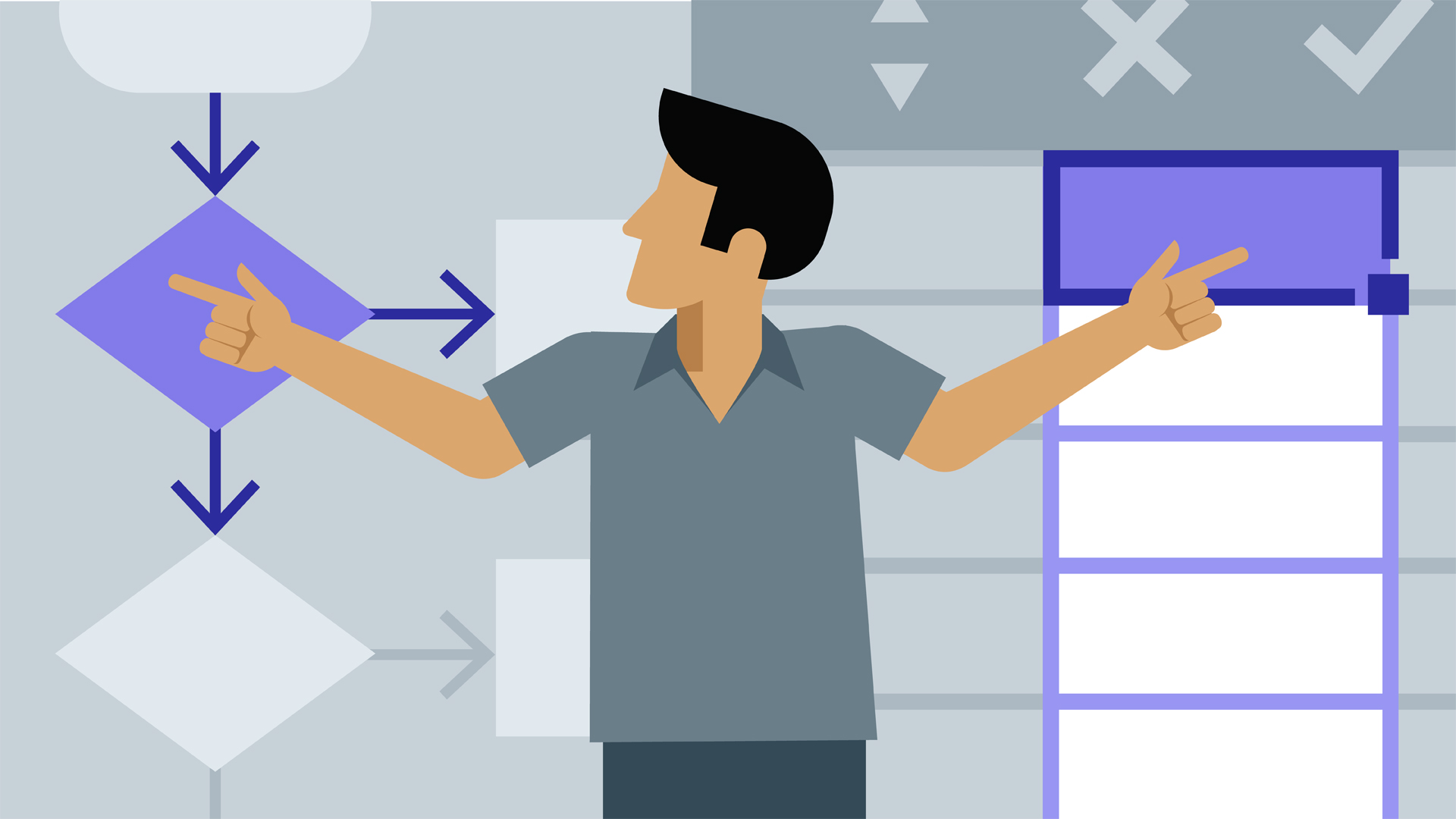
Scenario Planning is a useful tool that helps organizations and individuals cope with an uncertain future. It can be applied in many different fields, including:
- Government: Scenario Planning can assist governments in formulating public policies and responding to future social, economic, and environmental issues. For example, it can be used to assess the impact of climate change, an aging population, or technological development on society.
- Education: Scenario Planning can be applied to shape policies and develop the education system. For instance, it can be used to predict the future learning and development needs of students, or to identify necessary changes in education to respond to new technological trends.
- Healthcare: Scenario Planning can be used to predict and shape the future of the healthcare industry. For example, it can be used to forecast the development of medical technology, changes in public healthcare needs, or to identify potential challenges for the healthcare system.
- Military and Security: Scenario Planning helps predict and analyze military situations, define national defense strategies, and develop scenarios and response plans for security threats. For example, it can be used to predict future military conflict scenarios or to identify new ways to protect national security.
- Product Research and Development: Scenario Planning can be applied in the field of product research and development. For example, it can be used to predict future market demands or to identify new technologies with development potential.
——————————
Facing the uncertainty of the future, traditional forecasting and planning methods are no longer sufficient. The Scenario Planning technique helps expand the ability and methods of thinking about the future, explore unavoidable factors, and create flexible strategies. We hope that through this article, you can clearly understand the concept of Scenario Planning and its importance in today’s business operations.
















